REVIEW · ENTEBBE
1-Day Best of Entebbe City Guided Walking Tour
Book on GetYourGuide →Operated by NUNGI SAFARIS UGANDA · Bookable on GetYourGuide
Markets and gardens, one walk. This 1-day Entebbe city tour strings together local food, lake-life scenes, and the quiet reset of the Botanical Gardens. I also like how the walk builds toward real street-level Entebbe with the Nambi fish market stop, where you see how people actually shop and chat by the water.
The one thing to keep in mind: this is a walking-heavy day with strict suitability limits, and the Chimpanzee Trust stop may not always appear on the day’s route. If you have your heart set on that specific visit, ask your guide what’s scheduled when you meet.
In This Review
- Key highlights you’ll feel during the walk
- Entering Entebbe on foot: why this “best of city” works
- Meeting at Victoria Mall and keeping the pace realistic
- Entebbe Botanical Gardens: your included nature reset
- Rolex in the street-food lane: more than just a snack
- Markets, squares, and old-world landmarks: where Entebbe’s story shows up
- Nambi fish market: lake life up close
- Chimpanzee conservation talk: the Ngamba story point
- Coffee and the conservation vibe: Gorilla conservation coffee (paid)
- Pearl Craft Village: souvenir shopping without the stress
- Price and value: what $58 gets you in a one-day loop
- Who should book this tour (and who should skip it)
- Quick checklist for your Entebbe walk day
- Should you book the 1-Day Best of Entebbe City Walk?
- FAQ
- What does the tour include?
- Where do I meet for the tour?
- Is coffee included?
- Is food included, like Rolex?
- What should I bring?
- Is the tour suitable for everyone?
Key highlights you’ll feel during the walk
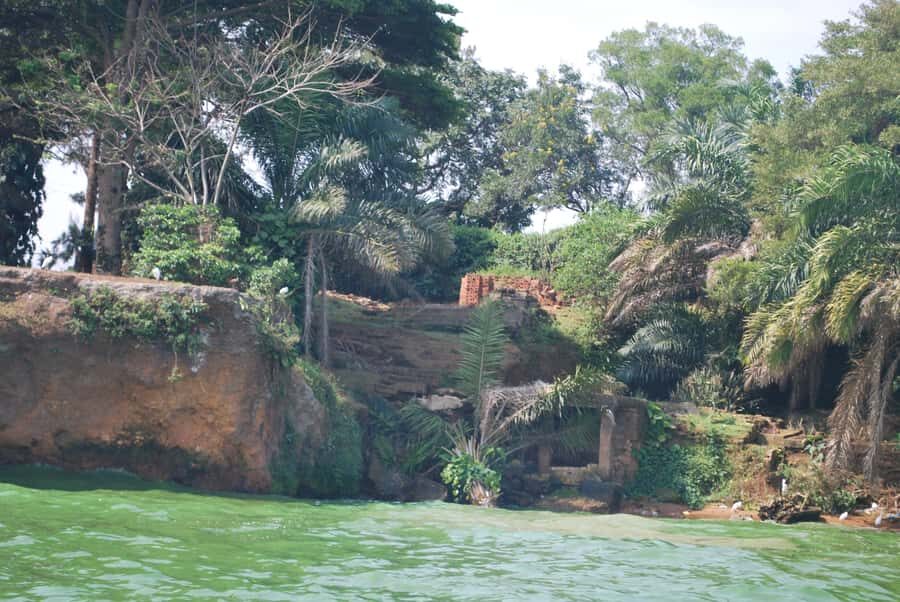
- Nambi fish market at the lake: see the fresh catch scene up close and meet the people who sell it
- Rolex street food lesson: learn what goes into the egg-and-veg roll wrapped in chapati, then sample it
- Entebbe Botanical Gardens entry included: a real pause with guided context and photo stops
- Conservation conversation: hear the story around chimp protection at the Chimpanzee Trust / Ngamba work
- Coffee tasting on the route (paid): try a local coffee break at Gorilla conservation coffee
- Souvenir time at Pearl Craft Village: shop with local makers instead of last-minute airport browsing
Entering Entebbe on foot: why this “best of city” works
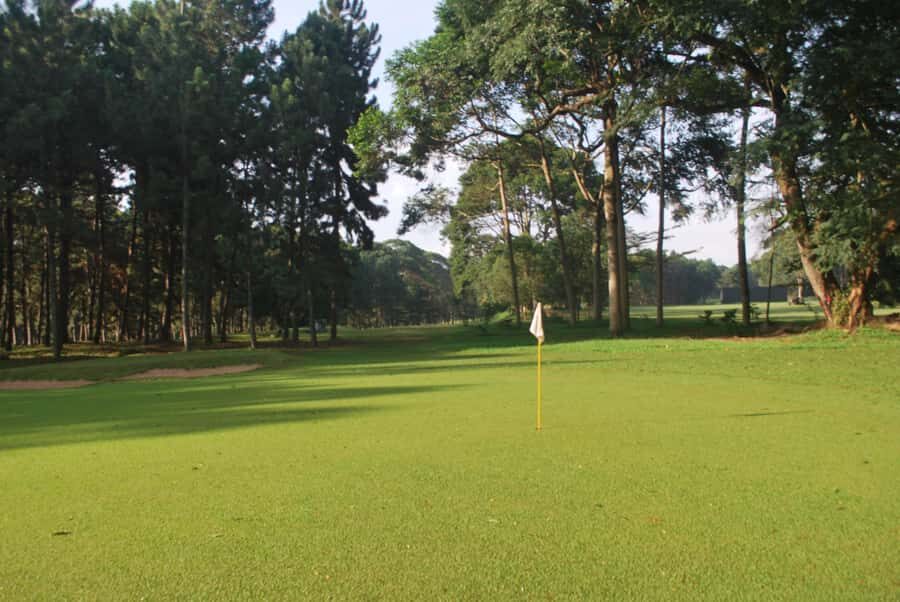
A good city walk does two jobs at once: it helps you get your bearings fast, and it teaches you what to notice when you’re not with a guide. This one-day loop in Entebbe is built for exactly that. You start at Victoria Mall, then move through markets, a food-stop you can smell before you even see it, green space, and a few landmark stops that connect colonial-era Entebbe to today.
The best part is the rhythm. It’s not just “look, take a photo, move on.” You’ll get moments where you can slow down—especially at the Botanical Gardens—then you’ll get pulled back into street life with the fish market and the Rolex snack stop.
And if you like guides who can explain culture in plain language, you’re in good company. In past bookings, guides such as Aggy, Agnes, and Amos have been named, and the common thread is the ability to answer questions and keep the pace friendly.
You can also read our reviews of more walking tours in Entebbe
Meeting at Victoria Mall and keeping the pace realistic
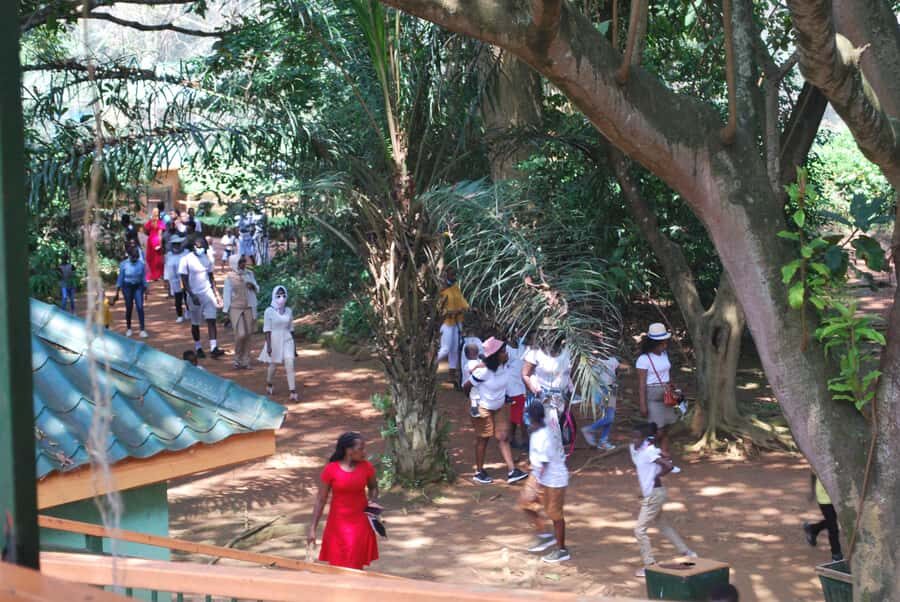
The tour starts at Victoria Mall, which is a handy anchor point if you’re staying around town. You’ll meet your English-speaking guide, get oriented, and then head out on foot.
Here’s the practical tip: this isn’t a “sit in a vehicle and hop out for five minutes” experience. You’re moving through Entebbe by walking between stops, with breaks built in by the nature of the route (food, markets, gardens). Bring comfortable shoes and plan for sun and dust—because Entebbe weather can change quickly, and the route isn’t designed for flip-flops.
Also note the suitability limits. This tour isn’t recommended for wheelchair users, people with mobility impairments, or for those over 70 years. It’s also listed as not suitable for babies under 1 year and people over 220 lbs (100 kg). If any of those apply, you’ll likely be happier with a shorter, more vehicle-assisted plan.
Entebbe Botanical Gardens: your included nature reset
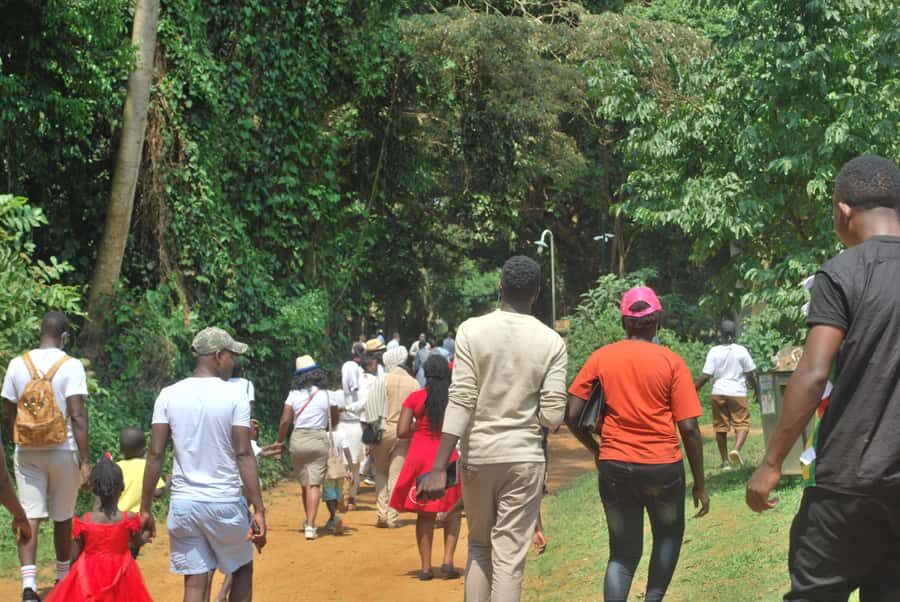
The Entebbe Botanical Gardens are one of the biggest reasons this tour feels worth your time. Entry tickets are included, and you get a guided experience plus time to look around at your own pace.
What makes this stop especially valuable is the mix of guidance and freedom. You’ll have a chance for a photo stop and a guided tour, then time to wander your own way. In the garden, you’re not just chasing pretty views—you’re learning what you’re looking at, including trees and birds (and even monkeys, if your timing lines up).
One more reason I like it: it breaks the day into two different Entebbe moods. Before the gardens, you’re in food and marketplaces. After the gardens, you’ll be back on the streets and headed toward the lake. That contrast is what keeps a one-day tour from feeling like one long commercial strip.
What to bring here: a hat, sunscreen, and a light jacket if you tend to get chilly. And if you own them, binoculars can be handy, since bird-spotting is part of the garden experience.
Rolex in the street-food lane: more than just a snack
The Rolex stop is built around one simple idea: you learn by watching. You’ll head to the Rolex area, learn what makes this street food what it is, and then you’ll usually have a chance to sample it.
Rolex is basically a chapati wrap filled with egg and vegetables—an easy handheld meal that locals grab when they’re moving. The fun part of this tour is that you don’t just get handed something to eat. You get the story of the snack, plus a chance to see it made before you sample. The making step is noted as an additional fee, so don’t be surprised if your guide asks you whether you want to do the extra demonstration.
In the past, people have come away especially happy with the taste—expect a satisfying mix of warm egg, veg, and spices wrapped in soft bread. If you’re picky about spice or onions, it’s smart to mention that early so you don’t end up eating something you didn’t mean to order.
Quick practical note: if you’re planning to buy other snacks later, go easy here. This is often the tour’s most filling street-food stop.
Markets, squares, and old-world landmarks: where Entebbe’s story shows up
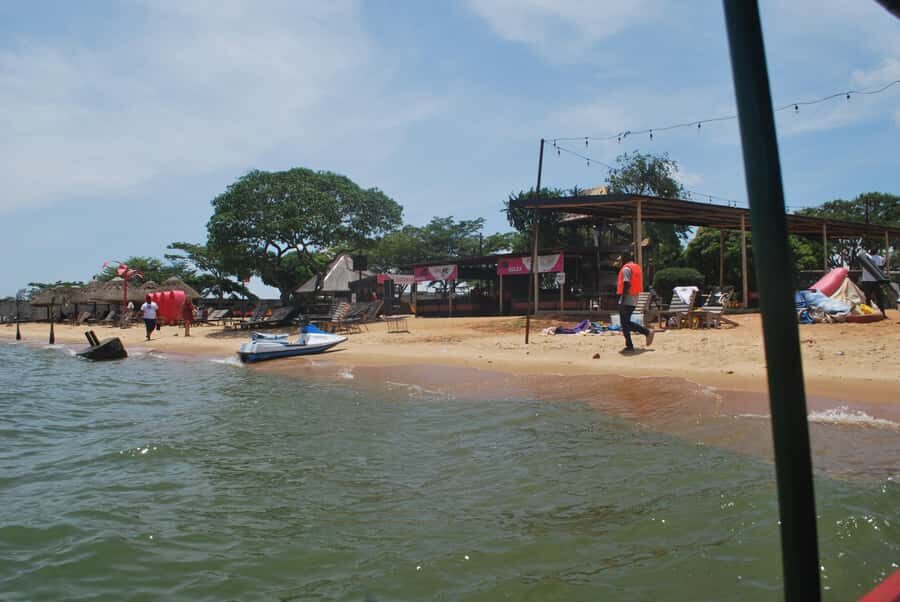
After the food and early scenes, the walk shifts into “city context” mode. You’ll pass through areas tied to Entebbe’s public life and colonial-era architecture.
A key stop is Muzinga Square, followed by a visit to Muzinha Park. These places help explain how Entebbe functioned as a town shaped by different eras, not just as a place for visitors to transit through.
Then you’ll see the Colonial governor’s mansion, which is now the official residence of the president. Even if you can’t go inside, the sight anchors what you’re hearing from your guide: buildings aren’t just backdrops. They’re political and historical markers.
You’ll also cross over to the first Anglican church, founded by colonial missionaries. That stop is a useful reminder that Entebbe’s layers aren’t only about buildings and streets—they’re also about institutions that changed daily life.
The takeaway for you: if you’re the kind of traveler who likes photos with meaning, these landmark moments help connect Entebbe’s present to its past without needing a museum ticket.

Nambi fish market: lake life up close
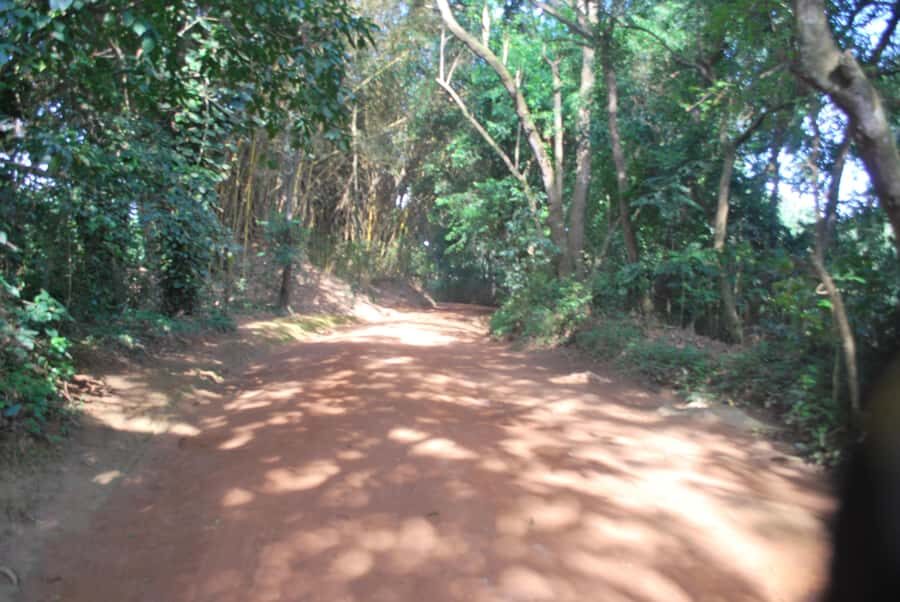
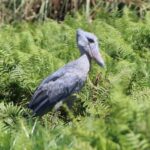
The tour’s lakeside moment is the fish market at Nambi. This is one of those stops where you’ll feel the city’s heartbeat faster than you can read about it.
You’ll meet the women who sell fresh fish by the lake side. If you’ve only seen fish markets from a faraway tourist angle, this will likely feel more grounded—real conversations, real sorting, and the everyday work that makes the market run. It’s also a natural place to ask questions. Guides can explain what you’re seeing and how these markets fit into local life.
One thing to remember: markets can be crowded and uneven, depending on how vendors arrange space on the day you go. Wear shoes you’re comfortable with on rough ground, and keep your hands free for photos and your phone.
If you want to taste local fruits, the tour includes market time for that kind of stop, so keep a little space in your plan even if you already ate a Rolex.
Chimpanzee conservation talk: the Ngamba story point
The conservation segment centers on the Chimpanzee Trust, with discussion tied to the Ngamba Chimpanzee Trust efforts to protect chimpanzees.
This is where the tour does something important: it turns Entebbe from “places to look at” into “issues to understand.” You’ll hear about chimpanzee conservation and the ongoing work connected to protecting this animal.
The only consideration: the Chimpanzee Trust stop may not always be included on the day’s route. That’s rare enough to mention, and it matters if you’re planning around it. If conservation is your top priority, ask your guide what’s scheduled once you’re with them, so you’re not stuck with disappointment.
Coffee and the conservation vibe: Gorilla conservation coffee (paid)
You’ll have a coffee break on the route at Gorilla conservation coffee. Coffee isn’t included, so plan to pay for your drink there.
Still, I think this is a good value add. It’s not just caffeine; it’s a chance to connect conservation to everyday life and local business. If you’re a coffee fan, it’s also a pleasant break in the middle of a walking day.
Practical move: drink water too. The tour includes a bottle of drinking water, but you may still want to manage your hydration based on the heat. A phone with a charged battery also helps here since you’ll likely want to capture market scenes and garden moments.
Pearl Craft Village: souvenir shopping without the stress
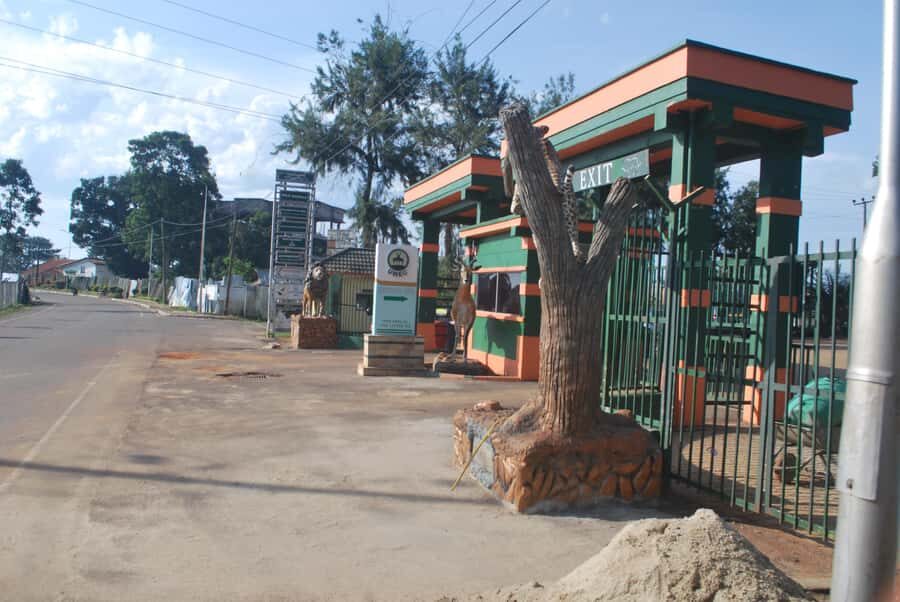
When the walk swings toward Pearl Craft Village, the goal is simple: shop for souvenirs in a more thoughtful way. This isn’t framed as a hard-sell stop; you’re given time for shopping at local craft outlets.
This part matters because souvenir quality varies wildly in Africa’s bigger tourist zones. Having a planned shopping stop can save you from the late-day panic of trying to find something good after you’ve already spent your energy. It’s also a better chance to ask questions about materials and what items mean.
Just keep expectations realistic: shopping isn’t included, so you’ll want cash on hand. The tour also lists bringing a passport or ID card, which can be useful in Uganda for various checkpoints and identity needs during day tours.
Price and value: what $58 gets you in a one-day loop
At $58 per person for a 1-day guided walking tour, you’re paying for four main things:
1) An English-speaking guide who connects dots across markets, landmarks, gardens, and conservation talk
2) Entry ticket to the Botanical Gardens (included)
3) Time planning the route so you don’t waste hours figuring out where to go next
4) Structure that makes Entebbe feel manageable, not chaotic
Food and coffee are not included, and some experiences have extra fees (like the Rolex making demonstration and the coffee break). Shopping is also on you.
So what’s the real value? It’s that this tour packages multiple “half-day” experiences into one. If you’d otherwise try to do markets, a garden visit, landmark photos, and conservation learning on your own, you’d likely spend more in transport time and miss the context that a guide provides.
If you like to travel hands-on—taste, walk, look, ask questions—this price can feel fair.
Who should book this tour (and who should skip it)
This is a great fit if you:
- want a short Entebbe day that covers several key vibes: lake-life, street food, gardens, and landmarks
- enjoy local markets and don’t mind a little walking
- like guided explanations that turn photos into understanding
- travel solo or in small groups and value a route that keeps you moving
You might want to skip or choose something else if you:
- need wheelchair access or have serious mobility limits (this tour isn’t suitable)
- prefer a low-step, low-walk itinerary
- are older than the listed comfort range (over 70 years is not recommended)
- plan around the Chimpanzee Trust as a must-have; ask what’s actually on schedule with your guide
Quick checklist for your Entebbe walk day
The tour info gives you a solid packing list. I’d treat it as the baseline and follow it:
- Comfortable shoes for walking
- Hat and sunscreen
- Camera and a charged smartphone
- Jacket (weather shifts)
- Hand sanitizer or tissues
- Cash for coffee, extra Rolex steps, and shopping
- Binoculars if you like bird-spotting
- Passport or ID card
- Toiletries as needed
Should you book the 1-Day Best of Entebbe City Walk?
If you want an efficient way to experience Entebbe beyond the usual hotel-and-viewpoint loop, I’d book it. The strongest selling points are the Botanical Gardens (included and genuinely relaxing) and the way the route connects food, markets, landmarks, and conservation talk into one coherent day.
If you’re strict about one stop—especially the Chimpanzee Trust—don’t assume it’s guaranteed. Confirm the day’s schedule when you meet your guide. And if your body needs more comfort time than walking allows, pick a different format.
Bottom line: this is a practical, local-feeling Entebbe day built around walking, learning, and eating what you’re taught to look for.
FAQ
What does the tour include?
You get an English-speaking guide, entry tickets to the Entebbe Botanical Garden, and a bottle of drinking water.
Where do I meet for the tour?
You meet at Victoria Mall.
Is coffee included?
No. Coffee is a paid add-on at Gorilla conservation coffee.
Is food included, like Rolex?
The Rolex sampling is part of the experience, but the tour notes that seeing how Rolexes are made before sampling can involve an additional fee. Food and drinks are listed as not included.
What should I bring?
Bring a passport or ID card, comfortable shoes, a hat, sunscreen, camera, jacket, toiletries, cash, a charged smartphone, binoculars (optional), and hand sanitizer or tissues.
Is the tour suitable for everyone?
It is not suitable for people with mobility impairments, wheelchair users, people over 220 lbs (100 kg), babies under 1 year, or people over 70 years.