REVIEW · KIGALI
From Kigali: 1-Day Gorilla Trekking in Uganda
Book on GetYourGuide →Operated by Kawira Safaris Ltd · Bookable on GetYourGuide
One hour with gorillas changes your whole day. This trip pairs Mghahinga National Park trekking with private 4×4 transport, and I love how the team handles the behind-the-scenes permit work and border steps so you can stay focused on the forest and the moment. You also get up to an hour watching mountain gorillas, often close enough to feel like you’re on their turf. The drawback is real: the trek can be fairly strenuous, plus the day starts with a very early 3:00 AM pickup.
You’ll often meet people by name right away, like drivers such as Robert or Hassan in Kigali, then link up with guides like Vincent for the run to the trailhead and tracking. Expect an English-speaking guide and ranger support once you’re at headquarters. One caution: the park controls contact tightly (and illness can mean refusal), so you have to be ready for the gorillas’ rules, not your schedule.
In This Review
- Key highlights worth getting excited about
- Mountain gorillas in 1 day: what makes this trek special
- Kigali to Mghahinga: the 3:00 AM start that actually works
- Breakfast and border steps: keeping your morning from going sideways
- The trek itself: what Mghahinga tracking feels like
- The gorilla encounter: the one-hour rule and how to get the most
- Private transport in a day like this: comfort is not a small thing
- Lunch, return drive, and getting back to Kigali on time
- Price and value: how the $450 fits with the $800 permit
- What to bring (so you don’t end up improvising in the forest)
- Who should book this one-day plan
- Should you book this gorilla trek?
- FAQ
- How long is the gorilla trekking tour?
- What time is pickup from Kigali?
- Where does the trekking happen?
- What’s included in the $450 price?
- Is the gorilla permit included?
- How long do you get to watch the gorillas?
- What should I bring for the trek?
Key highlights worth getting excited about
- Private Kigali-to-Uganda transport in a 4×4 customized land cruiser or safari van
- Tracking on the Mghahinga slopes of the Virunga region, often in light mountain forest
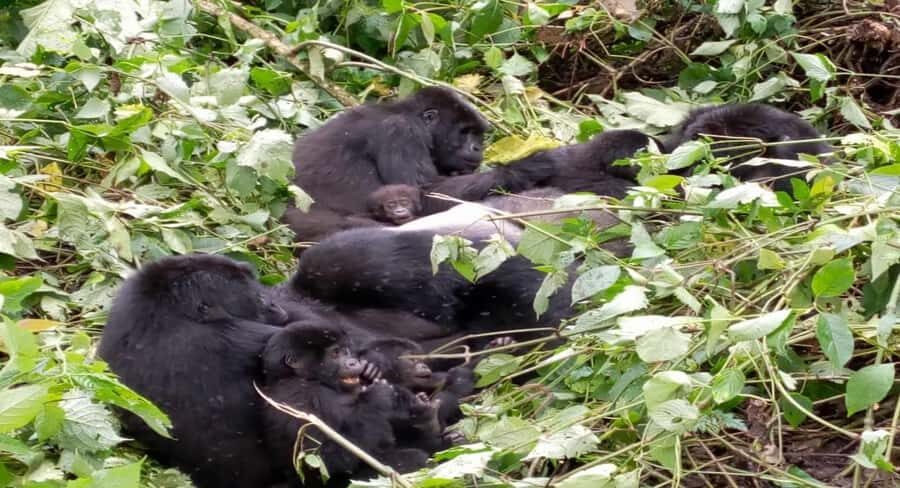
- Up to 1 hour with mountain gorillas, with contact limited to protect the animals
- A ranger-led experience plus a walking stick, bottled water, and ranger guidance at the site
- Meals built into the long day, with breakfast served near the park and lunch on the return
- Permit support handled in advance by the operator’s team, so you spend less time chasing paperwork
Mountain gorillas in 1 day: what makes this trek special
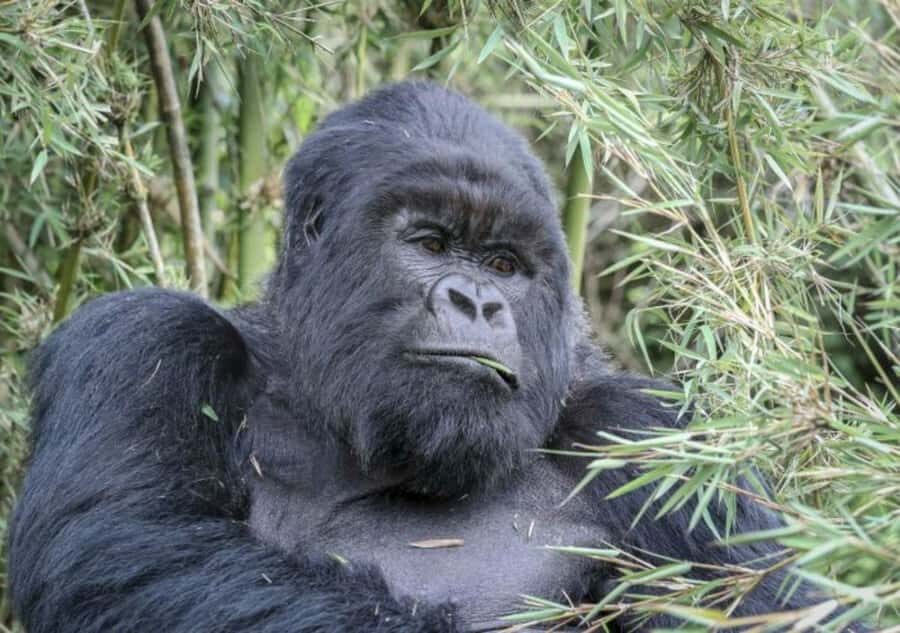
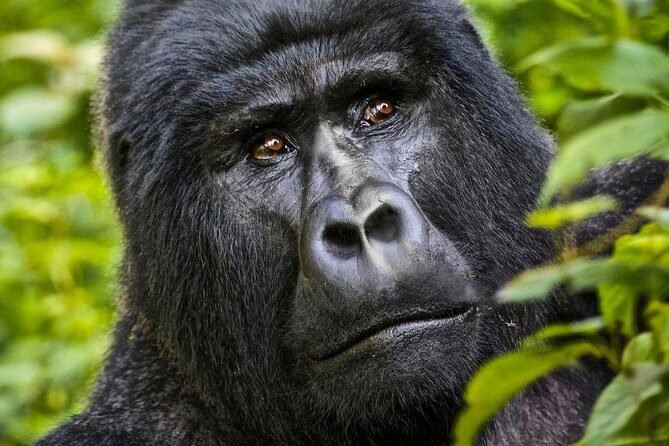
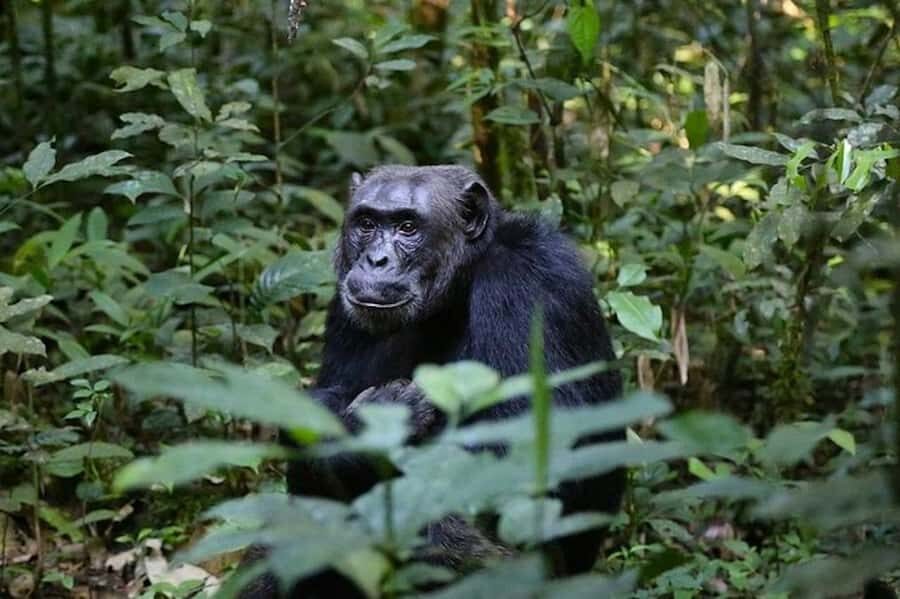
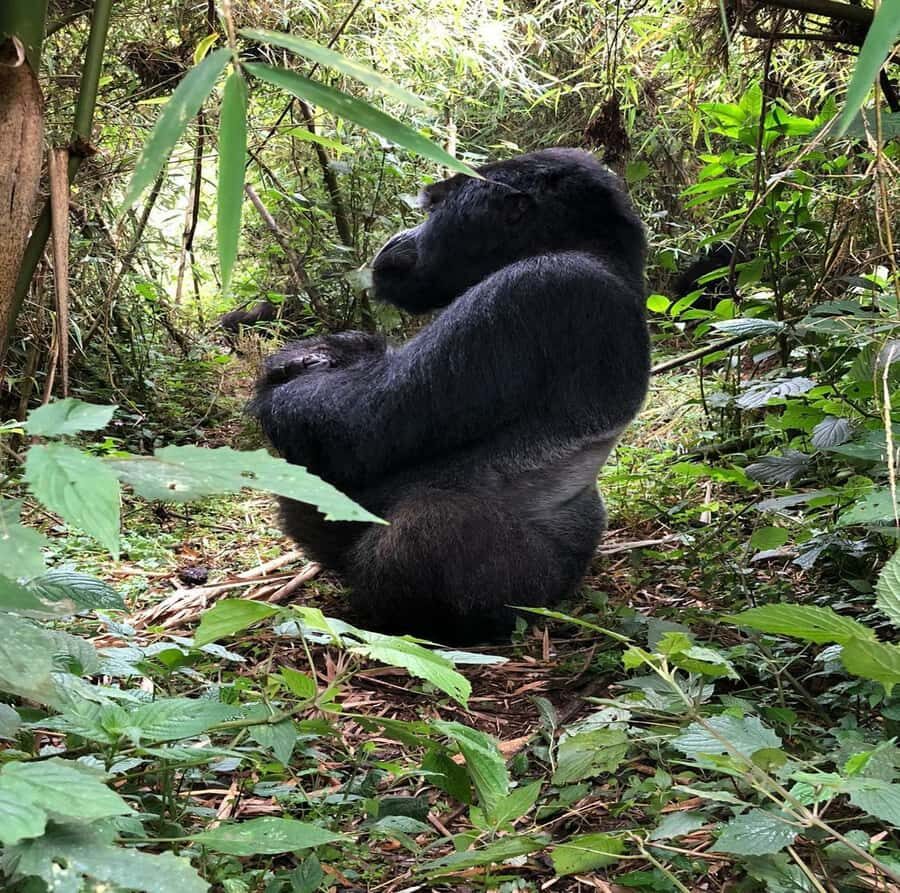
Mountain gorillas are the rare kind of rare. There are fewer than 1,000 left today, and seeing them in the wild is not like watching a show on a screen—it’s a full-senses moment. You’re tracking through forest and climbing the slopes, then, if luck and timing line up, you reach the families and spend designated time observing them.
What I like about this specific setup is that it’s built for a short stay. You’re not spending days crossing Uganda. You’re making one focused push into Mghahinga National Park with private transport, breakfast arranged early, and guides/rangers ready when you arrive. That helps you stay calm. Gorilla trekking days are emotional enough without adding travel chaos.
You can also read our reviews of more hiking tours in Kigali
Kigali to Mghahinga: the 3:00 AM start that actually works
Pickup is at 3:00 AM from your hotel in Kigali. Yes, it’s early. Yes, it’s dark and you’ll be tempted to argue with the universe. But it’s also the logic of gorilla trekking: you want enough daylight and time buffers to reach the park, clear border steps, meet your guides, and begin tracking.
You’ll travel northwest to Mghahinga National Park, a drive of around 3 hours. Then comes the border/customs stop to clear with immigration, followed by continuing to the park headquarters to meet guides for the day. The nice part here is flow: the operator’s people meet you, guide you through the formalities, and get you to the starting point without you needing to act as your own fixer.
A detail worth knowing: people you meet may include named drivers and staff. In past experiences, drivers such as Robert or Hassan have handled the Kigali-to-border legs and coordination, while guides such as Vincent have managed the handoff to the trekking start. Even if the faces are different, the pattern is the same: someone is with you at each stage.
Breakfast and border steps: keeping your morning from going sideways
Breakfast is served in an a la carte style at a hotel close to the park. Think fresh bread, pastries, and both hot and cold options. In a day like this, food isn’t a luxury; it’s fuel. You’re heading into a high-altitude hike, and you’ll want something in your stomach before the forest starts testing your legs.
Then comes a brief border stop to clear customs. This is one of those moments where you want everything handled smoothly. When you’re dealing with permits and immigration processes, you don’t want last-minute confusion. The operator’s team is set up to manage the process so your day stays on track. From the way the experience is structured, it’s meant to reduce stress—especially because you’re dealing with a long day and an activity with strict animal-handling rules.
The trek itself: what Mghahinga tracking feels like
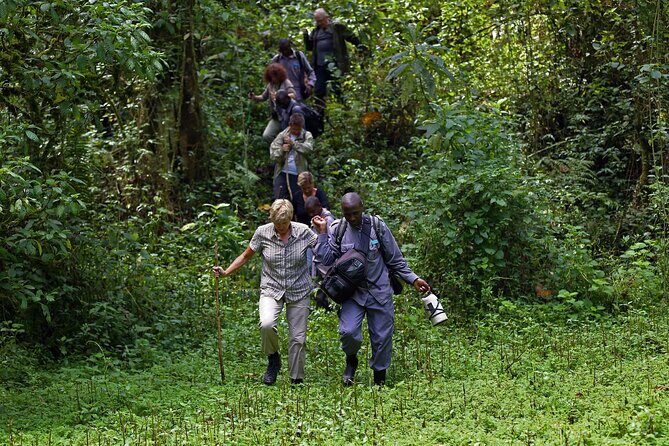
Once you meet your guides at headquarters, the real work starts. This trek can be fairly strenuous, sometimes taking up to 3 hours or longer. You’re at a relatively high altitude, and you’ll be moving through light mountain forest on the slopes of the Virunga.
Here’s the practical translation: you don’t need to be an athlete, but you do need to be comfortable walking uphill at a steady pace for hours. Trekking usually means uneven ground, roots, and sudden changes in elevation. It’s not a flat nature walk with a stroller pace.
A ranger is part of the experience, and you’ll follow the tracking process with your guide. The best part is that it doesn’t feel like you’re just hiking toward a viewing platform. Every turn in the trail can matter because gorillas are moving, and tracking is about keeping contact with their path—quietly and carefully.
The gorilla encounter: the one-hour rule and how to get the most
When you spot the gorillas, you’re allowed to spend up to one hour watching them in their natural habitat. In some cases, you may get within meters of the families. That’s close enough for you to notice how they move, how they pause, and how the group functions as a unit.
This is where the tour’s structure matters. The contact limit exists for a reason: overexposure to humans is harmful to mountain gorillas. Your time may also end early if the gorillas become agitated and retreat into the bush. That means you can’t plan on a dramatic, slow-motion movie scene. You have to be ready for the animal’s tempo.
So how do you make the most of the hour?
- Stay calm and still when you’re asked to.
- Keep noise down and follow ranger instructions fast.
- Use your phone/camera sparingly—because watching is the goal, not documenting your steps.
Also, don’t underestimate how emotional the encounter is. One hour can feel short or too fast depending on the family and the moment. Your job is to be present.
A few more Kigali tours and experiences worth a look
Private transport in a day like this: comfort is not a small thing
This isn’t a pack-bus style transfer. You get private transport in a 4×4 customized land cruiser or safari van. For a day that starts at 3:00 AM and includes hours of walking at altitude, privacy and reliability matter more than you’d think.
You’re not just riding to the park—you’re saving energy and avoiding the extra stress of coordinating schedules with strangers. It’s also a better setup for timing your return, especially if you need to reach Kigali with enough time for onward travel.
Lunch, return drive, and getting back to Kigali on time
After the trek and the gorilla viewing window, you’ll return and have lunch in town. Then you’ll proceed back to Kigali.
If you’re leaving Kigali, the plan is designed so you can arrive in time to transfer to the airport for your onward flight. If you have extra time, you may also fit in some last-minute shopping before departure. This is a big deal when your itinerary is tight, because gorilla trekking days have a way of absorbing your whole day.
Price and value: how the $450 fits with the $800 permit
The tour price is $450 per person, but the Uganda gorilla permit is not included and is listed separately at $800 per permit.
That means your gorilla experience budget is closer to $1,250 per person once you add the permit. The permit is the major cost driver because it directly funds conservation and controls access. You can’t sidestep it with a cheaper tour, and you shouldn’t—because it’s the system that makes gorilla trekking possible in a controlled way.
So is the $450 tour fee good value? In context, it includes:
- Park entrance fee
- Hotel pickup and drop-off
- Ranger
- Lunch
- Bottled water
- Walking stick
- Fuel expenses
It also includes private, early-morning transport and on-the-day coordination. Compared to many tours where you pay extra for guide services, transport, and meals, this package looks like the tour portion is reasonably packaged. You’re paying for logistics and safety rails—not just a driver.
What to bring (so you don’t end up improvising in the forest)
The list is practical, and it should guide your packing:
- Hiking shoes (not thin sneakers)
- Long pants
- Rain gear (weather can shift fast)
- Sunglasses and sunscreen
- A scarf (useful for dust/cold and general comfort)
- Water (even though bottled water is included)
- Snacks
- Optional but smart: anything for sun and light rain management
Also, keep in mind the park’s health rule: if you show signs of obvious illness, park authorities may refuse entrance. That’s not a vibe issue—it’s a protection issue for the gorillas and the people working with them.
Who should book this one-day plan
This is a strong choice if you:
- Want a true short-stay gorilla option from Kigali
- Are comfortable with an early start and a moderately strenuous hike
- Prefer private transport and tight coordination over group logistics
- Want an English-speaking guide and ranger-led tracking
It may be less ideal if you:
- Have mobility limits or low stamina for uphill, high-altitude walking
- Hate waking up at 3:00 AM with no negotiation
- Are hoping for guaranteed, extended viewing regardless of gorilla behavior (the one-hour cap is real, and animals decide the ending)
Should you book this gorilla trek?
If your priority is seeing mountain gorillas without spending multiple nights in the region, I think this one-day itinerary makes a lot of sense. The combination of private transport, ranger-led tracking, breakfast/lunch support, and the way the team handles the border and park steps is exactly what you want for a day this intense.
If your budget can stretch to the permit reality and you’re ready for a tougher-than-expected hike, booking is a yes. If either the altitude pace or the early morning would be a deal-breaker, then I’d think twice and look for a version with more buffer time and better physical fit.
Either way, treat the gorillas with patience and respect. The best day is the one where you follow the rules quickly, breathe, and watch like it matters—because it does.
FAQ
How long is the gorilla trekking tour?
The tour duration is listed as 1 day.
What time is pickup from Kigali?
Pickup from your hotel in Kigali is at 3:00 AM.
Where does the trekking happen?
The trekking takes place in Mghahinga National Park in Uganda.
What’s included in the $450 price?
Included items are park entrance fee, hotel pickup and drop-off, ranger, lunch, bottled water, walking stick, and fuel expenses.
Is the gorilla permit included?
No. The Uganda Gorilla permit is not included and is listed at $800 per permit.
How long do you get to watch the gorillas?
You can spend up to 1 hour watching the gorillas after spotting them.
What should I bring for the trek?
You’re advised to bring hiking shoes, long pants, rain gear, sunglasses, sunscreen, a scarf, water, and snacks.