REVIEW · KAMPALA
7 Days Flying Gorillas and Wildlife Safari Uganda Private Tour
Book on Viator →Operated by MANDELA SAFARI HOLIDAYS · Bookable on Viator
Killer wildlife days. This 7-day private safari-and-primates route lines up gorilla trekking, chimpanzee tracking, and classic park sightings with solid time management. You’ll move from Kibale’s primate-rich forest to Queen Elizabeth’s game country, then into Bwindi for one of Africa’s most sought-after experiences.
I like how the pace is built around real animal behavior, not just checklists. The morning starts for primates and game drives matter, and this plan makes room for it. I also like that the trip bundles the big permits and park entry into the price, so you spend less time chasing paperwork while in Uganda.
One thing to consider: the day that includes gorillas asks for a real walk in the forest. Depending on where the gorillas are that day, you may be moving for hours, so it’s worth going into the trek with stamina and sensible expectations.
In This Review
- Key things that make this Uganda trip click
- A Gorilla-First Safari That Also Gets You the Chimp Plot Right
- Day-by-Day: What Each Stop Really Feels Like
- Kibale Forest National Park: Primate Capital, Plus an Easy First Day
- Bigodi Wetlands Sanctuary: The Bird-and-Primate Bonus Walk (Optional)
- Chimpanzee Tracking in Kibale: Where the Briefing Turns Into Behavior Watching
- Queen Elizabeth National Park: Kazinga Channel Boat Safari and Water-Wildlife Magic
- Game Drives in the Kasenyi and Kabatoro Sectors: Predator and Herd Time
- Ishasha Tree-Climbing Lions: A Specific Target, Not a Guess
- Bwindi Impenetrable Forest: Gorillas First, Then the Forest’s Other Characters
- Settling Into Bwindi: A Lodge Base in Gorilla Country
- Gorilla Trekking Day: Early Paperwork, Then the Walk
- Second Bwindi Day: A Buffer Day That Makes Your Whole Trip Feel Better
- Your Money’s Worth: Price, Permits, and the Hidden Costs This Tour Saves You
- Guide Quality and Planning: The Part You Only Notice When It’s Done Well
- Who This Tour Fits Best—and Who Might Want a Different Plan
- Should You Book 7 Days Flying Gorillas and Wildlife Safari Uganda?
- FAQ
- What’s included in the tour price?
- Do I need to pay for gorilla and chimp permits separately?
- Is Bigodi Wetlands part of the fixed plan?
- How long is the gorilla trekking walk?
- What wildlife experiences are included besides primate trekking?
- Are international flights included?
- What’s the cancellation policy?
Key things that make this Uganda trip click
- Gorilla and chimp permits plus park fees are included, along with private transport and one internal flight
- Kazinga Channel boat safari in Queen Elizabeth is timed for wildlife viewing, especially hippos and crocodiles
- Tree climbing lions are a specific target when you pass through Ishasha
- You get multiple game-drive sectors, including Kasenyi for predator action and Kabatoro for big herds
- A chance to add Bigodi Wetlands (optional) for birds and extra primate sightings
- The tour is private, so your timing and comfort are easier to manage than on mixed group tours
A Gorilla-First Safari That Also Gets You the Chimp Plot Right
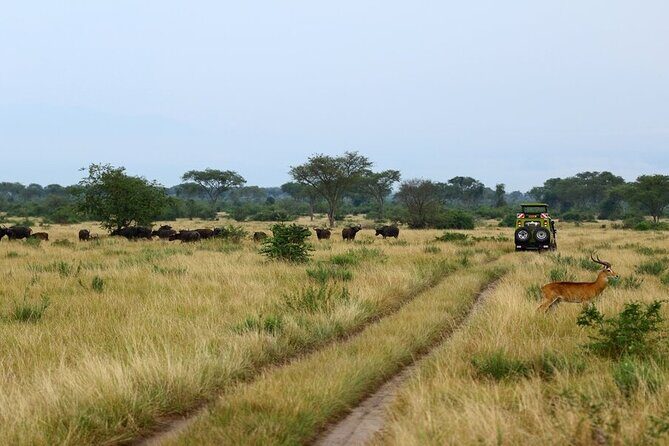
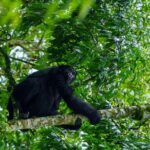
Uganda can feel like a lot when you first land—new language rhythm, new roads, and big distances—but this kind of primate-focused itinerary helps you keep your head. You’re not only chasing a single highlight. You’re stacking two of the most in-demand tracking experiences: chimpanzees in Kibale and mountain gorillas in Bwindi.
What I like most is that the day structure respects how primate trekking actually works. Chimp tracking is all about the moment you meet them in the forest, and gorilla trekking is even more sensitive to timing. When a tour builds early starts and clear briefings into the plan, it reduces stress. You’ll also get a full hour with gorillas once you’re with them, which is the time that turns a “sighting” into a memory you’ll talk about for years.
The other smart piece is that your wildlife time doesn’t end when primates do. Queen Elizabeth National Park brings in game drives and the Kazinga Channel boat ride, with a strong chance of seeing hippos up close and large mammals along the water.
You can also read our reviews of more private tours in Kampala
Day-by-Day: What Each Stop Really Feels Like
Kibale Forest National Park: Primate Capital, Plus an Easy First Day
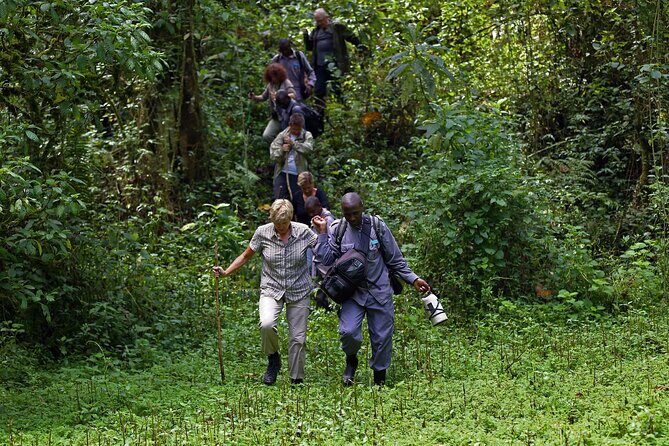
You start in Kampala and head to Kibale Forest National Park, often described as the prime place for primates. This is where the trip earns its credibility. Kibale isn’t just “a forest with monkeys.” It’s home to 13 primate species, including things like mangabeys and colobus monkeys, plus the smaller extras birders enjoy—like butterfly species and lots of birdlife.
On arrival, you’ll check in, eat lunch, and relax. That matters. On safari, the first day isn’t about forcing big energy on day one. It’s about getting set with the lodge, sleeping well, and then being ready for the early primate track the next morning.
The best value on day one is that it gives you time to adjust without wasting your Uganda days. Even when the “big” tracking is next, you’re still landing in the right ecological zone.
Bigodi Wetlands Sanctuary: The Bird-and-Primate Bonus Walk (Optional)
After your Kibale forest day, you have an option to do a Bigodi swamp walk. Bigodi sits right by the forest edge, so you can occasionally spot primates as they move through or near the wetlands.
This stop is also bird heaven—fish eagles, herons, kingfishers, bee eaters, and more. If you’re even mildly into birds, this is one of those add-ons that can turn a good trip into a detailed trip.
The only caution: because it’s described as optional, make sure you don’t treat it as guaranteed. If you’re exhausted after transport days, you might prefer an easier afternoon.
Chimpanzee Tracking in Kibale: Where the Briefing Turns Into Behavior Watching
The chimp day starts early. You go to Kyanyanchu Park headquarters for briefing—then you enter the tropical rainforest looking for chimpanzees, your “man’s closest relatives” in the practical sense that you’ll see how social they are.
Once you locate them, you get a full hour observing their behavior. That’s the part you should pay attention to. It’s not a quick passing look. A full hour gives you time to notice details: how groups move, how they react to sounds and movement, and how their body language shifts over time.
You’ll also notice something about the trekking style here: you’re moving through rainforest with a focus on finding, then watching. It’s not only about walking hard—it’s about being patient, staying quiet, and reading the guide’s direction.
A few more Kampala tours and experiences worth a look

Queen Elizabeth National Park: Kazinga Channel Boat Safari and Water-Wildlife Magic
Then you move into Queen Elizabeth National Park with views over the Rwenzori Mountains on the way. Locals call these mountains the mountains of the moon, and even if you never focus on geology, the sight of that big backdrop helps you understand why this region feels like more than a safari loop.
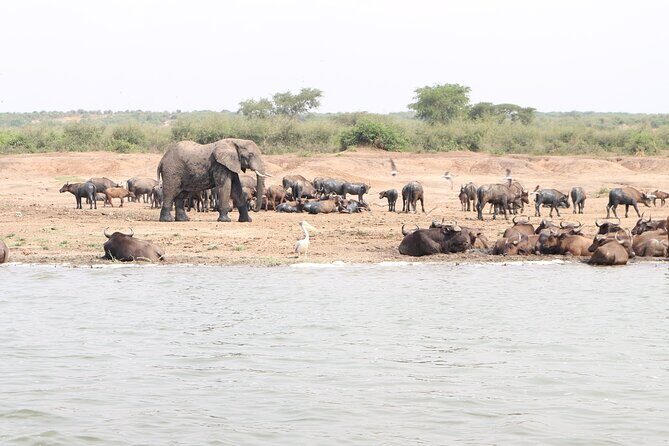
In Queen Elizabeth, your day includes a Kazinga Channel boat safari. This channel connects Lakes George and Edward, and it’s famous as a hippo paradise. Translation: when conditions are good, hippos can be plentiful, and the whole waterline ecosystem becomes active.
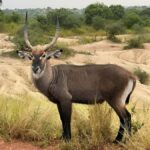
You’re searching for crocodiles, hippos, elephants, buffaloes, waterbucks, and water birds. For many people, the boat safari is the “wow, I didn’t expect that” moment because you’re seeing big animals from a different angle than you get on land drives.
One practical tip: bring a light layer. Boat time can feel cooler, and you’ll often want to stay comfortable while you scan the water and shoreline.
Game Drives in the Kasenyi and Kabatoro Sectors: Predator and Herd Time
Queen Elizabeth isn’t one single “track.” It’s a bunch of sectors with different animal rhythms.
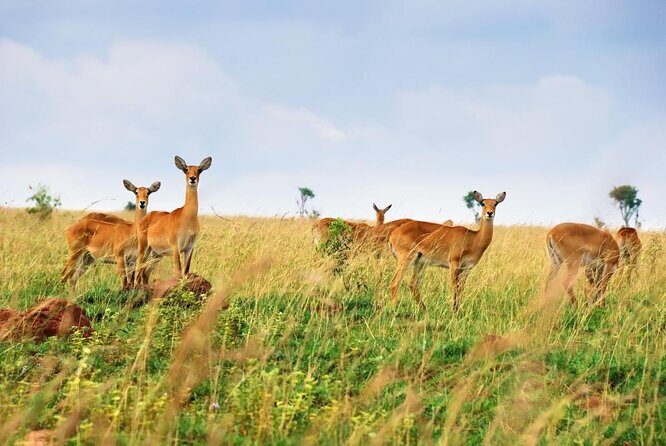
You’ll do a morning game drive around the Kasenyi sector, described as a mating ground for antelopes—and therefore a hunting ground for predators like lions and leopards. That makes sense in real wildlife terms. When prey concentrates, predators turn up around it.
After lunch, you’ll do an evening game drive around Kabatoro sector, known for large herds of elephants, buffaloes, and waterbucks. Evening drives are often where animals look more relaxed and visible, because you’re not dealing with midday heat as much.
This “two-sector” approach is a strong value. You get predator possibility in the morning and big-herd sightings later. One drive type alone can feel hit-or-miss. Two drive types usually give you more variety.
Ishasha Tree-Climbing Lions: A Specific Target, Not a Guess
Next, you travel to Bwindi via Ishasha, the southern sector of Queen Elizabeth National Park. Ishasha is known for rare tree climbing lions.
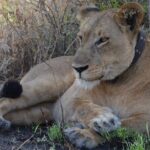
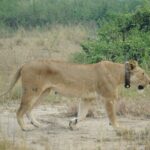
So instead of “maybe lions,” you’ve got a specific ecological behavior to watch for: big cats lazing in fig trees. That’s the kind of detail that makes a safari feel more focused. You’re not just driving and hoping. You’re looking for a known pattern.
Wildlife you might also encounter includes elephants, buffaloes, topi, waterbucks, and leopards. The mix is helpful because Ishasha sightings can vary day to day—so you aren’t stuck waiting for one species only.
Bwindi Impenetrable Forest: Gorillas First, Then the Forest’s Other Characters
Settling Into Bwindi: A Lodge Base in Gorilla Country
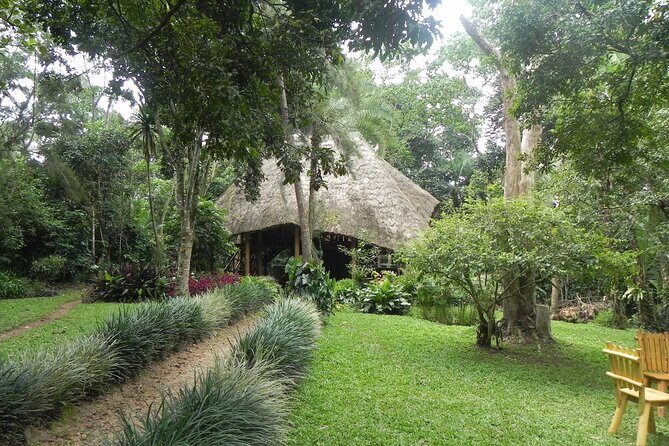
Bwindi Impenetrable Forest is where mountain gorillas live in the wild, and you’ll spend two days in this region. The plan keeps you close to the action by staying in lodges within good access to the trekking areas.
The practical win here is less time in transit and more time readying yourself for the trek. Bwindi also comes with a natural “wake up in the right mood” factor. When the forest closes around you, you feel like you’ve reached the real thing.
Gorilla Trekking Day: Early Paperwork, Then the Walk
On gorilla day, you wake early, do park headquarters paperwork, and get briefed about gorilla trekking rules. That briefing matters because it sets the tone for how you behave once you find the family group.
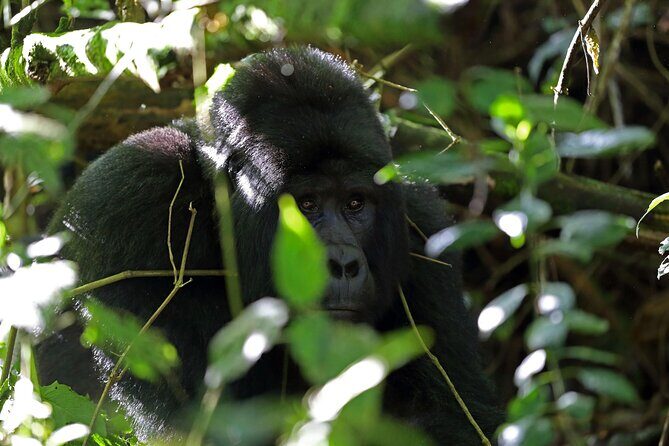
Then you enter the impenetrable forest. Expect a walk that can be from one to six hours depending on where the gorillas are found. That range is big, so plan for physical variability. I think of it like this: your fitness goal is not to “finish the walk fast.” Your goal is to walk steadily, breathe, and keep going as the forest conditions and animal location dictate.
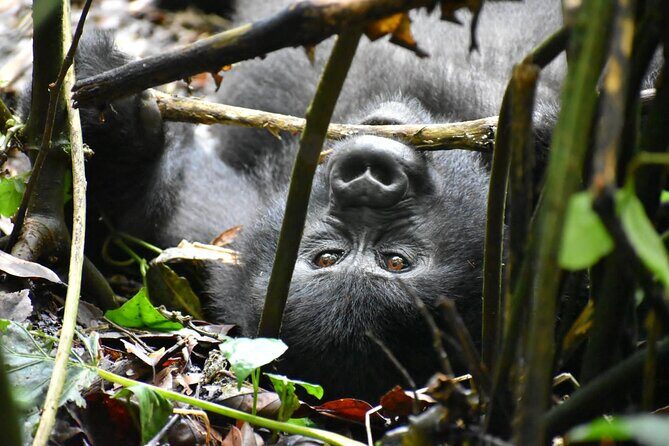
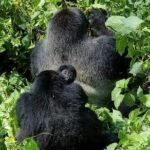
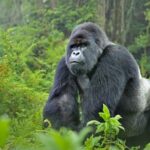
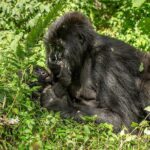
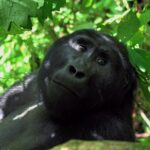
Once you encounter gorillas, you get a full hour to associate with them. This is the key part of the whole trip. A gorilla sighting isn’t just about seeing. The time is long enough to notice group interactions and how calmly they carry themselves even when they’re surrounded by humans observing at a respectful distance.
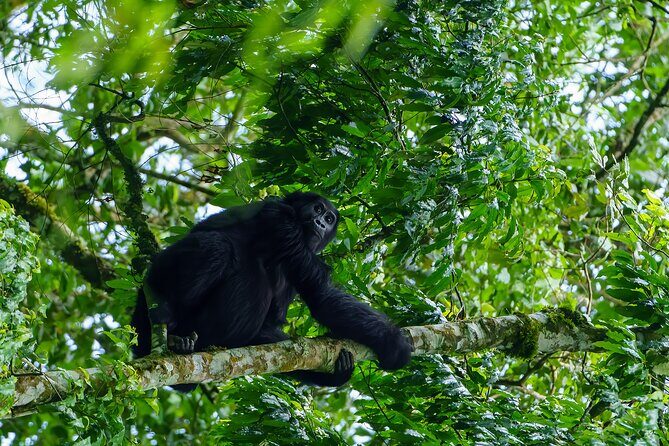
You’ll also likely see other wildlife because the forest is full of creatures beyond gorillas. The trip mentions black-and-white colobus monkeys, L’hoest’s monkey, bushbucks, olive baboons, forest elephants, and many bird species. That’s another reason gorilla treks work so well: even when the gorillas are your target, the walk can still be rewarding.
You may also visit a Batwa community (the original inhabitants of Bwindi Forest). This can add a human layer to the day, helping you understand how people have long lived alongside this forest environment.
Second Bwindi Day: A Buffer Day That Makes Your Whole Trip Feel Better
The structure gives you a second day after the main gorilla experience. Instead of racing out immediately, you get time to absorb what you saw, recover a bit, and still have a meaningful final day.
On your final day, you check out and drive to Kihihi Airstrip for a domestic flight to Entebbe. That aerial view is your “final set of frames” moment, showing Uganda as a green country from above, before you end the trip.
Your Money’s Worth: Price, Permits, and the Hidden Costs This Tour Saves You
At $4,410 per person for about seven days, this isn’t a budget safari. But it’s also not just “big country driving and hope.”
The value comes from what’s included:
- Gorilla and chimpanzee permits and all park entrance fees
- Private transport and one internal flight
- Meals (breakfast, lunch, and six dinners listed)
- A private tour format, meaning your group shares one route rather than blending into a large schedule
Permits are expensive for a reason: access is controlled, and the wilderness rules are strict. When those permits are already covered, you avoid the common frustration of piecing together costs on the fly.
The internal flight also matters. Uganda is a long-drive country in many directions, and reducing road time can be a quality upgrade, especially after trekking days. It doesn’t make the trip cheaper, but it makes it more comfortable.
What’s not included:
- International flights
- Anything marked optional in the itinerary (for example, Bigodi Wetlands is described as an option)
If you want the “big three” of Uganda primates plus a real wildlife circuit, you should see this as a well-scoped package. If you’re trying to minimize walking days or prefer a slower pace, you might find the schedule a bit tight around trekking energy.
Guide Quality and Planning: The Part You Only Notice When It’s Done Well
One of the most repeated themes in the provided feedback is planning that feels meticulous and guided by real expertise. In particular, Daniel is named in one account as a guide with deep knowledge and comfort in handling what the group wants out of the trip.
That kind of guidance is what makes primate days smoother. A good guide helps you:
- understand behavior and conservation-minded rules
- manage expectations while you search
- make sense of what you’re seeing in the forest and on drives
Also, easy communication and a smooth booking process show up as a real-world comfort factor. Safari travel isn’t the time to wrestle with confusion. When logistics run cleanly, you can stay focused on the animals and the moment.
Who This Tour Fits Best—and Who Might Want a Different Plan
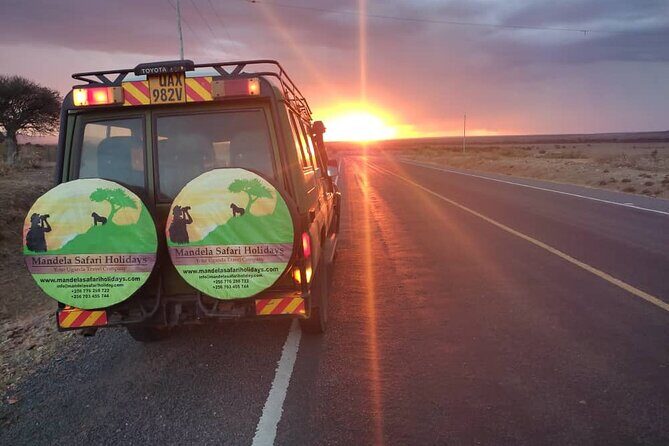
This tour is a strong match if you want:
- Gorilla trekking and chimp tracking in the same trip
- Classic wildlife variety: Kazinga boat safari plus game drives
- An itinerary that targets specific things like tree climbing lions
- A private format where your group’s pace is easier to manage
It’s also a decent match for many travelers because it says most travelers can participate. The walking range for gorillas is still the key physical reality check, so if you’re managing mobility limits, you’ll want to think carefully.
Should You Book 7 Days Flying Gorillas and Wildlife Safari Uganda?
If you’re serious about primates and you want the Uganda highlights without turning the trip into a logistics puzzle, I’d say yes. The included permits, park fees, private transport, and internal flight reduce the friction that often drains energy on complex trips. The sequence—Kibale for chimps, Queen Elizabeth for game and water wildlife, Bwindi for gorillas—also makes geographical sense.
Before you book, be honest about your comfort with walking. Gorilla trekking can be one to six hours. If you can handle that range and you’re okay with early starts, you’ll likely come away feeling you got the full Uganda primate experience, not just a drive-by.
And if a guide like Daniel is part of your group, that planning-and-knowledge piece can turn an already amazing itinerary into something that feels genuinely well run.
FAQ
What’s included in the tour price?
The price includes gorilla and chimpanzee permits, all park entrance fees, private transport, and 1 internal flight, plus meals listed as 6 breakfasts, 6 lunches, and 6 dinners. Mobile ticket and pickup are also offered.
Do I need to pay for gorilla and chimp permits separately?
No. Gorilla and chimpanzee permits are included, along with park entrance fees.
Is Bigodi Wetlands part of the fixed plan?
Bigodi Wetlands Sanctuary has an option for a swamp walk. Since it’s described as an option, you should confirm whether you want it for your dates, as optional items aren’t listed as included.
How long is the gorilla trekking walk?
After the briefing at Bwindi headquarters, you enter the forest and should expect a walk of about one to six hours depending on where the gorillas are found.
What wildlife experiences are included besides primate trekking?
You’ll have game drives in Queen Elizabeth National Park (including Kasenyi and Kabatoro sectors), a boat trip on the Kazinga Channel, and you’ll pass through Ishasha, known for tree climbing lions.
Are international flights included?
No. International flights aren’t included, but there is 1 internal flight during the trip.
What’s the cancellation policy?
You can cancel for a full refund if you cancel up to 24 hours in advance of the experience start time. If you cancel less than 24 hours before, the amount paid is not refunded.