REVIEW · KAMPALA
3 Days gorilla trekking Safari tour in Uganda
Book on Viator →Operated by Dav Safaris · Bookable on Viator
Mountain gorillas meet Uganda’s tough roads.
This 3-day safari is built around a private guide and a comfortable 4×4 drive through changing scenery on the way to Bwindi Impenetrable National Park. I also like the way the company lines up real local support: in recent experiences, guides such as Hudson and Joyous were praised for calm driving and sharing context so you know what you’re looking at. The main thing to consider is time and effort—road days are long, and the trek itself can take from 1 to 6 hours, sometimes at altitude over 7,500 feet.
What really sells this trip for me is the value shape. The price bundles the big items you’d otherwise have to track down: the gorilla permit plus 2 nights of accommodation and meals, along with a Batwa community visit and a Lake Bunyonyi canoe ride. That lets you focus on the day itself instead of doing cost math in the background—just remember that tips and personal expenses are not included, and the schedule can feel like a lot of moving.
In This Review
- Quick hit takeaways before you go
- Bwindi gorillas, Uganda style: why this plan works
- Price and Logistics: what $2,600 buys you (and what it doesn’t)
- Day 1: Entebbe to Bwindi, with Batwa culture on deck
- Day 2: Morning briefing, then gorilla tracking in Bwindi
- Day 2 tip: how to prepare mentally for a 1-to-6 hour trek
- Day 3: Lake Bunyonyi canoe ride and the return to Entebbe
- Comfort on the road: 4×4 transport and private guide focus
- Batwa community visit: why it’s worth your attention
- Lake Bunyonyi canoe ride: the reset after the trek
- Who this 3-day Uganda gorilla trek is best for
- Main drawback to plan around: stamina and scheduling
- Should you book this gorilla trekking safari?
- FAQ
- How long is the gorilla trekking part?
- What’s included in the price?
- What’s not included?
- Do I need to buy the gorilla permit separately?
- What time will I be at Entebbe on the last day?
- Is this tour private?
Quick hit takeaways before you go
- Permit and key costs are included: gorilla permit, 2 nights lodging, and most meals.
- Private setup for your group only: your guide and driver focus on you.
- Long drives with scheduled breaks: plan for big day-time hours on Day 1 and the Day 3 return.
- Trek time is variable: 1 to 6 hours depending on the gorilla family and altitude over 7,500 feet.
- You get more than gorillas: Batwa culture + canoe time on Lake Bunyonyi.
- Timing matters for flights: you’re dropped near Entebbe around 6 pm on Day 3.
Bwindi gorillas, Uganda style: why this plan works
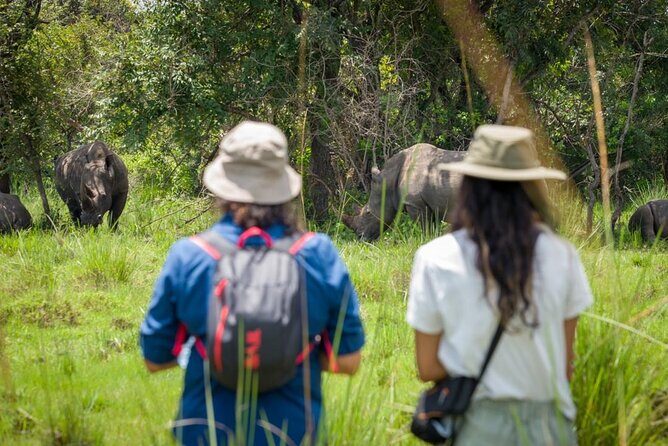
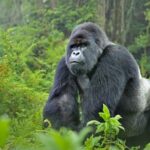
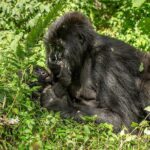
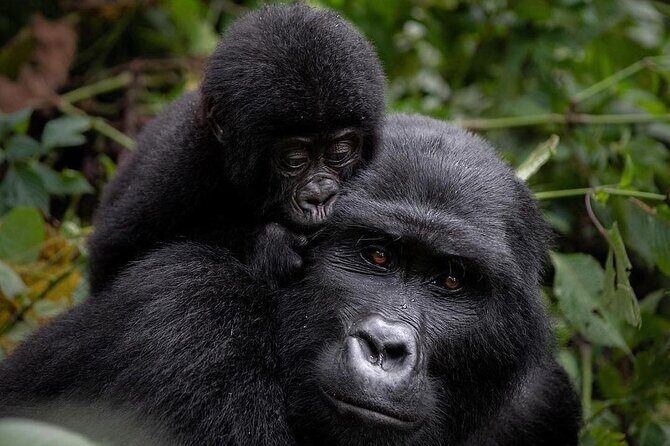
Gorilla trekking in Uganda is not like clicking a box on a wildlife checklist. You’re going into forest country where the rules of the day are set by the gorillas themselves—where they move, how quickly you find their family, and how fast you can walk on steep ground.
That’s exactly why I like this itinerary. It gives you a full day to track gorillas in Bwindi without cramming in extra park stops that dilute the experience. Then it balances the physical day with two gentler-but-still-meaningful pieces: a cultural visit with the Batwa community and time on Lake Bunyonyi by canoe.
It’s also built around a private guide. In safari terms, that matters. People have praised guides like Benjamin and Richard for helping with logistics on the ground and for driving with confidence. On a route where roads can be long and the timing is tight, a driver who stays focused keeps the trip from feeling chaotic.
You can also read our reviews of more hiking tours in Kampala

Price and Logistics: what $2,600 buys you (and what it doesn’t)
At $2,600 per person for an approximately 3-day experience, it’s not a budget safari. But it’s closer to a “you’re paying for access” trip than a “pay for transportation and hope for the rest” deal.
Here’s what’s included, based on the tour details:
- Gorilla permit per person
- 2 nights accommodation with meals (breakfast, lunch on 2 days, dinners on 2 nights)
- 4×4 WD transport in a tourist vehicle
- English-speaking safari guide
- Drinking water in transit
- Batwa community tour
- Canoe ride on Lake Bunyonyi
- Lunch and dinner planning across the itinerary, including lunch on the return day
What’s not included:
- International flight
- Tips/gratuities
- Personal expenses (phone bills, purchases, and other personal items)
- Personal insurance
Value check: the gorilla permit is one of the biggest cost drivers in Uganda gorilla trekking. Adding permits, lodging, and meals into the package means you’re less likely to get hit later with surprise add-ons. For me, that’s the difference between “expensive but worth it” and “expensive and stressful.”
Day 1: Entebbe to Bwindi, with Batwa culture on deck
Day 1 starts with an airport meet at Entebbe International Airport (EBB). A Dav Safaris staff member meets you and briefs you. Then you’re on the road for about 7 hours, with a lunch stop along the way.
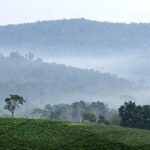
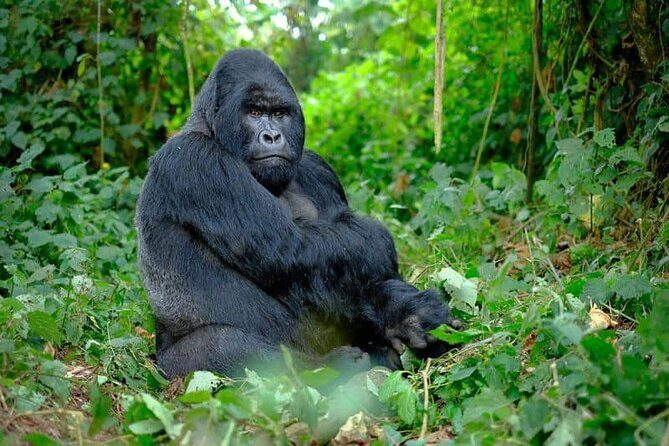
This isn’t a straight “highway to the park” transfer. You’ll pass through different regions and feel the height and terrain change as you head toward Bwindi and the Kigezi area, which is often described for its rolling, terraced hills. It’s a long drive day, but it’s also one where you can actually notice why the route matters: mountain gorillas depend on this specific forest ecosystem, and the terrain you cross is part of the story.
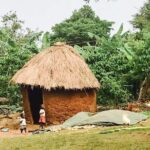
When you arrive in Bwindi, you check in at the lodge. Then you head to the Batwa community for a cultural adventure centered on forest pygmies—an opportunity to learn how people historically related to the forest environment.
Practical note: because Day 2 is the trekking day, Day 1 is intentionally paced. You spend the rest of the day with leisure time, which is smart. You want your body and mind rested before the forest.
Day 2: Morning briefing, then gorilla tracking in Bwindi
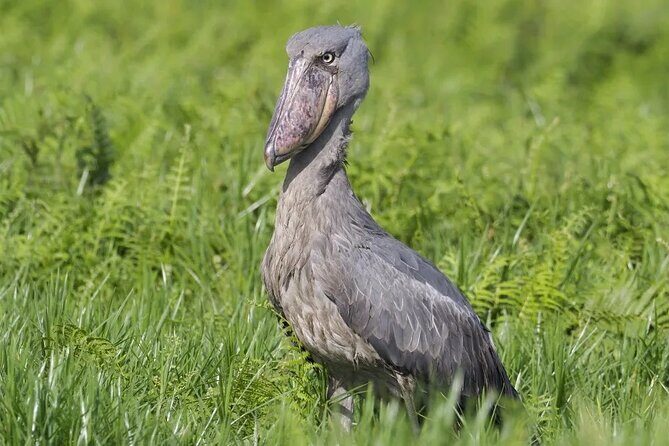
This is the day. The rhythm matters.
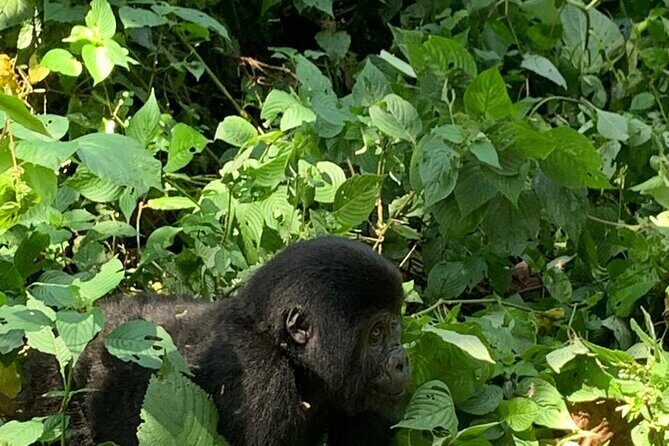
You start with early breakfast, then you have a picnic lunch. Next comes the briefing at the park offices where you meet local guides and trackers. They go over gorilla trekking etiquette—how to behave when you’re close, what not to do, and how to keep the interaction safe for both you and the gorillas.
Then you hike into the forest to begin tracking. The plan uses a practical approach: you track from a spot where gorillas were seen the previous night. That gives your group a head start instead of guessing from scratch.
How long is the trek? The tour says it can take anything from 1 to 6 hours, depending on:
- where the gorilla family is that day
- altitudes, which can be in excess of 7,500 feet
That variability is normal for gorilla trekking. The forest is not a theme park, and gorillas don’t care about your schedule. Your guide and trackers focus on locating the family and managing the group once you’re in range.
One more reason your guide matters here: people often focus on the tracking itself, but the “in-between” is where the experience can feel smooth or stressful. In past experiences with Dav Safaris, guides like Hudson and Adams received praise for staying organized and for helping people feel safe on the drive and on the timeline.
Day 2 tip: how to prepare mentally for a 1-to-6 hour trek
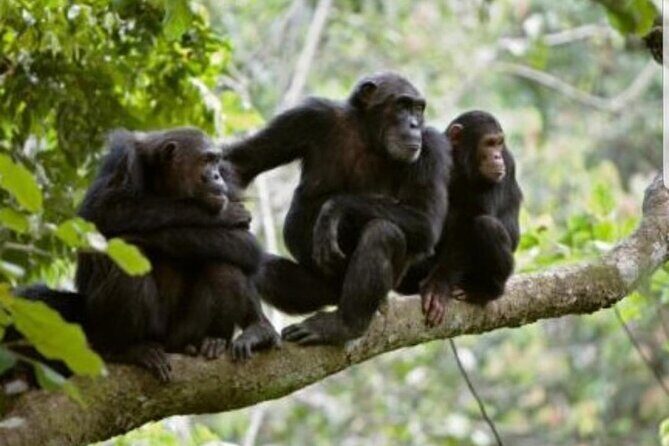
Even if the trekking time varies, you can still set yourself up to feel in control.
I suggest you treat the trekking day like a mountain hike with wildlife stakes: start steady, keep your breathing calm, and plan to move at the pace of the group. Altitude over 7,500 feet can change how quickly you feel out of breath, even if you’re reasonably fit. The trackers decide route choices based on where the gorillas go, not based on your comfort level.
Your private guide’s job is also to keep you calm and oriented. When people mention guides feeling level-headed and organized—like Bornlight in past experiences—it usually means the day feels less like chaos and more like a guided process.
A few more Kampala tours and experiences worth a look
Day 3: Lake Bunyonyi canoe ride and the return to Entebbe
Day 3 starts after breakfast, then you work your way back toward Entebbe and Kampala. This is another long drive day—about 8 hours—plus a few stops along the way, including lunch en route.
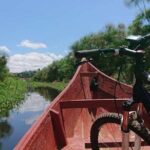
One of the best “end on a good note” pieces here is the Lake Bunyonyi canoe ride. Even though canoe time is short compared to a trek, it changes your pace. It gives you a quiet break after the forest exertion, with a different kind of scenery and a chance to reflect.
On the return route, there’s also a stopover at the equator line for experimentation. It’s a fun reset moment, and it helps break up the miles.
You’ll arrive late evening and get dropped at Entebbe International Airport at about 6 pm. That’s important: if you fly out the same day, plan for an evening departure. If your flight is earlier, you’ll feel rushed, and that’s the opposite of what you want after gorilla trekking.
Comfort on the road: 4×4 transport and private guide focus
Uganda gorilla trekking is not just about the forest day. It’s about the journey to the forest.
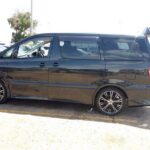
This tour uses a 4×4 WD tourist vehicle for transfers. That doesn’t magically turn long hours into a breeze, but it does keep you in the right vehicle for the terrain and helps reduce the “we’re getting tossed around” stress factor that some overland trips create.
Private means you’re not sharing your guide’s attention with a dozen unrelated parties. In the reviews, people highlighted how guides handled driving confidence and safety—names that came up include Benjamin, Joyous, Richard, and Chris. Even when the highlights are about gorillas, the transport experience affects your energy level on the trek day.
In short: if you want the gorilla day to feel focused and not rushed by logistics, the private setup and 4×4 transfer plan is doing real work behind the scenes.
Batwa community visit: why it’s worth your attention
The Batwa visit is more than an add-on. It connects the gorillas to the people who have long lived with and depended on the forest ecosystem.
You’ll head to the Batwa community after checking in on Day 1. The tour frames this as a cultural adventure about forest pygmies. I like that it happens right after your long drive. You get a structured welcome to the region instead of ending the day in your room thinking only about tomorrow’s trek.
If you care about how conservation and local communities intersect, this is one of the spots in the itinerary where your time can feel especially meaningful—because it shifts you from wildlife watcher to ecosystem listener.
Lake Bunyonyi canoe ride: the reset after the trek
Lake Bunyonyi sits in the “slow down” category of activities. A canoe ride won’t replace the emotional punch of gorillas, but it’s a great counterweight to a forest day.
The key thing is how it changes your body. After the trek, your legs feel it. Canoeing gives you a different kind of movement, mostly controlled and relaxed. It also helps you end the trip with calm rather than sprinting into the return drive feeling wiped out.
Because it’s included, you don’t have to negotiate time or costs at the last minute. That matters if you’re traveling on a tight schedule.
Who this 3-day Uganda gorilla trek is best for
This tour fits best if you:
- want a focused 3-day plan centered on Bwindi gorilla trekking
- prefer private guidance and a “your pace, your group” feel
- value cost clarity (permits and major items included)
- don’t mind long drive days (about 7 hours Day 1 and around 8 hours Day 3)
- are okay with variable trekking time from 1 to 6 hours at altitude
It’s also a solid choice if you want more than gorillas. Batwa culture and Lake Bunyonyi canoe time make it feel like a whole mini-safari, not a one-day event stapled to a transfer.
Main drawback to plan around: stamina and scheduling
If I had to pick one thing that could challenge you, it’s the combination of long road days and a trek that can range from 1 to 6 hours at altitude.
Even if you’re active, altitude and forest terrain can turn “just walking” into real effort. Also, Day 1 and Day 3 are both long. If you hate early mornings or long drives, this itinerary might feel like too much.
If you’re flexible, though, it becomes part of the rhythm: you travel, you rest, you trek, you reset, then you return.
Should you book this gorilla trekking safari?
I’d book it if you want a tidy package where the expensive, essential pieces are already covered: permit, lodging, and meals. The private guide setup and the inclusion of Batwa culture plus Lake Bunyonyi canoe ride help it feel complete.
I’d think twice if you’re strongly budget-focused, hate long car days, or know you struggle with altitude. In that case, you may want a trip that reduces driving time or offers a more flexible trekking structure.
One last decision tip: when you choose your flight, build around the Day 3 airport drop near 6 pm. That detail can make the difference between ending your trip relaxed or ending it sprinting.
FAQ
How long is the gorilla trekking part?
The tracking hike can take from about 1 to 6 hours depending on where the gorilla family is and the altitude, which can be in excess of 7,500 feet.
What’s included in the price?
The tour includes 2 nights’ accommodation and meals, transport in a 4×4 WD vehicle, an English-speaking safari guide, the gorilla permit per person, drinking water in transit, a Batwa community tour, and a canoe ride on Lake Bunyonyi.
What’s not included?
Not included are international flights, tips and gratuities, personal expenses, and personal insurance.
Do I need to buy the gorilla permit separately?
No. A gorilla permit per person is included in the tour price.
What time will I be at Entebbe on the last day?
On Day 3, you’ll drive back to Entebbe/Kampala and arrive late evening, with drop-off at Entebbe International Airport at approximately 6 pm. Plan an evening flight.
Is this tour private?
Yes. It’s a private tour/activity, so only your group will participate. Pickup is offered, and you’ll receive a mobile ticket.