REVIEW · KAMPALA
8-Day Murchison Falls, Chimp and Epic Gorilla Trekking Safari
Book on Viator →Operated by Home To Africa Tours and Travel · Bookable on Viator
Uganda’s wildlife moves fast, and this plan keeps up. I like the Zziwa Rhino Sanctuary detour for a real shot at rhino tracking, and I also love that you get two major water-based moments: a boat trip to the base of Murchison Falls and a Kazinga Channel cruise. The one catch is simple: chimp and gorilla permits cost extra, on top of the tour price.
This is built for people who want less guesswork and more sightings. You travel in a comfortable safari vehicle with a full-time English-speaking driver/guide, and the private setup means only your group is involved. If your guide is someone like Derrick or Benon (names that come up often in past trips), the day-to-day flow tends to feel smooth and well timed.
Do note the physical side: chimp trekking and especially gorilla trekking can be demanding. Add in long drives between parks, and you’ll want a moderate fitness level and a flexible mindset.
In This Review
- Key Highlights at a Glance
- The Big Picture: Why This 8-Day Circuit Works
- Day 1: Entebbe Pickup and the Zziwa Rhino Tracking Detour
- Day 2: Murchison Falls Morning Game Drive and Boat to the Base
- Day 3: From Murchison Toward Kibale (Top of the Falls If You Don’t Hike)
- Day 4: Kibale Chimp Trekking at 8:00am (Rules, Then One Full Hour)
- Day 5: Queen Elizabeth Game Drive Plus Kazinga Channel Cruise
- Day 6: Queen Elizabeth to Bwindi via Isasha Tree-Climbing Lion Country
- Day 7: Gorilla Trekking in Bwindi and the Lake Bunyonyi Calm Down
- Day 8: Leave Bunyonyi and Return to Entebbe for Your Flight
- Price and Value: What $3,598 Gets You (and What It Doesn’t)
- What “Private” Means Here (And Why You Should Care)
- Meals, Lodging, and the Water Details That Matter on Safari
- Getting the Most from Your Game Drives and Trek Days
- Who This Safari Suits Best
- Should You Book This 8-Day Murchison Falls, Chimp, and Gorilla Safari?
- FAQ
- Where does this safari start and end?
- How long is the safari?
- What is included in the price?
- Are chimp and gorilla trekking permits included?
- What time does chimp trekking start in Kibale?
- What boat trips are included?
- Is this tour private?
- What are the age and fitness expectations?
- What is the cancellation policy?
Key Highlights at a Glance
- Zziwa Rhino Sanctuary rhino tracking before Murchison: start your trip with one of Uganda’s most special big-animal targets.
- Murchison Falls morning drive + base-of-falls boat trip: get both savannah sightings and dramatic river action.
- Kibale Forest chimps with an 8:00am start and briefing: early timing is part of the game plan.
- Kazinga Channel cruise: a water-route for birds and animals along the shoreline.
- Isasha en route to Bwindi for tree-climbing lions: you’re not just moving; you’re hunting for one of Uganda’s famous oddities.
- Bwindi gorilla trekking followed by Lake Bunyonyi downtime: big effort, then a calmer finish with views of the islands.
The Big Picture: Why This 8-Day Circuit Works
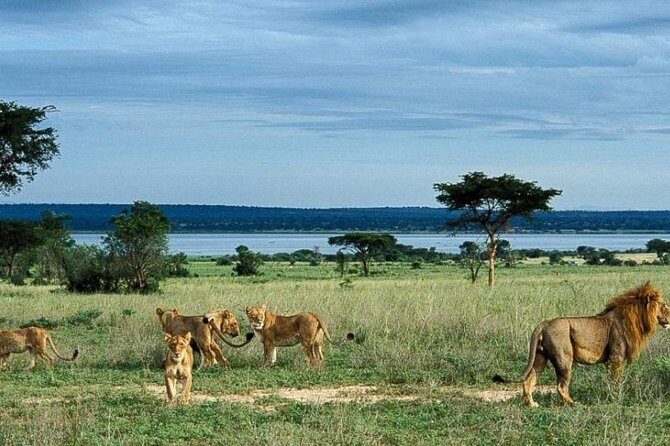
This safari stitches together four protected areas that don’t overlap much in what you see. That matters, because Uganda wildlife isn’t one-note. One day you’re focused on rhinos and savannah mammals near Murchison. Another day is primates in Kibale. Then you shift into wetland-and-plains energy around Queen Elizabeth, and finally you tackle the forests of Bwindi for gorillas.
What makes the route feel efficient is how each day has a clear wildlife “job.” Game drive in the morning. Boat or forest moment in the afternoon. Or in Kibale, a structured chimp trek morning with rules briefing and then a full hour once you locate the chimps. You’re not bouncing randomly; you’re following the rhythms of the animals and the parks.
You can also read our reviews of more hiking tours in Kampala

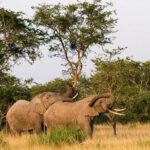
Day 1: Entebbe Pickup and the Zziwa Rhino Tracking Detour
Your tour starts in Entebbe, with pickup arranged from Entebbe International Airport. You drive toward Murchison Falls National Park, but the smart move is the stop at Zziwa Rhino Sanctuary.
That sanctuary detour is valuable because it gives you an early win before you even reach Murchison. Rhino tracking also sets expectations for the trip: expect ranger-led guidance, some waiting depending on animal movement, and a chance to be close enough to feel the weight of a large species rather than just spotting from far away.
Potential drawback: the day is about transit plus one high-impact activity. If you arrive with little sleep, you’ll feel the schedule. The upside is that you start with a memorable species target, not just a road day.
Day 2: Murchison Falls Morning Game Drive and Boat to the Base
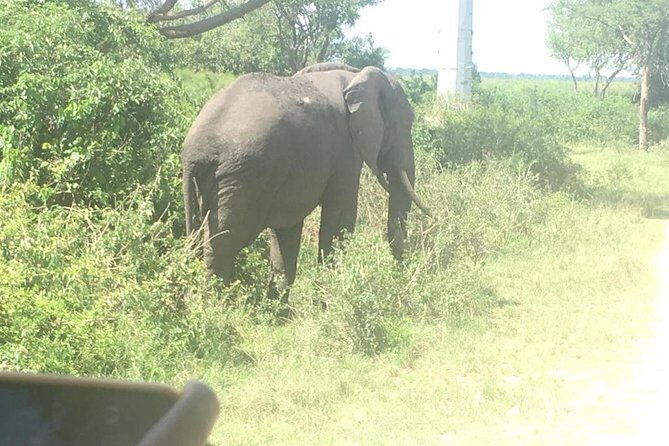
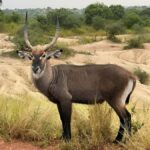
Murchison Falls is the day that sells Uganda to most people. You start with an early breakfast and then a morning game drive in the northern section of the park. This is where savannah-style viewing can deliver elephants, buffalo, waterbucks, giraffes, Uganda kob, and predators when conditions line up.
The list from past guests includes everything from birds to big cats like lions and (if luck is generous) leopards. Even when predators don’t show up, Murchison is still rewarding because the density of wildlife can be high and the habitat is varied enough to keep your eyes busy.
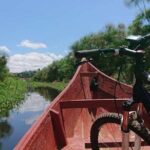
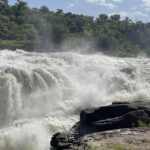
Then you return for lunch and shift to the water for a 3-hour boat trip to the base of the falls. This portion is more than scenery. River edges in Murchison can concentrate animals coming to drink, plus you get birds using the same living corridors.
Small practical tip: bring something for spray and strong sun. The falls area can be loud, windy, and bright. If you’ve got camera gear, think about quick access for changing light.
Day 3: From Murchison Toward Kibale (Top of the Falls If You Don’t Hike)
After Murchison, you head toward Kibale Forest National Park. There’s a fork in the road depending on your energy. You can drive to viewpoints of the top of the falls for a spectacular sight, or if you already hiked earlier, you may skip the viewpoint stop and depart more directly for Kibale.
Either way, the shift matters. Kibale is all about primates. The drive day is your transition from open savannah logic—where you scan and drive—to forest logic—where ranger technique and timing influence what you find.
Once in Kibale, the day sets you up for tomorrow’s chimp tracking with the right vibe: quieter, more patient, and more “watch and listen” than “race and spot.”
Day 4: Kibale Chimp Trekking at 8:00am (Rules, Then One Full Hour)
This is the core primate day. Chimp trekking begins at 8:00am after a briefing on trekking rules. That matters because the chimpanzees are wild animals, and the rules are there to protect both you and them. Expect ranger guidance, group movement in the forest, and strict distance and behavior guidelines.
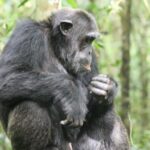
When you locate the chimps, you get a full hour with them. That hour can feel like the entire day in the best way—because you’ll see social behavior you can’t get from a distance. Think feeding, calls, grooming, and movement through the canopy.
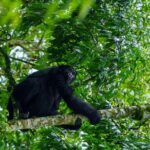
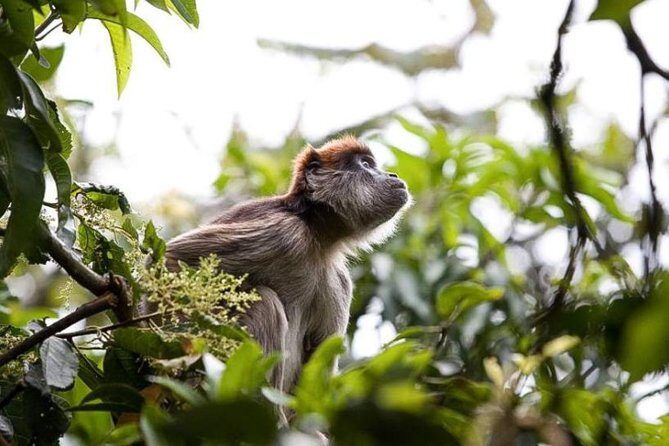
Kibale also has other primates in play, including colobus monkeys, mangabeys, and red-tailed monkeys. Even if chimp viewing is the headline, these other species often add texture to the walk.
After lunch, you then travel on to Queen Elizabeth National Park. Past trip experiences often highlight that the pacing between parks helps keep you from burning out too early, which is crucial on a multi-day wildlife loop like this.
A few more Kampala tours and experiences worth a look
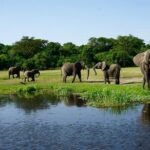
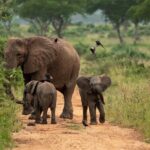
Day 5: Queen Elizabeth Game Drive Plus Kazinga Channel Cruise
Today mixes classic game viewing with one of Uganda’s most famous water corridors: the Kazinga Channel.
In the morning, you do a game drive in Queen Elizabeth. Here, mammals can show up near the park’s open areas and along routes animals use between resting and feeding. Then in the afternoon, you do the boat trip along the Kazinga Channel.
The Kazinga cruise is popular for a reason: it’s a moving platform over a predictable animal route. You’ll likely see shoreline activity, water-focused wildlife, and plenty of birds. If you’re someone who likes wildlife but doesn’t want every day to be long trekking in thick forest, the channel day is a smart balance.
Practical note: boats can mean heat, glare, and long sits. Plan hydration (water is included), and consider sun protection that you can actually use for a few hours.
Day 6: Queen Elizabeth to Bwindi via Isasha Tree-Climbing Lion Country
This is a drive day with a wildlife mission. You exit Queen Elizabeth and transfer to Bwindi Impenetrable National Park through the Isasha area.
Isasha is known for tree-climbing lions, which is exactly the kind of Uganda-specific detail that can make a safari feel like more than a checklist. You may not see them on every trip, but the route is designed to give you a serious chance without adding another whole park to the itinerary.
When you reach Bwindi, the mood shifts again—from savannah pacing to forest anticipation. The gorilla trekking day is coming, so you’ll want energy for the next morning.
Day 7: Gorilla Trekking in Bwindi and the Lake Bunyonyi Calm Down
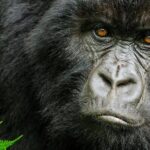
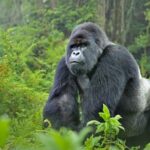
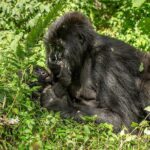
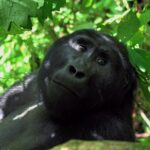
Gorilla day starts early with a ranger briefing before you enter the gorilla sanctuary. The trekking itself can require stamina and patience, because gorillas don’t follow a schedule made for tourists. Your reward is that when you locate them, the experience becomes intensely personal and unforgettable in the literal sense: close-range wildlife viewing in a forest setting.
After trekking, you return to the lodge for lunch. Then you check out and transfer to Lake Bunyonyi.
Bunyonyi is where you land after a physically demanding day. It’s a reset. You get relaxed time after gorilla effort, and many people love that the views can be right there from the property—especially with the little islands visible in front.
If you’re the type who keeps going even when you’re tired, Bunyonyi is a good forced pause.
Day 8: Leave Bunyonyi and Return to Entebbe for Your Flight
Your final day is simple and scenic. You exit Lake Bunyonyi, enjoy a relaxed breakfast with views of the islands, and then continue back to Entebbe Airport for your flight.
This “finish with less pressure” ending matters. It gives your body time to settle after trekking and helps you avoid the feeling that the safari ends in chaos. The driving day back still exists, but it’s paired with a softer morning.
Price and Value: What $3,598 Gets You (and What It Doesn’t)
At $3,598 per person, this safari isn’t cheap. But for an 8-day private multi-park itinerary with primate and gorilla trekking, it’s built around a lot of moving pieces that tend to cost money and time on your own.
Here’s what the price covers according to the package details:
- All meals and accommodation as listed in the itinerary
- Ground transfers in a comfortable safari vehicle, plus hotel/airport pickup and drop-off
- Full-time English-speaking driver/guide
- Boat trips (Murchison base and Kazinga Channel)
- Park-related landing and facility fees plus fuel surcharge
- Water while on safari, plus coffee and/or tea
- All activities that are part of the plan
What you still need to budget:
- Chimp trekking permit: USD 150
- Gorilla trekking permit: USD 600
- Your travel insurance and any personal bills
- Drinks other than water (the tour includes water, coffee/tea)
So the value question is really about how much you’d pay to assemble this on your own: multi-day logistics across several reserves, trained staff for primate/gorilla trekking, and two separate boat experiences. The private setup also matters—no waiting around for strangers, and your schedule is more controllable within the constraints of wildlife and ranger rules.
What “Private” Means Here (And Why You Should Care)
This is listed as a private tour/activity, meaning only your group participates. That tends to change the experience in small but real ways:
- Your guide can adjust the pace to how your group is doing physically.
- You’re not stuck with mismatched energy levels between unrelated people.
- Your boat and game drive flow tends to feel less like a cattle schedule and more like a shared plan.
In past trip feedback for this safari company, guides like Derrick and Benon are repeatedly singled out for making the days run smoothly, spotting wildlife, and being organized. That’s exactly the kind of difference that becomes more obvious in a multi-park itinerary where timing matters.
Meals, Lodging, and the Water Details That Matter on Safari
Meals and accommodation are included for the days in the itinerary, with breakfast, lunch, and dinner listed as part of the package. That’s a real convenience—because in Uganda, the cost and quality of meals can vary widely when you’re not on a plan.
You also get water while on safari, plus coffee and/or tea. However, the tour does not include drinks beyond water. If you like soda, juice, or alcohol, plan for those as extras.
One small mindset tip: safari schedules can make you feel hungry at odd times. Because lunch and dinner are included, you’re generally covered—but still, pack a few snacks just in case your group gets caught up waiting in the field.
Getting the Most from Your Game Drives and Trek Days
This itinerary uses a mix of:
- vehicle-based game drives
- boat cruising for shoreline and water wildlife
- forest trekking for chimp and gorilla encounters
The key is managing expectations. Game drives can be unpredictable; sometimes big predators show up, and sometimes they don’t. But the structure here keeps you moving between different habitats—so a slow day in one place doesn’t kill the whole safari.
A fun example from prior safari comments is that wildlife sightings can turn into memorable surprises, like the delight of hearing about a lion in a cactus tree. That’s the kind of moment that only happens when you’re actually out in the habitat, not just looking at maps.
For your own success:
- Stay quiet when the forest is alive—primates notice movement.
- Bring layers. Early starts can be cooler, and later boat time can cook you.
- Keep your camera charged, but also take breaks to just watch. That chimp hour in Kibale is not a photo contest. It’s a viewing moment.
Who This Safari Suits Best
This package fits you if you want:
- big Uganda variety in one trip: savannah + rivers + forest primates + gorillas
- private logistics and a full-time driver/guide
- a balance of active days (treks) and calmer recovery time (Lake Bunyonyi)
It’s less ideal if:
- you want minimal driving between parks
- you dislike early mornings (chimps start at 8:00am)
- you’re not comfortable with moderate fitness expectations for trekking days
Should You Book This 8-Day Murchison Falls, Chimp, and Gorilla Safari?
I’d book it if your top goal is to see Uganda’s wildlife in multiple ecosystems without spending your trip micromanaging transfers. The route is well thought-out: rhino tracking early, Murchison for savannah + falls, Kibale for chimps, Queen Elizabeth and Kazinga for water wildlife, then Isasha and Bwindi for the forest finale.
Before you commit, do the math on your real budget: the tour covers a lot, but chimp and gorilla permits are add-ons. Also be honest about fitness. If you can handle trekking and long days of travel with patience, this safari hits that sweet spot where planning turns into genuine, up-close nature time.
If you want a guided Uganda circuit that feels organized and wildlife-focused from start to finish, this one has a strong track record.
FAQ
Where does this safari start and end?
It starts with pickup from Entebbe International Airport in Entebbe, and it ends with a return to Entebbe for your flight out on the last day.
How long is the safari?
The duration is 8 days (approx.).
What is included in the price?
The package includes all meals and accommodation as per the itinerary, ground transportation in a safari vehicle, a full-time English-speaking driver/guide, water while on safari, the specified launch/boat trips, and airport/hotel pickup and drop-off, plus fuel surcharge and landing/facility fees. Coffee and/or tea are also included.
Are chimp and gorilla trekking permits included?
No. Chimp trekking permits cost USD 150 and gorilla trekking permits cost USD 600, and those are not included in the tour price.
What time does chimp trekking start in Kibale?
Chimp trekking starts at 8:00am, after a rules briefing from the ranger guide. Once you locate the chimps, you have a full hour with them.
What boat trips are included?
You get a boat trip to the base of Murchison Falls and a boat trip on the Kazinga Channel.
Is this tour private?
Yes. It is described as private, with only your group participating.
What are the age and fitness expectations?
The minimum age is 15, and travelers should have a moderate physical fitness level.
What is the cancellation policy?
Free cancellation is available if you cancel at least 24 hours in advance of the experience start time, based on local time, for a full refund. If you cancel less than 24 hours before, the paid amount is not refunded.