REVIEW · KAMPALA
From Kampala: Gorilla Trekking in Bwindi Forest 3-Day Tour
Book on GetYourGuide →Operated by Inspire African Safaris · Bookable on GetYourGuide
Gorillas start with a long, winding road. This 3-day Bwindi trip from Kampala pairs serious mountain-forest hiking with real time watching mountain gorillas in their natural habitat, plus the comfort of a pop-up roof Land Cruiser for the journey. I like the way gorilla tracking is handled, with a structured briefing and a clear window to watch once you find the group. I also like the lodge rhythm: after the drive, you get two nights at Gorilla Valley Lodge or Travellers Rest Hotel, so you’re not just rushing through.
Here’s the main thing to weigh before you book: you can spend a lot of time in the car, and the forest day is not a walk in the park. Expect 3–9 hours of uneven hiking, so you’ll want to be in decent shape and ready for real footing.
In This Review
- Key Things I’d Watch Before You Go
- Bwindi Gorilla Tracking: The Moment You’re Actually Paying For
- Kampala to Bwindi: 4WD Land Cruiser Comfort vs Real Road Time
- Your Two-Night Base: Gorilla Valley Lodge or Travellers Rest Hotel
- Day 2: Briefing at 7:45, Trek at 8:30, and Up to 1 Hour Watching Gorillas
- Real Hiking in Bwindi’s Montane Forest: What to Bring and How to Pace Yourself
- The Batwa Cultural Evening: A Meaningful Add-On to the Gorilla Day
- Day 3 Back to Kampala: Lunch at Mbarara and a Stop at the Uganda Equator
- Price and Value: What $2,800 Per Person Actually Covers
- Who This Tour Suits Best (and Who Should Skip It)
- Final Decision: Should You Book the Bwindi 3-Day Gorilla Tour?
- FAQ
- How early is pickup in Kampala?
- What vehicle is used for transportation?
- How long is the drive to Bwindi Impenetrable National Park?
- What time does gorilla tracking start on Day 2?
- How long can I observe the gorillas after finding them?
- How long is the trek in the forest?
- Where do I stay during the tour?
- Is a Batwa cultural evening included?
- What stops are included on the return to Kampala?
- Is the tour suitable for mobility impairments?
- What’s included in the trip price besides the gorilla permit?
Key Things I’d Watch Before You Go
- Long drive, then gorilla time: You’re trading road hours for one of the planet’s most intense wildlife encounters.
- The 7:45 briefing matters: You’ll get instructions before you head into the forest, which helps the trek run on schedule.
- Up to 1 hour with the gorillas: The timing is tight and respectful, but it’s enough to really see behavior.
- Pop-up roof vehicle perks: Better sightlines mean the drive feels less like dead time.
- Batwa evening included: You get a cultural add-on on top of the wildlife focus.
Bwindi Gorilla Tracking: The Moment You’re Actually Paying For
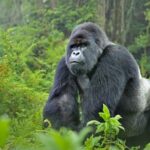
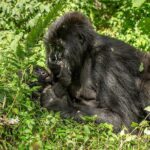
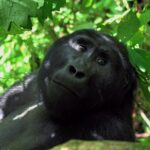
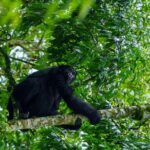
If you care about gorillas, Bwindi is the main stage. The park is known for mountain gorillas living in dense forest, which means you’re not just looking at animals behind glass. You’re hiking in to meet them where they feed, move, and react—slowly, sometimes suddenly, always with wild energy.
The flow is organized. Day 2 begins with a briefing at 7:45 AM before the trek starts at 8:30 AM. Once your team finds the gorillas, you get up to 1 hour to observe them. That one-hour window is built around a key idea: you’re visitors, not intruders, so the park limits time and distance to protect the animals and keep everyone safe.
What you’ll likely remember most is how quickly the forest changes your pace. You might start thinking, This is a trek, then the moment you’re close enough to hear breathing, rustling leaves, and the gorillas’ movement, the day becomes all about stillness and attention.
You can also read our reviews of more hiking tours in Kampala

Kampala to Bwindi: 4WD Land Cruiser Comfort vs Real Road Time
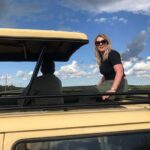
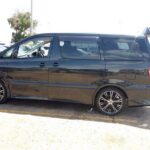
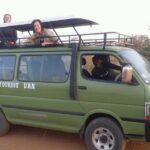
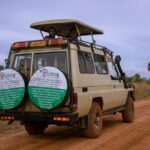
The drive is a big part of the trip—there’s no sugarcoating that. You’re picked up at 7:00 AM in Kampala and transported in a 4WD Land Cruiser with a pop-up roof and comfortable seating with good window views. That pop-up roof isn’t just a gimmick; it helps you see passing scenery and reduces the sense of being boxed in during long stretches.
On paper, the driving time is around 9 hours each way. In real life, road conditions and stops can stretch things out, so build your expectations around a long day in motion. One practical takeaway: if you’re sensitive to car rides, bring what you need (motion-sickness help, water, and something to keep warm—cars can cool down fast even in Uganda).
To make the road more humane, the schedule includes a lunch stop at Igongo Cultural Centre in Mbarara on the way to Bwindi. It’s a welcome reset before you reach the forest sector where you’ll sleep. After lunch, you continue through Rukungiri District, passing villages and farms, then arrive at the Buhoma sector for check-in.
Your Two-Night Base: Gorilla Valley Lodge or Travellers Rest Hotel
After the first long drive, you’ll check in at either Gorilla Valley Lodge or Travellers Rest Hotel for two nights. Staying near the park is a big value here because it reduces early-morning chaos. You’re not traveling far in the dark or trying to squeeze another transit day between you and your gorilla time.
What matters most for your experience is how the lodge supports the rhythm of the trip: dinner, rest, and the chance to wake up without rushing. The lodge setup is meant to be comfortable after hiking the next day. You’ll have dinner the night you arrive and time to settle before the big 7:45 AM briefing on Day 2.
This is also where you’ll understand why a fixed base helps. When the morning comes, you don’t need to think about logistics beyond showing up. You just focus on the day ahead: boots, layers, water, and patience.
Day 2: Briefing at 7:45, Trek at 8:30, and Up to 1 Hour Watching Gorillas
Day 2 is the center of the whole tour. It starts at 7:45 AM with a briefing at the gorilla tracking starting point. Then at 8:30 AM, you begin the trek into the forest.
Once you find the gorillas, your observation time can be up to 1 hour. That limit is intentional. It keeps the experience close and personal without overstressing the animals. It also helps you avoid the trap of turning gorilla time into an endless wait. You’ll likely move from excitement to quiet attention fast, because once the gorillas are visible, the experience demands focus.
The trek itself can take 3–9 hours, depending on where the gorillas are and how the forest conditions slow movement. A few things I’d treat as non-negotiable:
- you’ll want sturdy footwear (this is uneven terrain)
- you should be ready for slow walking and frequent repositioning
- you need to accept that the forest controls the schedule, not you
And timing discipline matters. You’re expected back at the starting point by 7:00 PM, so the day is structured even though the trek length varies.
Real Hiking in Bwindi’s Montane Forest: What to Bring and How to Pace Yourself
This tour is built around hiking, not a casual nature stroll. The terrain in Bwindi’s forest can be steep, uneven, and physically demanding. If you’ve ever done a jungle walk that turned into a long climb without warning, you’ll know the feeling.
That’s why fitness is repeatedly the deciding factor. You don’t have to be an athlete, but you should be able to hike for hours with changing ground conditions. If you have balance issues or mobility limits, this one is not for you. The tour is listed as not suitable for people with mobility impairments, and that makes sense given the nature of the hike.
A pacing tip I like for days like this: start slower than you think you need to. The trek can last a long time, and if you burn your energy early, you’ll pay for it later. Keep your effort steady, drink water when it’s offered, and focus on footing first—then on the forest around you.
A few more Kampala tours and experiences worth a look
The Batwa Cultural Evening: A Meaningful Add-On to the Gorilla Day
One of the most interesting elements in the schedule is the included special evening with the Batwa people. Bwindi’s gorilla story is also tied to the people who historically lived in the forest environment. This part of the tour gives you a chance to connect what you’re seeing with human culture, not just wildlife.
Because it’s an evening event, it also gives your day a different texture. Day 2 is physical and intense. The Batwa portion shifts the focus from survival-like hiking energy to storytelling and cultural exchange. If you want your trip to feel more rounded, not just one wildlife headline, this is a helpful ingredient.
Keep an open mind, and treat it like a conversation, not a performance. Even when the timing is short, these moments often end up being the details you talk about later with friends.
Day 3 Back to Kampala: Lunch at Mbarara and a Stop at the Uganda Equator
After breakfast on Day 3, you head back to Kampala. The return drive keeps the same overall structure: you’ll stop for lunch in Mbarara, and after Masaka town, you’ll pause at the Uganda Equator for a tea/coffee break and time to buy souvenirs.
That equator stop is a practical way to break up the ride. Long-distance travel in Uganda can blur together, and those scheduled pauses help you arrive feeling more human instead of wrecked. Plus, the souvenir part means you’re not just waiting in transit; you can stretch, grab a drink, and pick up small gifts along the way.
You’ll be dropped off at your hotel of choice in Kampala. If you’re continuing your trip, the driver can bring you to the airport for check-in.
Driving time is listed as about 9 hours, but it’s still worth planning your mindset around long-road travel. The good news is that by Day 3, the biggest achievement of the trip—your gorilla day—is already behind you.
Price and Value: What $2,800 Per Person Actually Covers
The price listed is $2,800 per person for this 3-day tour. That’s not a casual expense. The question isn’t whether it’s expensive; it’s what you get for the money.
Here’s what’s included:
- Gorilla trekking permit (listed at $700)
- 2 nights accommodation
- Food and drinks
- Hotel pickup and drop-off
- All transportation
- Guide
When I look at that, the value logic is pretty clear. Gorilla trekking permits are a major cost, and the logistics of getting you into Bwindi safely and on schedule are real work—especially with a forest trek that depends on timing, briefing, and coordination with rangers.
That said, there’s also a fair consideration: you’re paying a premium, and a good portion of the tour happens in transit. If you measure value purely by hours outside, you may feel disappointed. If you measure value by what’s rare and unforgettable—close gorilla viewing in the wild plus a structured, guided experience—then the price starts to make more sense.
One more practical check: some travelers note additional entrance-related fees that may not be included in the headline total. Your best move is to confirm exactly what your quote covers before you pay, especially any park or entry charges beyond the gorilla permit.
Who This Tour Suits Best (and Who Should Skip It)
I think this tour fits best if you:
- have a strong interest in mountain gorillas and want guided access in Bwindi
- can handle real hiking on uneven forest terrain
- don’t mind a long travel day from Kampala in exchange for a top-tier wildlife encounter
- appreciate a guide-led structure with a clear briefing, set viewing time, and return deadlines
You might want to skip it if you:
- have mobility issues or balance problems that make uneven trails risky
- hate spending long hours in a vehicle and would rather do a shorter, more local itinerary
Also, if you’re the type who gets anxious about schedules, know that this trip has firm anchor times (briefing, start trek, return by 7:00 PM). The forest controls the trek length, but the day has guardrails.
Final Decision: Should You Book the Bwindi 3-Day Gorilla Tour?
If gorillas are your main mission, I’d lean yes. This itinerary focuses on the essentials: a guided tracking day with up to 1 hour watching gorillas, two nights close enough to rest properly, and a cultural evening that adds depth beyond wildlife.
Just go in with eyes open about two things. First, you’re paying premium prices and spending serious time traveling. Second, the trek is not casual—your body needs to be ready for several hours of uneven hiking.
If you want the experience where planning and safety matter, and you’re excited for that rare first sighting moment in Bwindi forest, this tour is a strong choice.
FAQ
How early is pickup in Kampala?
Pickup is scheduled for 7:00 AM from your accommodation in Kampala.
What vehicle is used for transportation?
You’ll travel in a 4WD Land Cruiser with a pop-up roof and comfortable window seating.
How long is the drive to Bwindi Impenetrable National Park?
Driving time is listed as approximately 9 hours.
What time does gorilla tracking start on Day 2?
You’ll receive a briefing at 7:45 AM, and gorilla tracking begins at 8:30 AM.
How long can I observe the gorillas after finding them?
After the gorillas are found, you’ll be able to spend up to 1 hour observing them.
How long is the trek in the forest?
The trek can take 3–9 hours, depending on where the gorillas are and conditions in the forest.
Where do I stay during the tour?
You stay for two nights at either Gorilla Valley Lodge or Travellers Rest Hotel.
Is a Batwa cultural evening included?
Yes. A special evening with the Batwa people is included.
What stops are included on the return to Kampala?
On the way back, there’s a lunch stop in Mbarara, and after Masaka town you’ll stop at the Uganda Equator for a tea/coffee break and souvenirs.
Is the tour suitable for mobility impairments?
No. The tour is listed as not suitable for people with mobility impairments.
What’s included in the trip price besides the gorilla permit?
The tour includes the gorilla trekking permit, 2 nights accommodation, food and drinks, hotel pickup and drop-off, all transportation, and a guide.
![Kampala boda boda tours [motorbike tours]. - Price and logistics: what $40 really buys (and what it doesn’t)](https://tour.uganda-guide.com/wp-content/uploads/kampala-boda-boda-tours-motorbike-tours.jpg)