REVIEW · KAMPALA
10 Days Affordable Gorilla Trekking Holiday
Book on Viator →Operated by Pamoja Safaris · Bookable on Viator
Uganda hits hard when you chase primates. This 10-day Uganda package strings together Kibale, Queen Elizabeth, Bwindi, Mgahinga, and Lake Mburo, so you get more than one “wow” moment instead of driving in circles. I especially like that the big-ticket permits are built into the price, and you’re guided step-by-step at the treks with Uganda Wildlife Authority rangers.
The other thing I like is the balance between wildlife and real-life community time: a Bigodi-style experience in Kibale and a cultural stop at Igongo Cultural Center near Mbarara give your trip more than just park photos. One possible drawback to consider is the effort level: the gorilla trek (and the return walk) can run for hours, so you’ll want to plan for real time on your feet and uneven forest paths.
If you want a primates-focused safari with sensible routing and fewer “surprise costs,” this one is designed for you.
In This Review
- Key points to know before you go
- Entebbe start: easy entry, quick green options, then straight into Uganda
- Kibale Forest for chimpanzees: permits, rangers, and Bigodi culture time
- Queen Elizabeth: Kasenyi game drive plus Kazinga Channel boat safari
- Ishasha tree-climbing lions on the way to Bwindi
- Bwindi gorilla trekking: the 8am briefing and why the one-hour viewing feels huge
- Mgahinga golden monkeys and a lake boat day for birds and break time
- Lake Mburo cycling safari plus Igongo Cultural Center stop
- Price, included value, and what you should mentally budget for
- Who this Uganda primates tour suits best
- Should you book this 10-day gorilla and chimp safari?
- FAQ
- Where does the trip start and end?
- How long is the safari?
- Are gorilla, chimpanzee, and golden monkey permits included?
- Do you provide airport transfers?
- What meals are included?
- What does the price of $3,955 cover?
- Is this a private tour?
- How physically demanding are the treks?
- What is the cancellation refund window?
Key points to know before you go
- Permits handled: gorilla, chimpanzee, and golden monkey permits are included in the package price.
- Multiple primates in one sweep: chimp tracking in Kibale, mountain gorillas in Bwindi, golden monkeys in Mgahinga.
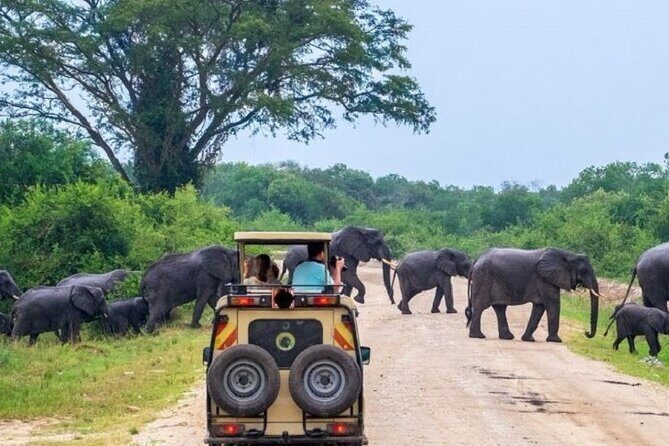
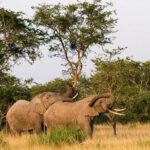
- Big wildlife variety: Kasenyi plains game drive plus a boat safari on Kazinga Channel for hippos, elephants, and lots of birds.
- Tree-climbing lions option: Ishasha sector is the target for those lions hanging out in fig trees.
- Community experiences included: Bigodi activities (coffee, basket making, and more) plus Igongo Cultural Center.
- Private group feel: it’s a private tour, so your schedule and pace stay under your control.
Entebbe start: easy entry, quick green options, then straight into Uganda
Your trip begins in Entebbe, with an airport representative ready to meet you and transfer you to your booked hotel. If you land early, you may be able to squeeze in a short visit to the Entebbe Zoo or the Botanical Garden. This kind of light first-day option is smart, because it helps you get your bearings before the long drives and early mornings start.
From a practical standpoint, Entebbe also acts like a pressure release valve. You’re not being shoved into a 4×4 safari right away. Instead, you check in, freshen up, and get dinner plans sorted so Day 2 feels manageable rather than rushed.
One more good sign: drinking water is provided on all days. That matters in Uganda, where you’ll be moving a lot and stepping into hot, humid pockets between parks.
You can also read our reviews of more hiking tours in Kampala

Kibale Forest for chimpanzees: permits, rangers, and Bigodi culture time
Kibale Forest National Park is where the trip finds its first primate rhythm. You’ll drive toward Kibale after breakfast, with a lunch stop in Fort Portal, often described as a tourism hub. The scenery on this leg is the kind that makes road time feel useful, not wasted.
For logistics, there’s an alternative that can save hours: you can take a flight to the Kasese airstrip, then get picked up and transferred to your lodge. If you’re sensitive to long overland days, this is the route to consider. If you enjoy the drive and want more chances to stretch and look around, the road transfer works fine too.
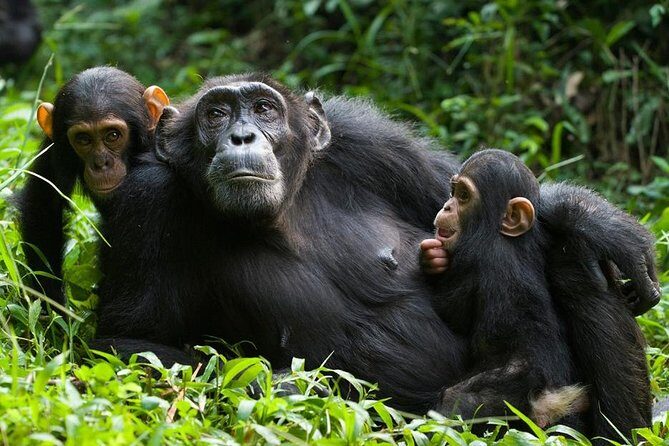
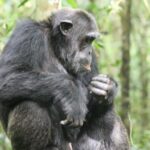
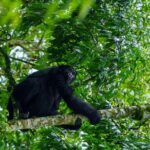
Chimpanzee day is run like a system, not a guess. After breakfast, you go to the briefing area where details and permits are handled for registration and chimp community allocation. Then your ranger guide leads the chimp trek. This is where the experience gets real: chimps move fast, they feed and play high in the canopy, and you’ll spend your attention tracking motion through the branches rather than just “standing and waiting.”
In the afternoon, you shift from forest action to human action with a Bigodi community experience. You can expect hands-on cultural activities like coffee time, banana beer making, basket making, and a traditional healer component. Even if you’re not the “crafts person,” this part tends to land well because it’s not staged theater; it’s daily life, presented in an understandable, visitable way. It also adds meaning to your conservation-focused days by showing what community tourism can look like.
Tip for your planning: the chimps are wildlife. Expect changes based on where the group is that day, and be ready for a trek that feels energetic even when it isn’t long.
Queen Elizabeth: Kasenyi game drive plus Kazinga Channel boat safari
Queen Elizabeth National Park is a change of gear from Kibale. The drive day gives you time to stretch and watch the region’s big geography come into view, including the Rwenzori Mountains in the background. There’s also a stop at the Ruboni community, where you get context about the Bakonjo people and their long presence in the area.
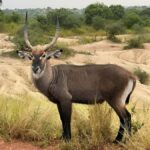
The next morning is built for wildlife viewing before the heat settles in. You’ll head out on an early game drive in the Kasenyi plains, aiming for predators and grazers. In practical terms, early starts usually mean better animal activity and clearer visibility. It also means you’ll be back at the lodge sooner, so you don’t feel cooked before the next activity.
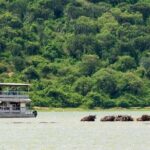
Then comes the payoff: a boat safari on the Kazinga Channel, which connects Lake Edward and Lake George. This is where you trade dust-road tracking for waterline viewing. You’ll look for hippos and buffalo, with elephants and many bird species around the shore. If you like photography, this is your easier win: animals come to you along a predictable route, and you can shoot in both the bright open areas and the shaded banks.
One consideration: boat time can be affected by conditions, so bring a light rain layer and plan for damp air. If you’re sensitive to sun, you’ll also want a hat and sunglasses, because you’ll be outside a lot.
Ishasha tree-climbing lions on the way to Bwindi
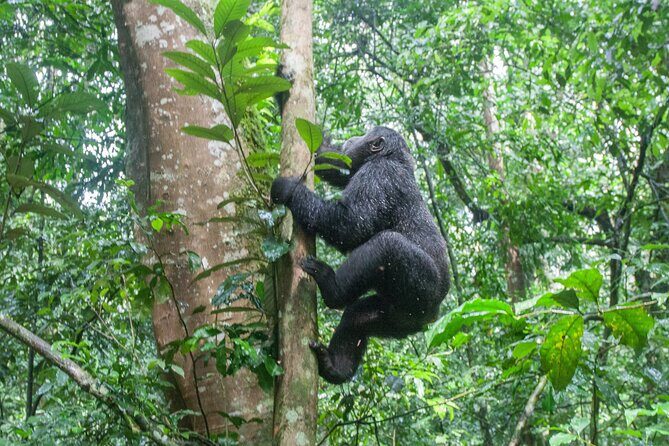
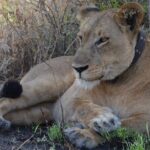
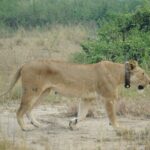
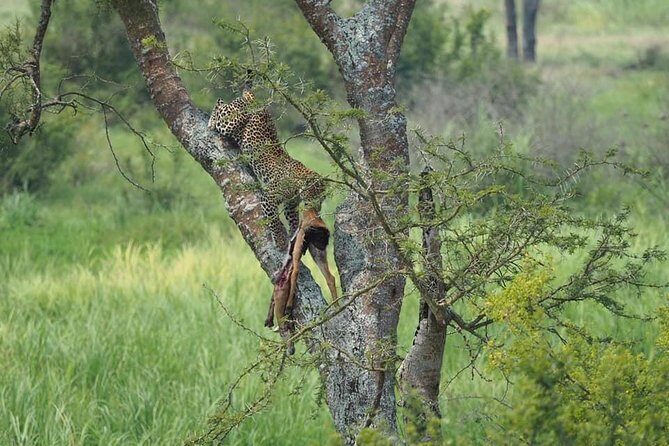
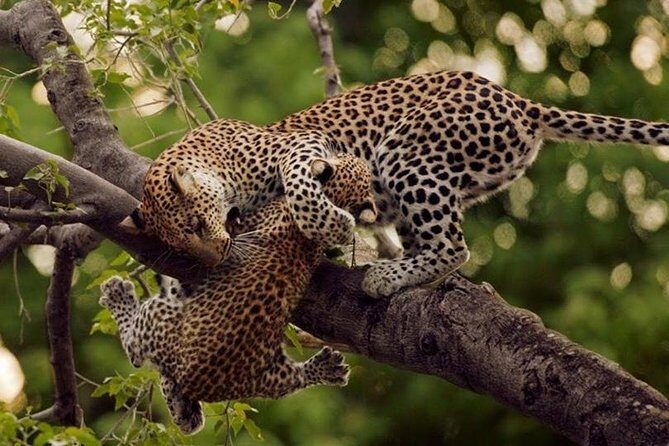
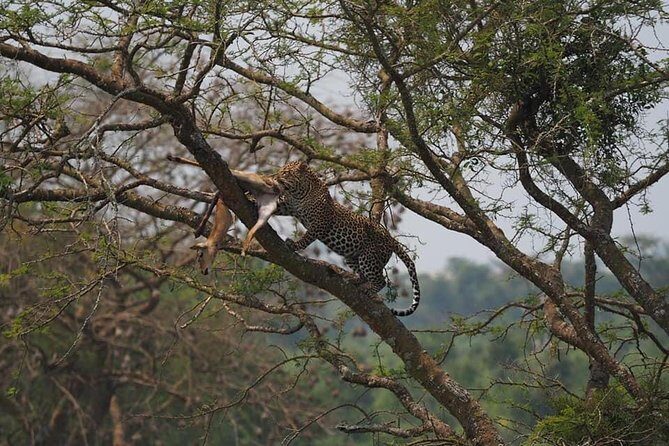
After Queen Elizabeth, you move south toward Ishasha sector, which is famous for the chance to see tree-climbing lions. The day starts with a relaxed breakfast, then you check out game-drive areas in the park. If you get lucky, you’ll see lions hanging out in trees in the mid-day sun.
This is a good example of how a safari like this is more than a checklist. You’re not just driving from point to point; you’re targeting a specific animal behavior with the right region. That’s the kind of planning that turns “a lion safari” into a story you’ll remember.
Then you transition to Bwindi Impenetrable Forest for the evening. The travel is long enough that Day 6 works best as a reset day, not a sightseeing day. When you arrive, you’re there to rest, eat, and prepare, because tomorrow is the main event.
Bwindi gorilla trekking: the 8am briefing and why the one-hour viewing feels huge
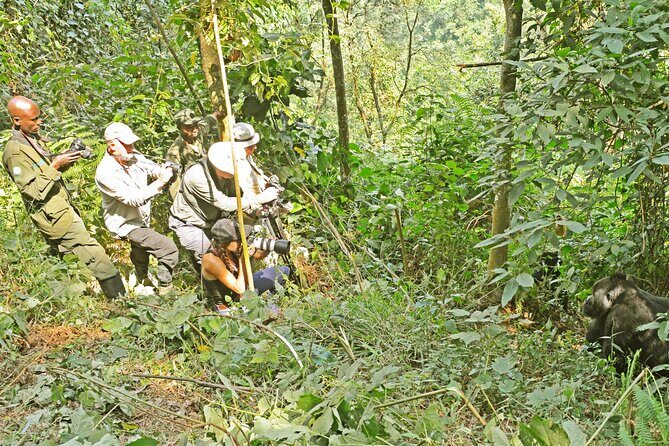
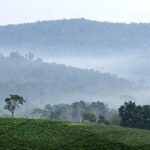
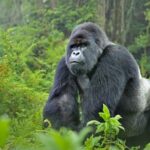
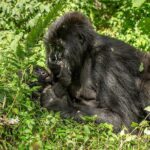
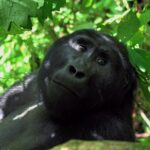
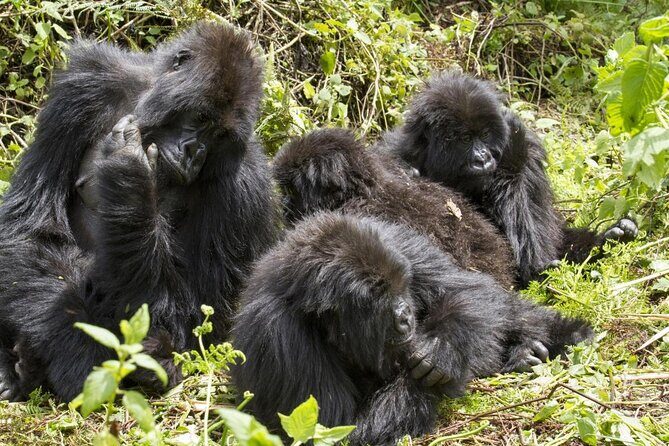
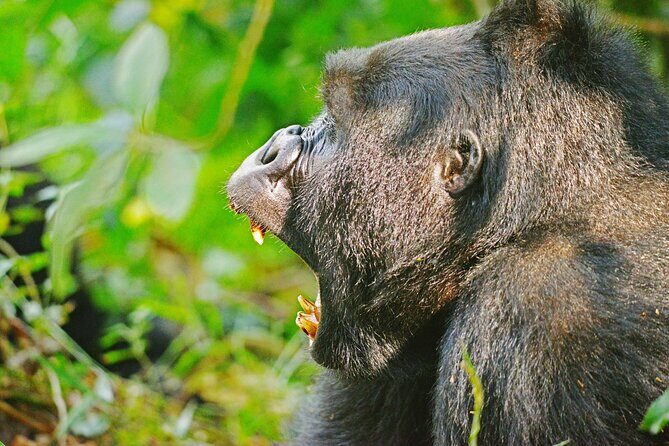
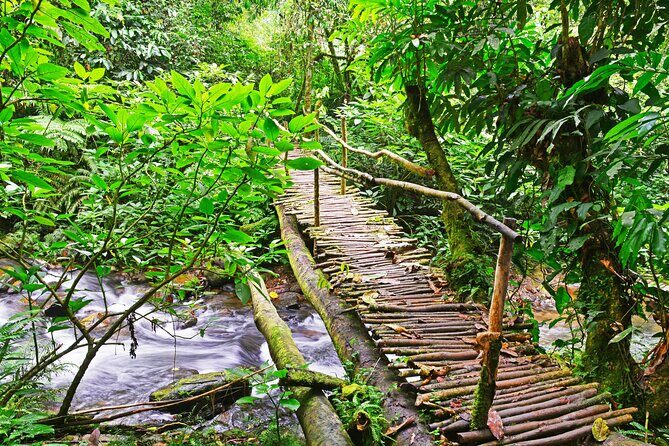
Bwindi is the headline for a reason. This is where you chase mountain gorillas, and the trek centers on a process with a clear time structure. Trekking begins around 8am, after a briefing led by Uganda Wildlife Authority rangers. You’ll then trek into the hilly forest, often described as misty in the morning, with plenty of birdlife and thick cover.
Here’s what you need to understand before you go: gorilla viewing is limited to one hour. That limit can sound strict until you realize what it forces—focus. You’re not there for a casual hangout. You’re there to watch carefully, listen, and notice behavior: feeding, resting, moving, and interacting.
At the same time, your physical time isn’t limited to that hour. The overall trek can last 2–8 hours, depending on where the gorillas are and how the forest path behaves that day. This is why the tour mentions a moderate physical fitness level. If you’re expecting a gentle walk, the forest will correct that assumption quickly.
Gear matters here. Bring footwear you trust on slippery ground, plus a rain shell even if the day looks dry. Forest weather can be unpredictable, and the ground can be muddy.
Also plan your mindset. The best gorilla encounters tend to happen when you stop rushing and let your ranger guide set the pace. Your ranger is the one with the map in their head.
Some groups have reported very close gorilla viewing, even around the distance where you can notice details from your side of the group. While you can’t control that, you can control your attention and willingness to stay calm.
Mgahinga golden monkeys and a lake boat day for birds and break time
After Bwindi, you head to Mgahinga Gorilla National Park for golden monkey trekking. This day starts very early. You’ll go to park headquarters for a briefing, then you trek into bamboo and forest plants like giant lobelia. Golden monkeys are endemic here, and that matters because it turns your trek into a place-based experience, not just another primate sighting.
Along the trek, your national park guide shares context about the park’s history and the area’s fauna and flora. It’s not “lecture time.” It’s the kind of conversation that makes you notice details you might otherwise miss, like how bamboo stands affect movement and visibility.
When the trekking ends, you return for lunch and then prepare for lake exploration. The plan includes time on the lake by boat, which gives you a different kind of wildlife focus after the forest intensity.
If you’re a bird watcher, this is a helpful day structure. Forest treks can be about spotting motion; lake time can be about scanning and identifying patterns.
Lake Mburo cycling safari plus Igongo Cultural Center stop
Lake Mburo National Park adds variety after the primate-heavy weeks. You’ll depart after breakfast, with an en-route stop in Mbarara for lunch and a cultural visit at Igongo Cultural Center. This is a practical rhythm: wildlife later, culture on the way, so you don’t spend the whole day driving with no “break.”
Then you’re set for a cycling safari inside the park. The route is described as having no large hills to climb. You’ll cross marshy low-lying areas, pass small villages, and pedal through smallholdings.
This is a great format if you like moving slower. It’s also calmer than a typical vehicle drive because your speed drops down to your body’s pace. You may see animals differently too, since you’re closer to the ground and to vegetation edges.
The tradeoff is simple: cycling demands energy. If you’re dealing with sore legs from earlier trekking days, take it easy and ask for pacing that matches your comfort.
Price, included value, and what you should mentally budget for
At $3,955 per person for about 10 days, the biggest value is not just that you’re visiting multiple parks. The biggest value is what the price covers.
This package includes:
- Park fees (for non-residents)
- All activities unless marked optional
- All accommodation unless upgraded
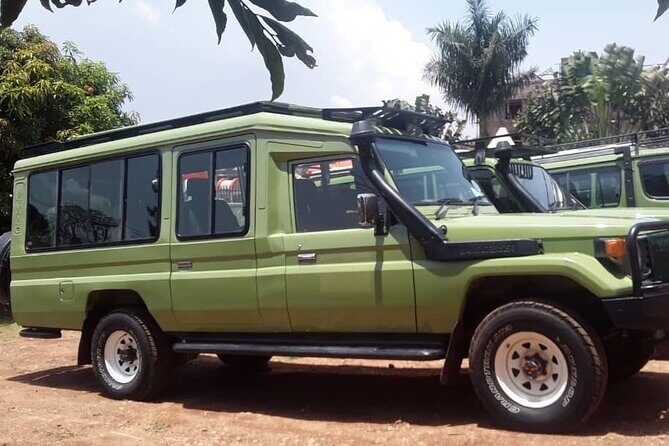
- A professional driver/guide
- All transportation unless optional
- All taxes/VAT
- Meals as specified (with 9 breakfasts, 9 lunches, 9 dinners) and drinking water
- Gorilla, chimpanzee, and golden monkey permits
Permits are usually the financial heart of a Uganda primate trip. If you’re paying for gorillas, chimps, and golden monkeys in separate bookings, it’s easy for your total to drift upward fast. Here, permits are explicitly part of the package, which helps you budget with fewer surprises.
Not included is where you still need to plan: international flights, roundtrip airport transfer (you should confirm your exact flight-to-hotel handling), tips, and personal items. The listed tipping guideline is US$10 per person per day, so factor that into your “all-in” budget.
My practical take: this is a strong choice if you want a fixed, guided route that hits the major primate regions plus two high-value wildlife experiences (Kazenyi game drive and Kazinga Channel boat safari).
Who this Uganda primates tour suits best
This tour suits you if:
- You want primates as the main mission (gorillas, chimps, golden monkeys).
- You like a mix of park viewing and real human experiences (Bigodi-style community time and Igongo Cultural Center).
- You prefer a private tour so your schedule works around your group.
It’s less ideal if:
- You want a fully relaxed trip with minimal walking. The gorilla trek can run 2–8 hours, and even chimp trekking can be physically active.
- You’re looking for long, unstructured downtime. This is active travel with early mornings and moving days built in.
If you’re traveling as a couple, a small group, or with friends who share the primate goal, the private format can feel like a big upgrade, because you’re not waiting on other people’s pace.
Should you book this 10-day gorilla and chimp safari?
I’d book this if your top priority is seeing Uganda’s three major primate groups in a well-paced route, and you’d rather have permits, guides, transport, and meals handled in one plan. The routing also makes sense: Kibale for chimps, Queen Elizabeth for classic savanna wildlife plus boat viewing, Ishasha for the tree-climbing lion gamble, then Bwindi and Mgahinga for primates, finishing with Lake Mburo for something different.
Before you commit, check two things:
- Your comfort level with the forest treks and the possibility of long return walking times.
- Your flight details against the airport transfer language, since the day-by-day plan suggests transfers at arrival and departure, while the pricing section flags airport transfer as not included.
If you’re good with that, this is one of those safaris that feels focused without feeling narrow. You’re not just paying for a single animal day. You’re paying for a sequence of conservation-driven encounters across the country.
FAQ
Where does the trip start and end?
The experience starts in Entebbe, Uganda, and it ends back at the same meeting point.
How long is the safari?
The duration is 10 days (approximately).
Are gorilla, chimpanzee, and golden monkey permits included?
Yes. The package includes the gorilla permit, chimpanzee permit, and golden monkey permit.
Do you provide airport transfers?
Pickup is offered, and the plan includes meeting at Entebbe on arrival and transfer to Entebbe International Airport on the final day. However, roundtrip airport transfer is listed as not included, so it’s best to confirm what your exact flights require.
What meals are included?
The tour includes breakfast (9), lunch (9), and dinner (9), plus drinking water on all days.
What does the price of $3,955 cover?
It covers park fees (for non-residents), all activities (unless optional), accommodation (unless upgrade), transport, taxes/VAT, and the specified meals, plus the primate permits.
Is this a private tour?
Yes. It’s described as a private tour/activity with only your group participating.
How physically demanding are the treks?
You need moderate physical fitness. The gorilla trekking experience includes a trek where the return can last 2–8 hours, and chimp and golden monkey treks are also trekking activities in forest conditions.
What is the cancellation refund window?
You can cancel up to 6 days in advance for a full refund. Canceling 2–6 days before gives a 50% refund. Canceling less than 2 days before does not receive a refund.