REVIEW · KAMPALA
12-Day Moderately Priced Pearl of Africa – Uganda Private Safari
Book on Viator →Operated by Lifetime Experience Safaris - Private Day Tours · Bookable on Viator
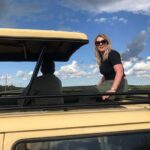
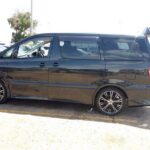
Rhinos on foot, gorillas in one trip. This private 12-day Pearl of Africa safari strings together Mabamba Swamp birding and Bwindi gorilla trekking with classic Uganda wildlife country, starting with pickup in Kampala or Entebbe and running in a 4×4 pop-up roof safari vehicle.
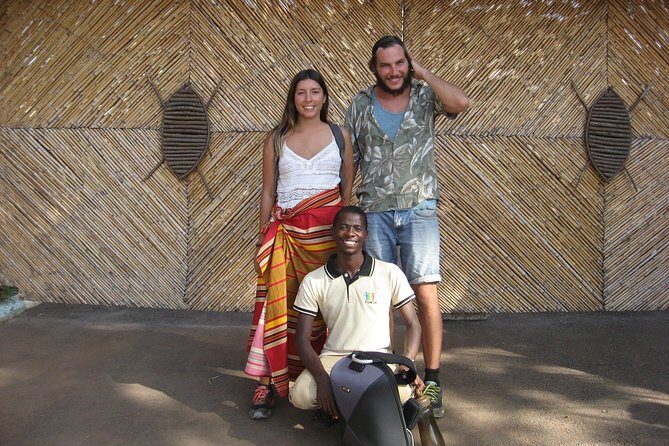
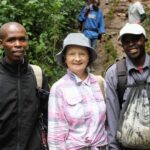
I love the mix of ways to see wildlife: the boat safaris on the Nile and the Kazinga Channel add animals and birds when you’d otherwise be on dusty roads. I also like the human side of the trip—strong local guiding is a big part of the experience, and names like Sula and Gerald show up again and again for making long drives feel purposeful.
One thing to plan for: your big primate days hinge on permits not included in the package, and the treks require a moderate fitness level (plus age rules for gorillas and chimp tracking).
In This Review
- Key highlights I’d circle on your Uganda checklist
- How This Private Uganda Route Stays “Moderately Priced” Without Feeling Cheap
- Mabamba Swamp Shoebills, Then Ziwa Rhinos on Foot: Uganda’s Wetland-First Start
- Murchison Falls: Top of the Falls, Then a Nile Boat That Makes You Slow Down
- Kibale Forest and Bigodi Wetlands: Chimp Tracking Without Losing the Forest
- The chimp trek day
- Bigodi Wetlands Sanctuary after the trek
- Queen Elizabeth National Park: Kasenyi Game Drives and Kazinga Channel Wildlife on the Water
- Ishasha Tree-Climbing Lions, Then Bwindi’s Gorilla Country
- Bwindi Impenetrable Forest Gorilla Trek: How to Prepare So You Enjoy It
- What to wear and pack
- The payoff
- Lake Bunyonyi for Recovery: Lake Time With Optional Adventure
- Lake Mburo’s Saltlick Nature Walk: A Strong Finale Before Kampala
- Price and Value: What $2,959 Covers (and Why Permits Matter)
- Who This Private Safari Fits Best (And Who Should Rethink It)
- Should You Book This 12-Day Pearl of Africa Uganda Private Safari?
- FAQ
- Is pickup included, and where does the tour start?
- Is this a private tour?
- What’s included in the price?
- Are gorilla and chimp permits included?
- What’s included in the Murchison Falls experience?
- Are boat safaris included in other parks besides Murchison?
- What age limits apply for chimp and gorilla trekking?
- Is free cancellation available?
Key highlights I’d circle on your Uganda checklist
- Shoebill Stork search at Mabamba Swamp from a boat on narrow channels at first light
- On-foot Ziwa Rhino Tracking with chances for photos from about 10 meters
- Murchison Falls power hits twice: top-of-falls hike and a Nile boat cruise
- Chimps in Kibale + Bigodi Wetlands with boardwalk walking and community-guided nature time
- Ishasha tree-climbing lions before heading to Bwindi for gorilla trekking
How This Private Uganda Route Stays “Moderately Priced” Without Feeling Cheap
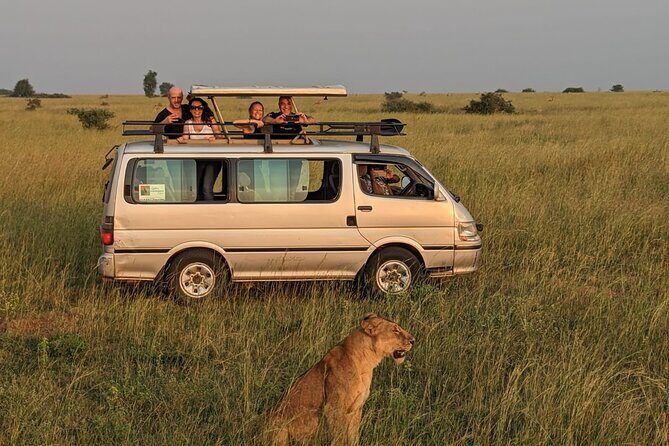
For $2,959 per person, you’re not buying a bare-bones adventure. You’re paying for a real Uganda circuit with meals, lodging, park fees, park transport, and multiple guided activities. That matters because Uganda safari costs add up fast once permits and time in national parks enter the picture—this itinerary is built to reduce those headaches by bundling almost everything you can bundle.
Because it’s private, you get your own group in the safari vehicle—no sharing the whole day with strangers. You still get local expertise in the field where it counts, including English-speaking driver/guide service and armed park-ranger support as applicable.
The “moderately priced” label also fits the pacing. You’re not racing through one park just to tick it off. You get early mornings for animal viewing, plus quieter downtime at Lake Bunyonyi and a final nature walk at Lake Mburo.
You can also read our reviews of more private tours in Kampala
Mabamba Swamp Shoebills, Then Ziwa Rhinos on Foot: Uganda’s Wetland-First Start
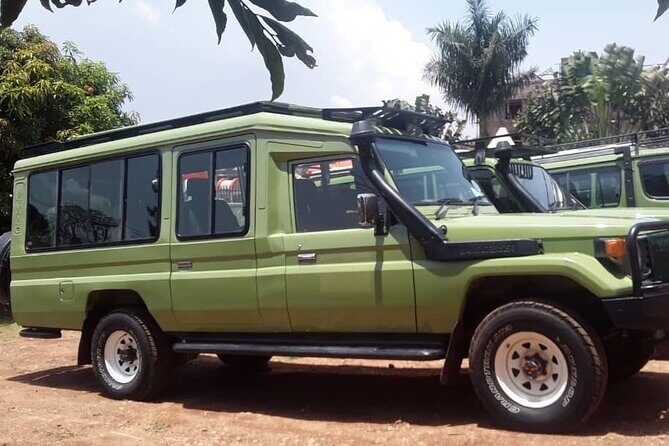
Day one starts early energy-wise, with pickup from your Kampala or Entebbe hotel around the schedule’s morning start time, and then a drive toward Ziwa Rhino Sanctuary. Before you reach savanna and forest, you get your first big nature “wow” in the wetlands.
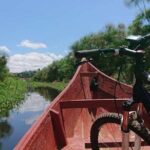
At Mabamba Swamp, the goal is the Shoebill Stork, Africa’s famed swamp bird. What I like here is the method: you ride on a fishing boat with an expert birding guide, moving through narrow channels where the stork tends to stand still while it hunts lungfish and other prey. This is a RAMSAR site along Lake Victoria, so you’re seeing a protected wetland system, not just a roadside stop.
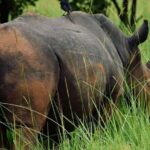
The next shift is from swamp to sanctuary at Ziwa Rhino and Wildlife Ranch, where you track rhinos on foot. You’re guided by rangers, and you can get remarkably close for photos—up to about 10 meters—during a trek that lasts roughly 1.5 hours. The setting matters too: these rhinos are held in a sanctuary with the goal of eventual release into Murchison Falls Park, so your visit supports conservation work rather than just a one-off viewing.
Practical tip: If you’re even slightly into wildlife photography or birds, this first day sets your mindset—early mornings are where Uganda pays you back.
Murchison Falls: Top of the Falls, Then a Nile Boat That Makes You Slow Down
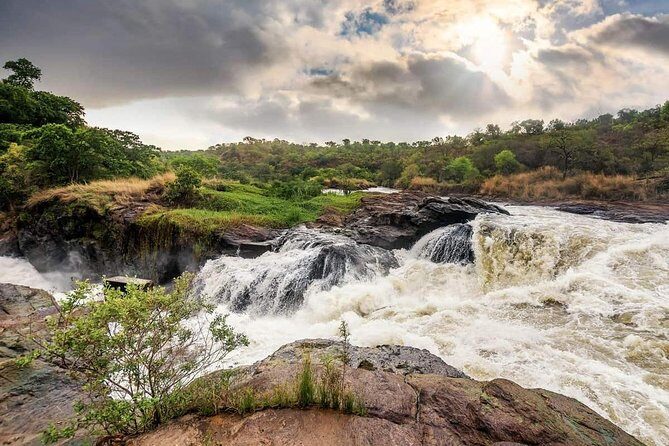
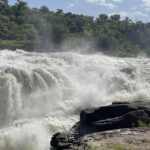
By day two you’re in Murchison Falls National Park, with the River Nile and the big waterfall moment. Before game drives, you cross to the northern side and take the top-of-falls excursion. This is the real power show: the Nile is wide above the falls, squeezes through a gorge, then drops about 43 meters with a roar loud enough that you realize how physical this river is.
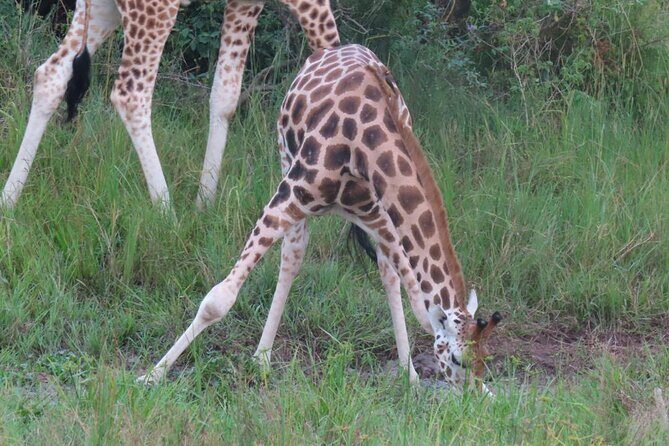
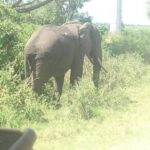
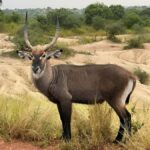
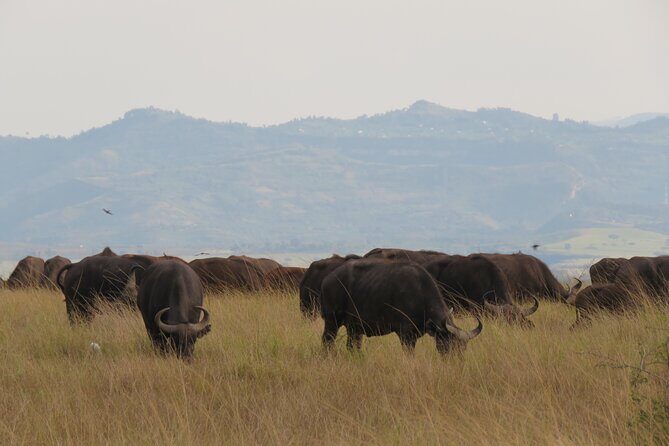
After lunch, your first game drive goes out when animals are moving. This park can deliver a strong mix: lions, elephants, leopards, buffalo, giraffes, warthogs, plus savanna birds. The best part for me is that Murchison doesn’t try to be just one thing. It’s falls, river life, and savanna all in one place.
Day three adds another angle: a morning game drive again (because wildlife isn’t scheduled), then a waterfall boat safari on the Nile. Here’s why I think it’s so valuable: the boat time gives you wildlife and birds in a different rhythm than vehicle drives. You can spot hippos, crocodiles, elephants, buffalo, monitor lizards, and other river species while you cruise toward the falls area.
There’s also a helpful detail about what you see. The white foam on the water isn’t pollution; it’s vegetation churned up by the force of the falls. That little piece of context keeps the scenery from feeling confusing and helps you read what’s happening naturally.
Drawback to consider: Murchison is a long-travel, long-activity zone. Even if the drives aren’t “all day,” your mornings are structured and you’ll want a good night’s sleep each time you change lodges.
Kibale Forest and Bigodi Wetlands: Chimp Tracking Without Losing the Forest
Kibale is where your safari gets more human-scale and a bit more physical. The drive from Murchale region to Kibale Forest National Park takes about 6.5 to 7 hours with breaks, including a lunch stop in Fort Portal town. The park is known as the Primate Capital of East Africa, and it’s one of the best places in Uganda for chimpanzee tracking.
What makes this stop more than just a chimp checklist is what’s around them. Kibale sits where West and Central African jungle meet Uganda. You get a guided trek that’s focused but not rushed, and you’re in a forest that holds a surprising range of life—primates, butterflies, and birds.
The chimp trek day
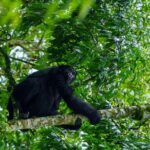
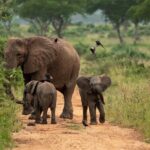
Chimpanzee tracking is guided and typically lasts around 3.5 hours. The chimpanzees are habituated, meaning they’re used to humans at a safe distance, which increases your odds of seeing real behavior instead of disappearing quickly. You can also encounter multiple primate species because the park holds 13 primates, and you often see at least five or six types during your tracking window.
One key constraint: the minimum age for chimp tracking is 15. If anyone in your group is younger, you’ll need to adjust plans.
A few more Kampala tours and experiences worth a look

Bigodi Wetlands Sanctuary after the trek
In the afternoon, you shift to Bigodi Wetlands Sanctuary, a jungle swamp you walk through on boardwalks made of planks. This matters for comfort: it keeps you above the wet ground while still letting you feel close to the habitat.
Bigodi is strong for birdwatching. The large blue Turaco is a common sight, and you may also see the elusive sitatunga antelope—a semi-aquatic species with webbed toes that helps it move in swamp conditions.
This area is guided by a Bigodi community member, and it’s recognized as a UNESCO Sustainable Tourism Eco-Site. That’s one of those details you can feel good about: your time supports local conservation and local livelihoods.
Bring idea: Pack light snacks for the long drive days. The itinerary notes that meals can take a while once you’re out in the field.
Queen Elizabeth National Park: Kasenyi Game Drives and Kazinga Channel Wildlife on the Water
Queen Elizabeth is Uganda safari at its “most classic.” Day six begins with the Explosion Crater Drive before check-in. It’s scenic drive time with craters and lakes, including views from higher points. You’ll likely stop and look because it’s hard not to. This is also one of those drives that turns a transfer day into a “real day.”
The itinerary typically checks you into Enganzi Game Lodge, a mid-range property noted for consistently high quality for clients.
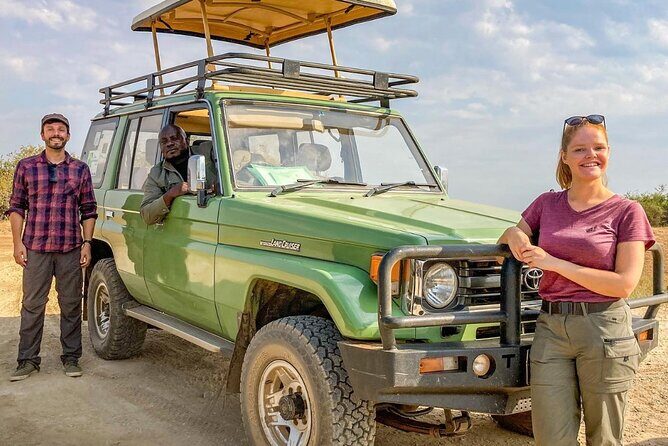
Then it’s game drive time on the Kasenyi plains. The rhythm here is slow and interpretive: an experienced ranger with your driver-guide, a drive of about 2.5 to 3 hours, and the advantage of a pop-up roof for better sightings. Having two expert guides on board helps too because wildlife spotting often depends on quick decisions—turn, scan, pause.
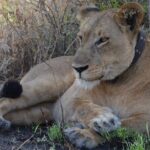
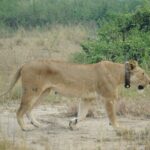
Day seven brings a second game drive opportunity and a chance for morning predator behavior. There’s also an option called Lion Tracking Research, where you join researchers tracking collared lions. That’s a great fit if you like science with your safari, and it’s in collaboration with the Uganda Carnivore Project and Uganda Wildlife Association.
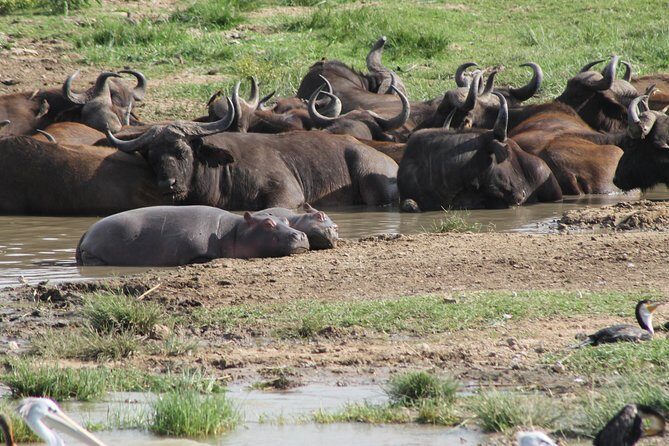
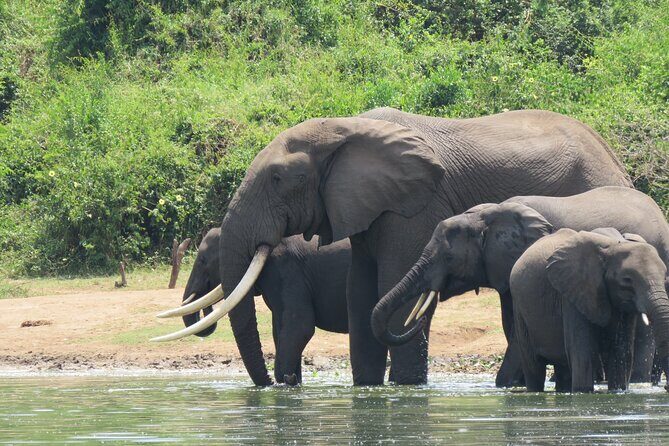
In the afternoon, the star turns into the water: Kazinga Channel Boat Safari. This is a 2-hour ride that can show elephants, buffalo herds, antelopes, crocodiles, monitor lizards, hippos, and lots of water birds (pelicans are specifically mentioned). The channel is a hippo hotspot and a meeting place for large herds, which is why the boat often feels more productive than you’d expect for a “non-driving” day.
You can choose a smaller boat at a higher cost or take the larger Uganda Wildlife Authority boat. Either way, the views are built for wildlife scanning.
Consideration: Boats and game drives both have long “waiting moments.” That’s not a deal-breaker, but it helps to have patience and a good camera strap.
Ishasha Tree-Climbing Lions, Then Bwindi’s Gorilla Country
After breakfast, day eight moves you toward Ishasha, the region famous for tree-climbing lions. You’ll drive roughly 2.5 to 3 hours, then do a game drive lasting about three hours with a Ugandan Wildlife Authority ranger. Ishasha is often described as a standout area for tree-climbing sightings, and this day is structured around that chance.
The rest of the game drive is about more than the headline. You’re also likely to see antelopes (including topi), elephants, leopards, buffalo, plus the general savanna variety that makes Queen Elizabeth and its satellites feel like one connected ecosystem.
After lunch, you continue toward Bwindi (the Ruhija area) with about 2.5 hours of driving. This shift matters because Bwindi’s energy is different. It’s not open plains; it’s dense forest, damp air, and a trek-based schedule.
Bwindi Impenetrable Forest Gorilla Trek: How to Prepare So You Enjoy It
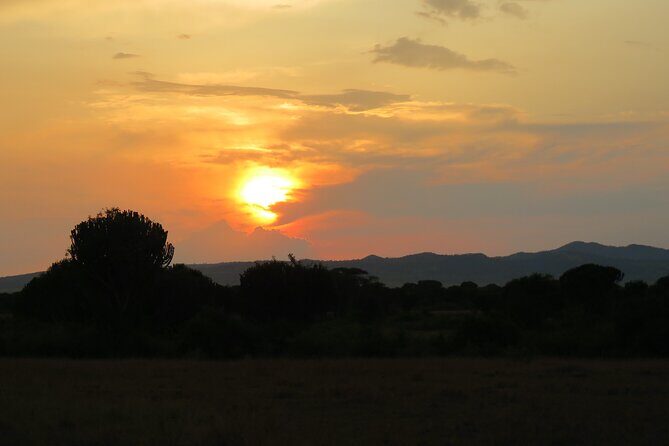
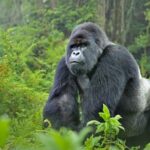
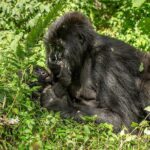
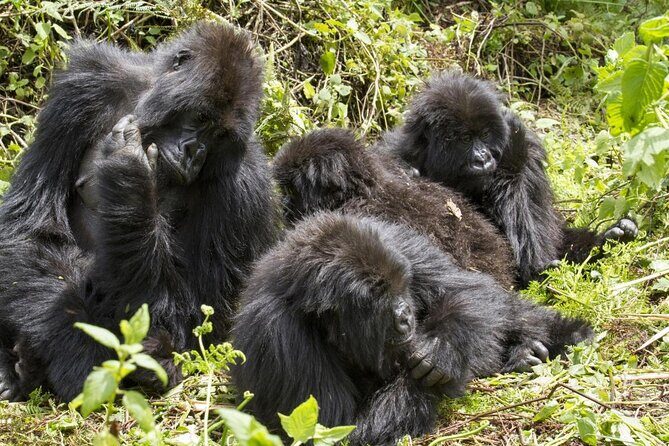
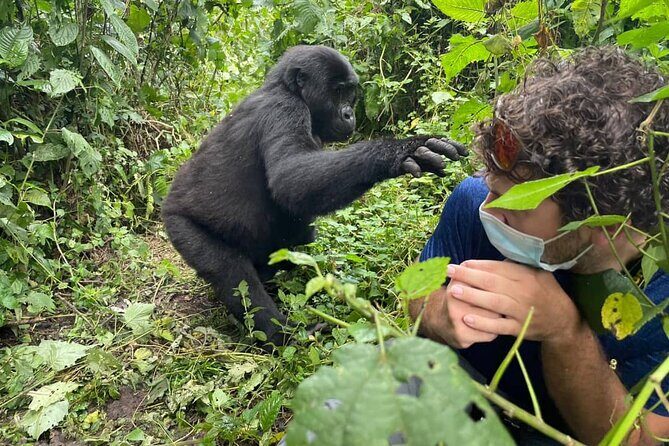
Bwindi is the emotional centerpiece of the whole circuit. The morning starts with breakfast, then a pre-tracking briefing where you cover guidelines and safety. After that, gorilla trekking begins.
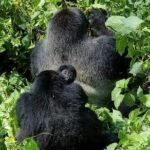
The trekking time can vary a lot based on where the gorilla family is located that day. You might walk a shorter route or an all-day hike through rough terrain, with typical trekking durations around 3 to 5 hours, followed by about one hour with the gorillas once you reach them.
There’s also a clear age rule: the trekking is not for those under 15. The safari overall lists a minimum age of 14, so this is an important detail to verify for anyone near the lower end.
What to wear and pack
I’m glad this itinerary calls out gear specifics because gorilla trekking is not a casual walk. You’ll want:
- light trousers and a long-sleeved shirt
- sturdy boots
- a hat
- a light rain jacket
- a daypack for essentials
Some people also find cotton garden gloves helpful for climbing vines or branches. A driver can assist you in hiring a porter. You can also buy a walking stick in the area, which helps on uneven footing.
The payoff
You don’t just see animals—you see how close their world feels. The whole experience is about observation and silence as much as it is about photos. And because the hour with gorillas is time-limited, your body and mind need to be ready when you get there.
Practical consideration: If you struggle with steep, muddy, or slippery ground, factor that in for this day. It’s the toughest day of the itinerary physically, not because it’s extreme on paper, but because the terrain is real.
Lake Bunyonyi for Recovery: Lake Time With Optional Adventure
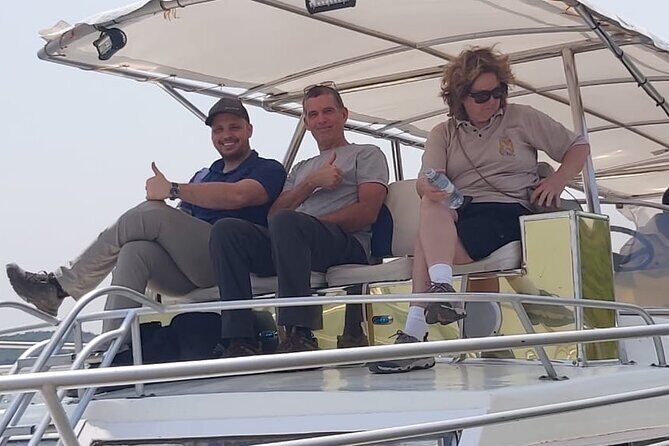
After gorillas, you move to Lake Bunyonyi for relaxation. The itinerary note is flexible here: you may stay another night or drive about 2.5 hours to Bunyonyi.
I like this placement a lot. Gorilla trekking can be intense, and Lake Bunyonyi gives you a chance to reset. It sits in the Gorilla Highlands, and it’s often quieter than the headline destinations, which is why it works so well as a breather.
At Bunyonyi, the activities are optional and not included in the offer. You can swim, paddle a dugout canoe, ride in a motorboat, or explore the islands (29 islands are mentioned). If you want to keep moving, hiking, biking, and birdwatching are popular.
This is also a chance to treat your body well: rehydrate, let your legs cool down, and get your sleep back.
Good to know: Nothing here is mandatory, so you can choose a laid-back day or an active one depending on how your trek day went.
Lake Mburo’s Saltlick Nature Walk: A Strong Finale Before Kampala
The last stretch shifts you to Lake Mburo National Park, which is a smart way to end because it’s less about one big headline and more about wildlife encounters in a calmer setting.
Day 11 starts with an early departure from your previous area. You drive about 5 hours to Mburo, aiming to depart around 7 am for a comfortable arrival. There’s a lunch break in Mbarara town.
After lunch, you reach Mburo and do a game drive through the rolling savannah. You’re looking for eland and other antelopes, giraffes, Burchell zebras, and occasional leopards. It’s a different safari texture than Queen Elizabeth, more open and often easier to read visually.
The itinerary typically includes check-in at Rwakobo Rock Lodge, set high on a ridge overlooking Lake Mburo—so you get lake views, not just safari sounds.
Day 12 gives you the finale: after breakfast, you go on a nature walk with a UWA ranger to the Saltlick, including a 90-minute hike and a hide where wildlife may gather. That salt-lick focus can be a great last-day payoff because it channels your time toward predictable animal activity.
On the way back, you stop at the Equator for photos, then continue to Kampala/Entebbe arriving late afternoon for departure.
Price and Value: What $2,959 Covers (and Why Permits Matter)
Let’s talk money in a way that actually helps you plan.
The listed price is $2,959 per person for 12 days. That includes:
- lodging and all meals per the itinerary, including meals outside the lodge
- ground transport in a 4×4 pop-up roof vehicle with an expert driver-guide
- bottled drinking water on drives
- multiple guided activities (game drives, walking safari, the major boat safaris)
- key conservation-linked experiences like on-foot rhino tracking and Mabamba shoebill search
- visitor entry fees for parks, including the car and the guide/driver
- the Nile boat safari at Murchison and Kazinga Channel boat safari
What’s not included is where budgets often surprise people:
- Bwindi gorilla trek permit: $700 USD
- Kibale chimp tracking permit: $200 USD
- Vasa fee
- fizzy and alcoholic drinks
- laundry
- personal and travel insurance
So the real “all-in” cost depends on your primate permit total. If you’re counting carefully, budget for those two permits first, then treat the package price as paying for everything around them: transport, guiding, lodging, and park access.
Value verdict: This is strong value if you want a wide Uganda sweep without having to manage separate bookings for every park day. The boat safaris plus the walking rhino and wetlands days are the kind of add-ons that would cost you extra if you stitched the trip together yourself.
Who This Private Safari Fits Best (And Who Should Rethink It)
This safari works best if you want a balanced mix:
- Big wildlife (game drives)
- forest primates (chimp tracking and gorillas)
- river and lake wildlife (Nile and Kazinga boat time)
- walking experiences (rhino tracking, nature walk to Saltlick, wetlands walks on boardwalks)
You’ll also enjoy it more if you’re okay with early starts and a moderate fitness level. The gorilla trek is the physical anchor of the itinerary. The chimp trek has a minimum age of 15, and gorilla trekking also has a minimum of 15.
If your group loves detail—birds, calls, tracks, and behavior—this itinerary gives you structure for that. Mabamba and Bigodi are proof that Uganda isn’t only about the biggest mammals.
Should You Book This 12-Day Pearl of Africa Uganda Private Safari?
If you want a private Uganda safari that gives you real variety and strong guiding, I think this one is a solid pick. The price makes sense because it includes most of what you’d otherwise pay for separately: transport, lodging, meals, and the major guided activities across multiple national parks.
Before you book, do two quick checks:
- Confirm your group can meet the age rules for chimp tracking and gorilla trekking (minimum 15 for both trekking activities).
- Budget for the gorilla permit ($700) and chimp permit ($200) since those are not included.
If those boxes work for you, this itinerary is the kind of trip that feels like Uganda has multiple personalities—and you get to see them all, from wetlands birds to forest gorillas and calm lake endings.
FAQ
Is pickup included, and where does the tour start?
The safari includes pickup from your hotel in Kampala or Entebbe. The meeting start time is listed as 6:00 am.
Is this a private tour?
Yes. It’s private, so only your group participates.
What’s included in the price?
The package includes lodging and meals, ground transportation in a 4×4 pop-up roof safari vehicle, airport transfers, bottled water on drives, park entry fees, and activities listed in the itinerary (including boat safaris and guided walks).
Are gorilla and chimp permits included?
No. The Bwindi gorilla trekking permit is listed as $700 USD, and the Kibale chimpanzee tracking permit is listed as $200 USD. These are not included.
What’s included in the Murchison Falls experience?
You get the top-of-falls excursion or hike, plus a Nile boat safari that includes wildlife viewing along the river.
Are boat safaris included in other parks besides Murchison?
Yes. The Kazinga Channel boat safari in Queen Elizabeth National Park is included.
What age limits apply for chimp and gorilla trekking?
Chimpanzee tracking has a minimum age of 15. Gorilla trekking also is not for those under 15.
Is free cancellation available?
Yes. Free cancellation is available up to 24 hours in advance for a full refund.