REVIEW · KAMPALA
Kampala’s Best Experience walking tour
Book on Viator →Operated by ONDABA AFRICA SAFARIS · Bookable on Viator
Kampala changes fast when you walk it. This Kampala city walking tour is a smart half-day mix of big sights and everyday street scenes, with stops like the Gaddafi National Mosque climb and the market circuit around Owino and Nakasero. I especially like how the pace is built for seeing real parts of Kampala on foot, and how the private guide helps you understand what you’re looking at instead of just ticking off landmarks.
One thing to plan for: you’ll walk a lot in 4 to 6 hours, so you’ll want a moderate fitness level and comfy shoes. Also, pickup can be extra depending on where you’re starting, so confirm your pickup expectations early.
In This Review
- Quick hits before you go
- Kampala looks different when you walk it
- Gaddafi National Mosque: 304 steps and a view over seven hills
- Kisenyi: a crowded neighborhood with refugee stories
- Owino Market: 2,000+ vendors and a second-hand fashion universe
- Kampala Old Taxi Park: routes, directions, and how people spot the right ride
- Temple SSDM Shree Sanatan Dharma Mandal: a metal-free building in concrete
- Nakasero Market and Independence Monument: food buying and a story with the statue
- Your guide matters more than you think
- Price and value: why $33 makes sense for a half-day
- Walking logistics: timing, distance, and staying comfortable
- Pickup and cell-phone surprises: what to confirm ahead of time
- Who should book this tour, and who should skip it
- Should you book this Kampala walking tour?
- FAQ
- How long is Kampala’s Best Experience walking tour?
- What main stops are included on the route?
- Is admission included for the stops?
- Do you get a pickup, and is it free?
- What should I bring and what fitness level do I need?
- What is the cancellation policy?
Quick hits before you go
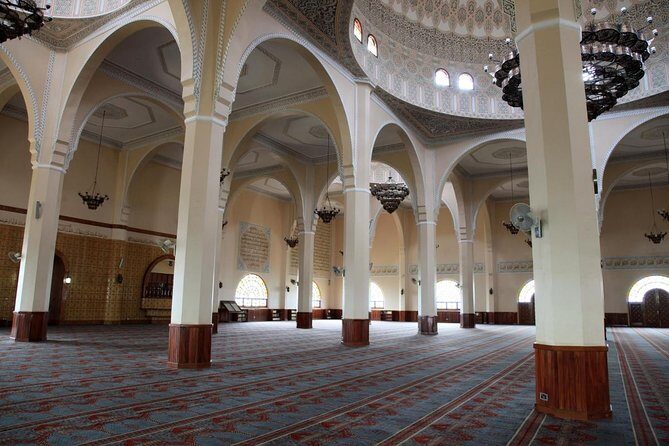
- 304 steps to a panoramic mosque view over Kampala’s seven hills
- Kisenyi’s street-level refugee community for a vivid sense of the city
- Owino Market’s second-hand shopping energy with a huge vendor mix
- Old Taxi Park as a look at how people identify routes fast
- A temple built in concrete with no metal (cool photo stop)
- Water included, and lunch is not, so plan food timing
Kampala looks different when you walk it

Kampala can feel like it’s doing its own thing all day, and driving-only sightseeing can miss that. On this tour, you get the best kind of contrast: major monuments and a mosque you can climb, paired with markets where you can actually see how people trade, move, and shop.
The tour is designed for a short time window, so you’re not stuck rushing through everything from a distance. Instead, you get close enough to ask questions and notice details. And because it’s a private tour (only your group participates), the guide can slow down when you want context.
You can also read our reviews of more walking tours in Kampala


Gaddafi National Mosque: 304 steps and a view over seven hills

The day starts at Gaddafi National Mosque, where you can climb a tower with 304 steps. From up top, you get a broad look at Kampala and the seven fundamental hills, described as a full 360-degree viewing angle from the climb.
This is one of those stops that’s worth it even if you don’t plan to be religious. It’s not just a photo moment. The mosque gives you a mental map of how the city sits on its hills, which makes the rest of the day easier to follow.
Practical tip: stairs take time. If you know climbing will slow you down, build in a little buffer so you don’t feel rushed during the climb and view time.
Kisenyi: a crowded neighborhood with refugee stories
Next is Kisenyi, known as one of Kampala’s highly congested areas. The tour frames it as a place where many refugees from different countries make their lives. Even without hearing every personal story, you can feel the day-to-day pace: busy streets, lots of activity, and a community that’s used to moving through crowds.
This stop is also free (no admission), and it works well as a reality check after the mosque viewpoint. You go from skyline thinking to ground-level watching, which is exactly the kind of switch that makes walking tours valuable.
Consideration: Kisenyi is busy. If you prefer calm, low-traffic places, this may feel like a lot. But if you want the city as it actually is, this is a key part of the experience.
Owino Market: 2,000+ vendors and a second-hand fashion universe

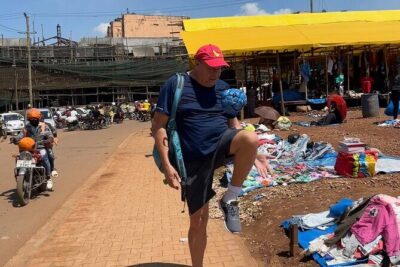
Then you hit Owino Market, a major local market where the tour highlights 2,000 vendors. The focus is on everyday shopping, especially second-hand items like clothes and shoes, which gives you a window into how people stretch budgets and keep goods moving.
This stop is a classic “wait, look at that” location. Even if you don’t buy anything, you learn fast how markets work here: bargaining energy, crowded aisles, and constant trading. And it’s the kind of place where a guide can save you from confusion, like where to look and how to interact respectfully.
Admission ticket time is included, so you’re not hunting for ticket hassles mid-walk. Just keep in mind that markets reward patience. If you get impatient with crowds, give yourself permission to slow down.
Kampala Old Taxi Park: routes, directions, and how people spot the right ride
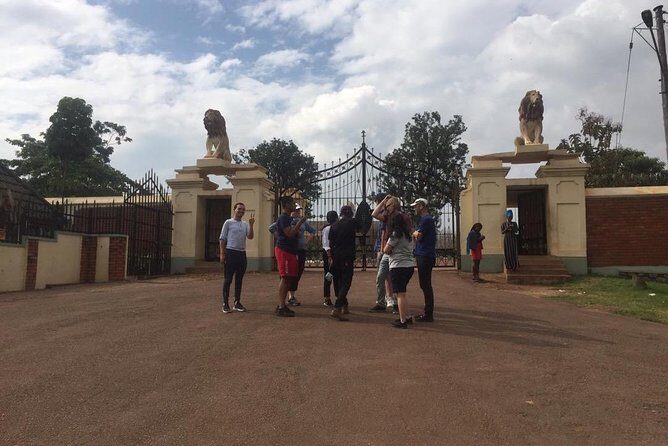
From shopping to transport culture: the tour includes Kampala Old Taxi Park, described as the biggest taxi park in Uganda, with public taxis that go in different directions.
What makes this stop special isn’t the taxi as a vehicle. It’s the system around it. You’ll see how people quickly identify the right taxi for their direction. For many visitors, that’s one of the most useful “how the city runs” moments of the day.
This is also a great contrast to the markets. Markets are about buying and trading. Taxi parks are about coordination and getting where you need to go, and that difference helps you understand Kampala as a living machine rather than a list of attractions.
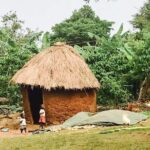
Temple SSDM Shree Sanatan Dharma Mandal: a metal-free building in concrete
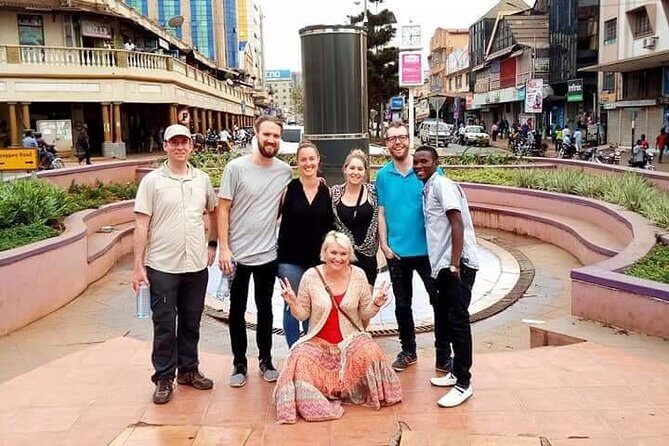
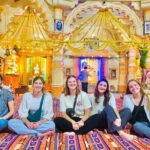
Next comes a temple stop with a neat detail: Temple SSDM Shree Sanatan Dharma Mandal is described as a metal-free building, built using only concrete. It’s a unique architectural break from the more common styles you’ll see in Uganda.
You get about 20 minutes to visit and take pictures both inside and outside, which makes this a quick but memorable stop. It’s also a strong option if you’re curious about how different religions show up across the city.
Practical tip: even short indoor stops can feel warm. Plan small breaks so your walking time stays enjoyable, not draining.
Nakasero Market and Independence Monument: food buying and a story with the statue

The tour wraps up the sightseeing and shopping mix at Nakasero Market, which is focused on food and fruits. This is the kind of place where you can see produce coming from different parts of Uganda and sold in Kampala.
If Owino felt like second-hand trading, Nakasero feels like daily nourishment in motion. It’s also a good place to pick up ideas for what to look for in restaurants later, because you see what’s moving and what people buy for meals.
Then you finish with Independence Monument, where you get time to take photos with the statue. Your guide also shares the story tied to the monument, helping you place it in context rather than just snapping a picture and moving on.
Admission is included at both of these stops, so the time stays focused on the experience instead of logistics.
Your guide matters more than you think

A walking tour lives or dies on the guide, and the guides on this experience come through in a few clear ways.
I’ve seen accounts of Malik being very understanding and knowledgeable, with a calm style that helps you feel comfortable walking through areas that might otherwise feel intimidating. I also like the way guides seem to shape the tour around safety and pacing, not just facts.
There are also examples of other guides like Twaha and Abby being attentive to safety. That matters because this isn’t a sit-behind-the-driver day. You’re out in crowds, moving between neighborhoods, and trusting the person leading you on the street.
If you want the most value, come with a light curiosity. Ask why something is where it is, what the market routine looks like, or how locals use taxi directions. The better you ask, the more you’ll get.
Price and value: why $33 makes sense for a half-day
At $33 per person, this is priced like a budget-friendly city orientation. But value comes from what’s included and how time is used.
Here’s what helps the math feel fair:
- Multiple ticketed stops are included, not just the one main sight
- Water is included, which is an easy but real cost saver
- The walking route packs several big themes into about 4 to 6 hours
- It’s private to your group, so you’re not stuck with mismatched pace or interests
On a day like this, the biggest “hidden cost” is time: time spent figuring things out alone, or paying for separate admissions and entry fees at each stop. Bundling those ticket moments into one guided walk keeps the day efficient.
One more value factor: guides help you access places you might not choose on your own, especially when streets get crowded. That’s not a luxury. It’s the difference between seeing Kampala and just moving through Kampala.
Walking logistics: timing, distance, and staying comfortable
The tour runs 4 to 6 hours. In at least one case, the walk hit around 10,000 steps in just over 4 hours, which gives you a real sense of the effort level.
A few practical notes:
- Bring stamina, not just curiosity. You’ll be on your feet most of the day block.
- Wear shoes you trust. This is market-ground and street-ground.
- Lunch is not included, so if you’re planning a longer day in Kampala, eat before or plan food soon after.
Also, the tour has a weather requirement and may be adjusted if conditions aren’t good. That’s normal for outdoor walking days, and it’s worth having a flexible mindset.
Pickup and cell-phone surprises: what to confirm ahead of time
Pickup is offered, but it’s not described as universally free. It can cost extra depending on your starting point, and the free pickup zone is stated to be around old Kampala.
That matters because one unhappy experience points to a guide not meeting expectations around pickup and communication. I can’t ignore that kind of red flag. So do this:
- Confirm where pickup is available for your exact location.
- Have your meeting point details ready.
- Be clear about timing. If the group starts late, you might lose the chance to keep the route tight.
A good guide keeps things moving and communicates clearly. If that doesn’t happen, the day can feel off-balance fast.
Who should book this tour, and who should skip it
You’ll likely love this if you want a strong city orientation in half a day. It suits people who enjoy markets, don’t mind crowds, and like getting context while they walk.
This is also a good fit if you want a practical mix:
- a viewpoint (mosque climb)
- neighborhoods (Kisenyi)
- shopping districts (Owino and Nakasero)
- a working city transport snapshot (Old Taxi Park)
- a monument with an explanation (Independence Monument)
Skip it if you hate busy spaces or you’re not comfortable with a lot of walking. Also, if pickup logistics are complicated for you, make sure the meeting plan is nailed down before you arrive, because a mismatch there can ruin the experience.
Should you book this Kampala walking tour?
If you want the fastest route to understanding Kampala beyond the obvious monuments, this tour is a strong choice. The price is reasonable, the mix of stops is varied, and the mosque climb adds real payoff.
Book it if you’re ready for streets and crowds, and you’ll treat it like an exploration with a guide leading the way. Just be deliberate about pickup location and timing, and you’ll set yourself up for a smoother, more rewarding day.
FAQ
How long is Kampala’s Best Experience walking tour?
The tour lasts about 4 to 6 hours.
What main stops are included on the route?
You’ll visit places including Gaddafi National Mosque, Kisenyi, Owino Market, Kampala Old Taxi Park, Temple SSDM Shree Sanatan Dharma Mandal, Nakasero Market, and Independence Monument.
Is admission included for the stops?
Admission is included for several stops, while Kisenyi is listed as free. Water is included as well.
Do you get a pickup, and is it free?
Pickup can be offered at an extra fee depending on where you start. Free pickup is stated for clients around old Kampala.
What should I bring and what fitness level do I need?
The tour recommends a moderate physical fitness level. The itinerary involves a lot of walking, so wear comfortable shoes and plan for a walking-focused day.
What is the cancellation policy?
You can cancel for a full refund if you cancel at least 24 hours in advance. If you cancel less than 24 hours before the start time, you won’t receive a refund.