REVIEW · KAMPALA
Inside Kampala Walking Tour (Female Guided)
Book on Viator →Operated by Mellow Moves And Travels · Bookable on Viator
Kampala on foot feels personal fast. This women-led walking tour helps you get your bearings in 3–4 hours, with stops that mix major landmarks and everyday city life. I love the market-and-monument blend and the way your guide turns stone and street corners into understandable stories. One practical catch: you’ll be walking through busy areas, so good shoes matter.
I’m also a fan of how this is built for solo female travelers. Guides like Fridaus and Fatumah get named in the feedback for being helpful and making the walk feel manageable, even when the city is busy. The group is capped at 50, and you can usually pick a departure time that fits your day.
In This Review
- Key Points You’ll Feel on the Walk
- A Woman-Led Walk That Links Landmarks to Daily Kampala
- How the 3–4 Hours Moves: From Independence to Mosque Views
- Independence Monument: Where Colonial History and Independence Sit Side by Side
- World War II Memorial: Kampala’s Oldest Memory Marker
- Bagala Craft Market and Nakasero Market: Shopping With a Local Rhythm
- SSDM Shree Sanatan Dharma Mandal Temple: A Concrete-Only Feel
- Old Taxi Park: The City’s Transit Pulse
- Owino Market: Second-Hand Goods and the Scale of Everyday Kampala
- Gaddafi National Mosque: The 272-Step Climb and the 360 View
- Price and Value: Is $25 a Smart Deal?
- Your Best Match: Who This Tour Fits (and Who Might Want Something Else)
- Practical Tips That Make the Walk Easier
- Should You Book This Kampala Walking Tour?
- FAQ
- How long is the Inside Kampala Walking Tour?
- How much does it cost?
- Is the tour women-guided?
- What does the tour include for entrance fees?
- Do I need to pay for the mosque at the end?
- Where does the tour start and end?
- How many people are in the group?
- Is there a lot of walking or stairs?
- What’s the best kind of weather for this tour?
Key Points You’ll Feel on the Walk

- Women-guided experience that supports a local gender equality initiative in Kampala
- Local guide storytelling that connects monuments, religion, and markets to Uganda’s past and present
- Market time that’s not just photo stops, including craft shopping and in-season fruit at Nakasero Market
- A distinctive temple stop at the SSDM Shree Sanatan Dharma Mandal with a metal-free, concrete-focused building style
- Real city energy at Owino Market, including second-hand goods with a huge vendor scene
- Gaddafi National Mosque viewpoint, where you climb 272 of 304 steps for a 360 view over Kampala’s hills
A Woman-Led Walk That Links Landmarks to Daily Kampala
Kampala is a city you understand by moving through it, not just looking at it from a car. This tour is designed to help you do exactly that: walk between major sights while learning what they mean in the wider story of Uganda.
I like that it’s female guided, and it’s tied to a local gender equality initiative. That gives the whole experience an extra layer of purpose beyond sightseeing. And since the guide is with you the whole time, you’re not stuck trying to decode what you’re seeing while navigating busy streets.
There’s also a practical upside for first-timers: the route is structured enough to give you landmarks, but it still leaves room to shop and soak up daily life at markets. If you’re the kind of traveler who likes a plan but hates feeling herded, this fits.
You can also read our reviews of more walking tours in Kampala


How the 3–4 Hours Moves: From Independence to Mosque Views
The walk is typically 3–4 hours, which is a sweet spot in a city where time can disappear quickly. It’s not a marathon, but it’s enough to cover both landmark points and market areas without feeling rushed.
You start at Cariboo Restaurant on Speke Rd, then finish at Uganda National Mosque on Old Kampala Rd. That matters because ending at the mosque sets you up for the payoff: the climb and the view over Kampala.
The tour works best in good weather, because you’ll be outside for extended stretches. Plan this for a morning or daytime slot when streets feel active but the light is workable for photos.
Independence Monument: Where Colonial History and Independence Sit Side by Side

Your first major stop is the Independence Monument, and it’s not subtle. The monument is set up to describe colonialism and Uganda’s independence at the same time, so you get two layers in one place.
What I like here is that it gives context early. If you’ve never been to Uganda before, this helps you understand why later landmarks, memorials, and cultural sites matter. It’s a short stop (about 10 minutes), so use it to ask your guide what to watch for as you go.
Practical tip: treat this as your mental kickoff. Once you hear the story here, you’ll likely notice the rest of the walk feels connected, not random.
World War II Memorial: Kampala’s Oldest Memory Marker
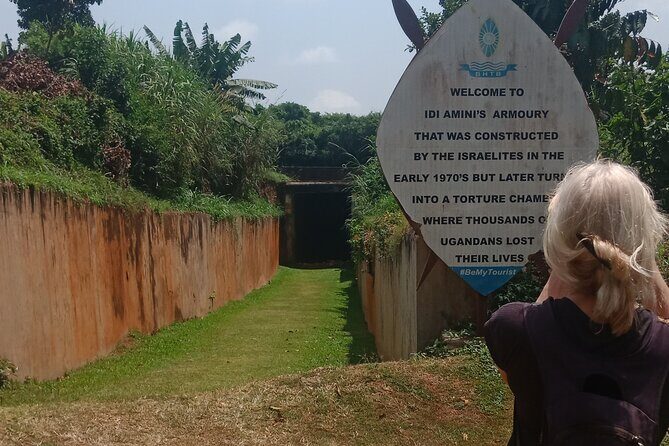
Next up is the World War II Memorial, described as the oldest monument in Kampala. It’s dedicated to people who lost their lives during World War I and II, and your guide explains more history while you’re there.
This stop is only about 20 minutes, so it won’t turn into a lecture. But it’s still a meaningful “why this place exists” moment, especially when you’re moving from monument to market. You start seeing Kampala as a city shaped by global events, not just local ones.
Good to know: the entrance fee is included here, so you won’t have to juggle payment before you’re ready.
Bagala Craft Market and Nakasero Market: Shopping With a Local Rhythm
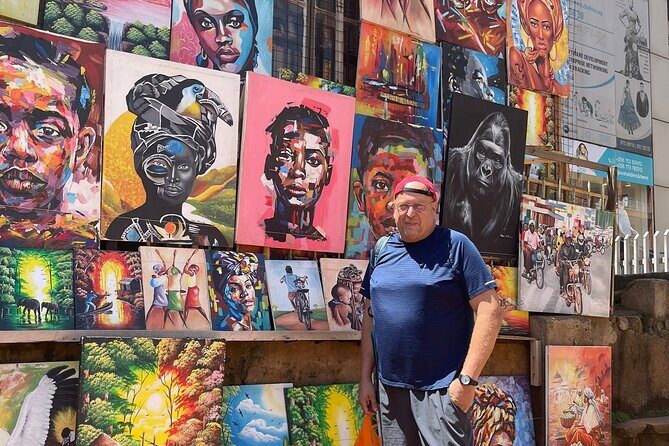
After monuments, you shift into the part of the city that most people crave: real market time. You’ll head to Bagala Craft, described as the biggest craft market in Kampala, and you get around 30 minutes there.
This is your shopping window. If you want to bring home crafts that feel tied to local makers (instead of generic souvenirs), this is the moment to browse and compare. It’s also a nice buffer after the history stops, because you can relax your pace and just wander with your guide.
Then comes Nakasero Market, the oldest market in Kampala and primarily a food and fruit market. The focus here is local produce—your time includes a chance to taste in-season fruits and do some shopping, with about 30 minutes allotted.
What I appreciate about placing a food market here is the sensory reset. Kampala can be intense on the street, and fruit tasting is a quick way to slow down and enjoy the day. Also, food markets tend to reveal what’s actually important to everyday life.
Practical tip: if you’re sensitive to strong smells or big crowds, keep a calm plan. Move with your guide, and don’t feel pressured to buy.
You can also read our reviews of more guided tours in Kampala



SSDM Shree Sanatan Dharma Mandal Temple: A Concrete-Only Feel
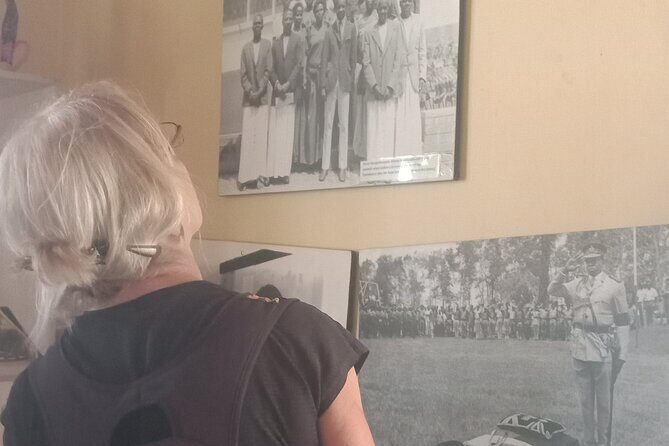
Then you’ll visit Temple SSDM Shree Sanatan Dharma Mandal, and this is one of the stops that feels different from the rest. The tour info highlights that it’s a metal-free building, with the idea that it was built with only concrete, making it unique among the buildings in Kampala.
You’ll get time to enter the temple and take pictures, with your guide sharing the background. It’s about 20 minutes, so it’s enough to see the space and ask questions without the day turning into a slow crawl.
This stop is valuable for understanding Kampala’s mix of cultures and beliefs. A lot of walking tours only show one side of a city. Here, you get religion and architecture too, not just monuments and markets.
Practical tip: dress modestly for a temple setting, and follow your guide’s lead on what’s appropriate for photos.
Old Taxi Park: The City’s Transit Pulse
Next you pass through Old Taxi Park, described as the largest taxi park in Kampala, with thousands of taxis moving to different parts of Uganda. This is about motion and function—less about one building and more about the role transport plays in the city’s rhythm.
It’s a short stop (around 20 minutes), which keeps it from becoming overwhelming. Still, it’s a smart moment because it shows how people connect, work, and travel. If you want to understand Kampala beyond the landmarks, this kind of functional street stop does the job.
Practical tip: keep your belongings secure and stay aware of your surroundings. Taxi parks are active places.
Owino Market: Second-Hand Goods and the Scale of Everyday Kampala
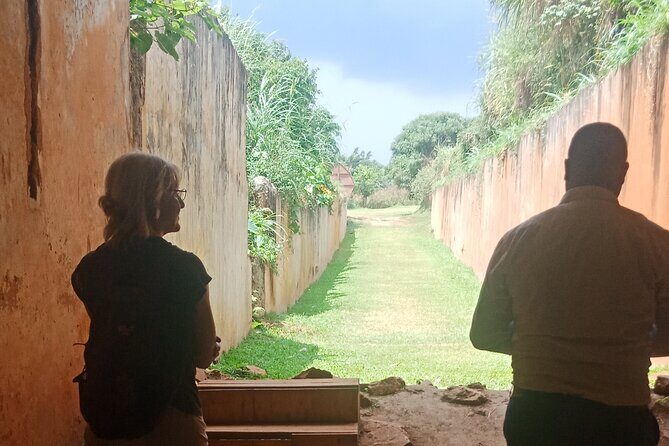
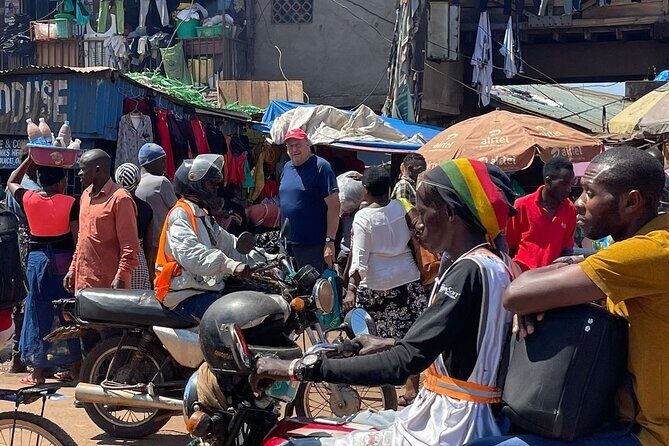
You’ll then head to Owino Market, described as the biggest open market in Kampala with over 2000 vendors. This is where Kampala feels like it’s running at full speed, and your stop is the longest: about 50 minutes.
The tour description notes that it’s commonly known for second-hand goods, and it’s one of the busiest areas in the city. If you like browsing—especially if you’re curious about how people shop locally—this can be a fun, eye-opening stop.
What makes it worth your time is that it’s not curated like a typical tourist market. You get to see a slice of everyday commerce and the sheer scale of the place.
Practical tip: set expectations before you go. This is a market, not a museum. You’ll see a lot, you might feel a lot, and your guide will help you move through it without losing your way.
Gaddafi National Mosque: The 272-Step Climb and the 360 View
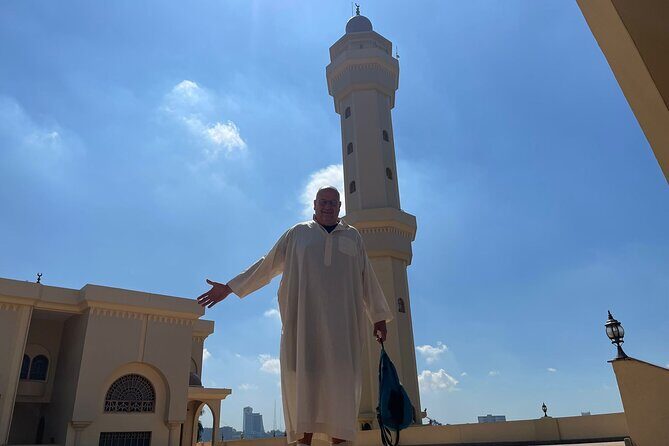
The day ends at Uganda National Mosque, and the payoff is the climb. The information provided says you’ll hike 272 out of 304 steps for a 360 view over Kampala, while your guide points out the seven original hills.
It’s about 40 minutes, but don’t treat it like a quick photo stop. The steps are the main event, and the view is what you’ll remember when you think back on the tour.
One important cost detail: the mosque entrance fee is not included. There’s an entrance fee of 25,000 UGX at the Uganda National Mosque.
Practical tip: if you have knee issues, take it slow and use the time to steady your pace. Also, bring water if you think you’ll need it, and dress respectfully for a mosque.
Price and Value: Is $25 a Smart Deal?
At $25 per person for a 3–4 hour walking experience, the value is strongest if you’re in Kampala for only a short time or you want structured context without planning each stop yourself.
Here’s what you’re getting for your money: included entrance fees for multiple stops, including the Independence Monument, World War II Memorial, Bagala Craft, Nakasero Market, and the SSDM Hindu Temple. You also have entry included for other key monument stops along the route, with the exception of the mosque.
So the budget question becomes simple: you should plan on the mosque fee (25,000 UGX) as the one extra entrance cost you may pay on the day. If you’re okay with that, you’re mostly covered.
Also, the tour comes with a mobile ticket, which reduces hassle at the start. And since it’s booked on average 8 days in advance, it’s worth locking in early if you’re visiting during a busy window.
Your Best Match: Who This Tour Fits (and Who Might Want Something Else)
This is a strong choice if you:
- want a first-time orientation to Kampala
- are a solo female traveler and prefer a women-guided experience
- like mixing monuments with hands-on city life like markets
- want a guide to explain what you’re seeing as you walk
It may be less ideal if you:
- have limited mobility or can’t handle lots of stairs, since the mosque climb is a big part of the experience
- hate crowds, because markets like Owino can feel intense
- want a super relaxed walk with minimal foot traffic
Still, even if you’re not a big shopper, you can enjoy the market stops as cultural stops. Shopping time is built in, but it’s not the only purpose.
Practical Tips That Make the Walk Easier
A few things will help you get the most out of the route:
- Wear comfortable shoes you can walk in for multiple hours, including through market areas.
- Plan for the mosque steps. If you know your pace, stick to it instead of trying to “keep up.”
- Bring a little cash for the mosque entrance fee (25,000 UGX).
- Stay close to your guide in busy areas. This is how the tour feels safe and smooth.
- Use the market time wisely. If you want fruits or crafts, decide early so you’re not rushing at the end of the stop.
One more smart move: pick a departure time that matches your energy level. The walk includes both history moments and high-activity market areas, so you’ll enjoy it more if you’re not starting the day exhausted.
Should You Book This Kampala Walking Tour?
I’d book it if you want a guided, on-foot introduction that balances landmark history with real local life. The women-led focus adds meaning, and the route includes standout stops like the SSDM Shree Sanatan Dharma Mandal temple and the big viewpoint payoff at Uganda National Mosque.
You should think twice if stairs and crowds are a hard no for you, since the mosque climb is a serious chunk of the experience and Owino Market is busy by design. But if you can handle an active walking day, this tour is a solid way to see Kampala with context instead of guesswork.
FAQ
How long is the Inside Kampala Walking Tour?
It usually lasts about 3 to 4 hours.
How much does it cost?
The price is $25.00 per person.
Is the tour women-guided?
Yes. This is a women guided walking tour, and it’s designed to support a local gender equality initiative in Kampala.
What does the tour include for entrance fees?
Entrance fees are included for stops such as the Independence Monument, the World War II Memorial, Bagala Craft, Nakasero Market, and the SSDM Shree Sanatan Dharma Mandal temple. Entrance fees for other listed monuments are included as well.
Do I need to pay for the mosque at the end?
Yes. There is an entrance fee of 25,000 UGX at the Uganda National Mosque, and it is not included.
Where does the tour start and end?
It starts at Cariboo Restaurant (Speke Rd, Kampala) and ends at Uganda National Mosque (Old Kampala Rd, Kampala).
How many people are in the group?
The tour has a maximum group size of 50 travelers.
Is there a lot of walking or stairs?
Yes. The final stop includes a climb of 272 out of 304 steps at the mosque for the best view.
What’s the best kind of weather for this tour?
The experience requires good weather. If it’s canceled due to poor weather, you’ll be offered a different date or a full refund.