REVIEW · KAMPALA
Kampala: City Guided walking sightseeing Tour
Book on GetYourGuide →Operated by Kitenji Uganda Safaris and Tours · Bookable on GetYourGuide
Kampala feels real at walking speed. This 3-hour guided stroll strings together markets, monuments, and everyday street life so you understand what you’re seeing, not just where to point your camera. With a small group (up to 6) and an English-speaking guide, you can ask questions as you go and pause when the scene is too good to rush.
Two things I love are the practical local context you get along the way and the way the walk pushes you straight into places like Old Taxi Park and Owino Market instead of only postcard stops. One possible drawback: it’s active walking on busy, hilly streets, so it’s not a great match if you have mobility limits or need step-free access.
In This Review
- Key things that make this Kampala walk worth it
- Why This 3-Hour Kampala Walk Works for First-Time Visitors
- Meet at Kitenji Uganda Safaris and Tours: getting your bearings
- Bagala Craft Market: shopping for souvenirs with a story
- Constitutional Square + Independence Monument: seeing the country’s turning point
- The World War Memorial stop and a 15-minute café reset
- Nakasero Market: where Kampala buys breakfast, spices, and everything else
- Old Taxi Park: the matatu chaos, explained
- Owino Market (St. Balikuddembe): the big-hearted chaos finale
- What to Bring (and how to not feel wrecked at the end)
- Price and value: what $22 buys you (and what it doesn’t)
- FAQ
- How long is the Kampala walking tour?
- What time does the tour run?
- Is the tour guided, and what language is used?
- What does the price include?
- Is pick-up or drop-off included?
- Is the tour suitable for people with mobility impairments?
- What should I bring for the walk?
- Should You Book This Kampala Walking Tour?
Key things that make this Kampala walk worth it

- English-speaking guide, small group size: up to 6 people means you’re not shouting over a crowd.
- Big-city contrasts in one route: independence-era monuments plus the city’s transport and market reality.
- Included admissions: you don’t have to hunt tickets for Owino Market, Independence sites, and the taxi park.
- Time for a proper café break: not just a whip-through—there’s a short reset before the market stretch.
- Photo-friendly monument stops: constitutional square and the Independence Monument sit in quieter garden space.
Why This 3-Hour Kampala Walk Works for First-Time Visitors
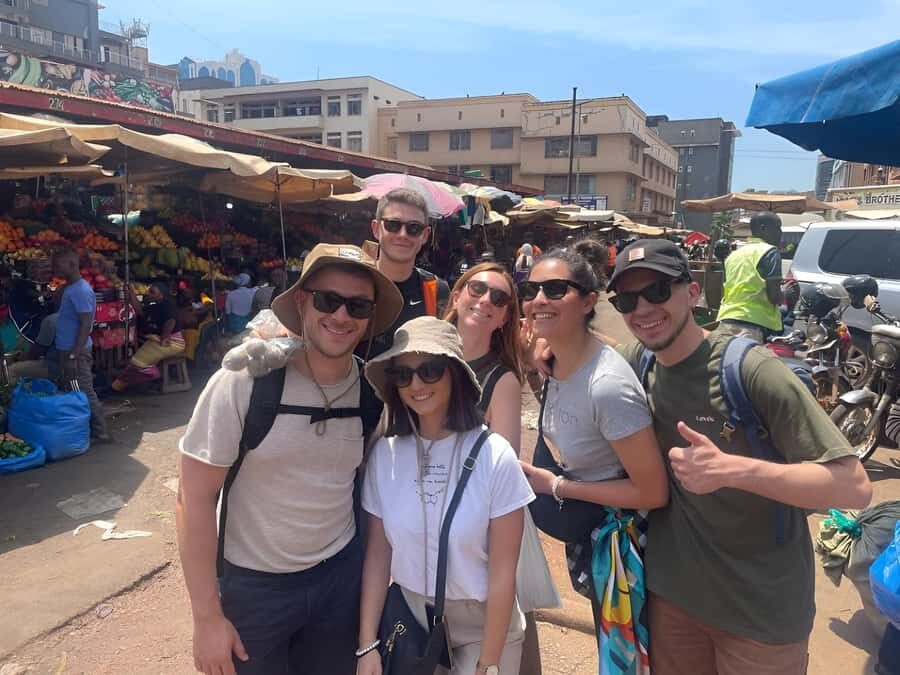
If you only have a few hours in Kampala, this kind of route is smart. You’re not stuck in one neighborhood, and you’re not forced into long detours either. The pacing is relaxed enough that you can slow down when a market aisle grabs your attention, but structured enough that you still cover the main landmarks that most people come to Kampala to see.
I also like that the tour is built around watching how Kampala actually runs: commerce, transport, and public life in the same morning/afternoon window. That makes the “what am I looking at?” question easier to answer, because the guide connects the sights to everyday Kampala—how people move, what they buy, and why certain places matter.
The $22 price point is also easier to justify than it looks at first glance. You’re paying for an English guide, a small-group experience, and included site entry for multiple stops. What you don’t pay for are the usual extras—meals, souvenirs, and any pick-up or drop-off—so you can control your spending instead of being bundled into a package.
You can also read our reviews of more walking tours in Kampala


Meet at Kitenji Uganda Safaris and Tours: getting your bearings
The tour starts at Kitenji Uganda Safaris and Tours, which is a straightforward place to meet. From there, you’ll get an early window of sightseeing time (about 20 minutes) that helps you understand the route and what to expect next. For me, that matters in Kampala. Getting your bearings fast makes the busier market sections feel less chaotic and more manageable.
This first stretch is also when your guide typically frames the day: what Kampala looks like in “real time,” where you’re going next, and how to behave in each type of place (a calm monument garden versus a crowded market corridor). You’ll walk with the freedom to ask questions, which is helpful if you’re trying to connect Uganda’s present-day city life to what you’ll see at the Independence and memorial sites later.
One practical note: wear comfortable shoes from the start. The walking doesn’t feel like a museum stroll—you’ll be on streets and paths where you’ll want proper grip and support.
Bagala Craft Market: shopping for souvenirs with a story
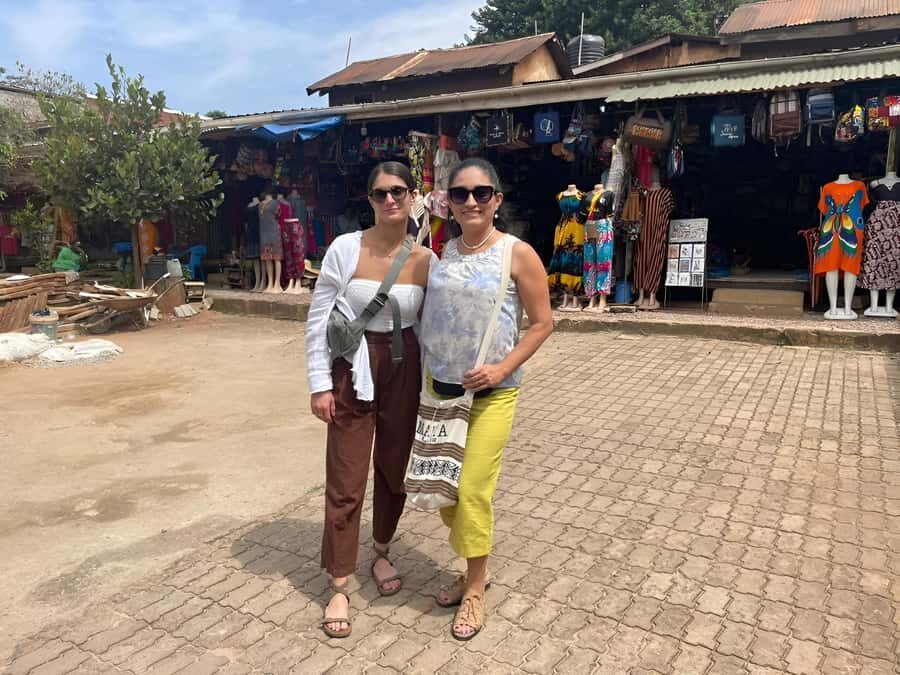
Bagala Craft Market is the tour’s first hands-on stop, with around 20 minutes to wander with guidance. This is where you can shop for locally made crafts—think jewellery, textiles, and other handmade goods—and chat with the people producing them. I like opening with this market because it sets the tone: you’re learning how to browse before you hit the larger, more intense marketplaces.
You’ll get enough time to look closely and ask questions, but not so long that you lose track of the rest of the walk. If you want to buy something, keep your budget realistic and be prepared to negotiate politely. And since you might be paying multiple small purchases, it helps to have Ugandan Shillings on hand, because some smaller vendors may not take card.
The hidden value here isn’t just souvenirs. It’s meeting the craftspeople vibe—how people talk about their work, what materials are common, and what kinds of items tourists tend to look for.
Constitutional Square + Independence Monument: seeing the country’s turning point
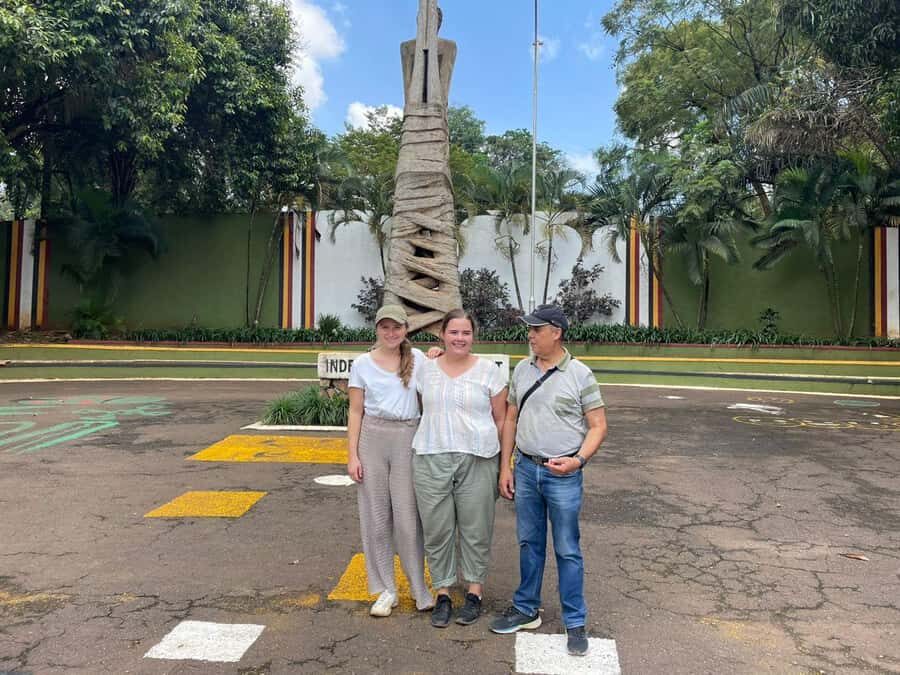
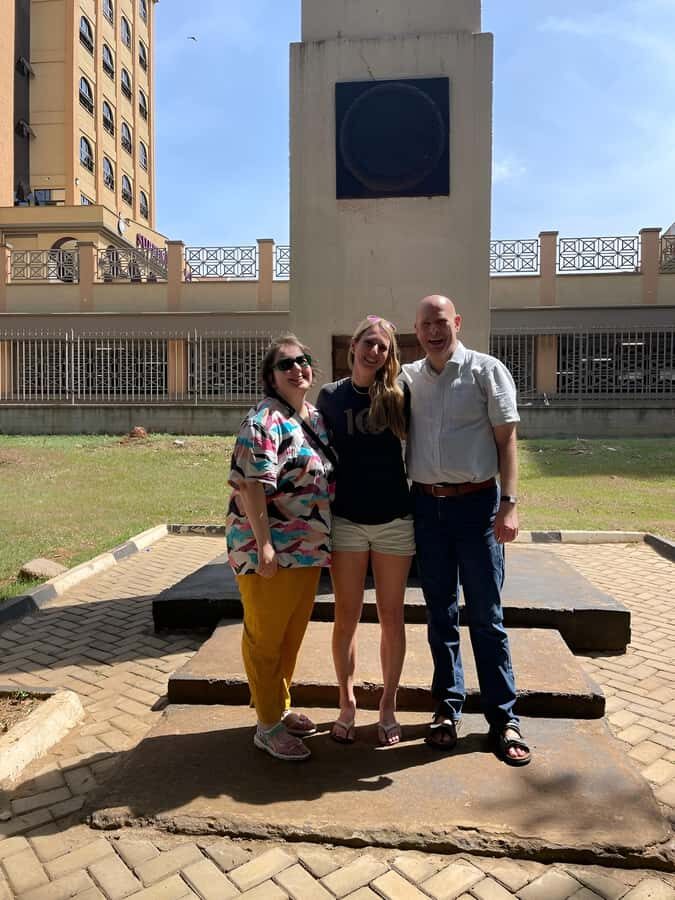
Next comes the calmer, more reflective side of Kampala: Constitutional Square followed by the Independence Monument. You’ll spend about 15 minutes at constitutional square, then roughly 20 minutes at the Independence Monument area.
This is the part of the walk where history becomes a physical place you can stand in. The Independence Monument commemorates Uganda’s independence in 1962, and it’s set in a garden setting that gives you space to breathe for a moment. For photos, it’s one of the best “pause and look up” moments in the tour, because you’re not just taking pictures through crowds.
In the vicinity, you’ll also cover the World War Memorial. It was built in 1945 by the British colonial government to commemorate Ugandans who died supporting British soldiers in World War I and World War II. This is one of the oldest monuments in Kampala, and it adds an extra layer to the story: independence doesn’t erase earlier history; it changes how the city moves forward.
If you like context behind landmarks, this is a strong stop. If you’re short on patience for monuments, it still works because the guide keeps it practical—what the memorial means and why it’s placed where it is.
The World War Memorial stop and a 15-minute café reset
After the monument segment, you’ll take a 15-minute break at a local café. I’m a big fan of this timing because markets are next, and you’ll want a small recharge before the sensory overload.
This café stop also gives you a chance to drink water and check in with your guide—whether you want to spend more time later at Owino or keep things moving. The tour is flexible, and a quick pause helps you enjoy the second half instead of just surviving it.
On the memorial side, the advantage of rolling it into this part of the walk is that you don’t have to jump back and forth across Kampala just to see one quieter monument. You get a concentrated block of “meaning places,” then you head back into the city’s daily energy.
You can also read our reviews of more guided tours in Kampala


Nakasero Market: where Kampala buys breakfast, spices, and everything else
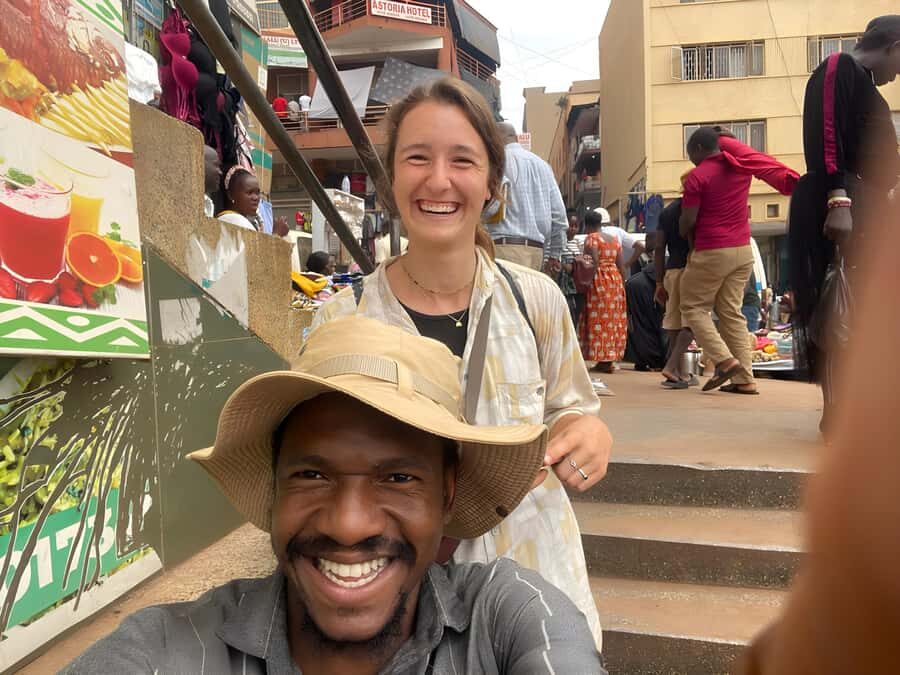
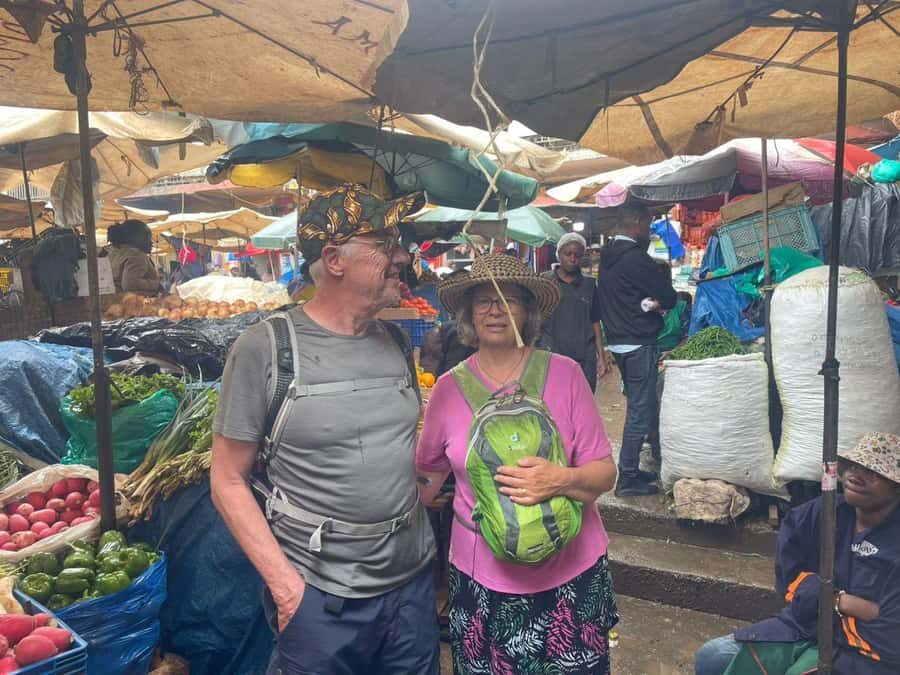
Nakasero Market is next, with about 25 minutes to explore. This is a fresh-produce-focused hub in the heart of Kampala, so you’ll see daily commerce in action—everything from fruit to spices, and you’ll likely spot vendors calling out deals as you pass.
I like markets like Nakasero because they’re not designed to entertain you; they’re designed to sell. That’s where Kampala’s rhythm shows up—quick decisions, frequent restocking, and people moving with purpose. If you’re the type who gets curious about how things work, this is the stop that answers it.
You might also find opportunities to sample or purchase things you can take with you (within reason and your comfort level). Just remember: keep your card expectations realistic and have cash ready for small purchases.
One practical consideration: markets are crowded and sometimes narrow. Your comfort depends a lot on your shoes and your patience for moving with the flow. If you come in calm and let the guide steer you, the experience feels easier—and more fun.
Old Taxi Park: the matatu chaos, explained
Now for the street-level Kampala reality check: Old Taxi Park. Expect around 20 minutes here. This place is tied to public transport, and the vibe is unmistakable—fast comings and goings, loud voices, and shared taxis (matatus) moving passengers through the city’s busiest logic.
I like this stop because it helps you understand Kampala beyond landmarks. Transport is the bloodstream of a city, and taxi parks are where you see daily life in motion. A good guide makes this section click by explaining how the system works and what you should watch for as a pedestrian.
Safety and comfort matter here. Several guides on this route emphasize looking after the group while you cross busy stretches, and the tour format is set up so you’re not wandering into the chaos alone. If you’ve ever felt nervous navigating a city on foot, this is the kind of guided “show me how” moment that builds confidence fast.
Dress for heat, too. Even a short taxi-park walk can feel sweaty if you’re standing around and watching traffic patterns.
Owino Market (St. Balikuddembe): the big-hearted chaos finale
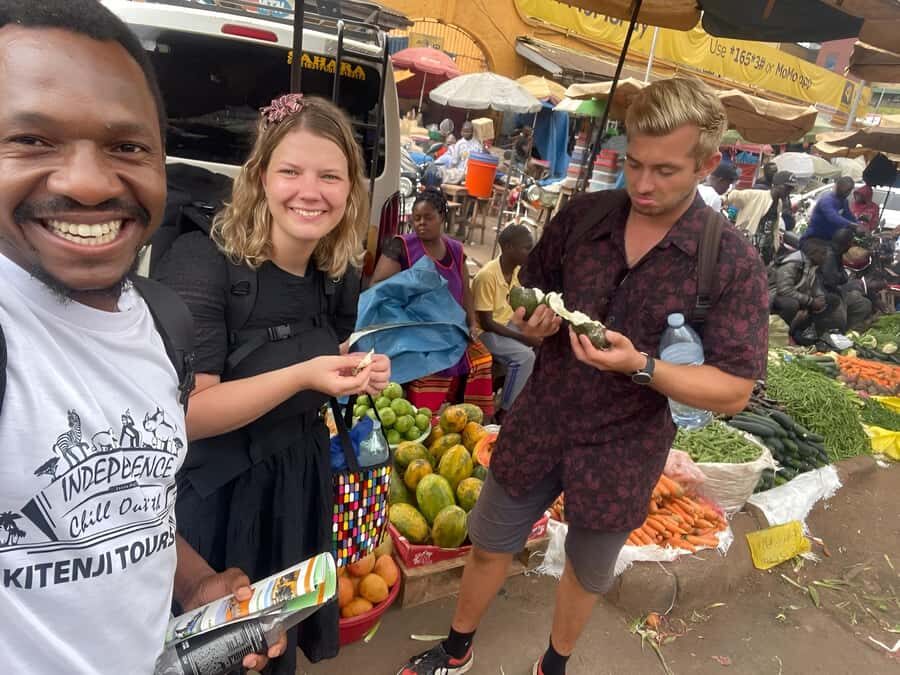
Owino Market is the grand finish, with about 45 minutes to walk, look, and decide what you want to buy. It’s described as one of Uganda’s most prominent markets, with around 50,000 traders—so yes, it’s big. The good news is the guide keeps it manageable so you’re not just overwhelmed by the scale.
This is where the senses take over: smells from spices, piles of produce, bright textiles, and a constant flow of people doing business and socializing. I recommend treating Owino less like a shopping mission and more like an observational experience first. If you decide to buy later, you’ll make better choices because you understand what’s around you.
Because this stop is so large, included entry and a guided route are a real advantage. You can focus on what you like instead of spending half your time trying to find your way.
For payment, keep your plan simple: bring Ugandan Shillings for small purchases since some vendors may not accept card payments. And if you feel like you’re walking slower than you planned, that’s normal here. The market environment encourages lingering.
What to Bring (and how to not feel wrecked at the end)
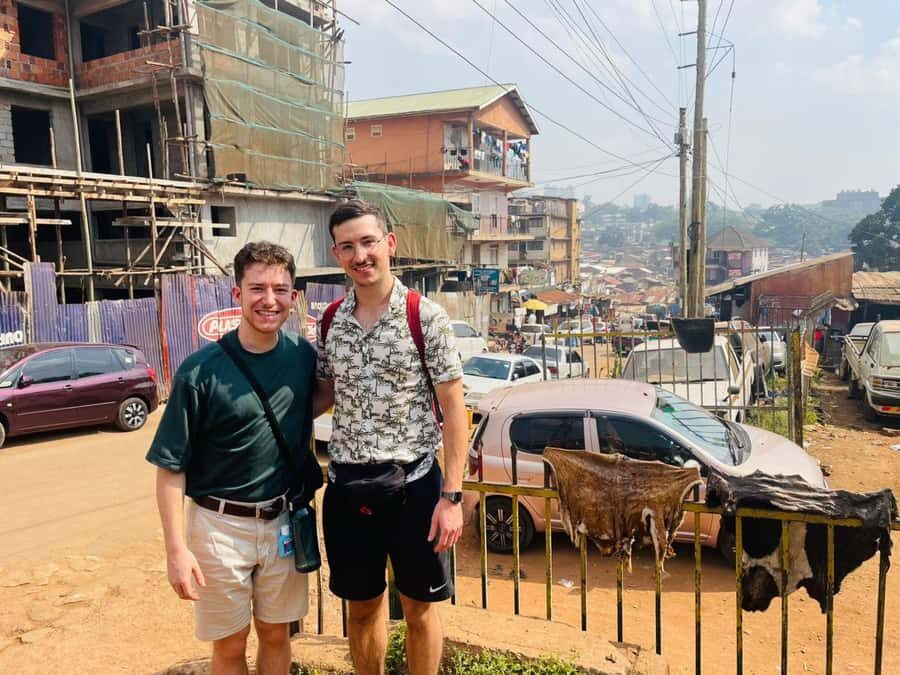
Comfort matters on this tour. You’ll want comfortable shoes first, then the “don’t suffer” kit: sun protection and hydration. Kampala’s tropical climate can mean strong sun even on a day that looks mild.
Pack or wear:
- Sunscreen, sunglasses, and ideally a hat with a brim
- A water bottle so you can keep moving without waiting for a café
- Lightweight clothes you can tolerate while walking and standing in markets
Also remember Kampala can be hilly, and you’ll be on your feet for most of the 3 hours. This isn’t a “sit and look” tour—so if you’re not used to walking in warm weather, start slowly at the beginning and let the guide set the pace.
Price and value: what $22 buys you (and what it doesn’t)
At $22 per person for about 3 hours, the value comes from three things: an English-speaking guide, small group size (up to 6), and included admissions to multiple stops (Bagala Craft Market, Nakasero Market, Independence Monument, Owino Market, and Old Taxi Park).
Where the price won’t cover your life:
- Souvenirs are on you
- Meals, including street food, aren’t included
- There’s no pick-up and drop-off built into the cost
For me, that’s a good setup. You can decide how adventurous you want to be with food and shopping. You’re not paying for a lunch you may not even like. And if you’re budgeting tight, the tour still gives you a structured introduction to Kampala without forcing expensive add-ons.
Best fit: first-time visitors who want a real sense of the city quickly. Also a good choice if you like markets but want someone to explain what you’re seeing and help keep things smooth.
Not a best fit: if you need step-free access or you have mobility concerns. The walking is the whole point here.
FAQ
How long is the Kampala walking tour?
The tour lasts about 3 hours.
What time does the tour run?
It’s available between 9 am and 7 pm, and after booking an agent will confirm your preferred start time.
Is the tour guided, and what language is used?
Yes. It includes a professional English-speaking guide.
What does the price include?
The price includes the guide, admissions to Owino Market, Old Taxi Park, Nakasero Market, Independence Monument, and Bagala craft market.
Is pick-up or drop-off included?
No. Pick up & drop off is not included.
Is the tour suitable for people with mobility impairments?
No, it is not suitable for people with mobility impairments.
What should I bring for the walk?
Bring comfortable shoes. Also consider sun protection and staying hydrated, since Uganda can be hot.
Should You Book This Kampala Walking Tour?
I’d book it if you want a fast, guided way to understand Kampala’s mix of monuments and everyday life without feeling lost in traffic or market crowds. The small group size and English-speaking guide are the big advantages, and the included site access means you spend your time walking and learning instead of handling logistics.
Skip it if walking for 3 hours on busy, hilly streets sounds like a struggle. If that’s you, you’ll enjoy Kampala more with a different style of tour that matches your mobility needs.
If you do book, go in wearing good shoes, keep a little cash ready for market purchases, and treat Owino Market as your grand finale. You’ll leave with a much clearer picture of what Kampala feels like when the city is doing what it does every day.