REVIEW · KAMPALA
Free Female Guided Walking Tours Kampala (3 Hours)
Book on Viator →Operated by Free Walking Tours Kampala · Bookable on Viator
Kampala makes sense on foot. This female-led walking tour is built to help you see the city’s key sites while supporting women guides connected to refugee communities.
I especially like the mix of famous monuments and everyday Kampala stops, and the chance to meet guides like Hanna and Rosette, who were praised for being both warm and well-informed.
The meeting point is easy to find, and the tour stays practical with a short walking window of about 3 hours. You also get to choose from a menu of stops, including Nakasero Market and the Hindu Temple Nakasero, so you can shape the walk to what you care about most.
One consideration: some stops can cost extra. For example, Gaddafi Mosque has an entrance fee required, and weather matters since the experience runs only in good conditions.
In This Review
- Key highlights to know before you go
- Price and what you actually get in 3 hours
- Where the walk starts: Cariboo Restaurant on Speke Rd
- Choosing your Kampala route from the stop list
- Independence and the major monuments that set the tone
- World War memorials and the CHOGM-linked Stride monument
- Statues and leadership: smaller stops that explain the city
- Nakasero Market and the Hindu Temple: everyday Kampala
- Old Taxi Park: a compact peek into Kampala’s transport story
- Coffee and crafts: 1000 cups and the African village market
- Gaddafi Mosque and the important entrance fee note
- Bahai Temple and the Bahai Faith stop
- Optional Fabric Shops: when to say yes
- Mobile ticket, confirmation, and the small-group feel
- Why the female-guide focus changes the whole experience
- Weather matters more than you think
- Should you book this Kampala walking tour?
- FAQ
- How long is the Free Female Guided Walking Tours Kampala experience?
- Where does the tour start and end?
- How much does it cost?
- What’s included in the tour price?
- Are there any extra fees for specific stops?
- What happens if the weather is bad?
Key highlights to know before you go

- Local female guides only, with support for women connected to refugee communities
- Small group size with a maximum of 10 travelers
- Pick-and-choose stops from monuments, markets, and religious sites
- Cariboo Restaurant is the straightforward start point on Speke Rd
- Coffee and crafts are strong priorities, with 1000 cups of coffee and an African village craft market
- Ends back at the start, so you are not stuck finding your way late in the walk
Price and what you actually get in 3 hours
This tour costs $30 per person, and it’s clearly positioned as “free guiding services only.” In plain terms: you are paying for the tour experience, but the core included value is the walking guidance. Everything else that costs money locally (entrance fees and taxes) is on you.
That can still be good value, because the tour is designed to cover a lot of Kampala in a short time: major landmarks, plus market and culture stops. You’re not just checking boxes—you’re getting a guide who can explain what you’re seeing as you go, and you can adjust what you spend your time on.
Also, you are not doing this with a crowd. The group is limited to 10 travelers, which usually means your questions land better and you can move at a pace that works for a walk.
You can also read our reviews of more walking tours in Kampala


Where the walk starts: Cariboo Restaurant on Speke Rd

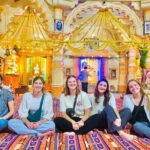
You meet at Cariboo Restaurant, Speke Rd (near the pin listed as 8H7J+HM3). It is an easy anchor point because it is a real place in the city, not a vague landmark you have to hunt down.
The tour also ends back at the meeting point. That matters more than it sounds. Kampala can be busy, and finishing where you started keeps the logistics stress low—especially for a short 3-hour walk.
You’ll also be happy to know it is near public transportation. If your plans change or you need a simple way to get to the start, this is the kind of setup that helps.
Choosing your Kampala route from the stop list

One of the best parts of this tour is that it is not rigid. You can select the activities you want from a defined list. In a 3-hour window, that means you’ll likely choose a handful of stops rather than trying to “do everything.” My advice: pick based on your travel style.
If you like big photo moments and history markers, go for the monuments. If you want local life, focus on markets, temple areas, and craft shopping. And if you want both, build in one “anchor” monument stop and one “everyday Kampala” stop.
Here are the main stops you can mix and match, plus what each one tends to add to your understanding of the city.
Independence and the major monuments that set the tone
Your stop list includes the Independence monument and the Sir Edward Muteesa Monument. These are the kind of landmarks that help you orient quickly. Even if you only catch brief moments between streets and crossings, monuments like these give you the bigger frame: how Kampala tells its story through public symbols.
Why I like these stops on a walking tour: monuments are easy to understand when you can hear the meaning in context. You’re not just looking at stone or metal. You’re learning how Kampala positions identity, leadership, and national memory in the public space.
If you are short on time, prioritizing one or two of these monument stops can do more for your mental map than adding three “extra” minor stops.
World War memorials and the CHOGM-linked Stride monument
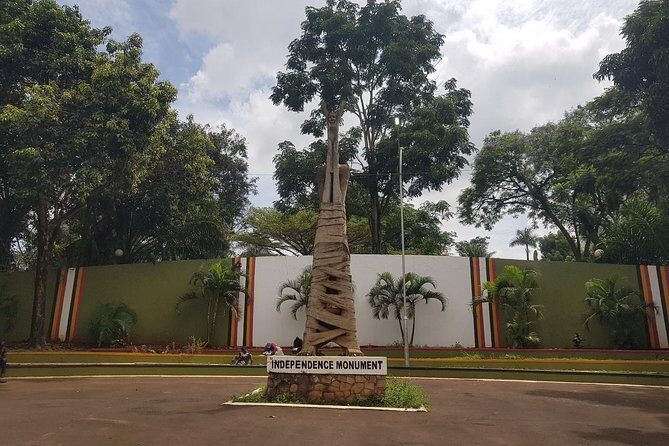
The list also includes World War 1 & 2 memorial monument and The Stride monument (CHOGM 2007). Together, they add contrast: global events and international gatherings translated into Kampala’s public landscape.
These stops are worth considering because they show Kampala in more than one role at once. You see a city that has been shaped by world history, not just local events. Even if you do not care about every detail, a memorial helps you notice how communities remember.
A practical tip: memorials can be emotionally heavy, so if you are traveling with limited time or you just want lighter energy, balance these with something more everyday later—like Nakasero Market or the craft stalls.
You can also read our reviews of more guided tours in Kampala


Statues and leadership: smaller stops that explain the city
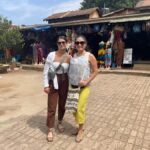
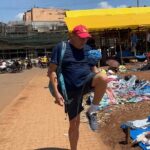
You can also add The sculpture of Sir Apollo Kagwa and Statue of leadership. These are the “walk-and-look” stops that tend to make a guided route feel alive. The guide can connect names and meanings to real places in the city.
In a walking format, statues work especially well because you see them in the flow of actual streets and daily movement. It’s the difference between reading about a figure and seeing where their story sits in the city.
If you like street-level culture and public space details, these stops are a good fit. If you prefer fewer photo moments, you can skip one and use that time for coffee or crafts.
Nakasero Market and the Hindu Temple: everyday Kampala
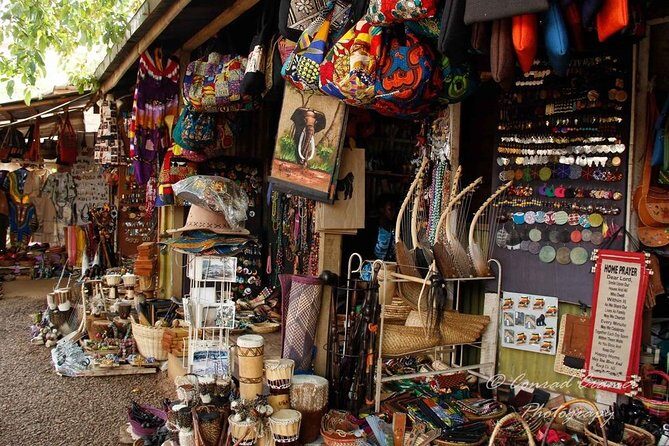
Two of the most useful stops on the list are Nakasero market and the Hindu Temple Nakasero. This is where the tour stops feeling like a sightseeing checklist and turns into a look at daily life.
Nakasero Market is the kind of place that helps you understand Kampala beyond monuments. Markets are where you feel the city’s rhythm: movement, commerce, conversations. Even if you only spend a short stretch there, it gives you a more lived-in picture.
The Hindu Temple gives you a different lens—religion and community space in the middle of city life. On a guided walk, you’ll get more context than you would by passing by.
If you plan to do both, I recommend keeping your shopping mindset flexible. You’re there for understanding and atmosphere first, and purchases second.
Old Taxi Park: a compact peek into Kampala’s transport story
The tour includes Old Taxi Park. This stop can be especially interesting if you like seeing how systems work over time—where people gather, how routes evolved, and how transport culture shapes a city.
It’s also a nice break from monument-heavy routes because it’s more about practical daily flow than symbolism.
If you are someone who gets restless on long walks, Old Taxi Park can be a good “reset” stop before you head into places like markets, mosques, or temples.
Coffee and crafts: 1000 cups and the African village market
If you want one part of the tour to feel genuinely fun, plan for 1000 cups of coffee. It’s listed as highly recommended, and that tells you it’s more than a quick caffeine stop. It’s likely a memorable break in the middle of sightseeing.
I’d treat it as a pacing tool. You get to sit, refuel, and talk with your guide while you catch your breath. In a 3-hour walking tour, that kind of break makes the whole experience feel smoother.
Right after that vibe, the list includes African village craft market (not to be missed). This is a smart stop for travelers who want to bring home something meaningful without turning the whole day into a shopping spree.
My practical advice: set a small budget before you go in. Craft markets can tempt you with variety, and you’ll enjoy the experience more if you don’t feel rushed to decide on the spot.
Gaddafi Mosque and the important entrance fee note
You can include Gaddafi Mosque, but the tour information is clear: entrance fee required. That’s the main “watch your wallet” item on the list.
If you love architecture or religious sites, this can be a strong add-on. Just make sure you carry a bit of cash for local charges, and accept that this stop may take a few minutes longer due to entry procedures.
If you’d rather keep the tour budget simple, you can skip it and still get a well-rounded Kampala walk.
Bahai Temple and the Bahai Faith stop
Another listed option is Bahai Temple – Bahai Faith. This gives you yet another cultural and religious viewpoint in one compact walking window.
On a guided route, it helps to have a local woman guide because they can connect what you see to how people live and practice. I’d prioritize this stop if you want cultural understanding, not just photos.
Optional Fabric Shops: when to say yes
Fabric Shops are marked as optional. This can be great if you enjoy textile crafts, want to understand what materials are sold locally, or simply like browsing.
But I’d only add it if you know you enjoy shopping during tours. Otherwise it can eat time you might prefer for monuments, market browsing, or that coffee break.
Mobile ticket, confirmation, and the small-group feel
You’ll receive a confirmation at booking time. You’ll also have a mobile ticket, which helps keep things simple when you’re meeting a group in a busy city.
The tour has a maximum of 10 travelers, and that size tends to work well for questions. In a smaller group, your guide can adjust pace if you need more time at a monument or want a clearer explanation before you move on.
That practical flexibility is one of the reasons this tour rate is so strong.
Why the female-guide focus changes the whole experience
This is not just a standard walking tour template. It is solely conducted by local female guides, and the mission connects to supporting young women and helping change lives in refugee communities.
That matters because it changes who you are learning from. You are not only hearing historical facts. You’re hearing how women in the area want to share Kampala’s story and culture—directly, through lived perspective.
From the guide names shared in feedback, I’d also expect a friendly, personable tone. People singled out guides like Hanna and Rosette for knowledge and warmth, and even when someone arrived late and got a shorter version, the guide still made the best of it.
Weather matters more than you think
This experience requires good weather. If it gets canceled due to poor weather, you’ll either be offered a different date or a full refund.
So if you’re booking near the edge of a rainy period, I’d keep your schedule flexible. A 3-hour walk can be uncomfortable in heavy rain, and the operator is clear that they won’t run it under poor conditions.
Should you book this Kampala walking tour?
Yes, if you want an efficient introduction to Kampala that still feels personal. The female-led format, the small group size, and the mix of monuments with market and cultural stops make this a smart first city walk—or a great second look when you want context.
Book it especially if you like tours that give you choices. You get a list of meaningful stops—Independence Monument, Sir Edward Muteesa Monument, World War memorials, Nakasero Market, Hindu Temple Nakasero, and optional extras like coffee and the craft market—so you can shape the experience instead of being dragged down a fixed route.
I’d say “maybe” if you hate walking, hate fees at religious sites, or want a fully fixed itinerary with no decision points. The route depends on what you pick, and Gaddafi Mosque can add an entrance cost.
If you can handle a simple walking plan and bring some flexibility, this is a strong value way to see Kampala with local women guiding the story.
FAQ
How long is the Free Female Guided Walking Tours Kampala experience?
It’s about 3 hours (approx.).
Where does the tour start and end?
It starts at Cariboo Restaurant on Speke Rd, Kampala, and ends back at the same meeting point.
How much does it cost?
The price is $30.00 per person.
What’s included in the tour price?
The tour includes free guiding services only.
Are there any extra fees for specific stops?
Yes. Gaddafi Mosque requires an entrance fee, and all fees and taxes are not included.
What happens if the weather is bad?
The experience requires good weather. If it’s canceled due to poor weather, you’ll be offered a different date or a full refund.