REVIEW · KAMPALA
Kampala Walking City Tours (Women Guided)
Book on Viator →Operated by The Walking Explorer Uganda Adventures · Bookable on Viator
Kampala walks hit different with women guides. This women-guided route, run through a local women’s empowerment project, mixes big landmarks like the Gaddafi Mosque with everyday life in Kampala’s markets. What I like most is the steady local guide pace, so the walk stays friendly, and the insider stories that make each stop feel connected. One heads-up: the mosque has a modest dress requirement, and the tour runs when weather is good.
You get a choice of departure time and optional pickup, plus a mobile ticket and bottled water. If your day runs tight, that matters. In one case, the guide Sarah stayed calm with a late start and still helped the group see everything with time to spare for an airport rush.
This is also a tour that leans real. You’ll move through noisy market lanes, busy transport areas, and working neighborhoods, not just photo stops. If you hate crowds, loud bargaining, or religious sites that ask for respectful clothing, you’ll want to plan your expectations.
In This Review
- Key highlights before you go
- Women-guided purpose: you’re not just sightseeing
- Route overview: how 3 hours 50 minutes actually works
- Stop 1: Gaddafi (Uganda National) Mosque and what to notice
- Kisenyi neighborhood: where Kampala mixes markets and many faiths
- Owino Market: shopping chaos with real choices
- Old Taxi Park: transport hub, snack stop, and people-watching
- Temple SSDM Shree Sanatan Dharma Mandal: faith, prayers, and a library
- Nakasero Market: food, fabrics, and friendly bargaining
- Independence Monument and the World War II Memorial: two pauses for reflection
- Gorilla Bookings: a cultural language link to gorilla tourism
- Bagala Craft: where souvenirs become stories
- Price and value: what $34.88 buys you in Kampala
- Who this tour suits best (and who should rethink it)
- Quick booking tips that make the day smoother
- Should you book this women-guided Kampala walking tour?
- FAQ
- How long is the Kampala Walking City Tour (Women Guided)?
- What does the tour cost?
- Is bottled water included?
- Is pickup available?
- Do I need admission tickets for all stops?
- What stops are included on the walk?
- What should I wear for the mosque?
- Is the tour weather-dependent?
- How far in advance should I book?
- What’s the cancellation policy?
Key highlights before you go

- Women’s empowerment in action: your ticket helps support a local project focused on getting more women involved in tourism.
- A guided walk that feels doable: you cover a lot of sights in 3 hours 50 minutes without it turning into a forced march.
- Mosque to markets, all in one flow: Gaddafi Mosque, Owino Market, Old Taxi Park, plus monuments and craft stops.
- Hands-on local experiences: street-level Kampala where you can haggle, snack, and see how people actually shop.
- Admission included at most stops: several key site entries are already covered in the ticket price.
- A guide who adjusts to your timing: Sarah’s approach shows the tour can flex if you have a specific deadline.
Women-guided purpose: you’re not just sightseeing
The heart of this tour is simple: you’re walking through Kampala with a women-guided team that’s tied to a women’s empowerment project. That means your money supports local jobs and local visibility in tourism, not just a guide’s time.
I like experiences with a clear reason to exist. Here, the route isn’t random. It connects religious landmarks, major markets, and city history to everyday Kampala life, so the empowerment angle feels practical, not like a side note.
You can also read our reviews of more walking tours in Kampala


Route overview: how 3 hours 50 minutes actually works
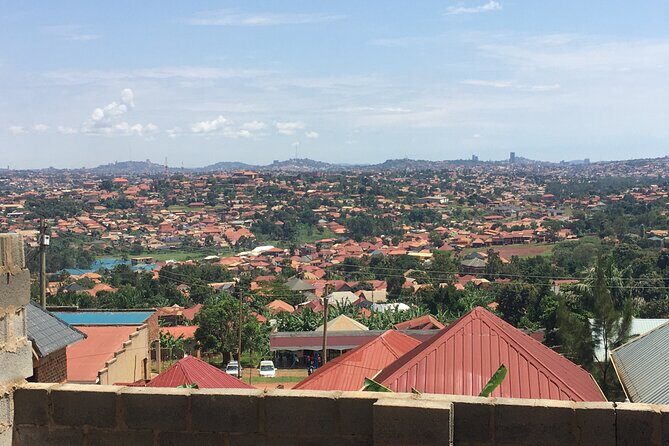
This tour is designed as a compact city loop, with stops clustered around central Kampala. The full duration is about 3 hours 50 minutes, and you’ll spend time at each place long enough to look, ask questions, and get oriented.
Here’s the shape of the route:
- Start at the Gaddafi National Mosque (also known as the Uganda National Mosque).
- Walk through Kisenyi, a historic neighborhood known for market energy and local food.
- Hit Owino Market and then Old Taxi Park, two of the city’s most active hubs.
- Continue to cultural/religious and public sites: Temple SSDM Shree Sanatan Dharma Mandal, Nakasero Market, Independence Monument, and the World War II Memorial.
- Finish with shopping and context: Gorilla Bookings and Bagala Craft.
Because it’s a walk, you’ll want comfortable shoes and you’ll feel the heat and movement. The good news is that past guests describe it as a decent walking amount without being too strenuous.
Stop 1: Gaddafi (Uganda National) Mosque and what to notice
Plan on about 40 minutes here. This is one of the largest mosques in Africa in Kampala, and it’s visually dramatic: domes, minarets, and intricate Arabic calligraphy and patterns.
What you should pay attention to:
- Architecture details: the calligraphy and geometric design are the real “wow.”
- City views: the mosque gives you a perspective over Kampala.
- Faith and culture: a guided visit helps you understand what you’re looking at.
Dress code is serious here. You’ll need arms and legs covered, and your head covered too. Admission isn’t included at this stop, so keep that in mind when you’re budgeting your day.
Practical tip: if you don’t travel with a scarf you can use to cover your head, pack one. You’ll be glad you did.
Kisenyi neighborhood: where Kampala mixes markets and many faiths
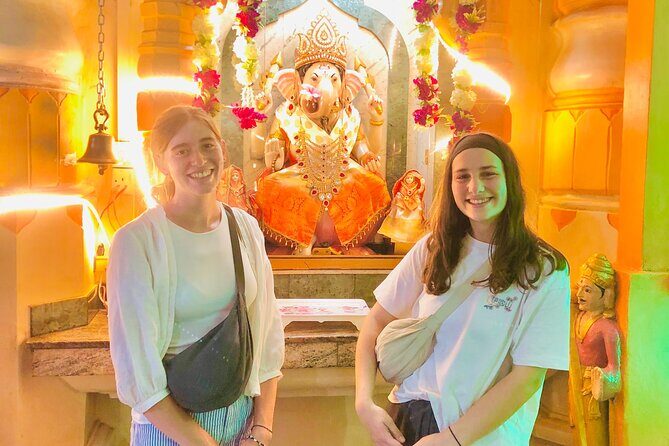
After the mosque, the route moves into Kisenyi, known for being historic and culturally diverse. Expect busy market streets where you can haggle for produce, fabrics, and local crafts.
This is also where you’ll get a feel for everyday Kampala:
- Local eateries and street food opportunities
- A mix of religions you’ll see reflected in daily life
- Visible history, including the Old Kampala Railway Station and remnants of colonial-era architecture
I like this stop because it’s not just about seeing landmarks. It’s about seeing how people live around them. It also helps you understand the city’s energy before you plunge into the bigger markets.
One drawback to plan for: Kisenyi can be loud and crowded. If you’re sensitive to noise or you don’t like negotiating, give yourself a slower pace and let your guide do the social navigation.
Owino Market: shopping chaos with real choices
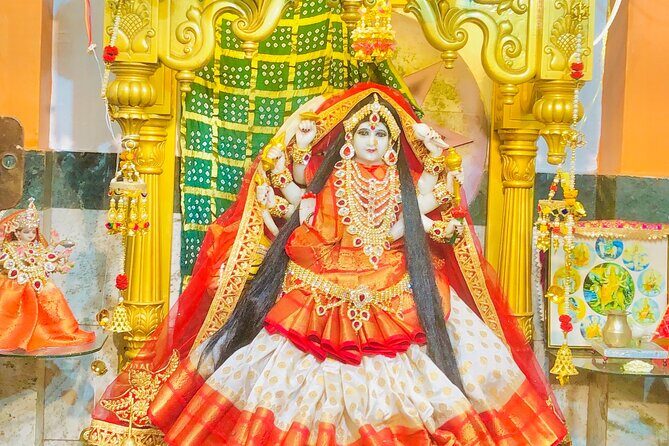
Next is Owino Market, about 35 minutes. It’s one of Kampala’s main commercial centers, so it has that full-city-market feel: vendors calling out, lots of people moving, and constant price bargaining.
What you’ll likely see:
- Clothing, shoes, electronics, and jewelry
- Crafts and fresh produce
Admission is included for this stop, which is a nice value detail. And this is one of the places where a guide really earns their keep. Markets like this are easier to navigate with someone who understands where you’ll be comfortable and what’s worth your time.
If you want to buy something, go in expecting to haggle. If you just want to look, you can still learn a lot about what people trade and what’s popular.
You can also read our reviews of more guided tours in Kampala


Old Taxi Park: transport hub, snack stop, and people-watching

You’ll spend about 20 minutes at Old Taxi Park. This is a major transport hub, so yes, it can feel chaotic at first—buses, taxis, minibuses, and people rushing between destinations.
Here’s why it’s worth visiting:
- It’s a real view of Kampala’s movement and rhythm
- You’ll see street vendors selling small items like snacks and drinks
- There are shops and kiosks for quick needs
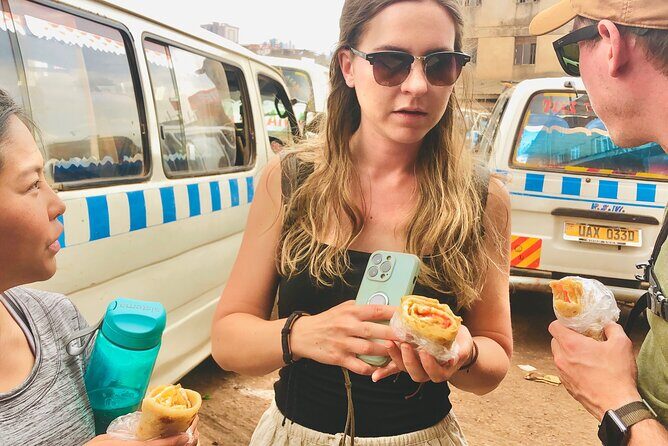
One very practical detail from a guide’s value: this is a great place to try a Rolex, a popular street snack. It’s quick, flavorful, and easy to fit into a walking schedule.
Safety note (the boring one that matters): keep an eye on your belongings and watch where you step. Crowds plus traffic flow means you stay alert.
Temple SSDM Shree Sanatan Dharma Mandal: faith, prayers, and a library
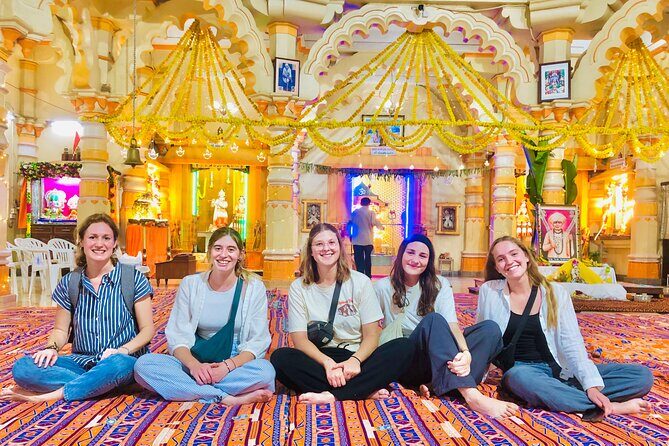
Your next stop is Temple SSDM Shree Sanatan Dharma Mandal, around 15 minutes. You’ll find Hindu temple elements including deities and a place for prayers. The description also notes a library and an authentic Indian restaurant on-site, so you get more than one angle on culture here.
Admission is included at this stop. The best way to enjoy it is to slow down a bit and look respectfully—ask questions if your guide invites it, and follow any clothing rules on the grounds.
This stop is also a nice breath between the harder-working market areas and the open-air monuments that come later.
Nakasero Market: food, fabrics, and friendly bargaining

Then it’s Nakasero Market, about 20 minutes. This is another major shopping stop, with fresh produce and lots of other goods.
Expect:
- Fruits, vegetables, and meats
- Handmade crafts and clothing
- Plenty of bargaining talk as you walk through
The tour also points out street food options like roasted maize or cassava chips. Even if you don’t eat, it’s useful to taste what people are actually snacking on during their shopping rounds.
Admission is included for this stop. If your budget is tight, markets are where this tour’s value starts to show—site time, browsing time, and included entry.
Independence Monument and the World War II Memorial: two pauses for reflection
Now the pace shifts from markets to monuments.
At the Independence Monument, you’ll spend about 20 minutes. It’s a towering symbol tied to Uganda’s struggle for independence, and your guide will likely help you connect what it represents to the country’s ongoing journey.
Next is the World War II Memorial, around 15 minutes. The focus here is on what happened during World War I and World War II in Europe. It’s a reminder that global events ripple outward, and Uganda holds its own places where that history is marked.
These monument stops are included (admission is noted as included for both). If you’ve been walking through noise and commerce, this is where your brain gets to rest and your questions can get deeper.
Gorilla Bookings: a cultural language link to gorilla tourism
One of the more unique stops is Gorilla Bookings, about 20 minutes. The tour notes that Rugahinga is a Lugika word meaning a sleepy fellow, tied to one of the great mountain gorillas that habituated gorilla tourism in Uganda.
Even if gorilla trekking isn’t on your trip plans, this stop helps explain how language, animal names, and tourism history connect. It’s also useful for people planning future trips, since it gives context for how gorilla tourism developed.
Admission is included at this stop, and the time block is short enough to keep the tour from feeling like it’s switching topics too far.
Bagala Craft: where souvenirs become stories
The final stop is Bagala Craft, about 25 minutes. This is a craft market where you can browse handmade items like:
- Pottery
- Jewelry
- Textiles
- Wood carvings
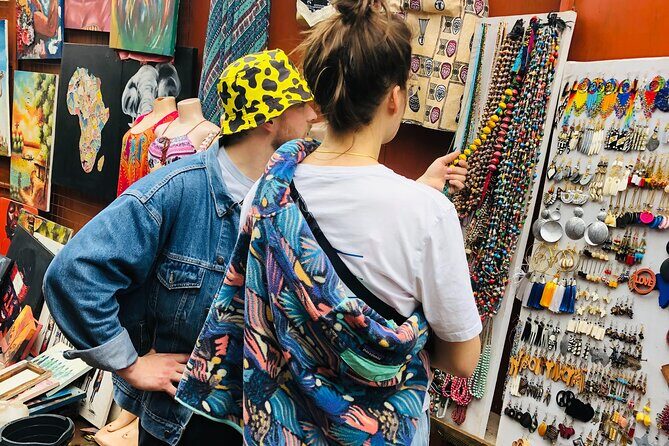
This is where you can pick up a gift that doesn’t feel like a generic import. The tour notes that you may meet artisans and learn about the craft, which is the difference between buying a souvenir and buying a connection.
Admission is included here, so your money goes farther than a stop where you just pay for browsing.
Price and value: what $34.88 buys you in Kampala
At $34.88 per person, this is priced like a smart half-day activity. The value comes from stacking several major experiences into one guided route:
- Multiple key stops, with admission included at many of them
- Bottled water included
- Optional pickup offered (but pickup/drop-off fees are not included)
The big value lever is the mix. You’re not just walking past places. You’re getting time at landmarks, time in markets, and guided context that helps you move through Kampala without feeling lost.
If you were to visit sites individually, plus hire a guide for market navigation, it would likely cost more in time and money. The only extra cost you might face is mosque admission at the start, plus any pickup/drop-off fees if you choose that option.
Who this tour suits best (and who should rethink it)
This tour fits you if:
- You want a guided way to see central Kampala quickly
- You like markets, food stops, and bargaining culture
- You prefer respectful guided visits at religious sites
- You want your travel spending to support women’s empowerment
You might want to reconsider if:
- You strongly dislike crowds and noise
- You need a fully relaxed, low-step pace
- You aren’t comfortable with the mosque’s modest dress requirement
“Most travelers can participate,” and the route is described as a decent walk that isn’t too strenuous. But it’s still a walking tour, so pack for walking.
Quick booking tips that make the day smoother
- Bring a scarf for the mosque head-covering requirement.
- Wear shoes you don’t mind getting dust or street grit on.
- Decide early if you want to shop, since bargaining in markets can take time.
- Choose a departure time that matches your energy level and your schedule.
- If you have a tight deadline, tell your guide what you need. Sarah’s handling of a rushed airport situation shows this can be accommodated.
Should you book this women-guided Kampala walking tour?
I’d book it if you want Kampala with context, not just photos. The women-guided empowerment mission gives your money a clear purpose, and the route packs high-value stops into about four hours without turning into a hard slog.
It’s also a good first taste of the city. You’ll see major religious architecture, learn how Kampala shops in markets, and end with craft shopping that feels personal.
Pass only if you know you’ll struggle with crowds, noise, or the modest dress rules at the mosque. Otherwise, this is one of the more efficient ways to understand Kampala in a single morning or afternoon block.
FAQ
How long is the Kampala Walking City Tour (Women Guided)?
It runs for about 3 hours 50 minutes (approx.).
What does the tour cost?
The price is $34.88 per person.
Is bottled water included?
Yes, bottled water is included.
Is pickup available?
Pickup is offered as an option, but pickup and drop-off fees are not included in the tour price.
Do I need admission tickets for all stops?
Admission ticket inclusion varies by stop. The Gaddafi National Mosque lists admission ticket not included, while several other stops (like Owino Market and Old Taxi Park) show admission ticket included.
What stops are included on the walk?
The route includes Gaddafi National Mosque, Kisenyi area, Owino Market, Old Taxi Park, Temple SSDM Shree Sanatan Dharma Mandal, Nakasero Market, Independence Monument, World War II Memorial, Gorilla Bookings, and Bagala Craft.
What should I wear for the mosque?
The mosque requires modest dress, including arms and legs covered and head covered.
Is the tour weather-dependent?
Yes. The experience requires good weather. If it’s canceled due to poor weather, you’ll be offered a different date or a full refund.
How far in advance should I book?
On average, it’s booked about 14 days in advance.
What’s the cancellation policy?
Free cancellation is available up to 24 hours in advance for a full refund. If you cancel less than 24 hours before the start time, you won’t get a refund.