REVIEW · KAMPALA
10 Day Gorilla Chimps and Big 5 Safari
Book on Viator →Operated by Big Apes Africa Safaris · Bookable on Viator
Tracking gorillas and chimps is life-changing. This 10-day Uganda wildlife loop is packed with Big Five sightings and big landscapes to match. I really like the way it hits iconic primates fast, plus adds variety with rhino walking, boat time, and Ishasha tree-climbing lions. The one drawback to keep in mind is pacing: it is intense, with long drives, early starts, and physically demanding rainforest time.
I also like the human side. Reviews highlight guide Tim and driver Gerald from Big Apes Africa Safaris as friendly, careful, and genuinely useful in the field, not just along for the ride. If you prefer a slow vacation with lots of downtime, this tour may feel like a steady sprint.
In This Review
- Key things I’d put on your radar
- Why this route makes sense for primates and Big Five
- Price and value: what $3,500 really covers
- Day 1 in Entebbe: a soft start before the real work
- Day 2 to 3: Murchison Falls National Park for rhinos, Nile power, and game drives
- Day 2: rhino walking and the top-and-bottom falls day
- Day 3: early game drive, then the Nile up to Queen of Africa movie sites
- Day 4 to 5: Kibale and Bigodi for chimp-ready energy and top birding
- Day 4: Kibale area arrival plus community walking option
- Day 5: Bigodi Wetlands Sanctuary swamp walk and Kazinga Channel boat time
- Day 6: Chimps in Kyambura Gorge and Ishasha tree-climbing lions
- Kyambura Gorge chimp trekking briefing and forest time
- Ishasha tree-climbing lions at sunset
- Day 7 to 8: Bwindi Impenetrable National Park for lions-in-waiting and gorilla tracking
- Day 7: early game drive before the Bwindi transfer
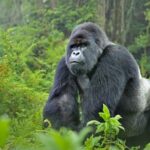
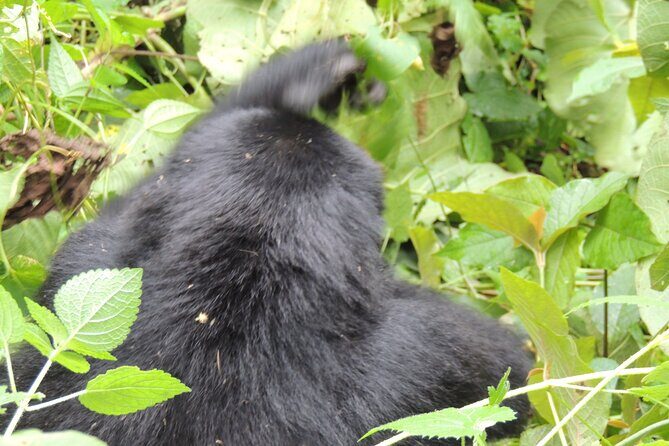
- Day 8: gorilla trek briefing, small groups of eight, and the one-hour gorilla visit
- Day 9: Lake Bunyonyi for a break from trekking intensity
- Day 10: back to Entebbe with an Equator lunch stop and craft time
- Guide quality and group setup: what it means for your day
- What to pack and how to handle the physical side
- Who this safari is best for
- Should you book 10 Day Gorilla Chimps and Big 5 Safari?
- FAQ
- Where does the tour start and end?
- What time does the tour start?
- How long is the tour?
- What’s included in the price?
- What’s not included?
- Do I need moderate fitness for this trip?
- Is it a private tour?
Key things I’d put on your radar
- Gorilla and chimp tracking are the headline, with guided forest time and ranger briefings
- Murchison Falls mixes rhino walking, a Nile cruise, and the top and bottom of the falls
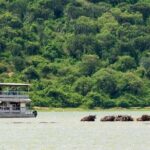
- Kazinga Channel boat trip adds different wildlife viewing from the water
- Ishasha for tree-climbing lions gives you one of Uganda’s most distinctive chances
- Small gorilla groups of eight with a ranger guide during the one-hour gorilla visit
- Moderate fitness helps a lot, especially for slippery, steep rainforest paths
Why this route makes sense for primates and Big Five
This is a wildlife-focused itinerary built around a simple idea: do the most famous animal experiences in the right places, without pretending you can see everything in Uganda at a lazy pace. The trip starts in the Kampala/Entebbe area, then moves west and south in a loop that keeps you close to the action each day.
You get a clear mix of viewing styles. Some days are about scanning from a vehicle during game drives. Other days shift to quiet time on foot with trackers. And a couple of days add viewing from the water on Kazinga Channel and on the Nile near Murchison Falls. That variety matters because animal behavior changes by time of day, heat, and habitat, and Uganda rewards you when you match the method to the animals.
This tour is also structured around timed activities, so you are not waiting around all day with nothing happening. The downside is obvious once you see it: you will spend more of your trip in transit than on a beach or in a cafe. If you love wildlife but also like a little breathing room, plan for rest to be built into lodge downtime, not scheduled as a full free day.
A few more Kampala tours and experiences worth a look

Price and value: what $3,500 really covers
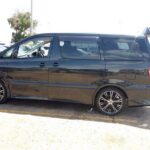
At $3,500 per person for a 10-day safari, this is not a budget trip. What makes the price feel more reasonable is that a lot of the costly parts are included: the genuine park entry fees, your chimp and gorilla trekking permits, accommodation, and a safari guide. You also get private transportation plus meals (breakfast and dinner for 9 days, and lunch for 10 days).
In practical terms, permits and park fees can be the part of a Uganda itinerary that surprises people later. Here, you can plan with fewer unknowns. You are paying for access, guides, and the logistics to reach four major areas: Murchison Falls, Kibale/Bigodi, Queen Elizabeth/Ishasha, and Bwindi Impenetrable.
That said, the trip is still a safari, so you should budget for the extras that are not listed as included: visa charges and airfares, tips, and personal spending like laundry and souvenirs. Tips matter in Uganda safaris, and you’ll feel that difference if you skip them.
Day 1 in Entebbe: a soft start before the real work
Your adventure begins with an arrival transfer into Entebbe, with a night at a hotel before the safari starts in earnest. This is a smarter setup than starting immediately into the wilderness. It gives you time to get organized, do a quick orientation, and take a breath before a string of early mornings.
Depending on arrival time, you can get the briefing either right away or early the next day. Either way, you’ll want to treat Day 1 as your warm-up day: charge devices, confirm what you need for rain and forest time, and try to rest. Uganda mornings can be cool and bright, and your energy will matter when you are trekking later.
Day 2 to 3: Murchison Falls National Park for rhinos, Nile power, and game drives
Murchison Falls is one of Uganda’s big-name parks for a reason: it concentrates drama. The itinerary uses it well across two days, rather than rushing through.
Day 2: rhino walking and the top-and-bottom falls day
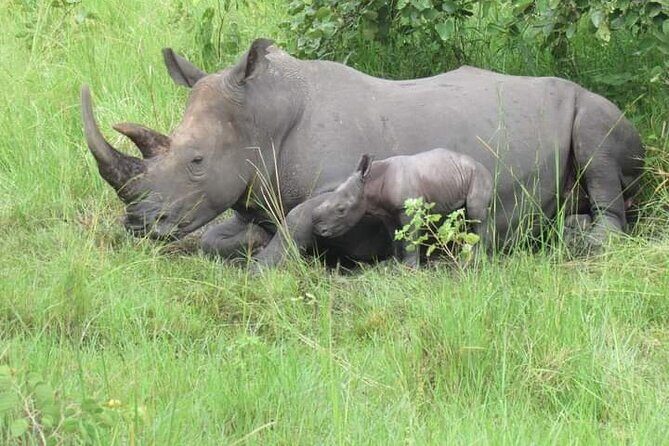
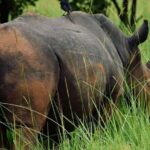
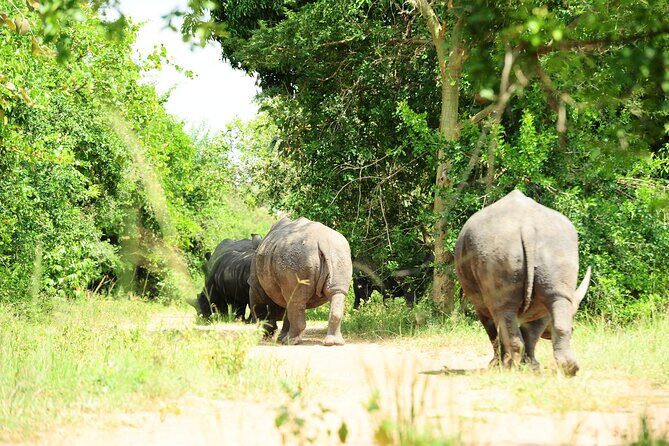
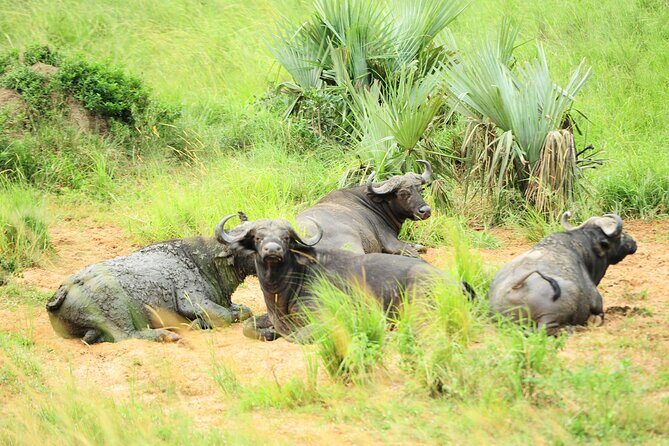
You start early with a drive to Murchison Falls and a walking safari to track white rhinos. That foot component is a major value-add because you are not only watching animals from a distance. You’re moving with trackers and learning how wildlife behaves when you’re close enough to notice details.
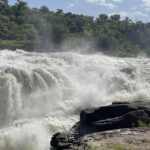
Lunch happens along the way, then you head to the top of the falls. After that, you can walk toward the bottom for views of what is described as the most powerful waterfall in the world. It’s one of those places where pictures help, but they don’t fully explain the noise and force you feel in person.
Before you reach the lodge, you also get a guided game drive. So even though rhino time is the main act, you still stack in other sightings—birds, antelopes, and likely more—while you still have daylight.
Day 3: early game drive, then the Nile up to Queen of Africa movie sites
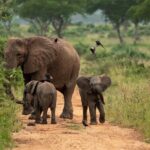
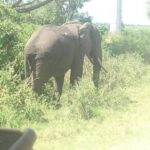
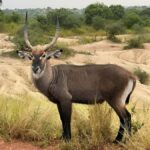
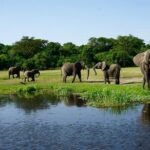
Another early morning game drive gives you your best chance at predators like lions and leopards when conditions are good. The plan also includes time for elephants, hartebeests, antelopes, and a lot of bird life. This is where the guide’s judgment helps: when animals are active, where to look, and when to move to the next angle.
After lunch, you explore the Nile up to the bottom of the falls. The tour notes a specific cultural fact here: the Queen of Africa movie from 1951 was shot along these waters. Even if you don’t know the film, it’s a useful anchor that turns a scenic stop into something with a story.
You have an option for an extra evening game drive, or you can relax. I like having that choice on a safari: after two full days of Murchison, you may either want more sightings or simply want to recharge for what comes next.
Day 4 to 5: Kibale and Bigodi for chimp-ready energy and top birding
After Murchison, you drive south toward Kibale—jungle country that sets up the next primate chapters.
Day 4: Kibale area arrival plus community walking option
The day is focused on getting you into position for the next experiences. You drive to Kibale, have lunch along the way, and then can relax at the lodge or take a guided walk through the community after the long drive.
That community option can be a welcome contrast on a trip that otherwise feels entirely animal-driven. Even a short walk can help you understand how people live near forests and what daily rhythms look like.
Day 5: Bigodi Wetlands Sanctuary swamp walk and Kazinga Channel boat time
You start with a Bigodi Swamp walk, which the itinerary describes as excellent for birding and monkey viewing. The circuit is 4.5 km, and it’s set up to give you a blend of forest and swamp species. If you like wildlife but also enjoy seeing lots of different small things—birds, monkeys, and other movement—this is a strong day.
After that, you transfer to Queen Elizabeth National Park. You can do an evening game drive, then you head into Kazinga Channel for the included afternoon boat trip. Boat days are different: animals appear along shorelines and at water edges, and you get birds and mammals working the same landscape from a new angle.
The plan here includes abundant wildlife like birds and mammals during the cruise. Then you can choose an evening game drive again or just settle into lodge time after a full day.
Day 6: Chimps in Kyambura Gorge and Ishasha tree-climbing lions
This is one of the busiest days on paper, and it can feel even busier in practice because you’re switching habitats—forest to savannah—back to back.
Kyambura Gorge chimp trekking briefing and forest time
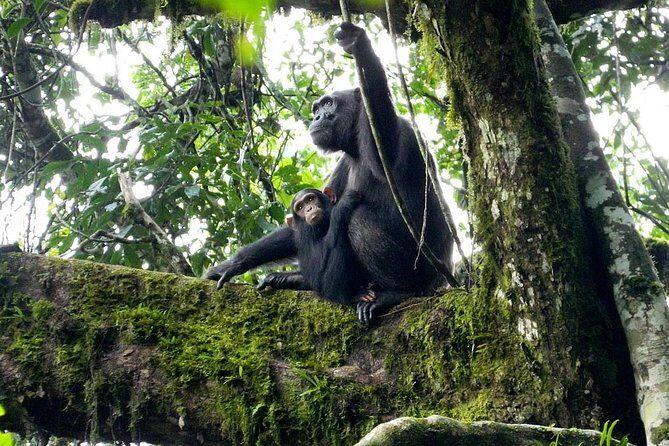
In the morning you go to Kyambura Gorge for chimp trekking and check in for a briefing. Then you get divided into small groups and enter the forest with a park ranger. The trip notes chimp trekking takes around three hours including ranger time.
It also flags a key practical point: bring enough drinking water. On a tropical trek, water isn’t just comfort—it’s smart safety. And because you’re in a forest environment, conditions can change fast, so moving well matters.
Ishasha tree-climbing lions at sunset
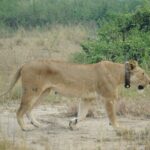
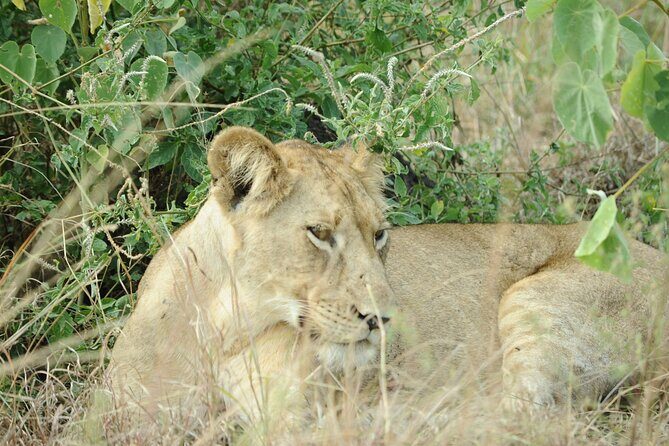
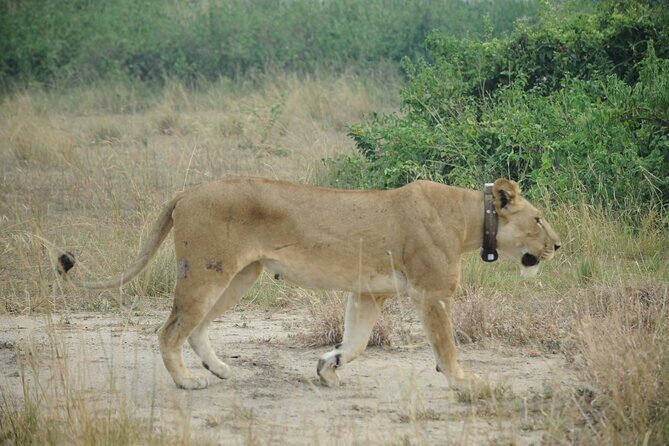
After chimp trekking, you transfer to Ishasha, known for tree-climbing lions. You check in, then you can go for a game drive. The plan also includes enjoying the sunset with drinks in the wilderness setting.
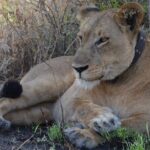
Tree-climbing lions are not something you see in every safari circuit. When the light and the habitat match, Ishasha can deliver a rare kind of lion behavior. Even if you don’t spot them instantly, the day is still worth it because you’re being put in the right place at the right time.
Day 7 to 8: Bwindi Impenetrable National Park for lions-in-waiting and gorilla tracking
Bwindi is where your trip becomes unforgettable in a very specific way: the forest is thick, the animals are close to your sense of wonder, and the day plan is about getting you in and out with enough time to do it properly.
Day 7: early game drive before the Bwindi transfer
The day starts with an early morning game drive with opportunities for elephants, lions, leopards, and many birds. The itinerary notes that chances to find lions can be higher when the sun is fully out and warm.
After that, you transfer to Bwindi Impenetrable National Park. This matters because it positions you for a gorilla trek with less stress. You’re not arriving right before dark and then trying to prep for a long jungle walk.
Day 8: gorilla trek briefing, small groups of eight, and the one-hour gorilla visit
The gorilla day starts with a briefing point in the forest. You’ll be advised to bring drinking water and a lunch box. There’s also a porter option at a cost of $15 to help carry your bag and assist on slippery or steep parts. I like that this is practical and optional, because it lets you match support to your comfort level.
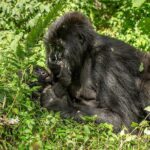
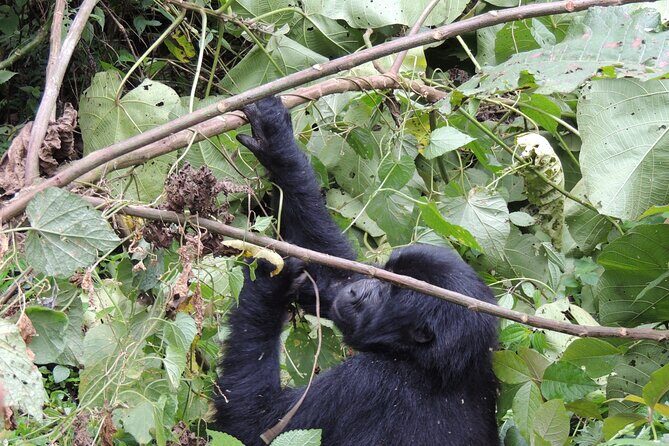
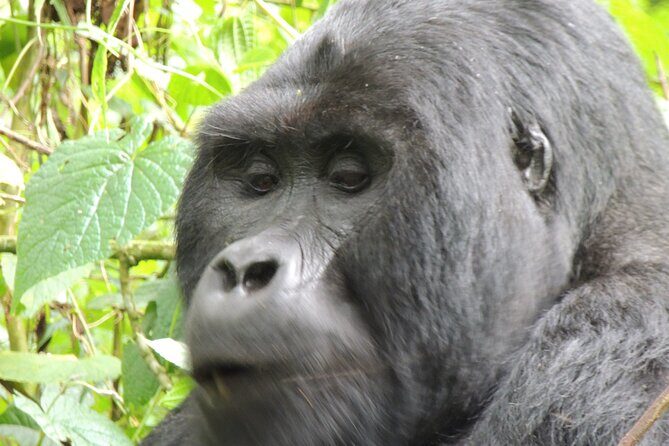
After the briefing, you are distributed into groups of eight and led into the forest by a ranger. Once you find the gorillas, you get one hour in their company. Then you head back.
Rain gear is important. Bwindi is described as a tropical rainforest, and your comfort matters when you are walking through mist and wet vegetation. Even if you think you’re tough, you’ll still feel the forest humidity and the uneven paths—so plan to dress for it.
Day 9: Lake Bunyonyi for a break from trekking intensity
After gorillas, you deserve something softer. Day 9 shifts to Lake Bunyonyi, described as the deepest lake after Tanganyika.
You have breakfast at leisure, then a transfer to Bunyonyi. The plan includes time for swimming in Uganda’s most beautiful lake or at the lodge swimming pool. There’s also canoe time to enjoy nature and even explore surrounding communities.
This is a smart placement in the itinerary. You’re not cramming in another animal trek right after Bwindi. Instead, you get fresh air, calmer pacing, and water time so your body can recover a bit.
Day 10: back to Entebbe with an Equator lunch stop and craft time
Your final day is a return journey to Entebbe with a lunch stop at the Equator. After lunch, you can opt for shopping for African crafts before heading to Entebbe International Airport.
If you like bringing home small items with meaning, this is the day to do it. Keep it simple: buy what you love, and remember that personal spending is not included. Then you’re ready for your flight without rushing through the last hours.
Guide quality and group setup: what it means for your day
This tour leans heavily on guides and rangers, and that matters more than most people expect. With primates, your ranger’s experience can affect where you start, how you read the forest, and how you manage expectations when animals are not immediately visible.
The tour’s primate format is also specific:
- Chimp trekking happens in small groups with a ranger, and it takes about three hours including ranger time.
- Gorilla trekking uses groups of eight and a ranger lead, with a one-hour gorilla encounter.
Those details are the difference between feeling guided and feeling rushed.
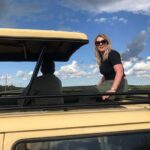
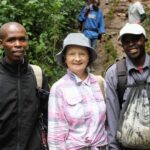
The supplied reviews also point to a friendly, professional guide experience. People specifically mention Tim from Big Apes Africa Safaris and a driver named Gerald. That kind of consistency matters because a careful driver helps on long drives, and a guide who knows how to explain what you’re seeing makes game drives much more satisfying than simple spotting.
What to pack and how to handle the physical side
This itinerary says it’s best for travelers with moderate physical fitness. That’s not a guess. You will face:
- Early starts
- Long driving days
- Forest trekking in wet, steep conditions (especially for gorillas)
Two practical notes are explicitly included in the plan:
- Carry enough drinking water for chimp trekking.
- Rain gear is important for the Bwindi rainforest environment.
Also consider the gorilla porter option at $15 if you expect slippery sections to slow you down. If you’re someone who gets tired quickly, that support can make the trek feel more manageable without taking away the spirit of the experience.
Who this safari is best for
This is a strong fit if you:
- Want gorilla trekking and chimp trekking in the same trip
- Like animal viewing that mixes methods: walking, vehicles, and boats
- Enjoy having structured days with few empty hours
- Are comfortable with a physically active style of travel
It may not be ideal if you:
- Want lots of free time
- Get easily worn down by long drives and early mornings
- Prefer to avoid trekking in wet rainforest conditions
Should you book 10 Day Gorilla Chimps and Big 5 Safari?
I think it’s a great booking choice if your goal is straightforward: you want a Uganda wildlife trip where primates are front-and-center and the rest of the itinerary supports that with high-impact safari moments. The inclusion of chimp and gorilla permits, park fees, accommodation, guided activities, and the Kazinga Channel boat trip makes the overall value easier to justify.
Book it if you’re excited by the idea of rhinos on foot, Nile falls power, chimp trekking in Kyambura Gorge, and gorillas in Bwindi with ranger guidance and a one-hour encounter. Pass, or at least reconsider the intensity, if you want a laid-back vacation or if rainforest trekking sounds like too much.
FAQ
Where does the tour start and end?
It starts back in the Entebbe area after transfer from Kampala and ends back at the meeting point after the return journey to Entebbe.
What time does the tour start?
The start time is listed as 5:30 am.
How long is the tour?
The duration is about 10 days.
What’s included in the price?
Included items listed are private transportation, park entry fee, chimp and gorilla trekking permits, accommodation, a safari guide, boat cruise fees, and meals (breakfast 9 times, dinner 9 times, and lunch 10 times).
What’s not included?
Not included are visa charges and airfares, tips, and personal items like laundry and souvenirs.
Do I need moderate fitness for this trip?
Yes. The tour notes travelers should have a moderate physical fitness level, especially because of trekking and time in the rainforest.
Is it a private tour?
Yes. It’s described as a private tour/activity, with only your group participating.