REVIEW · KAMPALA
Kampala guided walking tour
Book on GetYourGuide →Operated by Preen Tours and Travel Company Ltd · Bookable on GetYourGuide
Old Kampala moves fast on foot.
This guided walk is interesting because you’re not just ticking off sights—you’re learning how people actually navigate the city’s markets and monuments while your guide keeps the day organized. I really like two things most: first, the way the route helps you maneuver Kampala like a local (with calm guidance in crowded places), and second, the storytelling at major stops like the mosque and palace. The one thing to consider is that some key admissions—like the Gaddafi National Mosque and Kabaka’s Palace—aren’t included, so you’ll want some cash set aside.
The vibe is practical: you meet your guide, walk at an easy pace, and end at Bagala Craft Market with a handle on what matters in Old Kampala. I also appreciate the human side from real-world guidance—people like Fatuma/Fatumah are described as friendly, patient, and safety-minded, and they’ll work with what you need (even small errands) without turning the walk into a rush.
In This Review
- Quick hits: what makes this Kampala walk worth your time
- How the 4-hour format keeps Kampala from feeling overwhelming
- Meeting at Uganda National Mosque (Gaddafi National Mosque) and getting the rules right
- Kabaka’s Palace: guided context beats wandering on your own
- Owino Market: the big chaos, organized by a guide
- Old Taxi Park: where public transport starts to make sense
- Optional food and city-view coffee breaks
- Hindu Temple stop: how faith arrived in Uganda
- Nakasero Market for food and spices shopping
- Independence Monument and Sir Edward Muteesa: learning from public symbols
- Gorilla and Impala monuments: the city’s name and Uganda’s big attraction
- National Theatre and Bagala Craft Market: kings, portraits, and souvenirs
- Who this Kampala walking tour is best for
- Price and value: $35 plus a few extra tickets
- Should you book this Kampala guided walking tour?
- FAQ
- Where does the tour start?
- How long is the Kampala guided walking tour?
- Is the tour guide available in English?
- Do I need to pay entry fees during the tour?
- What admissions are included in the tour price?
- What is the cancellation policy?
Quick hits: what makes this Kampala walk worth your time
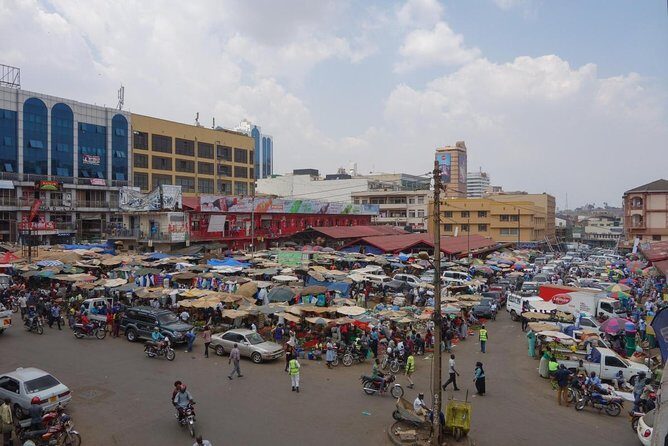
- Market navigation with confidence at Owino and Nakasero, where the crowds can feel confusing without a local guide.
- A mosque visit with rules and views, including time inside after following the Islamic dress code and heading up for city sightlines.
- Kingship and power made understandable through the guided stop at Kabaka’s Palace.
- Old Taxi Park to see everyday transport reality, not just a photo of vehicles.
- Monuments that explain the city’s name and Uganda’s path, from Muteesa and Independence to Impala.
- A friendly finish at Bagala Craft Market so you can shop for souvenirs while the day is still fresh.
How the 4-hour format keeps Kampala from feeling overwhelming
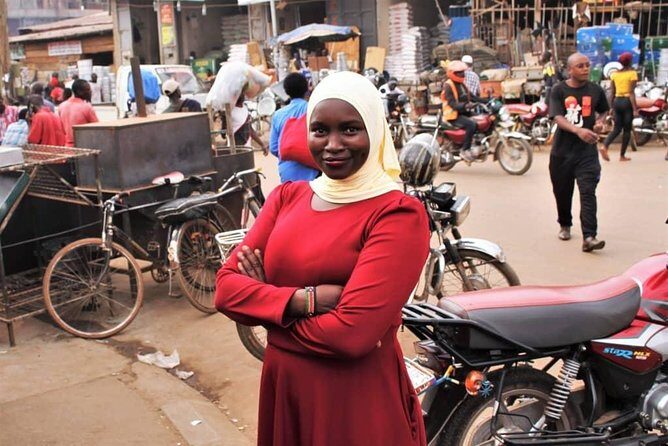
A walking tour works best when it’s paced well. This one is built around a manageable 4 hours, which matters in Kampala, where the energy can be intense. You get a route that strings together places across Old Kampala and its big cultural and commercial areas, so you’re not left trying to connect the dots on your own.
At $35 per person, the value isn’t only about admissions. It’s about having a guide who helps you understand what you’re seeing and how to move through it. Markets are the obvious big draw, but the payoff is the way the day connects them to the city’s institutions—religion, traditional leadership, transport, and the national story told through monuments.
One practical note: because the walk includes stops where entry fees apply, your final cost will depend on what you pay at the mosque and palace. Still, several other admissions are included, which helps keep surprises down.
You can also read our reviews of more walking tours in Kampala


Meeting at Uganda National Mosque (Gaddafi National Mosque) and getting the rules right
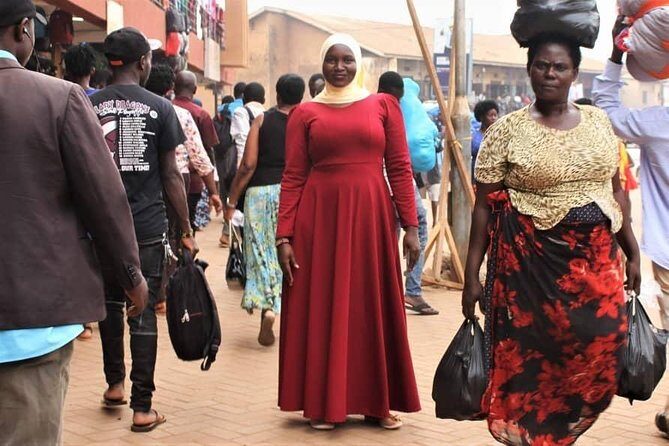
The tour starts at Uganda National Mosque, also referenced here as Gaddafi National Mosque. Expect a brief moment at the entrance where you meet your guide and get oriented for the day.
The mosque visit is more than a quick look. You’ll need to follow an Islamic dress code before entering, and the guide uses that time to set context—history of the mosque and what you’re actually walking into. After that, you move up to the minaret area for a view over Kampala city, which turns the experience from “I saw a building” into “I understand the city’s layout a little better.”
Why this works: Kampala’s skyline and streets can be hard to read from street level. Getting a view point early helps you later when you’re moving through markets and monuments. And for many people, a mosque visit is also the start of learning the city’s mix of faiths, which you’ll see again later.
Kabaka’s Palace: guided context beats wandering on your own
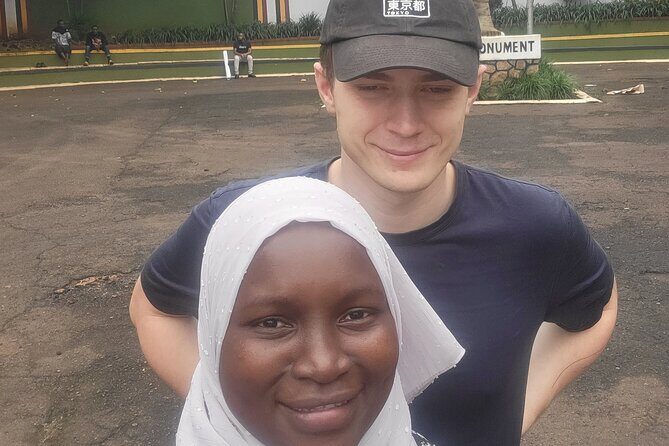
Next comes Kabaka’s Palace, another stop where the guide matters. You’ll pay an admission for the palace, and the visit itself is guided rather than a free-for-all.
This is one of those places where it’s easy to miss the point if you just look around. The palace stop is valuable because it connects the sites of traditional authority to what you see elsewhere in Kampala—where monuments, kingship, and identity show up in public spaces.
A realistic consideration: this portion isn’t included in the base admissions, so bring extra cash for the palace ticket. Also, if you’re short on time, prioritize listening here—because the guide’s explanation is the difference between a set of buildings and an understanding of why the palace represents a living cultural structure.
Owino Market: the big chaos, organized by a guide
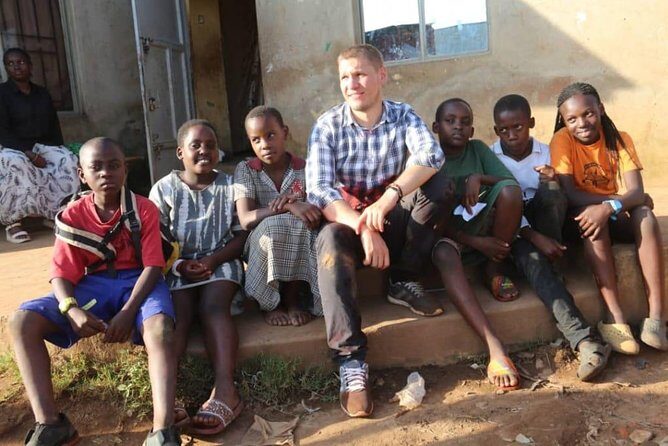
Then you hit Owino Market—described as Kampala’s biggest market, covering both food and second-hand goods. If you’ve ever wandered into a marketplace and felt your attention split into a hundred directions, you’ll understand why a guided walk is so helpful here.
With a guide, the value isn’t just seeing stalls. It’s learning how to move, what to look for, and how to ask questions without getting swept into the noise. People specifically highlight that the guide can navigate unstructured market areas and keep you safe and comfortable, which is exactly what you want in a place like this.
One more practical tip: markets are where you can spend more than you planned, even when you didn’t mean to. If your goal is photos plus a few small purchases, tell your guide early so they pace stops around what you want.
Old Taxi Park: where public transport starts to make sense

After the market energy, the walk shifts to the Kampala Old Taxi Park, with a guided stop. This is where the city feels functional—people boarding cars for public transport, and a sense of how movement actually happens day to day.
Why I like this stop: it connects the city’s “things you see” to the city’s “how you get around.” Even if you’re not using taxis right then, understanding the transport rhythm makes the rest of your time in Kampala easier. It also provides a different kind of cultural education than monuments, because it’s lived reality.
This admission is included as part of the tour’s covered stops. So you get the guided context without paying extra at this specific stage.
You can also read our reviews of more guided tours in Kampala


Optional food and city-view coffee breaks
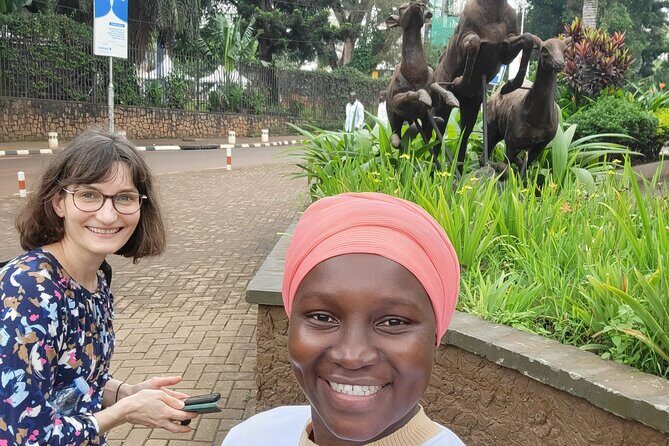
At Old Taxi Park, you may have an option to stop at a restaurant. The idea is to try local food or something like rolex (as mentioned in the experience details), or grab coffee with a city view from a balcony.
You’ll decide based on your appetite and your pace. If you want the most local experience, go for local food. If you’re tired from the walking and want a reset, coffee and a view can feel like a reward without taking over the whole schedule.
Either way, this is also a good moment to ask your guide a question about what you should do next in Kampala—because they’ve seen what you’ve been interested in, and they can steer you toward the right kind of second-day plans.
Hindu Temple stop: how faith arrived in Uganda
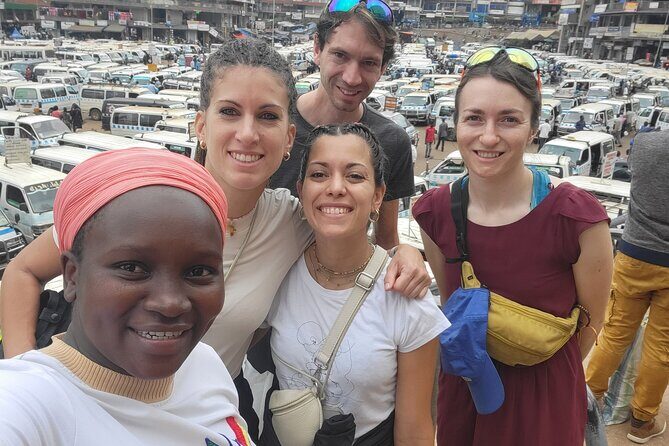
The tour then moves to a Hindu temple, presented as one of Kampala’s key religious places where you can learn about Hinduism and when it arrived in Uganda.
This stop adds balance. You start with an Islamic site, then you move into markets and transport, and now you’re placed into another cultural lens. For many visitors, this kind of multi-faith sequence changes how you see a city—because it stops being just buildings and becomes a set of stories that overlap.
Practical consideration: you’ll likely need to be respectful with how you dress and behave at religious sites, just like at the mosque. Your guide will help with what’s appropriate, and that’s part of the value you’re paying for.
Nakasero Market for food and spices shopping
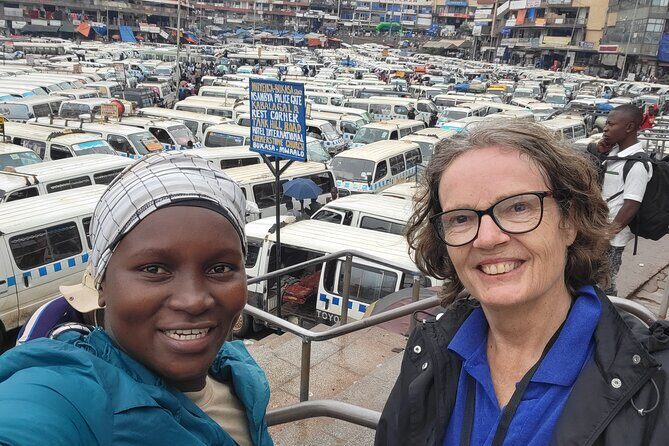
Next up is the Nakasero Market, a food market where you can browse and understand everyday choices people make. If you’re interested in ingredients, spices, or food culture, this is a highlight.
The tour notes that if you need spices, this is a good time to shop. And just like Owino, the reason you do it with a guide is practical: crowded market spaces are much easier when someone shows you where to look and helps you move through without getting lost.
Admission for Nakasero Market is included, which helps keep the total cost under control. Still, you’ll want to set expectations that shopping can add up fast—especially if you’re buying more than a few small items.
Independence Monument and Sir Edward Muteesa: learning from public symbols
After the markets, the tour turns to monuments—where Kampala tells Uganda’s story in public space.
First, you visit the Sir Edward Muteesa monument, described as a monument to the first president of Uganda. You’ll also learn why the monument was put up, which is the part people often skip when they only take photos. With a guide, you get the meaning behind the placement.
Then comes the Independence monument, focused on Uganda’s road to independence. This is an important transition from daily life (markets and transport) to national identity. It helps you understand what you’re seeing in the city as more than decoration.
These admissions are included in the tour. That makes these stops feel “built in,” not like add-ons.
Gorilla and Impala monuments: the city’s name and Uganda’s big attraction
Two more monuments help complete the national-and-local story.
The Gorilla monument connects to Uganda’s major attraction linked with gorillas and national parks, explained here as part of the Ten National parks you can visit. You get a reminder that Uganda’s global reputation isn’t just for safaris—it shows up in the way the country labels itself in public art too.
Then there’s the Impala monument, where you learn about the origin of the name of the city. For me, that’s the kind of detail that makes a tour stick. You walk away knowing a story, not only a location.
You won’t have to be a history buff to appreciate these. The guide’s job is to make these symbols understandable within the flow of the day, and the pacing helps you absorb without feeling overloaded.
National Theatre and Bagala Craft Market: kings, portraits, and souvenirs
The tour ends with two final stops that give you a sense of culture and a chance to wrap up with shopping.
At the National Theatre, you see it described as the oldest theatre, with portraits of different kings in Uganda and references to the five main Kingdoms. This is a visual way to connect back to the earlier palace stop—so the theme isn’t just traditional authority, it’s also how that authority is represented in art and institutions.
Finally, you reach Bagala Craft Market for shopping. This is where you can pick up souvenirs while the tour is still guiding you through the “what to buy and what to skip” moment. The craft market admission is included, and you’ll finish the day with time to browse at your own speed.
For practical travelers: ending at a market is smart. You don’t have to make a separate shopping trip later, and you’re already in the right mindset for small purchases after seeing the city’s stories on foot.
Who this Kampala walking tour is best for
This tour is a strong match if you want:
- A walkable, structured way to see Old Kampala without guessing your route.
- A guide who keeps you safe and comfortable through crowded places (especially markets).
- More meaning than you’d get from a quick self-guided loop—mosque, palace, monuments, and the city’s transport rhythm.
It’s also a good option if you like talking with your guide. Several people specifically mention how the guide answers questions, stays patient, and even adapts for needs like arranging priorities during the walk.
If you hate walking, prefer only major ticket attractions, or want full free time for shopping, you might find the schedule a bit packed. The tour runs four hours and includes many different types of stops in sequence.
Price and value: $35 plus a few extra tickets
At $35 per person, this is reasonably priced for a guided walking experience that includes multiple paid entries. You’re covered for Owino Market, Old Taxi Park, Nakasero Market, Independence Monument, and Bagala Craft Market.
What you should budget separately for: Gaddafi National Mosque admission and Kabaka’s Palace admission aren’t included. You’ll also need to be ready for the mosque’s Islamic dress code requirement before entering.
Is it worth paying extra when tickets are separate? In my view, yes—because the included stops aren’t just “where you buy tickets.” They’re areas where a guide’s navigation and explanations really matter. In places like Owino and Nakasero, getting lost or missing context is the difference between an okay afternoon and a strong one.
Should you book this Kampala guided walking tour?
You should book it if you want a guided route that connects Kampala’s everyday life—markets and transport—with its identity—mosque visits, traditional leadership at Kabaka’s Palace, and monuments that explain Uganda’s story. The strongest reasons to choose this tour are the people behind it: the guide is repeatedly described as friendly, patient, flexible, and safety-minded, and that matters when you’re walking through busy areas.
Skip it or consider a different style if you want only one or two headline attractions and lots of downtime. This is a “see and understand” walk, not a relaxed sit-and-stare city stroll.
FAQ
Where does the tour start?
The tour starts at Uganda National Mosque, also listed in the route details as Gaddafi National Mosque.
How long is the Kampala guided walking tour?
The duration is 4 hours.
Is the tour guide available in English?
Yes. The tour is listed as having a live tour guide in English.
Do I need to pay entry fees during the tour?
You should expect extra entry fees at some stops. Gaddafi National Mosque and Kabaka’s Palace require additional payment, and the tour includes admissions for several other stops.
What admissions are included in the tour price?
Admissions included are for Owino Market, Old Taxi Park, Nakasero Market, Independence Monument, and Bagala Craft Market.
What is the cancellation policy?
There is free cancellation up to 24 hours in advance for a full refund.