REVIEW · KAMPALA
6-Day Murchison Falls and Kidepo NP Wildlife Safari
Book on Viator →Operated by Home To Africa Tours and Travel · Bookable on Viator
One road, two famous parks, and real wildlife time. I like that this safari gives you Zziwa rhino tracking as a first-day headline and then follows through with the boat trip to the base of Murchison Falls. The trade-off is simple: you’ll do a lot of long driving between regions, and days with game drives can start early.
What makes it feel like a proper Uganda safari is the pacing. You get classic Murchison highlights first, then you push into Kidepo Valley National Park, which many people treat like their chance to see Africa before it gets overly crowded. I also appreciate the human touch reported from past trips, especially when the driver-guide role is filled by someone like Nasser, who’s known for being friendly, enthusiastic, and tuned into people.
If you’re the type who wants everything to be smooth and short, plan for some road time and bring realistic expectations about comfort on safari roads. Still, the route is built around big moments: savannah game viewing, the river spectacle, and Kidepo’s wild-feeling game drives.
In This Review
- Key highlights worth circling
- The 6-day loop: Entebbe, Murchison Falls NP, then Kidepo Valley NP
- Zziwa Rhino Sanctuary: an early Big Five-style moment
- Murchison Falls: savannah game drive, then the boat to the rapids
- The falls-view hike (optional): when you should add it
- Transfer to Kidepo: long drive, big payoff
- Kidepo game drives in Narus Valley: where sightings feel raw
- The Karamojong community visit: culture side by side with wildlife
- A second Kidepo day: northern-area drive and real recovery time
- Pakuba and Kidepo Savannah Lodge: your basecamp feel for safari days
- Price and logistics: what you’re paying for at $2,971 per person
- Who should book this safari (and who might not love it)
- Should you book the 6-day Murchison Falls and Kidepo safari?
- FAQ
- Where does this safari start and end?
- What parks are included in the itinerary?
- Is rhino tracking included?
- How do you experience Murchison Falls?
- Do you include a community visit?
- What’s included for meals and drinks?
- What kind of fitness level do you need?
Key highlights worth circling
- Rhino tracking at Zziwa Rhino Sanctuary with about an hour on the ground
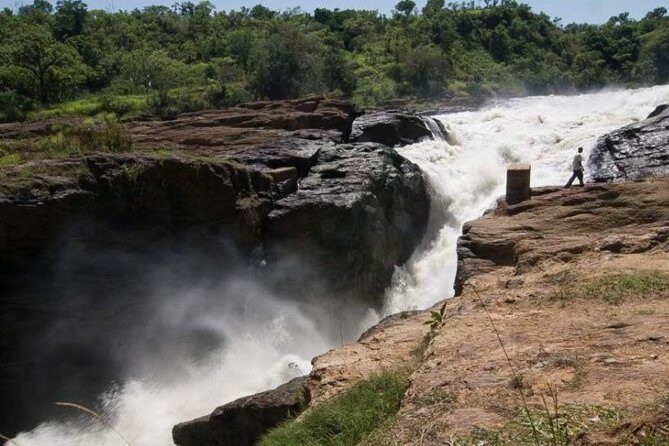
- Murchison Falls by boat to the base of the falls, plus time for a falls-view hike if you want it
- Kidepo game drives in Narus Valley for chances at serious wildlife sightings
- A community visit with the Karamojong, adding culture to the animal time
- Two lodge bases (Pakuba Safari Lodge and Kidepo Savannah Lodge) that keep the rhythm simple
- Full-time English-speaking driver-guide plus water provided during safari days
The 6-day loop: Entebbe, Murchison Falls NP, then Kidepo Valley NP
This is a classic Uganda “north meets wild north” itinerary built around two national parks that feel very different from each other. You start at Entebbe Airport, then head to Murchison Falls National Park, and later transfer all the way to Kidepo Valley National Park before returning for your flight out.
The value of this route is that you don’t just do one park and call it a day. You get a heavy dose of Murchison’s river-and-savannah drama first, then you shift to Kidepo’s more remote-feeling game viewing. And because it’s set up as a private tour for your group, your schedule is less about matching other people’s chaos.
One practical note: the itinerary includes long drives on Day 3 and Day 6. That’s not a flaw so much as part of why you reach Kidepo at all. If you get motion sick easily, you’ll want to plan for that before you go.
A few more Kampala tours and experiences worth a look

Zziwa Rhino Sanctuary: an early Big Five-style moment
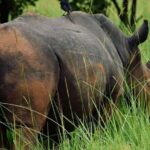
Your safari kicks off with a detour stop at Zziwa Rhino Sanctuary for rhino tracking. You get about one hour to track rhinos, and it’s a strong way to start because it frames the whole trip around big wildlife rather than just scenery.
I like this because it turns a travel day into an actual wildlife day. You’re not waiting until the second or third day to feel the safari spirit. It also sets expectations for how tracking works in real life: you’re moving slowly, watching carefully, and letting the environment do its thing.
The only “consideration” is mental. Rhino tracking is not the same as sitting in a viewing vehicle. It’s guided searching, so you’ll want comfortable clothes and sensible shoes, and you should be ready to focus even if it feels quiet for stretches.
Murchison Falls: savannah game drive, then the boat to the rapids
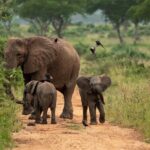
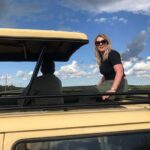
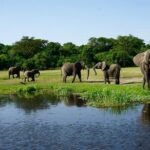
Day 2 is where Murchison Falls starts hitting hard. You begin with an early breakfast, then go out for a game drive focused on the park’s northern section where savannah wildlife density is high. This is the part of the safari built for spotting animals and birds—good odds for birds like the elusive shoebill stork, though bird sightings always depend on timing.
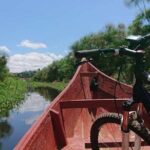
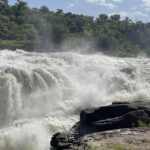
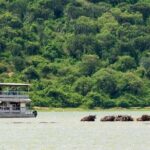
After lunch back at your lodge base, you switch to river power. You take a 3-hour boat trip to the base of the falls. This is one of those experiences that doesn’t need fancy words: the falls and the rapids create a constant roar, and you’re right in the action as the river funnels past.
If you want one “this is why you booked” moment, this is it. It’s also a nice break from continuous vehicle time. You’ll feel your day shift pace—more listening, more scanning, less bouncing around on the road.
The falls-view hike (optional): when you should add it
The itinerary includes time for a hike to the top of the falls, if you like. That optional element matters because people vary. Some folks love extra effort for big views; others prefer to save energy for more game drives.
If you enjoy walking and you’re comfortable with moderate activity, this is a good add-on because it changes your perspective. You go from river-level intensity to a broader view of how the falls cut through the park’s dramatic geography. If you’re tired from driving, it’s also totally reasonable to skip and keep your energy for wildlife later.
Bottom line: treat it as a bonus, not a requirement. The boat trip already delivers the main impact.
Transfer to Kidepo: long drive, big payoff
On Day 3, you exit Murchison and transfer to Kidepo Valley National Park. Expect it to be a long drive. That’s the one part of this itinerary that can feel like it drags if you’re coming in with a strict pace mindset.
But the plan includes some trade-offs that help the drive feel less like a chore: you get spectacular scenery along the way, and once you arrive, you do less. The day ends with check-in at Kidepo Savannah Lodge, dinner, and rest.
This is important for how you’ll enjoy Kidepo. You don’t want to arrive exhausted and then push yourself through a long first game drive. The itinerary builds in downtime so you can enjoy the park rather than just survive it.
A few more Kampala tours and experiences worth a look
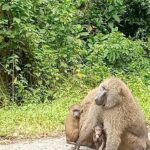
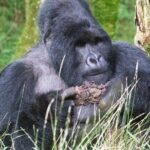
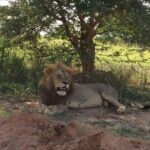
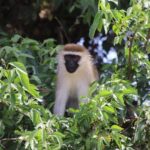
Kidepo game drives in Narus Valley: where sightings feel raw
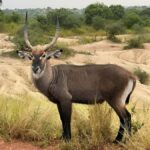
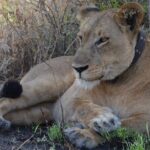
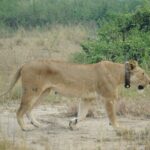
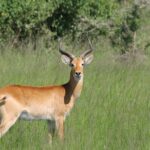
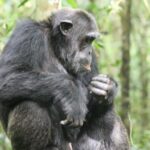
Kidepo Valley National Park is where the safari starts feeling more “jungle Africa” in the everyday sense—less like a postcard and more like being in a living system. Day 4 includes game viewing in the Narus Valley in the south of the park.
I like Narus as a concept because it’s one of the ways the itinerary spreads your chances. You’re not just repeating the same circuit day after day. And Narus Valley positioning can influence what you see, since wildlife doesn’t show up because it’s convenient. It shows up where food and water create movement.
This day also includes the lodge rhythm: breakfast, game drive, lunch back at the accommodation, and then something different after the animals.
The Karamojong community visit: culture side by side with wildlife
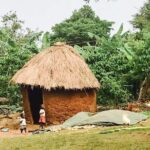
After lunch and a brief repose, the itinerary includes a community visit with the Karamojong. For me, this is what makes the safari feel bigger than a set of animal checkboxes.
It’s also a practical contrast. When you’ve spent the day tracking wildlife, it’s refreshing to slow down and meet people whose lives connect to the land in ways that go beyond tourism. Even if you keep expectations modest, this kind of visit gives you context for the region and helps you see Kidepo as a place where communities live, not just a wildlife stage.
You should also recognize the time involved. This isn’t a quick photo stop and a goodbye. It’s part of a full day, so keep your manners, your listening skills, and your patience switched on.
A second Kidepo day: northern-area drive and real recovery time
Day 5 brings another game drive in Kidepo, this time heading into the northern area. That change of direction matters because wildlife patterns shift across a park. It also means you’re not stuck watching the same animals in the same locations.
Then you get something many safaris don’t: real downtime. You return for lunch at your accommodation and spend the afternoon relaxing. That matters when you’ve been outside early and scanning through heat, dust, and the occasional breeze that does not feel like it came from a postcard.
In safari terms, recovery time is not wasted time. It’s what helps you stay sharp for your final big moments before the trip ends.
Pakuba and Kidepo Savannah Lodge: your basecamp feel for safari days
You’ll sleep in two places during the trip: Pakuba Safari Lodge for the Murchison portion (Days 1–2) and Kidepo Savannah Lodge for the Kidepo portion (Days 3–5). Meals are handled as breakfast, lunch, dinner throughout most days, with lunch and dinner included on the days you’re in transit or out on activities.
I like this arrangement because it keeps the itinerary readable. You’re not packing and repacking every day, and your meals and rest land in predictable blocks. That’s especially helpful when you’re doing long drives.
One more detail that’s easy to miss: only water and coffee and/or tea are included. Other drinks are not. So plan on budgeting for what you like beyond water, especially if you’re traveling during warmer weather.
Price and logistics: what you’re paying for at $2,971 per person
At $2,971 per person, this isn’t a budget safari. But the cost makes more sense when you look at what it includes: all accommodations and meals during the itinerary, all ground transportation in a safari vehicle, a full-time English-speaking driver-guide, and key safari logistics like boat/launch trips and entry-linked activities as listed.
You’re also paying for distance. The transfer between Murchison and Kidepo is a major chunk of travel time, and that means real fuel, staffing, and time on the road. You’re not just buying a ticket into one park; you’re buying the push into a harder-to-reach region.
What to keep an eye on:
- Airfare is not included, so your planning needs to start there.
- Personal expenses like phone calls and bar bills are not included.
- Driver-guide gratuity is not included, so have a plan for that.
- You’ll need a tourist visa.
On the upside, the trip includes airport pickup and drop-off, and it’s set up with a mobile ticket. Past trips have also pointed to solid organization and on-time pickup behavior, which matters a lot when you’re on a tight schedule.
Who should book this safari (and who might not love it)
This works best for you if you want:
- A mix of big wildlife time in two national parks
- A first-day wildlife hit via rhino tracking
- The “river spectacle” experience at Murchison Falls by boat
- Cultural context through a community visit with the Karamojong
- The flexibility of a private setup for your group
It might not be your best fit if you hate long drives. Days 3 and 6 are not quick. Also, because it asks for a moderate physical fitness level, you should be comfortable with typical safari walking and outdoor conditions, especially if you choose the optional falls hike.
If you’re traveling with kids, note the minimum age is 5. That can work, but you should be realistic about early starts and time outdoors.
Should you book the 6-day Murchison Falls and Kidepo safari?
If your dream is to combine Murchison’s famous falls action with Kidepo’s wilder, less routine game viewing, I think this safari is a smart match. The itinerary hits the right contrasts: tracking at Zziwa, river roar at Murchison, then Kidepo’s game drives plus a Karamojong community visit that adds depth beyond animals.
I’d book it if you’re okay with the driving and you want a well-fed, well-organized route that keeps you in the field for wildlife rather than stuck in admin. If you want a calm, low-movement trip, look elsewhere.
If you do book, plan for water-only inclusion, bring what you need for comfort, and keep expectations flexible for wildlife sightings. When you’re in these parks, the real magic is that the schedule doesn’t control the animals—so stay open, and you’ll be rewarded.
FAQ
Where does this safari start and end?
It starts with pickup at Entebbe Airport in Entebbe, and you return to Entebbe for your flight out on Day 6.
What parks are included in the itinerary?
You visit Murchison Falls National Park first, then Kidepo Valley National Park, and you exit Kidepo to return to Entebbe.
Is rhino tracking included?
Yes. On Day 1 you visit Zziwa Rhino Sanctuary for about one hour of rhino tracking.
How do you experience Murchison Falls?
You take a 3-hour boat trip to the base of the falls. The itinerary also includes an optional hike to the top of the falls if you want.
Do you include a community visit?
Yes. During your Kidepo stay, you visit the Karamojong community.
What’s included for meals and drinks?
Meals (breakfast, lunch, dinner) and coffee and/or tea are included. Water is included, while other drinks are not included.
What kind of fitness level do you need?
The safari asks for moderate physical fitness, so you should be comfortable with outdoor time and activities like game driving and an optional hike. The minimum age is 5.