REVIEW · KAMPALA
13-Day Wildlife Adventure Trip to the Pearl of Africa
Book on Viator →Operated by Ngoni Safaris Uganda · Bookable on Viator
Uganda’s wildlife hits you fast. This 13-day route from Kampala strings together Murchison Falls, Kibale chimp habituation, Queen Elizabeth game drives and a Kazinga Channel launch, then Bwindi gorilla time, with Lake Mburo and Lake Bunyonyi-style relaxation to reset your body and brain. I like that Ngoni Safaris handles airport transfers so you start in motion instead of sorting logistics.
I also love the land-and-water mix that Uganda does better than most places: launch trips, rhino tracking at Ziwa Rhino Sanctuary, and close wildlife viewing across several national parks. One possible drawback: the pace is fairly full, with early departures and long drives, so you’ll want good energy and patience for travel days.
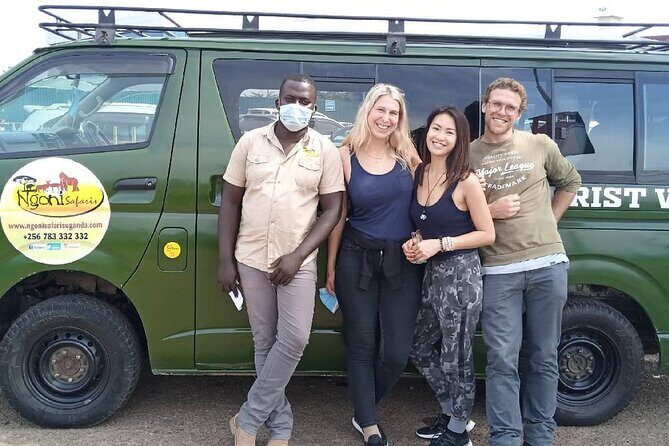
Because it’s a private tour, your guide can adjust the day to your group’s rhythm, and the positive feedback often points to guides like David, James, and Charles keeping things smooth and safe.
In This Review
- Key highlights worth centering in your planning
- Kampala to Entebbe: how the trip starts without the stress
- Murchison Falls National Park: Big game country plus rhino tracking
- Murchison’s boat-and-hike day: where the Nile gets loud
- Kibale Forest National Park: chimp habituation with the research team
- Queen Elizabeth National Park: lion tracking plus Kazinga Channel launch
- Ishasha tree-climbing lions: a sighting challenge that’s part of the fun
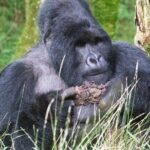
- Bwindi Impenetrable: the gorilla day that defines Uganda safaris
- Lake Mutanda / Lake Bunyonyi rest day: calm water after intense trekking
- Lake Mburo National Park: zebras, eland, and a ranger-led walk
- Price and what $5,000 covers in practical terms
- Who this safari fits best (and who should think twice)
- A few practical tips to make the wildlife days smoother
- Should you book the 13-day Pearl of Africa Wildlife Adventure?
- FAQ
- Where does this tour start?
- How long is the safari?
- Is pickup included?
- What does the price include?
- Are international flights included?
- What wildlife experiences are included?
- Is there a boat ride?
- What is the cancellation policy?
Key highlights worth centering in your planning
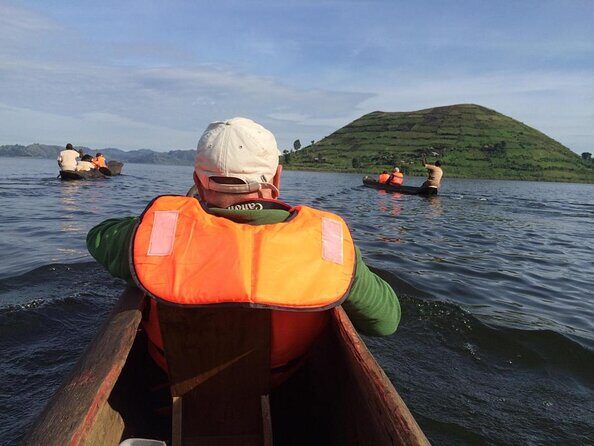
- Launch trips with real wildlife action: base-of-the-falls cruising and the Kazinga Channel for big “water traffic” energy.
- Chimp habituation in Kibale: a guided, research-linked day focused on how chimp groups live and behave.
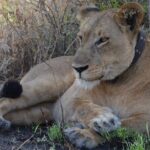
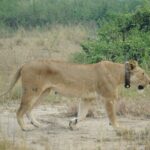
- Lion tracking with radio-collared animals in Queen Elizabeth: a rare-feeling hunt that’s designed to reduce stress on the cats.
- Bwindi gorilla day: the classic Uganda gorilla experience in a rainforest setting tied to the Rift Valley.
- Tree-climbing lions in Ishasha: a sighting challenge with a good chance, when timing and luck cooperate.
- Lake Mburo ranger walk: an early start with a UWA ranger, including the possibility of hyenas nearby.
Kampala to Entebbe: how the trip starts without the stress
Your safari begins in the Entebbe area, with a driver/guide meeting you at Entebbe International Airport and then transferring you onward to Kampala lodging. If you land early, you get the option of a late-afternoon city ride; if not, you’ll keep it simple: check in, eat, sleep, and be ready for the next big wildlife jump.
I like this setup because it’s practical. You’re not walking into a safari day bleary-eyed, and you’re not wasting time figuring out transport the moment you arrive. It also helps that the tour is private, so you’re not squeezed into other people’s schedules.
A few more Kampala tours and experiences worth a look
Murchison Falls National Park: Big game country plus rhino tracking
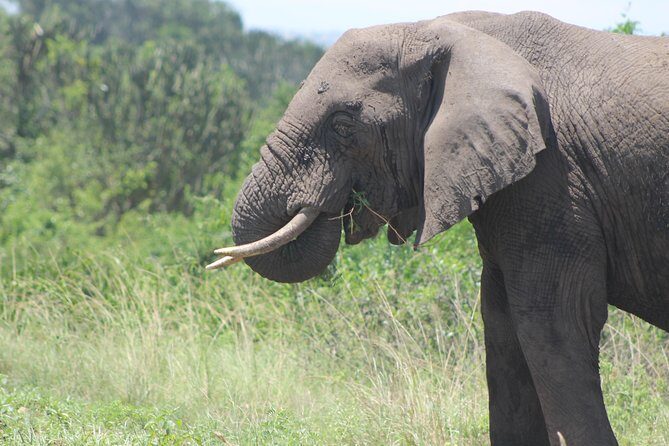
Murchison Falls National Park is where this safari flexes hard on variety. On the first park day, you get rolling plains where you can look for lions, giraffes, hartebeest, buffalo, and elephants, plus the kind of predator-and-prey mix that makes drives feel alive even when you’re not watching a specific “moment.”
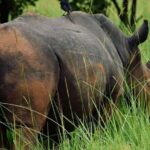
Before you settle into the park routine, there’s a stop at Ziwa Rhino Sanctuary, with at least an hour of rhino tracking. That matters because it adds something different from the usual big-game viewing. You’re not only scanning for animals across open grass; you’re moving through a focused search where sightings can feel like a payoff to your effort.
Lunch happens en route in Masindi, which helps keep the day from turning into a long, blurry snack run. After that, you check in, relax, and reset for the next morning—because Murchison is best when you’re awake enough to notice details.
Murchison’s boat-and-hike day: where the Nile gets loud
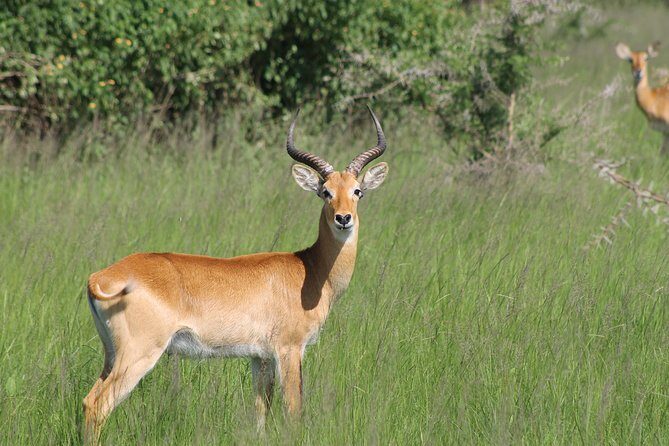
The next day starts early for a game drive across the park’s plains. You’ll again have the chance to see lions, giraffes, buffalo, elephants, and more, and if you enjoy birds, this park supports species like the secretary bird and black-chested snake eagle.
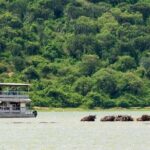
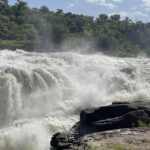
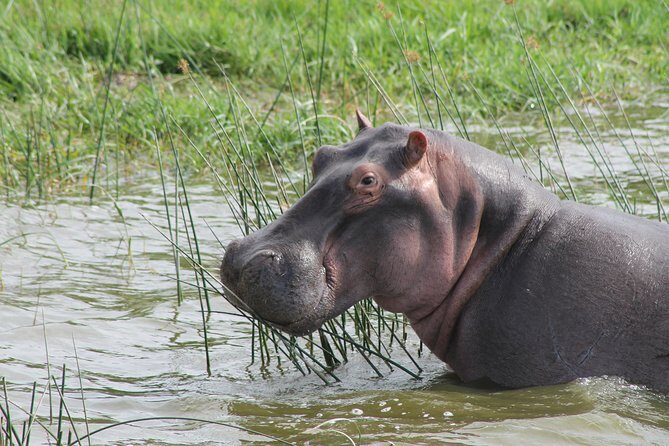
Then comes the part many people remember: a boat trip to the base of Murchison Falls. This is where the ecosystem shifts from open-country scanning to river-edge viewing. Hippos and crocodiles are the stars you’ll want to watch for, but you’ll also see water birds and lots of wildlife using the river corridor.
You may also do a hike up toward the top of the falls. The trip notes that it can be strenuous, so treat it like a “choose your own challenge” decision. If you’re the type who likes a workout with a view, you’ll probably enjoy it; if not, you can still get the main experience from the river side.
Kibale Forest National Park: chimp habituation with the research team
Kibale is the contrast chapter, trading open savannah for rainforest and primates. The drive there is scenic, with villages, lush green countryside, and tea plantations. It’s not just pretty; those road transitions help you mentally switch from big-game mode into “forest patience” mode.
Once you arrive, you’ll focus on chimp culture and behavior. Kibale supports primates like colobus monkeys, grey-cheeked mangabeys, and red-tailed monkeys. That’s useful because even if a particular chimp moment doesn’t happen exactly when you want, the forest still keeps you busy.
The best day here is the chimp habituation experience. You accompany Kibale’s research and habituation team on their daily activities, spending much of the day near chimp groups as they nest, de-nest, feed, and play. The value is in the expert explanations and the sense that you’re watching behavior in a process—not just a zoo-style encounter.
Queen Elizabeth National Park: lion tracking plus Kazinga Channel launch
Queen Elizabeth National Park is where your safari turns into a full buffet of big animals. During game drives you’ll scan for reedbuck, bushbuck, kob, warthogs, elephants, lions, and buffalo. Another option is the crater drive, described as sightseeing with dramatic scenery and wildlife sightings along the way, especially cape buffalo and elephants.
The standout here is the early morning lion tracking experience with radio-collared lions. This is designed to reduce stress by limiting the number of people who go at once, which is exactly the kind of detail you want to see on a wildlife-focused trip. You may encounter other wildlife during the tracking as well, so your eyes get a workout before breakfast turns into lunch.
In the afternoon, you shift to water again with a launch on the Kazinga Channel. The channel connects Lake Edward and Lake George, and it’s ideal for seeing animals that use the shoreline. This is the day that turns “we might see animals” into “we’re watching animals behave in the same place for hours.”
Ishasha tree-climbing lions: a sighting challenge that’s part of the fun
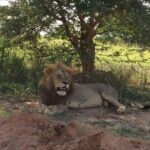
Ishasha is famous for resident tree-climbing lions. The notes say the chance is about 70%, but also that they can be hard to spot, especially when they’re down in the grassland hunting for prey. That honesty is useful. It helps you show up with the right mindset: you’re going for the possibility of something special, not a guarantee.
If the lions are in trees, the viewing can be spectacular, and your day also includes the chance to see other wildlife like Uganda kob, cape buffalo, elephants, and warthogs. The practical takeaway: keep your eyes moving and your expectations flexible. Tree lions aren’t always “up and performing.” Sometimes they’re just… being lions.
Bwindi Impenetrable: the gorilla day that defines Uganda safaris
Bwindi is where this itinerary earns its reputation. The park sits in southwestern Uganda on the edge of the Rift Valley, and it’s described as home to mountain gorillas, with several habituated groups. The trip also emphasizes the forest itself, noting it has old-age depth (dating back over 25,000 years) and high biodiversity.
Your plan is split to keep you from burning out. Arrival day is mostly transfer and check-in, with a lighter pace so you can prepare for the gorilla trekking the following day. That matters because gorilla tracking is physically demanding for many people, and your enjoyment goes way up when you’re not starting the day already exhausted.
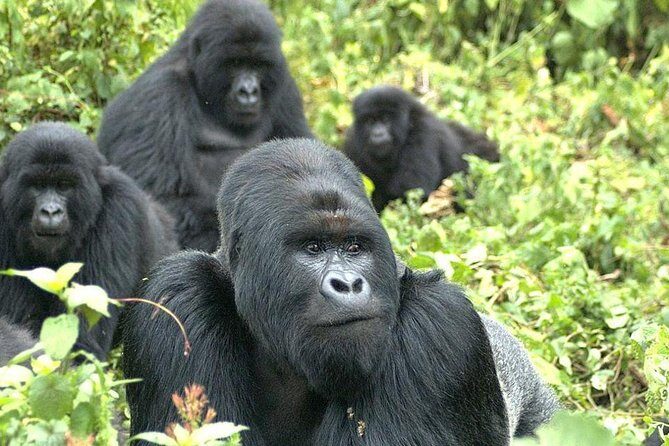
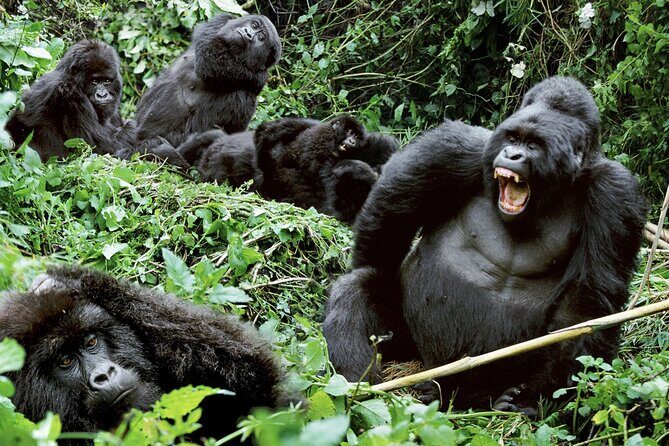
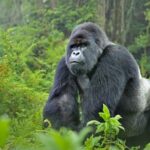
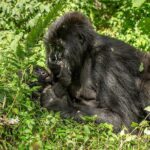
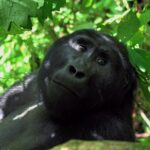
The gorilla day is framed as an experience of the gentle giants in Bwindi’s mist-covered rainforest hills. The notes also mention that Bwindi is the only African forest claimed to host both mountain gorillas and chimpanzees, and that about half of the world’s mountain gorillas live here across nine habituated family groups. Even if you’re not counting statistics, that context tells you you’re visiting a major stronghold, not a random stop on the way to somewhere else.
Lake Mutanda / Lake Bunyonyi rest day: calm water after intense trekking
After Bwindi, you get relaxation time at the Lake Mutanda stop, with the itinerary describing activities around Lake Bunyonyi. The description focuses on terraced green hills, islands scattered across the water, and a scenic feel that shifts the emotional tone of the trip from adrenaline to exhale.
You’ll have an exciting boat ride on Lake Bunyonyi, and in the afternoon there are optional ideas, including a canoe ride, a swim in the bilharzia-free lake, or exploring a nearby village. That village time can be valuable if you want to see how people shape their daily rhythm around the lake, not just watch animals from vehicles.
This is also the day where you might want to slow down your packing and laundry habits in your head—because the last wildlife chunk is still coming.
Lake Mburo National Park: zebras, eland, and a ranger-led walk
Lake Mburo National Park is a different kind of wildlife day. You drive in past terraced Kigezi hill slopes into Mbarara town and then into the park. The arrival timing is early afternoon, so you get rest before you head out for late afternoon/evening game viewing.
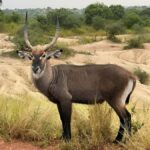
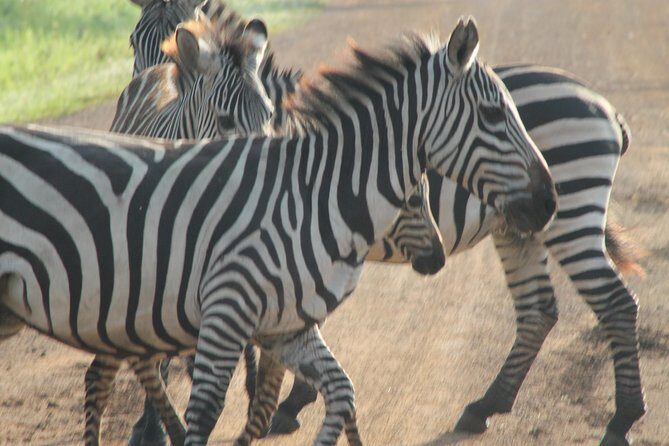
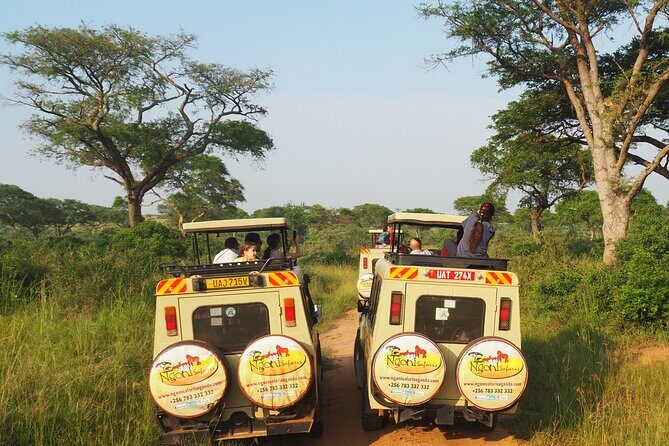
During game drives, expect to look for eland antelopes, zebras in big numbers, topis, impalas, warthogs, Uganda kob, and cape buffaloes. The animal list is solid, but what I like here is the contrast: after Bwindi’s rainforest and Queen’s open vistas, Mburo brings a more compact, easy-to-read environment where you can spot animals without always waiting for the next curve in the road.
On the final day, you get an early morning guided nature walk with an armed Uganda Wildlife Authority ranger/guide. The notes mention you often encounter hyenas returning to dens after a night of being on the prowl, plus close-range opportunities for zebras, giraffes, eland, topi, and other antelopes, and cape buffaloes. A walk with wildlife nearby changes your sense of scale fast—you’re no longer “on safari,” you’re inside the routine of the ecosystem.
Price and what $5,000 covers in practical terms
At $5,000 per person for 13 days, this is positioned as a higher-end private wildlife itinerary. The value angle is the inclusion list: all accommodation, roundtrip airport transfer, and meals (12 breakfasts, 12 lunches, and 12 dinners).
What’s not included is international flights. Still, from a traveler’s budgeting point of view, this kind of “core costs handled” structure can be worth a lot, because it reduces the risk of surprise expenses after you’ve already committed to Uganda travel.
Also note the tour includes pickup offered and a mobile ticket, which matters for convenience when you’re crossing multiple regions. And because it’s private, you avoid the common time sink of waiting on strangers to board, pack, or decide what they want to do next.
Who this safari fits best (and who should think twice)
This trip is built for you if you want a focused Uganda wildlife arc: savannah predators and elephants, primates in Kibale, big national-park viewing in Queen and Ishasha, mountain gorillas in Bwindi, then lakes and gentle recovery in between.
It’s also a good match if you enjoy boat-based wildlife viewing and you’re okay with early starts. The itinerary includes early game drives, a radio-collared lion tracking day, and a final ranger-led walk—so you’ll be more active than someone on a slow lodge-and-spa holiday.
If you’re the type who hates tight schedules and long drives, you might find the pacing demanding. This route aims to hit the major highlights without adding “extra days just for fun,” so you’ll need to go with the flow rather than expecting lots of free time.
A few practical tips to make the wildlife days smoother
Keep your camera charged and your bag organized. Days like the Kazinga Channel launch and the river base of Murchison can mean long viewing stretches where you don’t want to stop and dig for batteries.
Be flexible about hiking. The top-of-the-falls hike is optional and described as strenuous, while the rest of the safari includes early starts and active walking days.
And pay attention to your guide relationship. The feedback pattern around names like David, Charles, James, and Sedrick points to guides who handle adjustments well—like keeping you safe, pacing your day, and making the experience feel cared for rather than transactional.
Should you book the 13-day Pearl of Africa Wildlife Adventure?
I’d book this if you want a real Uganda sampler that still feels connected: one story arc from Murchison’s Nile roar to Kibale’s chimp habituation, Queen’s lions and channel, Bwindi’s gorillas, and then Mburo and Lake Bunyonyi for calmer scenery.
I’d hesitate if you want a mostly relaxed vacation with minimal early mornings and minimal driving. This is a wildlife itinerary that asks you to be present, not just passively watch out a window.
If you’re chasing gorillas, chimps, and those classic boat-and-game-drive days, the mix here is strong enough to justify the price tag—especially with accommodation and most meals handled, and a private guide to keep your pace workable.
FAQ
Where does this tour start?
It starts at Entebbe Airport (Entebbe, Uganda), with the start time listed as 7:00 am.
How long is the safari?
The trip runs for about 13 days.
Is pickup included?
Yes. Pickup is offered, and the tour includes roundtrip airport transfer.
What does the price include?
The tour includes all accommodation plus meals: 12 breakfasts, 12 lunches, and 12 dinners.
Are international flights included?
No. International flights are not included.
What wildlife experiences are included?
You’ll do Murchison Falls game viewing and a launch trip, chimp habituation in Kibale, lion tracking in Queen Elizabeth, Kazinga Channel boat viewing, tree-climbing lion chances in Ishasha, gorilla trekking in Bwindi, and ranger-led walking in Lake Mburo.
Is there a boat ride?
Yes. The trip includes a launch trip to the base of Murchison Falls and a launch on the Kazinga Channel. It also includes a boat ride on Lake Bunyonyi (described with the Lake Mutanda stop).
What is the cancellation policy?
Free cancellation is available up to 24 hours in advance for a full refund. If you cancel within 24 hours, you won’t receive a refund.