REVIEW · KAMPALA
Discover the Magic of Uganda’s Equator on a 1-Day Tour
Book on Viator →Operated by Dark Hills Uganda · Bookable on Viator
Stand on the equator in one short day. This Uganda tour takes you from Kampala to the equator marker area and gives you that real-world wow moment: step onto the line, pose for photos, then watch the water drain demonstration that explains the hemispheres in plain sight. It’s warm there, so plan for sun and heat from the start.
I also like the small group setup, with a max of 10 people. That makes it easier to hear the guide, move at your pace, and actually enjoy the experience instead of being swept along.
One thing to consider: you’re spending a good chunk of your half-day on the road and in warm conditions, with a mostly “equator line + presentation” style of visit. If you’re expecting a long, laid-back nature day, this one is more about the science-and-photos stop.
Key things I’d zero in on
- Max group size of 10 means you get attention and time for photos
- Hands-on water experiment shows how flow changes north/south/at the equator
- Lunch and drinking water included, so you’re not scrambling during the day
- Equator certificate on hand as a memento, with an option to get a personalized one
- Ages 7–90 welcome, and most people can participate
- English-speaking guide/driver handles logistics, so you focus on the day
In This Review
- The Uganda Equator Moment: One Line, Two Hemispheres, Real Photos
- Kampala to the Equator Marker: A Quick Day Trip, Not a Slow Pilgrimage
- Green Equator Masaka Road: What You’ll Do When You Arrive
- The Water-Drain Experiment: The Part That Makes It Click
- A Local Lunch Included: Where Value Lives in the Small Details
- Certificates and Stamps: Your Equator Proof (and Optional Personalized Upgrade)
- Group Size, Age Range, and How the Day Feels
- Price and Value: What $136.37 Really Buys You
- What to Pack: Heat-Ready Essentials for a Warm Equator Stop
- Timing and Logistics: A Tight 1-Day Window That Works
- Who Should Book This Equator Tour (and Who Might Not)
- Should You Book This Uganda Equator Experience?
- FAQ
- How long does the equator tour take?
- What is included in the price?
- Do you offer pickup in Kampala?
- Is there a group size limit?
- Will I receive a certificate?
- What happens if the tour is canceled due to weather?
The Uganda Equator Moment: One Line, Two Hemispheres, Real Photos
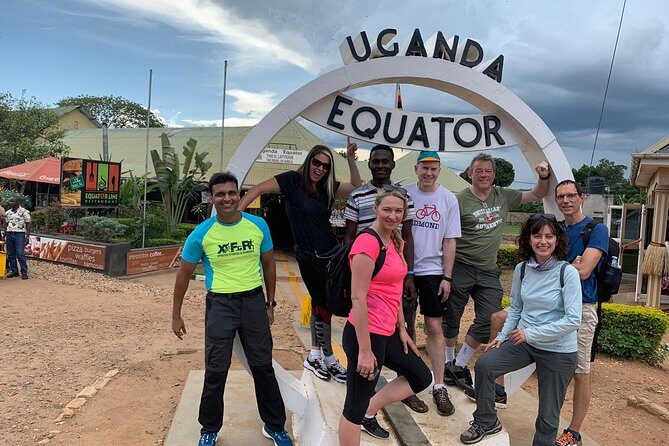
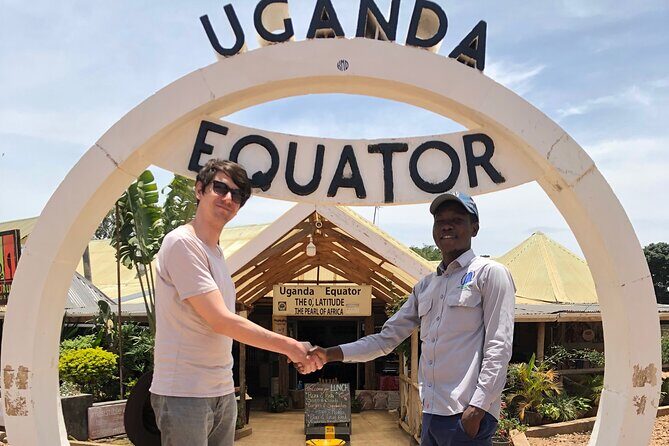
The big draw here is simple: you get to stand at a place people call the equator and take a photo right on the dividing line. It’s the kind of moment that turns geography class into something physical. You’re not just hearing about the equator. You’re placing your body on it, snapping the picture, and letting the rest of the day connect the dots.
What makes it more fun (and more memorable) is that you don’t only get the sign and the line painted out on site. You also get a demonstration with live, visual experiments. The water-drain effect—shown with clear north/south/at-equator differences—is the part that sticks in your head.
And yes, it can be warm. You’ll want to treat it like a sun-forward stop: light clothes, sunscreen, and a water plan. This isn’t the kind of outing where you can count on shade and cool air to carry you through.
Kampala to the Equator Marker: A Quick Day Trip, Not a Slow Pilgrimage
This is built as a 1-day trip that runs about 4 hours total, with the main equator time taking up roughly 3 hours. You’ll start in Kampala and ride to the equator marker in the Kayabwe area in Kasese District, described as being inside Queen Elizabeth National Park. When I read that, my practical thought is: expect a drive and plan your energy like you’re doing a fast excursion.
Pickup is offered, and the tour is designed to work for groups. Still, if you’re staying outside Kampala’s core area, you should expect extra costs for hotel pickup/drop-off. It’s the kind of detail that can swing the final price, so it’s worth checking before you confirm.
You’ll return to the starting meeting point at the end. So you’re not getting an overnight adventure with roaming time. You’re getting a clean, focused day: go, see, learn, photo, return.
A few more Kampala tours and experiences worth a look

Green Equator Masaka Road: What You’ll Do When You Arrive
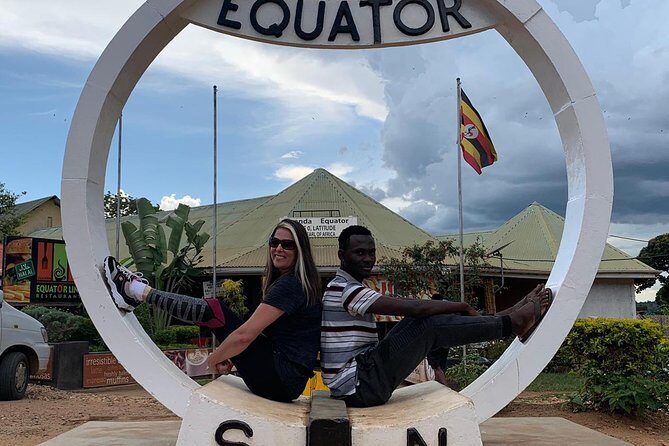
Once you’re there, the experience is structured around a few very specific goals: photo moments, quick experiments, and a take-home piece of proof.
On arrival, you’ll have time to stand where the marker is and capture memorable photos of yourself on the equator line. This is usually the point where people remember they packed a good shirt. That’s not a joke. When the day is short, your photo odds matter.
Then comes the activity portion—hands-on and interactive. The program includes experiments that explain how location affects basic physical behavior. It’s not written as a lecture tour. It’s more like a guided “watch this, then understand why” session, led by your English-speaking driver/guide.
After the experiments, you’ll have the chance to get a specially designed certificate. There’s a standard certificate mentioned as part of the day, and a personalized certificate option available for purchase at a discounted price, featuring your name and an official stamp.
The Water-Drain Experiment: The Part That Makes It Click
If you want one reason to pick this over a generic photo stop, it’s the demonstration. The water-drain experiment is exactly what turns the equator from a label into something you can grasp fast.
The setup shows water rotating/draining in different directions depending on whether you’re north of, south of, or directly on the equator. It’s a simple comparison that feels almost magical at first glance. Then the guide ties it to the idea that the equator isn’t just a line on a map—it’s a real dividing reference.
In practice, this is also a great storytelling moment. When you go back home and someone asks where you went, you can describe the experiment without needing to translate everything into abstract facts.
Bring a little patience, though. During group activities, you might take your turn for the demonstration and then return to the equator line for photos. The group is small, but it’s still a shared schedule.
A Local Lunch Included: Where Value Lives in the Small Details
One of the easiest ways to judge value on a day tour is to check what’s included beyond the main attraction. Here, lunch is included, along with drinking water.
That matters more than it sounds. In short day trips, the cost of food can add up quickly, and the search for a decent meal can steal the energy you came to spend on the equator. With lunch already included, you can keep your day moving and not waste time deciding where to eat.
The lunch is described as local, and the general vibe from the experience is that the meal is part of the plan rather than a random add-on. You’re also covered for water, which you’ll appreciate on a warm equator day.
Certificates and Stamps: Your Equator Proof (and Optional Personalized Upgrade)
At the end of the visit, you’ll receive a certificate confirming you visited the equator. That’s a fun souvenir because it’s specific. It’s not just a printed ticket you can get anywhere.
There’s also an optional personalized certificate you can buy at a discounted price. This upgraded certificate features your name and an official equator stamp. If you’re traveling with family, or you just like collecting stamps and proof you did the thing, that option can be worth considering.
From a practical standpoint, the certificate also gives structure to the day. It’s a clear “finish line” for the experience, so you don’t feel rushed to wrap up your photos and experiments.



Group Size, Age Range, and How the Day Feels
This tour is capped at a max group size of 10, and it welcomes ages 7–90. That tells me the pace is designed for a broad range of people. It also explains why the experience works well as a short excursion: fewer people means more flexibility and less waiting.
The day runs on guided logistics. Your English-speaking guide/driver handles the route and timing, and you’re not trying to coordinate rides or figure out where to go. That’s a big deal when you’re doing a half-day trip out of a city like Kampala.
Also, the day is described as usable for most travelers. That doesn’t mean it’s a laid-back spa day. It’s still an outdoor stop in warm conditions. But it does suggest the activity portion isn’t complicated.
Price and Value: What $136.37 Really Buys You
At $136.37 per person, this isn’t a budget “walk across a line” outing. You’re paying for transportation from Kampala, a guide/driver, and a full organized equator visit with lunch and water.
Here’s where the math starts to make sense:
- You’re not arranging your own transport to an equator site and then paying for a separate guide.
- Lunch is included, which offsets daily food costs.
- The experience includes admissions and the activity portion with experiments.
- You get a certificate at the end, plus an optional personalized upgrade.
If you compare this to piecing together a private ride plus meals plus guide time, the bundled price starts looking like a practical deal. The small group size also adds value because it reduces the chances of feeling stuck in a crowded schedule.
Still, you should double-check any extra transportation fees if you need hotel pickup/drop-off outside Kampala. That can change the final value you get.
What to Pack: Heat-Ready Essentials for a Warm Equator Stop
Since the equator site is described as warm, pack like you’re spending time outdoors. You don’t need a full jungle-kit, but you do need the basics.
Bring:
- Sunscreen (you’ll thank yourself later)
- Lightweight clothing for warmth
- Comfortable shoes for standing and walking around the marker area
- Sunglasses and a hat if you use them
- Water habits in mind, even though water is included
Also think about photo time. If you want clear pictures on the line, wear something that won’t glare under strong sun. Plan for the kind of photos you actually want, not the ones that look good only in shade.
Timing and Logistics: A Tight 1-Day Window That Works
This tour is about 4 hours total. That means it’s best for people who:
- have limited time in Uganda
- want a single “big ticket” roadside experience without a multi-day commitment
- prefer guided structure over planning stress
The schedule starts in Kampala and ends back at the meeting point. You should be ready for the day to feel like a compact mission: get to the equator, do the experiments and photos, have lunch, and return.
Because it’s weather-dependent, the day can shift if conditions are poor. If you’re booking near the rainy season or during unpredictable weather, it’s smart to keep your plans flexible.
And one more practical note: the tour uses a mobile ticket. That’s a small detail, but it matters because it reduces last-minute chaos.
Who Should Book This Equator Tour (and Who Might Not)
I’d especially recommend it if you want:
- a bucket-list photo moment you can point to afterward with a certificate
- a short, organized trip from Kampala
- hands-on learning that doesn’t require you to be a science nerd
- a small-group outing with an English-speaking guide/driver
It might not be the best fit if you’re chasing hours of sightseeing beyond the equator line and experiments. This is a focused visit. You’re not going to turn it into a day-long adventure with multiple nature stops.
Also, if heat makes you miserable fast, adjust your expectations. You can still do it, but you’ll want to pack for sun and move at a calm pace.
Should You Book This Uganda Equator Experience?
If you want a quick, organized, value-friendly way to check off one of Uganda’s most famous geography stops, I think it’s a strong choice. The combination of small group size, hands-on water experiment, included lunch, and a real certificate makes it more satisfying than a simple roadside photo.
Book it if you like guided structure and short excursions. Skip it if you want a long scenic day or lots of downtime.
If you do book, my advice is simple: go prepared for warmth, plan for a compact schedule, and take your time with the equator photos before the group moves on.
FAQ
How long does the equator tour take?
The experience is about 4 hours total. The equator visit and activities take roughly 3 hours.
What is included in the price?
The tour includes drinking water, lunch, an English-speaking guide/driver, and admission for the equator visit.
Do you offer pickup in Kampala?
Pickup is offered. Hotel pick up and drop off within Kampala are not included, and if you need pickup outside Kampala there is an additional cost of $30.
Is there a group size limit?
Yes. The maximum group size is up to 10, and the activity is listed with a maximum of 100 travelers overall.
Will I receive a certificate?
Yes. You’ll get a certificate confirming your visit to the equator. There is also a specially designed personalized certificate option for purchase at a discounted price.
What happens if the tour is canceled due to weather?
This experience requires good weather. If it’s canceled because of poor weather, you’ll be offered a different date or a full refund. You can cancel up to 24 hours in advance for a full refund.