REVIEW · KAMPALA
3 Day Guided Gorilla Tracking Safari At Bwindi National Park
Book on Viator →Operated by Weitz Safaris · Bookable on Viator
Gorillas call from the wet rainforest. This 3-day safari takes you from Kampala into Bwindi Impenetrable National Park, then back again, with a ranger-led tracking day built around an early briefing and a long hike into the hilly, rain-fed forest. I like that the day is structured and practical, so you know what to do when you’re tired and the trees start to close in.
My favorite part is the moment you actually find the mountain gorillas: you get a full one-hour observation window after the search. I also really appreciate how the schedule protects this time, with the ranger post briefing in the morning and a packed-lunch plan for the trek, not just a vague go-figure-it-out safari day.
One thing to plan for: Bwindi trekking is physically serious. You can be moving for 2 to 7 hours (and sometimes longer depending on where the gorillas are), and it’s wet most of the year—so weak legs and poor rain gear can turn a dream day into a miserable march.
In This Review
- Key Things I’d Circle Before You Go
- From Kampala to Rushaga: The Drive That Sets the Stage
- Day 1 in Mbarara and Kabale: Igongo Culture Centre and the Scenic Lessons
- Day 2: The 8:00 Ranger Briefing and the Real Test of the Rainforest
- What One Hour With Mountain Gorillas Actually Means
- Day 3 Back to Kampala/Entebbe: Mbarara Lunch, Masaka, and the Equator Break
- Price and Value: What $2,320 Covers (and Why It’s Not Just a Ticket)
- What to Pack and How to Survive Bwindi’s Rainy Trek
- Who This Safari Fits Best (and Who Should Reconsider)
- Should You Book This 3-Day Bwindi Gorilla Safari?
- FAQ
- FAQ
- Where does this gorilla tracking safari take place?
- How long is the safari?
- What is the price per person?
- Do you get picked up in Kampala or Entebbe?
- How long is gorilla tracking once you start?
- How much time do you spend with the gorillas after locating them?
- What should you bring for Bwindi’s weather?
- Is free cancellation available?
Key Things I’d Circle Before You Go
- Max 7 travelers means the experience stays personal and not crowded.
- Early ranger briefing at the ranger post sets you up for a smoother trek.
- Packed lunch on Day 2 helps you keep energy while you search.
- An hour with gorillas once they’re located is the real heart of the safari.
- Rainforests in Bwindi get wet year-round, so waterproof clothing is not optional.
- A route that includes culture and the equator makes the drive days feel like more than just transit.
From Kampala to Rushaga: The Drive That Sets the Stage
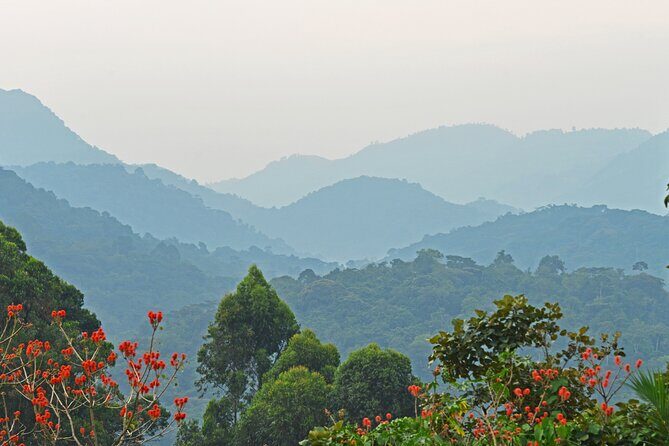
Starting in Kampala is a big plus because it keeps you grounded. You’re not juggling complex overnight transfers or guessing your way through Uganda’s roads. You’ll be picked up in the early morning after breakfast, then you’ll drive southwest toward Bwindi, slowly trading city rhythm for rural scenery.
Even on a guided safari, the journey matters. It’s part orientation, part recovery. On this plan, the route moves through central Uganda and then into the Kabale District area, so you build a mental picture of what you’re about to walk into: hills, farmland, villages, and that dense “once you’re inside, it’s hard to see out” rainforest feeling.
The destination end is the Rushaga area of Bwindi. That matters because you’re not just arriving at a park sign. You’re reaching a gorilla-trekking starting zone where you’ll check in, eat, and get your body ready for the hardest day of the trip.
You can also read our reviews of more guided tours in Kampala
Day 1 in Mbarara and Kabale: Igongo Culture Centre and the Scenic Lessons
Day 1 is your settling-in day, but it still gives you real stops, not just driving. After your early morning start from Kampala, you’ll reach Mbarara for lunch at the Igongo Culture Centre. It’s a good break point because it breaks the long car time into something digestible, and it puts you in a local setting where Uganda feels lived-in rather than staged.
From there, you continue through Kabale District. The drive route passes villages, cultivated farms, and plenty of countryside views as you get closer to Bwindi. I like this kind of “in-between” day because it helps you adjust to altitude-and-rain reality before the tracking morning. You’re also getting a preview of what trekking terrain means in this part of Uganda: uneven ground, real slopes, and paths that are not straight-line hiking trails.
When you finally reach Rushaga Bwindi Impenetrable National Park, you check in, have dinner, and sleep at Rushaga Gorilla Camp (described as high-end accommodation on this itinerary). That’s a smart setup. Gorilla tracking is not the day to discover you’re far from the ranger post or that you’re too tired from a late arrival.
Practical note: because it’s a wet-climate region, you’ll want to think ahead about dry clothes. If you can, pack a dedicated dry set for the morning after Day 1 dinner.
Day 2: The 8:00 Ranger Briefing and the Real Test of the Rainforest
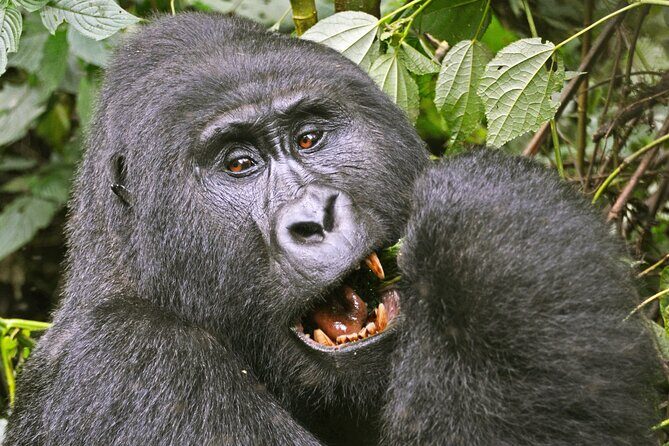
Day 2 is the gorilla tracking day, and it’s built with the right rhythm: early energy, careful instruction, then the trek. After breakfast, you depart with packed lunch around 7:45 am and reach the ranger post for a briefing at about 8:00 am.
That briefing is more than paperwork. It’s where you learn what to expect from the rangers, how tracking will work, and how to behave once the gorillas are found. In gorilla country, your movement and your noise level can affect the whole group’s experience. A good briefing helps you act confidently even when the forest feels loud with birds and your own nerves.
Then you go with a ranger to track. The searching time is listed as 2 to 7 hours, depending on where the gorillas are. That range is honest. Some days the gorillas feel close; other days you’re trudging up and down hills and crossing streams while the forest tries to swallow the trail.
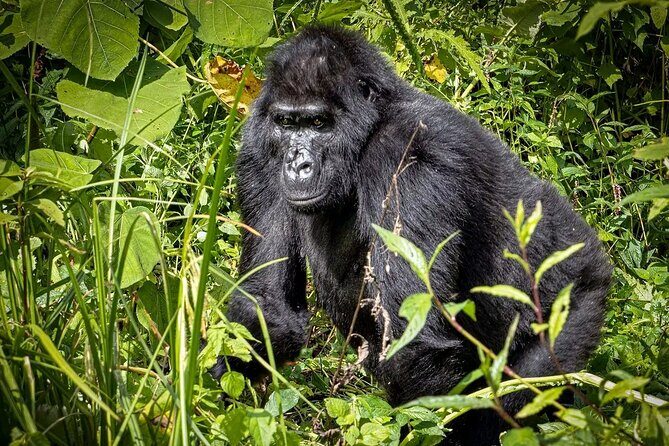
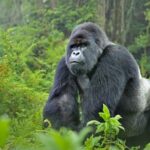
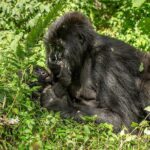
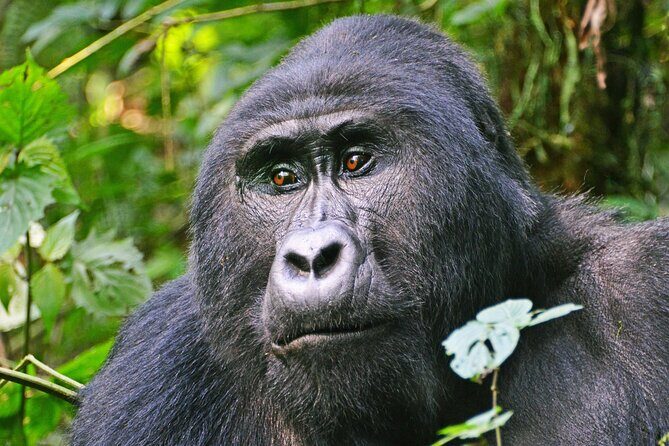
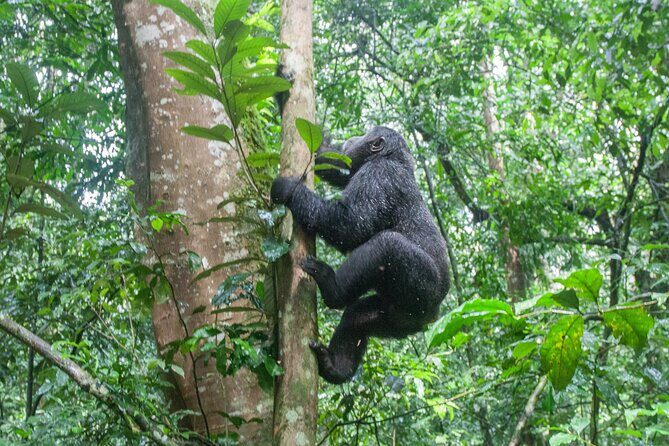
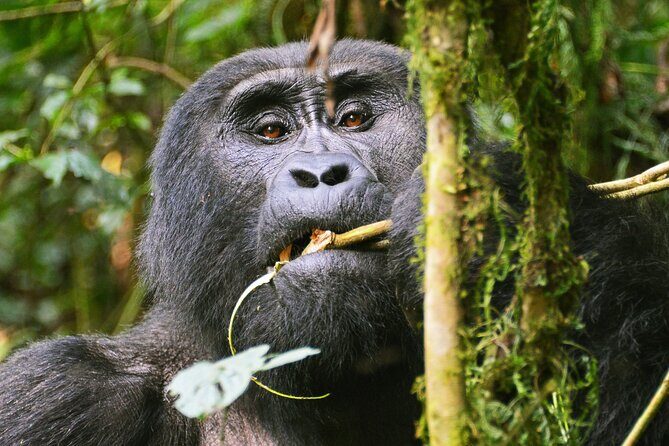
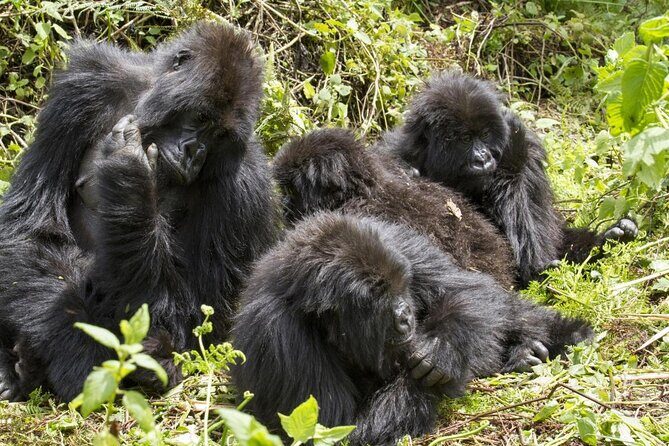
Once you locate the gorillas, you get one hour to observe them. The focus is on watching their behavior—communication, play, and other natural interactions. It’s not a theme park photo stop. It’s the closest you’ll get to watching these animals live their lives, within the limits of responsible tourism.
Small truth that matters: the hardest part often isn’t the moment you see them. It’s the stretch of hours before you do. If you go in expecting the trek to be easy, you’ll be disappointed. If you go in expecting effort—and treating that effort like the price of admission—you’ll feel better when the forest opens up.
What One Hour With Mountain Gorillas Actually Means
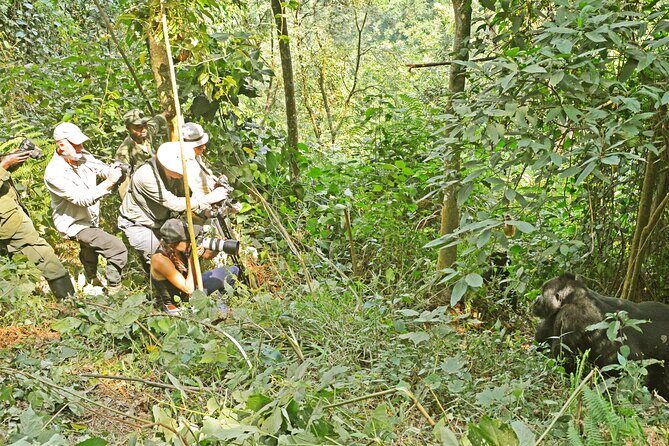
When you finally find the gorillas, the forest shifts gears. One minute you’re listening for signs and scanning every direction; the next, your attention locks on a group of endangered primates that look both powerful and oddly calm.
That one-hour viewing window is a big deal. Many nature experiences blur into a quick snapshot. Here, you get time to notice patterns: who moves first, who sits back, how they react to each other, and how their sounds travel through the trees. The itinerary even notes that you might hear their communication and see social behavior like grumbling, play, and mating.
I also like that the trip is guided in a way that protects this experience. You don’t just wander in hoping for the best. Rangers help you locate them and keep the situation safe and respectful—for the gorillas and for your group.
And yes, you’ll probably remember the wait as much as the sight. That’s normal. When a trek takes hours, your brain files it under effort. Then seeing gorillas becomes the payoff, and it feels earned.
Day 3 Back to Kampala/Entebbe: Mbarara Lunch, Masaka, and the Equator Break
Day 3 is the “don’t rush your return” day. After breakfast, you start heading back to Kampala. You’ll stop for lunch in Mbarara again, then continue past Masaka.
Then comes a fun, practical break: after Masaka town, you stop at the Equator for tea/coffee and time for souvenirs. It’s not just a tourist pin. It’s a moment to reset after the gorilla day. You’ll be tired, you’ll be thinking about what you saw, and your body will appreciate a pause that isn’t another long stretch in a vehicle.
From there, you’re brought back to your hotel of choice in Kampala or Entebbe for overnight. If you’re continuing your journey, you can also be brought to the airport after refreshing from the guesthouse setup.
This matters because gorilla tracking days can throw off your normal pace. A return plan that includes food stops and time buffers helps you avoid leaving Uganda with a sore back and zero sleep.
A few more Kampala tours and experiences worth a look

Price and Value: What $2,320 Covers (and Why It’s Not Just a Ticket)
The price listed is $2,320 per person for 3 days, guided. In a gorilla trek safari, the most expensive part is usually the permit and the logistics around it. In your package, the itinerary lists the admission ticket as free, which is a meaningful detail. It suggests your cost is bundled around the core experience instead of splitting everything into confusing add-ons.
You also have elements that improve value in real life:
- Pickup offered, which removes one of the biggest hassles for short trips.
- Small group size (maximum 7), which keeps the ranger communication and pacing more manageable.
- A full tracking day with briefing time, ranger support, and a guaranteed observation window once you find the gorillas.
That doesn’t mean it’s cheap. It means you’re paying for something that takes real coordination. Gorilla trekking isn’t like booking a museum. The forest isn’t waiting for your schedule.
So I’d judge value by your priorities: if seeing mountain gorillas is your main goal, and you’re physically ready for the trek, this price can make sense. If your ideal safari is easy walking and lots of downtime, you might feel the cost more than you feel the value.
What to Pack and How to Survive Bwindi’s Rainy Trek
Bwindi’s climate is wet year-round, since it sits near the equator. The itinerary advice is clear: bring waterproof clothes and hiking boots. I’ll add a very practical mindset: assume you’ll get wet even if you start dry.
Also assume the ground is uneven. Even without going deep into off-trail detail, you’re dealing with a hilly rainforest, possible streams to cross, and muddy patches that can hide slippery rocks.
Your comfort affects your experience. If your boots are too soft, you’ll fatigue faster. If your clothing isn’t waterproof, you’ll feel colder and less focused while tracking. The trek already ranges from 2 to 7 hours, so you want your gear working with you, not against you.
One more detail: you’ll be given packed lunch for the tracking day, which helps. Still, you should consider bringing water and snacks beyond what’s included only if your guide allows it and if you’re sure you can carry it comfortably. What you carry matters less than how long you’ll be moving while searching.
Who This Safari Fits Best (and Who Should Reconsider)
This tour is for people with real stamina. The guidance is straightforward: you should have strong physical fitness.
You’ll love it if:
- you’re okay with a long trek and variable timing (gorillas set the pace)
- you want a guided experience where rangers manage the important parts
- you care more about the wildlife moment than about packing in a dozen extra stops
You might rethink it if:
- you want mostly flat walking
- you hate getting wet and muddy
- you don’t like day plans that can stretch based on animal location
The upside? If you’re physically prepared, you’re setting yourself up for a very high-impact memory. The trip’s biggest payoff comes from pushing through the wait, then getting that hour with gorillas once you locate them.
Should You Book This 3-Day Bwindi Gorilla Safari?
My take: book it if mountain gorillas are non-negotiable for your Uganda trip, and you’re honest about your physical readiness. The structure is strong—early briefing, ranger support, packed lunch, and a one-hour viewing period—so you’re not guessing during the critical parts.
You should pause if you’re expecting an easy hike or if getting wet would ruin your day. Bwindi is famously rainy, and tracking can last hours. If you can’t handle that, you’ll feel the strain more than the wonder.
One last check before you decide: can you commit to waterproof gear and sturdy boots? If yes, then this is the kind of safari that can anchor a lifetime of travel memories—because the gorilla moment isn’t rushed, and it isn’t repeatable on demand.
FAQ
FAQ
Where does this gorilla tracking safari take place?
It takes place in Bwindi Impenetrable National Park, with the itinerary routing you to the Rushaga area.
How long is the safari?
The trip is listed as 3 days (approx.).
What is the price per person?
The price is $2,320.00 per person.
Do you get picked up in Kampala or Entebbe?
Yes. The tour summary says pickup is offered.
How long is gorilla tracking once you start?
After the briefing, tracking can take about 2 to 7 hours depending on where the gorillas are located.
How much time do you spend with the gorillas after locating them?
Once you find the gorillas, you get about one hour to observe them.
What should you bring for Bwindi’s weather?
You should bring waterproof clothes and hiking boots, since Bwindi has a wet climate year-round.
Is free cancellation available?
Yes. Free cancellation is available up to 24 hours in advance for a full refund.