REVIEW · KAMPALA
The best Kampala walking experience tour
Book on GetYourGuide →Operated by Ondaba Africa Safaris · Bookable on GetYourGuide
Kampala looks different up close. This Gadafi Mosque climb gives you real orientation fast, especially with the 360-degree city view from the tower. I also like how the route mixes big-picture history with everyday street life instead of turning everything into a photo stop line.
Next, I like the way the walking parts connect to markets you’ll actually recognize once you’re there. The Owino market stop and the Nakasero market fruit-and-spice energy help you understand Kampala’s food chain and street business without needing a separate day trip.
One thing to consider: the tour’s advertised 3 hours can stretch a bit depending on pace and questions, and one past guest noted they had to follow up to get the expected Rolex snack. I’d treat snack and water as included, but confirm them right at the start so you’re not waiting.
In This Review
- Key highlights worth your attention
- Why this Kampala walk is a smart first-timer choice
- Old Kampala Hill: the orientation point that makes everything easier
- Gadafi Mosque tower climb: the 360-degree view payoff
- Owino Market and Nakasero Market: learning Kampala through food and trade
- Owino Market: photo stops with real meaning
- Nakasero Market: fruit, spices, and the supply chain in motion
- Taxi Park and downtown transport: seeing the city’s rhythm
- Hindu temple + monuments: how culture and power show up in public spaces
- Rolex snack and craft shopping: how to end well (not just walk out)
- Price and logistics: what $39 gets you, and what to double-check
- Who this tour suits best
- Should you book the Kampala walking experience?
- FAQ
- How long is the Kampala walking experience?
- Where does the tour start and where does it end?
- What’s included in the price?
- Is transportation included?
- Is the tour wheelchair accessible?
- What ages are suitable for this activity?
- Is free cancellation available?
Key highlights worth your attention
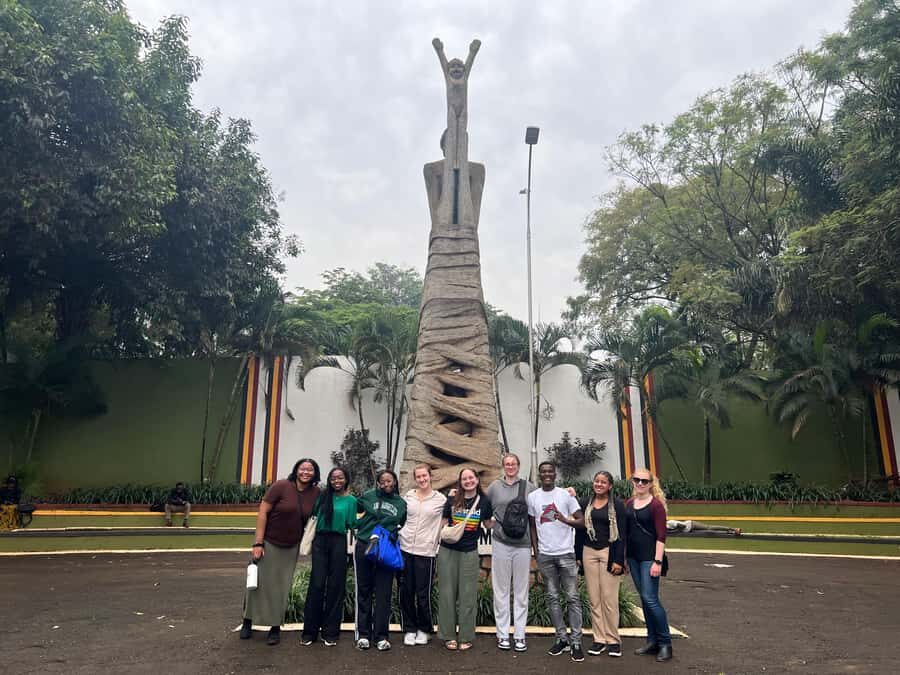
- Old Kampala Hill + Gadafi Mosque tower: steep enough for a good workout, rewarding enough for a real city panorama.
- Owino Market photo and guided walkthrough: organized chaos, with lots of sights to read through a local lens.
- Nakasero Market focus: a strong look at how produce, spices, and vegetables move in Kampala.
- Old Taxi Park encounter: see the scale and rhythm of shared transport, not just an idea of it.
- Independence Monument + World War monuments: short history lessons placed right where Kampala remembers them.
- Rolex light snack + optional souvenir shopping: eat like a local, then finish with a practical shopping window at a craft market.
Why this Kampala walk is a smart first-timer choice
If Kampala is new to you, the hardest part is figuring out what you’re even looking at. This tour helps because it starts with a viewpoint and then moves into the places that explain daily life: markets, transport hubs, and key monuments. You don’t have to guess why one area feels commercial while another feels historic. The guide does that connecting for you.
At $39 per person for a 3-hour experience, the value isn’t just the walking. You’re getting an English-speaking city guide, entrance tickets, drinking water, and a light Rolex snack included. That matters in Kampala, where a “walk with no structure” can turn into wandering and lost time. Here, you’re given a path and a purpose.
You’ll also get picked up from multiple Kampala-area hotel and landmark locations. That reduces friction, especially if you don’t want to coordinate getting across town on your own. And even though transportation is marked as not included, pickup is part of the experience, using company-branded vehicles.
You can also read our reviews of more walking tours in Kampala


Old Kampala Hill: the orientation point that makes everything easier
The tour begins on Old Kampala Hill, which is a colonial-era administrative landmark and now a major cultural site. Starting up here is clever because you get your bearings early. From the top area, you can better understand how Kampala’s layout stretches out from the hill districts into the city.
From here, the focus shifts to the Gadafi area—an enormous landmark and a strong starting point for understanding Kampala’s religious and architectural presence. If you’ve seen the city only from street corners, this gives you a different angle: Kampala as a planned place, layered with changing eras.
Also, there’s a practical benefit to the first stop being a guided one. You’ll know what you’re looking at without needing to hunt for context on your phone, and you’ll be able to ask questions while you’re there rather than saving them for later.
Gadafi Mosque tower climb: the 360-degree view payoff
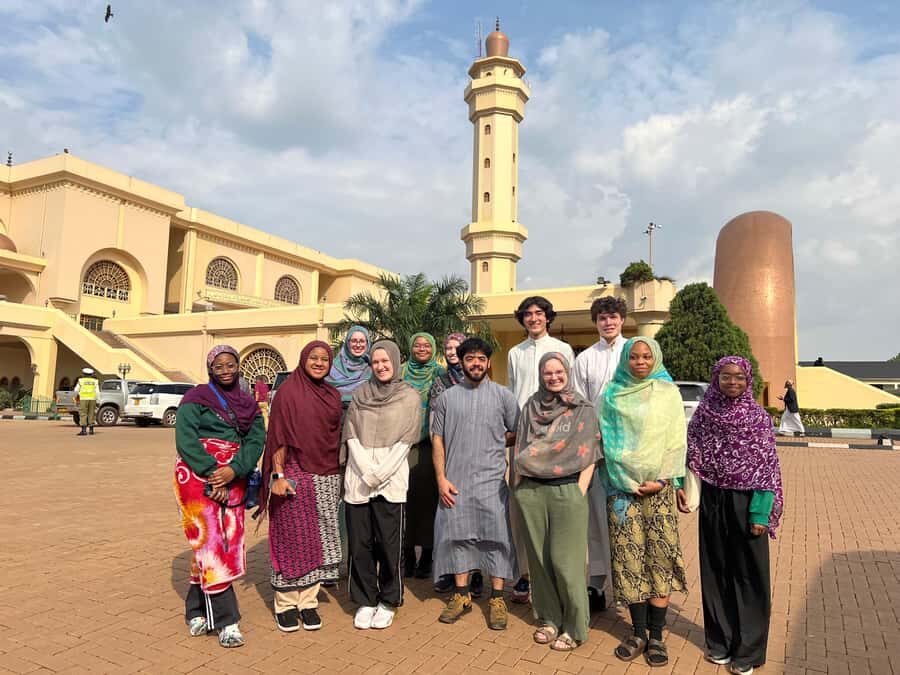
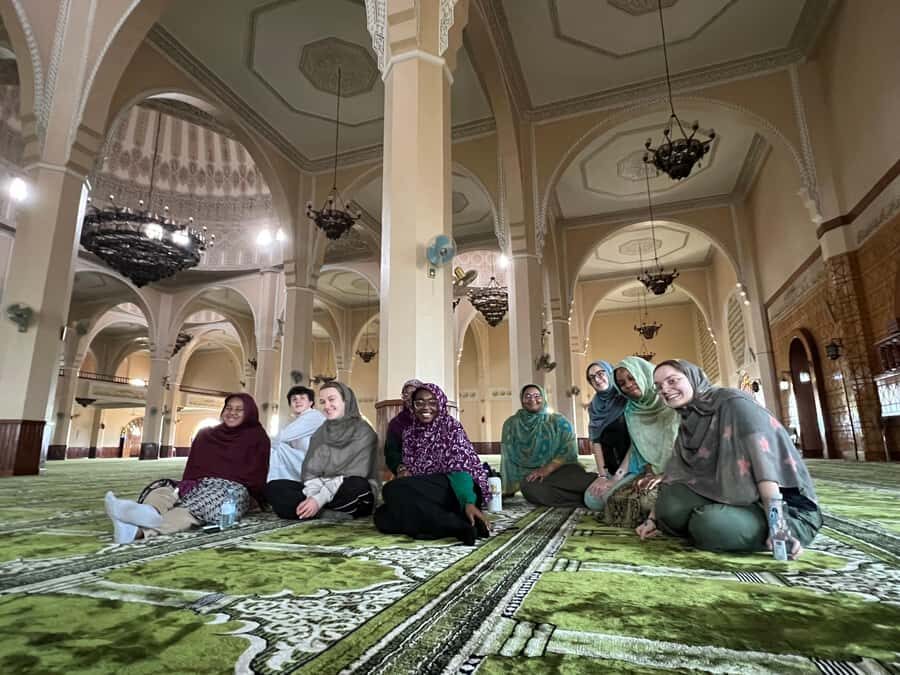
The heart of the experience is the visit to Gadafi Mosque—listed as the Uganda national mosque—and the walk up to a tower for a 360-degree city view. You’re given about 40 minutes to explore the mosque area, then you continue toward the tower.
This is the stop that turns the tour from “cool sights” into “I understand the city.” Looking out over Kampala helps you map neighborhoods in your head. You start noticing how roads and activity relate to the terrain and how the skyline changes depending on where you stand.
A quick practical note: a tower climb can be tiring, so wear comfortable shoes. The tour also notes bare feet are not allowed, so plan accordingly. If you tend to take photos nonstop, pace yourself here—this is where the view can reward you most.
One more reason I rate this highly: it’s not only sightseeing. A mosque visit done with a guide typically turns into a conversation about community and identity. The guide you meet—often mentioned by name as Malik—tends to be friendly and professional, and he’ll answer questions as you go, plus take pictures with you.
Owino Market and Nakasero Market: learning Kampala through food and trade
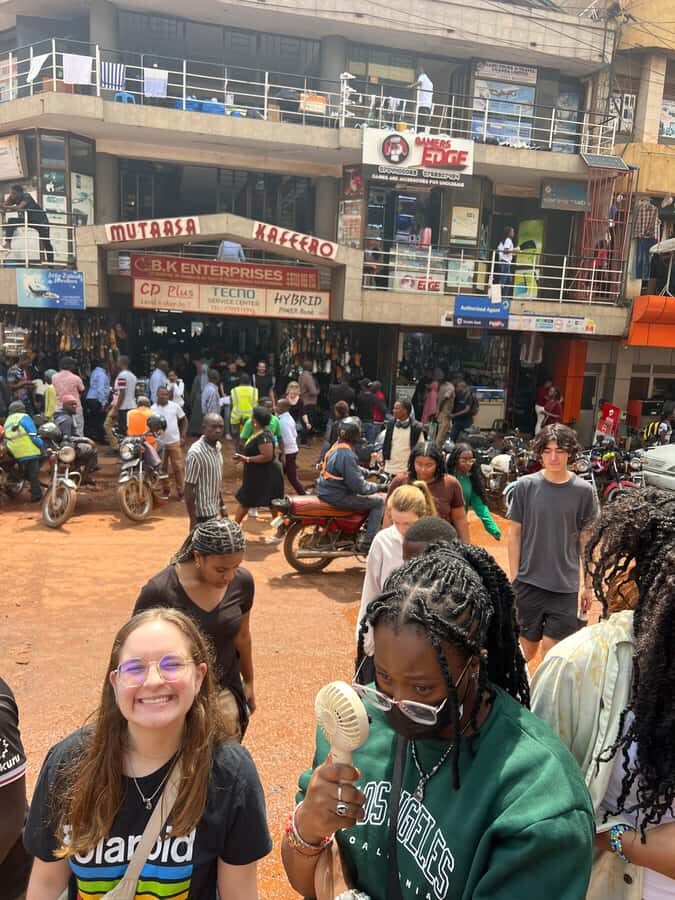
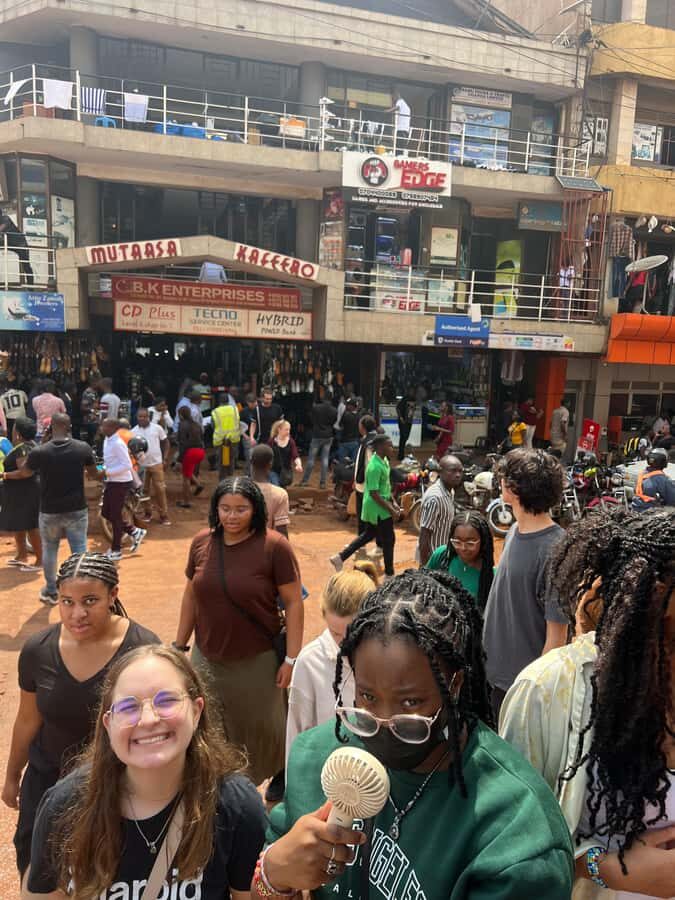
After the viewpoint, the tour shifts into street-level Kampala. This is where you really see how the city functions. The route goes through central downtown areas with local markets that represent two different sides of the same system.
Owino Market: photo stops with real meaning
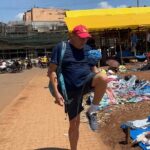
You’ll spend time at Owino Market for guided touring and some shopping time. Owino is known for its organized chaos, and the point of a guide here is huge: you learn what to look for, what categories matter, and how sellers and buyers move through the space.
You’ll also get a sense of how local commerce works without having to ask strangers for directions. And because there’s a guided component, you can spend your energy on noticing details—signs, products, how bargaining happens—rather than worrying about where to stand or what’s safe.
Nakasero Market: fruit, spices, and the supply chain in motion
Next up is Nakasero Market, described as Uganda’s go-to place for fruits, spices, and vegetables. The experience here is less about fancy browsing and more about understanding supply and demand. It’s a “how food gets to you” kind of stop.
If you love food culture, this is one of the best places to connect the dots between what you ate in town and where it actually comes from. You’ll likely leave with new respect for how much labor and coordination runs under everyday meals.
Shopping can be part of both markets, and the tour gives you time to browse. Still, keep expectations realistic: markets are not smooth, polished malls. They’re working spaces. Wear comfortable clothing, keep your belongings secure, and keep your questions simple and friendly.
Taxi Park and downtown transport: seeing the city’s rhythm
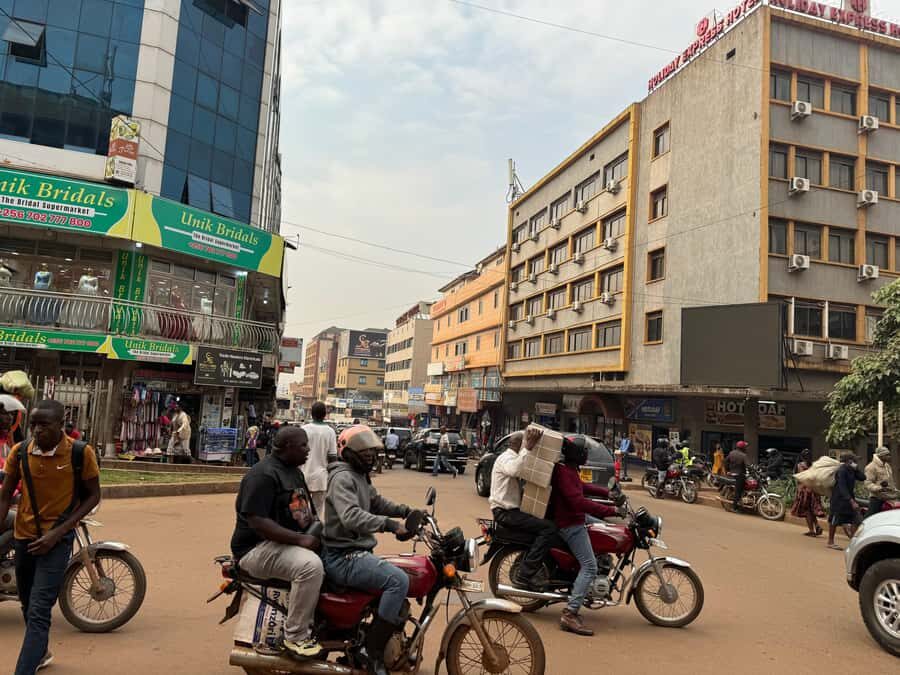
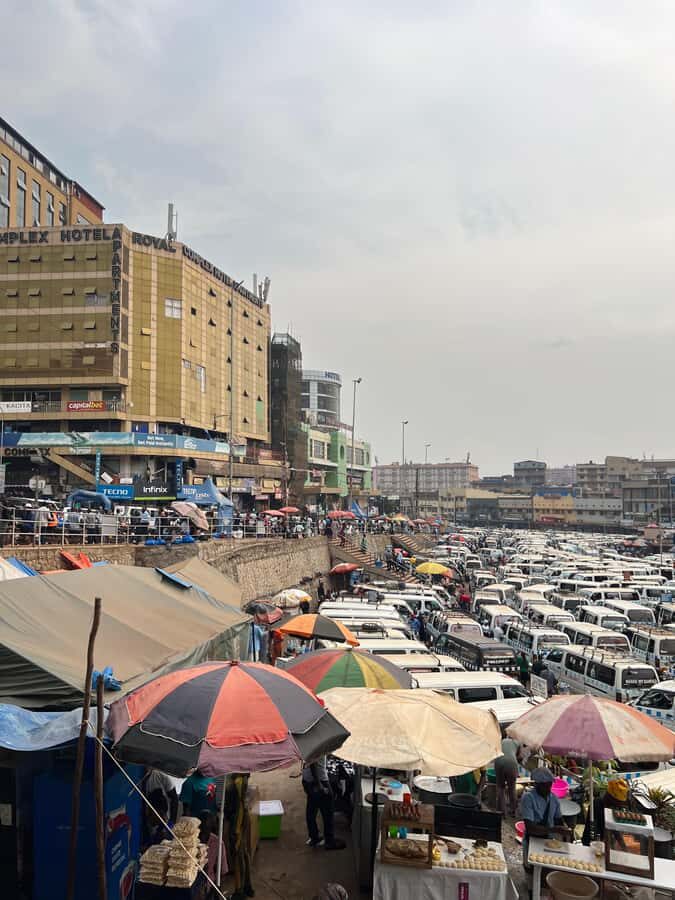
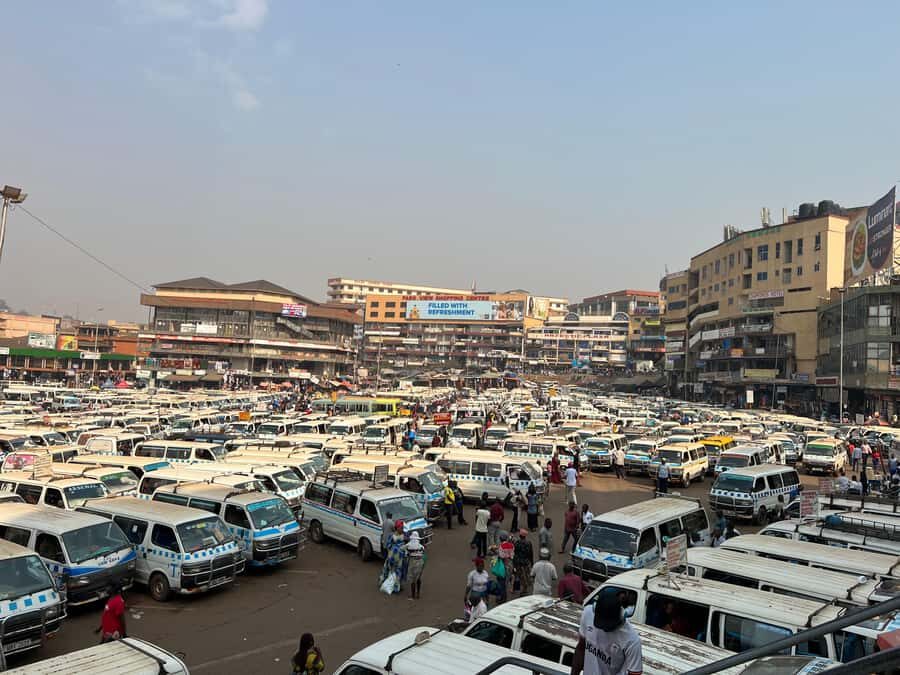
One stop that makes this tour feel honest is the encounter with the old taxi area—described as a place with hundreds of public taxis at the terminal. This is a great reality check for anyone imagining public transport as orderly lines.
Here, you’re not just looking. You’re guided through what you’re seeing: how passengers take cabs in practice, why people choose certain routes, and how the whole system fits into daily schedules. That’s valuable because it changes how you’ll move around Kampala afterward. You’ll understand why traffic behaves the way it does and why certain meeting points matter.
This part is also a reminder that Kampala is layered. You can feel the mix of old and new right there in the transport hub: inherited city patterns meeting modern daily needs.
If crowds make you nervous, this is where your guide’s presence really helps. You’ll know where to stand, when to move, and how to avoid getting slowed down by confusion.
Hindu temple + monuments: how culture and power show up in public spaces
The tour includes a stop for Indian architecture and culture at the Hindu temple, which adds an important contrast to the Islamic and colonial-era themes earlier on. It’s not random variety. It’s a practical way to see that Kampala’s identity isn’t one single story.
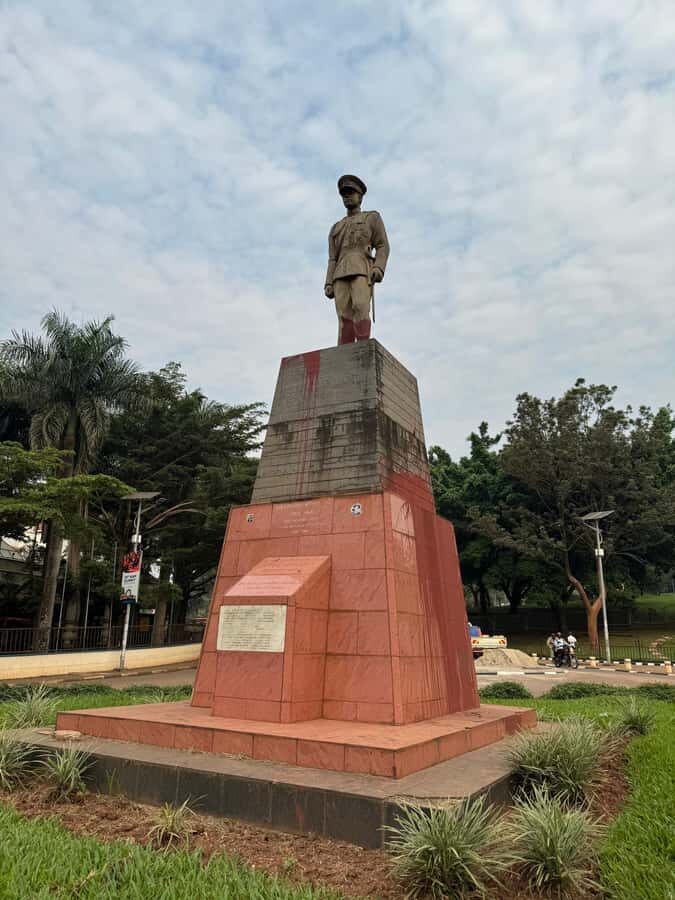
Then you move into monuments, including the Independence Monument and World War monuments. These aren’t just “look at a statue” stops. They’re placed where Kampala physically remembers major eras. Standing there gives you context for how a city talks to itself over generations.
The best part about guided monument stops is what you learn while you’re standing in front of the thing. You’ll get the story in the right order, and that turns a quick photo into something you can actually explain afterward.
If you’re the type who likes to read plaques in detail, you’ll probably want a little extra time here. If you prefer fast understanding over deep reading, the guide’s explanation should cover the key points without bogging you down.
Rolex snack and craft shopping: how to end well (not just walk out)

Some tours give you food in a throwaway way. Here, the Rolex snack is built into the experience as a light taste of one of Uganda’s most popular street foods. If you like street food, this is a satisfying way to refuel without derailing the tour timeline.
A small heads-up from a prior guest: they had to ask about the Rolex when it felt less obvious at first. That doesn’t mean the snack isn’t included—it’s labeled as included—but it does mean you should check in with the guide early. A quick, polite reminder at the start beats waiting later.
The tour also offers optional souvenir shopping at the craft market area—described as Buganda Road craft market, with a scheduled break at Bagala Craft Market. You get a block of time to browse and buy without the pressure of “shop fast or miss the group.” This is a good way to bring home something small and local without turning your day into a shopping mission.
Price and logistics: what $39 gets you, and what to double-check
Let’s talk value plainly. At $39 per person for 3 hours, you’re paying for a guided city route with entry tickets, water, and a light snack. For a first-time visit, that’s strong value because you’re buying time, context, and a smoother route through areas that can feel confusing if you’re figuring them out alone.
Still, there are logistics details you should handle thoughtfully:
- Transportation is marked as not included. Pickup is included, but your own ride to the pickup point is still on you.
- One past guest reported water and transport from their hotel were not included as expected. If you’re staying far from the pickup points, ask the day before what’s included in your particular pickup plan.
- The tour may run a bit longer than the listed 3 hours when there’s lots to see and discuss. That’s normal for a walk focused on questions and photo stops, but it’s worth knowing if you’re planning dinner or another booking right after.
On the plus side, the guide setup looks solid. A guide named Malik is specifically praised for being friendly, smiling, professional, and good at answering questions. You’ll also likely get help taking photos with you, which matters when you’re visiting a viewpoint or a busy market.
Who this tour suits best
This is a great fit if:
- You want a guided orientation to Kampala’s layout and culture in one half-day window.
- You like markets and street life, but you want context and direction.
- You’re interested in religion, monuments, and the city’s different communities in the same route.
- You enjoy trying local food, starting with Rolex.
It might not be ideal if:
- You want long, quiet stops or minimal walking.
- Crowds and active market streets make you uncomfortable without much time to decompress.
- You need fixed timing to the minute for a tight schedule after the tour.
The tour is also marked as wheelchair accessible, which is a positive detail. And it has clear rules like no bare feet and no littering—basic, respectful expectations that keep visits smooth.
Should you book the Kampala walking experience?
I’d book this if you’re visiting Kampala for the first time and want a route that teaches you something as you walk. The mix is practical: a top viewpoint at Gadafi Mosque, market learning at Owino and Nakasero, a real look at transport at the taxi park, then monuments and a local snack.
If you’re picky about timing and want zero surprises, you should go in with a little flexibility and confirm the details at the start—especially that water and Rolex are provided as expected for your group. And because transportation from your hotel can be misunderstood, check exactly what pickup means for your specific location.
In short: for $39, you’re not just buying steps. You’re buying context, entry access, and a guided path through Kampala’s everyday life.
FAQ
How long is the Kampala walking experience?
The tour runs for 3 hours.
Where does the tour start and where does it end?
It starts on Old Kampala hill and finishes at the Uganda Post Office.
What’s included in the price?
Included are an English-speaking city guide, drinking water, entrance tickets, and a light snack (Rolex). Pickup is also included.
Is transportation included?
No. Transportation is listed as not included.
Is the tour wheelchair accessible?
Yes, the tour is wheelchair accessible.
What ages are suitable for this activity?
It is not suitable for children under 1 year, under 2 years, and under 3 years.
Is free cancellation available?
Yes. You can cancel up to 24 hours in advance for a full refund.