REVIEW · KAMPALA
25 day uganda Rwanda kenya and Tanzania safari Zanzibar inclusive
Book on Viator →Operated by Scb tours and travel · Bookable on Viator
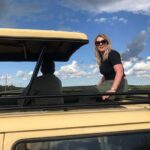
Gorillas, elephants, and Zanzibar in one sweep. This 25-day safari threads Uganda primates and Rwanda mountain gorillas into Kenya’s classic plains and Tanzania’s crater-and-river parks, then winds down in Stone Town and beach days. I like the way it mixes wildlife viewing with human stories, from wetlands community time to a Masai cultural visit.
Two things I’d highlight right away: the primate trekking rhythm (chimpanzees in Kibale, gorillas in Bwindi and Volcanoes, plus golden monkeys), and the strong on-the-ground guiding that often includes drivers/guide names like Solomon and Abraham with clear English and calm planning.
One possible drawback: it’s a long circuit, with early starts and full travel days that can feel like more driving than relaxing.
In This Review
- Key things to know before you go
- Starting in Entebbe and Kampala with an easy arrival day
- Murchison Falls and Ziwa Rhino Sanctuary: rhinos, then the Nile’s roar
- What to watch for
- Bigodi Wetlands to Kibale chimp trekking: primates plus community time
- Why this stop is worth the effort
- Queen Elizabeth style days: Kazinga Channel boat cruise and Lake Bunyonyi recovery
- My practical advice
- Bwindi and Volcanoes National Park gorillas: trekking in thick forest, then Rwanda’s mountains
- A quick note on permits and inclusions
- Kigali Genocide Memorial and golden monkey tracking: Rwanda beyond wildlife
- Why this pairing works
- Amboseli and Lake Nakuru: Kilimanjaro when clouds cooperate, flamingos that steal the show
- Masai Mara game drives to Serengeti via Isebania border: the plains you came for
- Real talk
- Ngorongoro crater and Manyara/Tarangire: sunrise wildlife and baobab elephants
- Stone Town to Zanzibar beach time: your safari decompression plan
- A smart tip before you go
- Price and value: what $25,500 per person really buys
- A note on trust: what to protect yourself from
- Who should book this safari loop (and who should consider a shorter one)?
- Should you book this 25-day Uganda-Rwanda-Kenya-Tanzania-Zanzibar safari?
- FAQ
- Where does the tour start?
- How long is the safari?
- Is pickup included?
- What’s the total price?
- Is this a private tour?
- Are meals included?
- Can I cancel for a full refund?
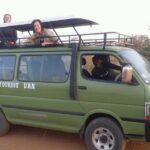
- What’s included in transportation and onboard comforts?
Key things to know before you go
- Private small-group feel: it’s set up so only your group participates, which usually makes logistics smoother.
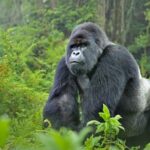
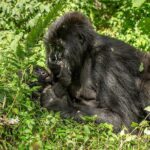
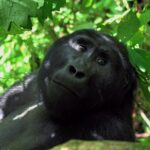
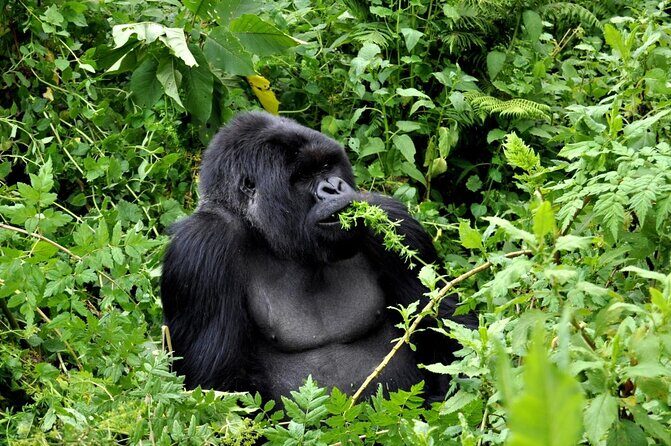
- Big primate hits: chimpanzee trekking in Kibale, gorilla tracking in Uganda and Rwanda, plus golden monkey tracking.
- Rhinos and the Nile: Ziwa Rhino Sanctuary before Murchison Falls, then a boat cruise at the bottom of the falls.
- Kenya to Tanzania without losing momentum: Masai Mara to Serengeti transfer via the Isebania border, with a game drive in both areas.
- Safari-to-island reset: Stone Town first, then true beach leisure on Zanzibar.
Starting in Entebbe and Kampala with an easy arrival day
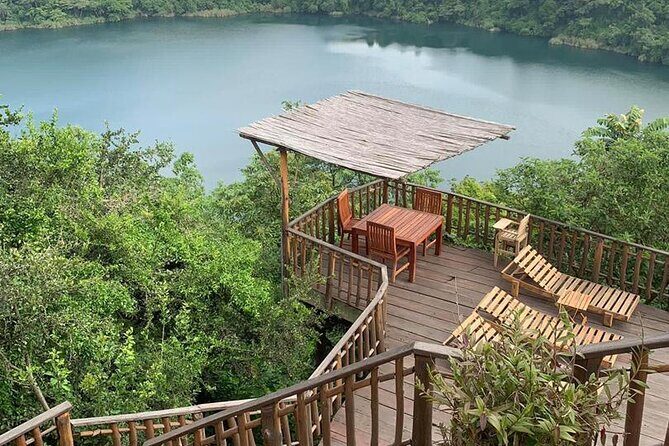
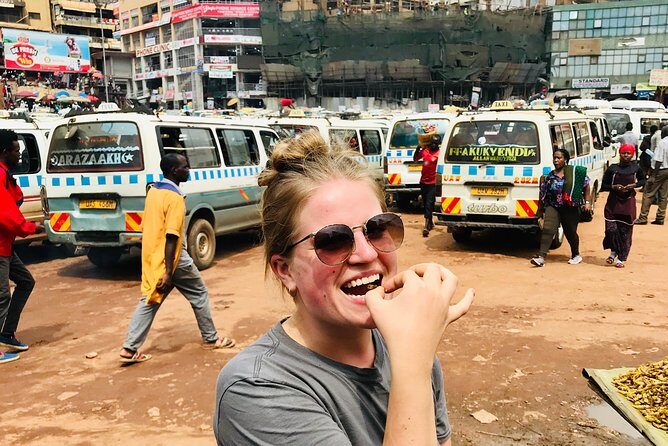
Your trip starts with a simple, human arrival: your guide and driver meet you at Entebbe International Airport with your name on a card. Then you’ll transfer to a hotel in Entebbe or Kampala based on your arrival time. If you land early (or have time), you may add a quick look around Entebbe or Kampala.
This first day matters more than it sounds. Long safaris are won or lost in the first few hours—if you get set up without stress, you wake up fresher for the wildlife days ahead. I also like that this is structured as a pickup, not a vague suggestion to figure things out yourself.
A few more Kampala tours and experiences worth a look

Murchison Falls and Ziwa Rhino Sanctuary: rhinos, then the Nile’s roar
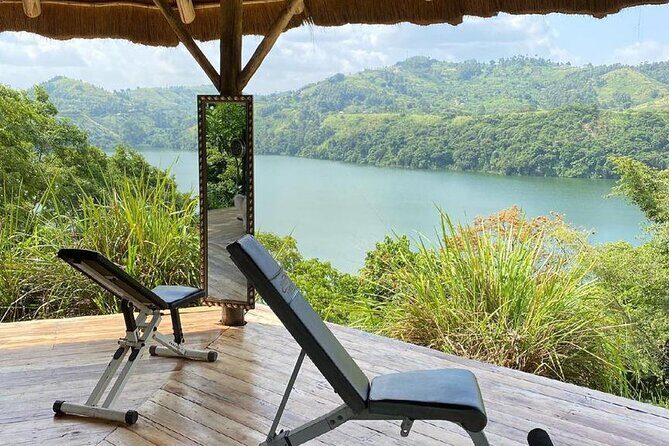
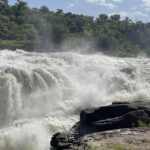
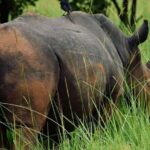
Murchison Falls is one of Uganda’s best “big natural power” days. You go early after breakfast, and you’ll stop at Ziwa Rhino Sanctuary just before the park. That sanctuary was created to protect Uganda’s last rhinos, since rhinos don’t roam freely in many parks due to poaching pressures. Rhino tracking is the main activity here, and you can also spot crocodiles, birds, and other smaller wildlife during the experience.
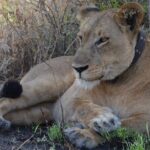
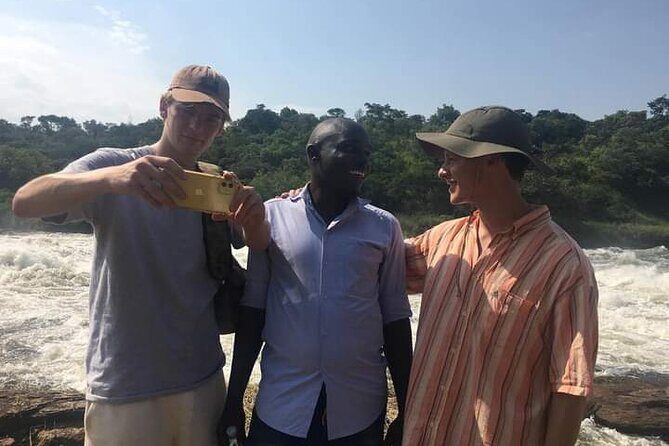
Then you continue to Murchison Falls. The next morning is even more focused: you drive to the southern banks of the Nile for game viewing. It’s a classic early-hour wildlife setup, with chances to see lions, buffaloes, leopards, and elephants (plus plenty of other species like hyena, Uganda kob, and hartebeest). After that, you return for lunch and rest, then go for the launch cruise at the bottom of the falls. This is the part where the river really feels alive: expect huge concentrations of hippos and crocodiles, and excellent bird watching, including species like the Saddle-billed Stork.
What to watch for
This stretch is early and active. The boat cruise and wildlife drives are the stars, but your comfort depends on how well you handle mornings that start before you want them to.
Bigodi Wetlands to Kibale chimp trekking: primates plus community time
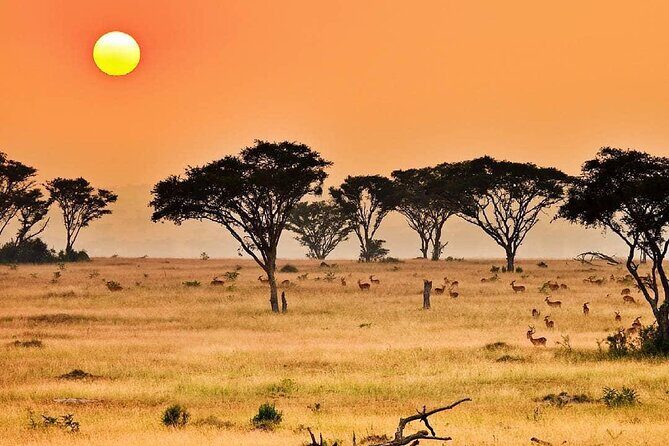
After Murchison Falls, you shift toward forests and wetlands. The travel day to Kibale National Park is built for slow-scrolling scenery—different countryside views, small towns, and local life along the way. You’ll stop for lunch en route, then reach Kibale and check in before visiting Bigodi Wetlands Sanctuary.
Bigodi is a strong change of pace. Instead of “big game,” you get primates, birds, and time with the local community. It’s also a nice buffer after Murchison, because it’s engaging without demanding the same level of physical intensity.
Kibale then delivers the main event: chimpanzee trekking. You start with a briefing at the park headquarters, where you learn what to expect, what to bring, and how to behave when you spot chimps. In practice, chimp tracking can run about 3 to 5 hours, and it’s often physically more demanding than you’d guess—chimps can be easier to locate, but you may need to move faster to keep up as they move through the trees. Once you spend around an hour with the chimp group, you head back for lunch and rest.
Why this stop is worth the effort
If your trip has any primate theme, Kibale is a must. You don’t just get a sighting—you get the whole experience of tracking, finding, and then sharing a limited time window with the animals.

Queen Elizabeth style days: Kazinga Channel boat cruise and Lake Bunyonyi recovery

From Kibale, you continue to Queen Elizabeth National Park for wildlife viewing and bird opportunities. The day is structured with an early morning game drive, designed to catch animals when they’re most active and before the day heats up. Then you return for lunch and rest.
At 2:00 pm, the tour gives you the Kazinga Channel boat cruise. The Kazinga Channel connects Lake George and Lake Edward, and it’s known for pulling in a strong mix of wildlife. You’re not just riding on water; you’re watching hippos and birds concentrate along the banks, with a different feel from a typical land safari.
After all that wildlife time, you get a full rest-and-explore day at Lake Bunyonyi. This is one of the best “recover between safaris” moves in the whole route. The lake has many islands, and you can explore by boat while enjoying the scenery and beaches. Birding can be outstanding, but if birds aren’t your thing, you can still relax and watch local boats and fishing life.
My practical advice
If you’re feeling safari-fatigue anywhere, it’s usually after two intense parks in a row. That Bunyonyi day is scheduled like a reset button.
Bwindi and Volcanoes National Park gorillas: trekking in thick forest, then Rwanda’s mountains
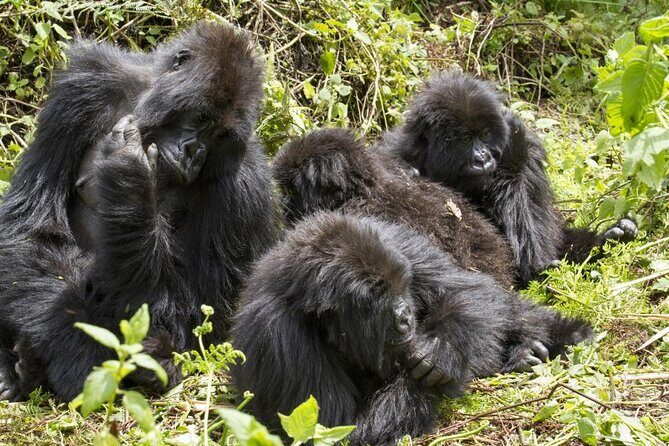
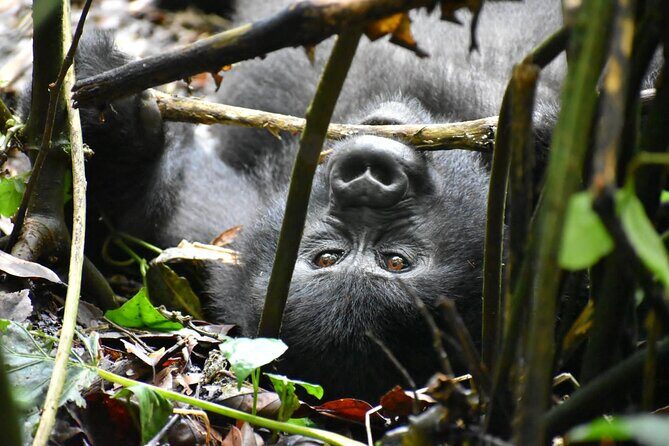
The trip takes you into Bwindi Impenetrable National Park for gorilla trekking. You wake early, register and get a briefing about the park and the gorilla groups you might track. Group allocation is based on fitness, preference, and age, which matters because gorilla trekking involves uneven ground and dense forest routes.
The trekking itself is described as dense, muddy, and sometimes tough—then suddenly you find the gorilla family. Once you’re with them, you can take photos, but your time is limited to about one hour. That time window is the whole point: it’s intense, unforgettable, and fast.
Then you move to Rwanda for Volcanoes National Park and gorilla trekking again. Here, the briefing starts around 7:00 am, and group allocation is based on fitness. During tracking, you’re asked to listen to guides, avoid sudden movements, and only take photos when you’re cleared to do so.
A quick note on permits and inclusions
The Rwanda gorilla day shows as Admission Ticket Not Included, while other days are labeled included or free. That doesn’t mean you’ll pay for everything, but it does mean you should confirm what’s covered in your exact booking. Gorilla treks are usually the most sensitive line-item in any East Africa safari—this itinerary flags that one day differently, so double-check.
Kigali Genocide Memorial and golden monkey tracking: Rwanda beyond wildlife
Rwanda adds two layers: conservation primates and history. After gorilla tracking, you travel onward, and the next day includes a visit to Kigali Genocide Memorial along with activity planning for golden monkey tracking.
Golden monkeys are small, cute, and endangered, and your day centers on tracking them in Rwanda’s trails. You’ll likely also spot other primates along the way, since troops move through areas where you can pick up additional wildlife. Like the other primate days, this is a structured morning activity with a briefing and a trail-based hunt for your target group.
Why this pairing works
Gorillas (and chimps) can make you feel like you’re inside wildlife time. Adding Kigali gives your trip a human backbone so it doesn’t feel like only animals and vehicles.
Amboseli and Lake Nakuru: Kilimanjaro when clouds cooperate, flamingos that steal the show
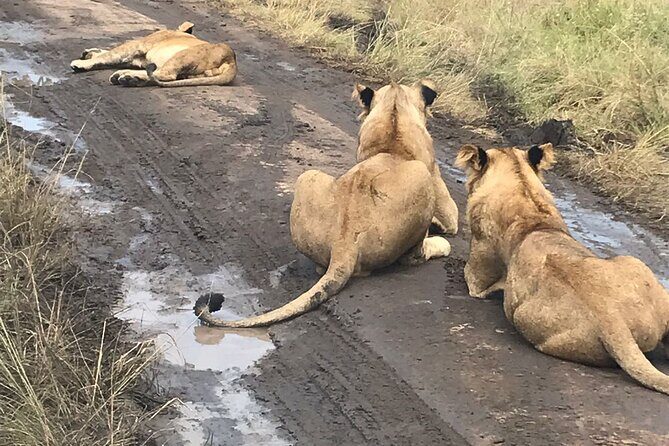
Kenya opens with Amboseli National Park. You’ll drive into Amboseli from the Nairobi area, arriving after a few hours on the road. There’s lunch on arrival, then an afternoon game drive. The next day is built for full-day viewing, with lunch boxes and the chance to see Mount Kilimanjaro clearly when weather allows.
The value here is simple: Amboseli’s big open skies and elephant population give you repeat chances for iconic sightings, and the itinerary keeps your time distributed between afternoon and full-day viewing instead of dumping you into one short drive.
Then you move to Lake Nakuru National Park, known for flamingos and a strong rhino sanctuary setup. The lake can have massive numbers of flamingos—enough to form a deep pink band at the lakeshore when conditions are right. The park is also home to black and white rhinos, so you’re balancing showy birds with a serious conservation story.
Masai Mara game drives to Serengeti via Isebania border: the plains you came for
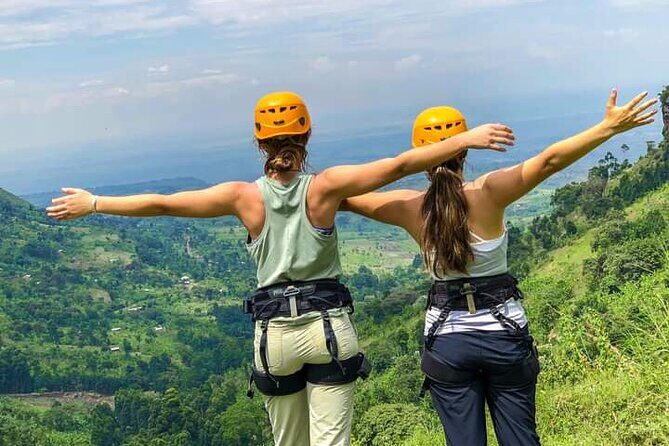
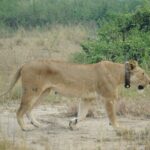
Masai Mara is where the safari tone gets louder. You have early morning drives and packed lunch formats, plus a full day game drive with time to look for resident wildlife and the big cats people hope for. The itinerary highlights classic Mara expectations like black-maned lions, cheetahs that may act unbothered by vehicles, and strong bird diversity.
Then you do something practical that many safaris skip: you transfer from Masai Mara to Serengeti through the Isebania border. That’s scheduled as a whole-day transfer, but it’s not just sitting in a vehicle. You get game driving during parts of the day—morning in the Mara and afternoon in the Serengeti. There’s also a Masai community tour scheduled during the transfer day, which adds a human layer to the wildlife loop.
In Serengeti National Park, the focus shifts to vast plains and the great migration ecosystem. You’ll do game drives, including areas like the crater highlands, then continue into the endless feeling of the Serengeti. The route also mentions an opportunity to visit Oldupai Gorge and a potential hot air balloon experience.
Real talk
This segment is long and busy, but it’s the core “classic safari in two countries” payoff. If you’re the type who wants your sightings connected instead of chopped up by flights and layovers, this is built for that.
Ngorongoro crater and Manyara/Tarangire: sunrise wildlife and baobab elephants
From Serengeti, you get an early shift into Ngorongoro. The day is structured around early morning viewing to catch animals when they’re most active. You’ll also get a sunrise angle, then return for brunch before the transfer to the crater area. Ngorongoro is described as crater walls rising hundreds of meters with a crater floor wildlife density that’s hard to match elsewhere in East Africa. The itinerary notes black rhinos as part of the rare wildlife mix, plus big elephant presence.
There’s also a possibility for an afternoon walking safari in the Ngorongoro highlands, which would add a different pace if you’re comfortable on foot. The next day is another early descent day: you’ll spend time in the crater for wildlife viewing, stop near the hippo lake for picnic lunch, then drive back out.
You then head to Manyara for overnight, with flexibility to visit Tarangire instead. The itinerary mentions a possible Maasai village stop (Oldonyo Sambu Maasai Village) en route, depending on how your days land.
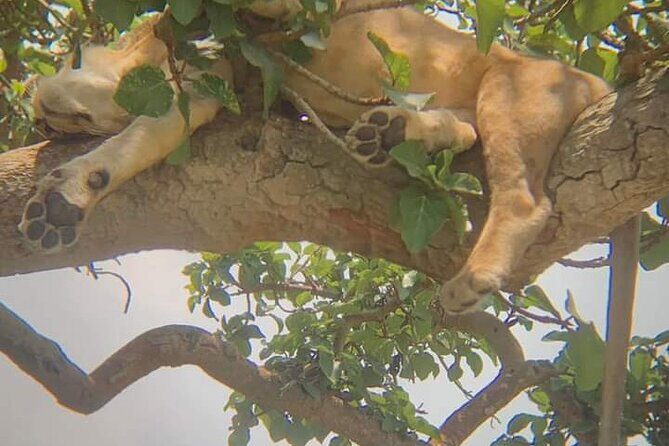
Then it’s Lake Manyara National Park for a full day game drive. Manyara is known for dense acacia forest and a lot of bird variety, plus iconic primates like baboons and blue monkeys. The itinerary also calls out tree-climbing lions and flamingos on the lakeshore, plus the familiar mix of buffalo, giraffe, elephants, and impala.
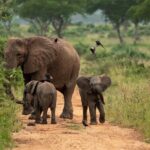
Finally, you do Tarangire National Park. Tarangire leans into elephants and baobabs. Animals concentrate along the Tarangire River, where water is more permanent. The itinerary flags up to about 6,000 elephants and highlights game viewing with a picnic lunch.
Stone Town to Zanzibar beach time: your safari decompression plan
After the mainland parks, you shift to Stone Town. The itinerary places your first Zanzibar night in a boutique hotel in the heart of the old center, with the goal being recovery after days of driving and early starts. Stone Town also gives you easy access to food, wandering streets, and optional guided experiences.
The next day is Zanzibar City with time to relax and enjoy white-sand beach life and turquoise ocean time. Extra activities are listed as options, like a Stone Town day tour featuring an Old Town guided tour, a Spice Tour, and Prison Island, plus lunch not included. Another optional idea is Jozani Forest.
Then you get a full leisure day on Zanzibar Island. The itinerary points you toward using resort facilities like spa and massage, pool time, and ocean time. For active travelers, it mentions options like scuba experiences or other day tours (details would depend on what you choose once you’re there).
A smart tip before you go
If you’re choosing between a long safari day and beach time, Zanzibar is the place where you’ll actually notice the benefit. I’d use your first beach day to slow down, not to pack in “one more tour.”
Price and value: what $25,500 per person really buys
At $25,500 per person for about 25 days, the value comes from what you’re not doing: you’re not piecing together permits, park planning, internal transfers, and multi-country timing yourself. This itinerary is set up as a private experience with air-conditioned vehicle support and WiFi on board, plus accommodation and a structured schedule of breakfasts, lunches, and dinners.
The included meals listed are 10 breakfasts, 10 lunches, and 10 dinners. That’s important because it means not every day is automatically a full-board arrangement. I’d treat your final confirmation as the truth source for what’s included meal-wise on each day.
Also watch the fine print around park admissions. The itinerary labels some days as admission ticket free, some included, and at least one gorilla trekking day shows as not included. Since you’re paying a premium for a private cross-country safari, you should ask for a clear written breakdown of:
- which park fees/permits are included versus not included
- whether special activities like hot air balloons or walking safaris are paid through your booking or booked on arrival
A note on trust: what to protect yourself from
Most of the feedback I saw leans strongly toward well-planned routing and strong guidance, with names like Solomon and Abraham showing up as standout driver-guide types who communicate clearly and handle driving calmly. That’s the kind of consistency you want on a 25-day circuit.
Still, one caution showed up in the information provided: a guest claimed unexpected extra costs and a dispute. I can’t verify details from that alone, but it’s enough to recommend a practical shield for you: get every inclusion spelled out in your confirmation, keep receipts, and don’t rely on assumptions for “maybe included” items.
Who should book this safari loop (and who should consider a shorter one)?
This itinerary fits you best if you want a full East Africa sampler without losing the plot. You’ll like it if you want:
- primate trekking at multiple sites (chimps, gorillas, golden monkeys)
- big wildlife parks in different styles (Nile river power, open savanna plains, crater density)
- a proper Zanzibar landing afterward, not just a quick stop
You might want a shorter version if you dislike early mornings, long drives, or if you only want one gorilla experience. Because this route is heavy on movement days, it’s best for travelers who see travel time as part of the adventure.
Also, this is listed as “most travelers can participate,” and it’s a private tour/activity. That usually means fewer hassles with schedules and meeting points once you’re in motion.
Should you book this 25-day Uganda-Rwanda-Kenya-Tanzania-Zanzibar safari?
If your dream list includes gorillas plus Zanzibar, this is a strong match. The route doesn’t just promise animals—it staggers the trip so you get conservation-style experiences in Uganda and Rwanda, then classic savanna viewing in Kenya and Tanzania, and finally a beach-and-history breather in Zanzibar and Stone Town.
Book it if you can handle a packed 25-day rhythm and you’ll confirm what permits and optional activities cost. Don’t book it if you want a slow, low-effort vacation or if you’re hoping every day is fully relaxation-based.
FAQ
Where does the tour start?
The start point is Entebbe International Airport (Kampala Road, Entebbe, Uganda). Your guide and driver meet you there using your name on a card.
How long is the safari?
It’s listed as 25 days (approx.).
Is pickup included?
Yes. The experience includes pickup, starting with airport pickup at Entebbe, and the itinerary also references pickups within Kenya on the Kenya start day.
What’s the total price?
The price is listed as $25,500.00 per person.
Is this a private tour?
Yes. It’s described as a private tour/activity, meaning only your group participates.
Are meals included?
The “Included” section lists 10 breakfasts, 10 lunches, and 10 dinners. For other days, your final confirmation should show what’s covered.
Can I cancel for a full refund?
Yes, free cancellation is available. You can cancel up to 24 hours in advance for a full refund, and cancellations within 24 hours are not refunded.
What’s included in transportation and onboard comforts?
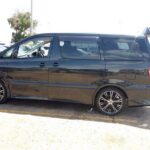
You get an air-conditioned vehicle and WiFi on board as part of the included features.