REVIEW · KAMPALA
1 Day Best Mabamba Swamp Shoebill Birding Tour, Lake Victoria
Book on Viator →Operated by Ultimate Wild Safaris · Bookable on Viator
One bird looks like it belongs in a dinosaur movie: the shoebill. This short trip focuses on Mabamba Swamp, Uganda’s internationally important wetland near Lake Victoria, where you can also enjoy a long, boat-based look at wetland birds in papyrus and lilies. I love that the experience is built around shoebill watching (the main event), and I also like the bigger picture—this swamp has been protected as a Wetland of International Importance since 2006.
One possible consideration: you’ll want good weather, because the experience requires it, and conditions can affect boat time and bird-spotting.
In This Review
- Key highlights you’ll actually care about
- Why Mabamba Swamp is a serious birding stop near Lake Victoria
- The 8:00 am start: how the day is paced from Entebbe
- Stop 1 in Entebbe: the transfer that sets expectations
- Stop 2: Mabamba Shoebill watching on the swamp waters
- What the swamp environment means for your chances
- What you might see besides the shoebill
- A strong reminder of why waiting can pay off
- Photo and viewing reality
- Value check: is $150 per person a good deal for a shoebill-focused day?
- Who this tour fits best (and who might want a different plan)
- Weather and “what if” thinking: the practical stuff
- How to get the most from your shoebill day
- Quick FAQs
- FAQ
- Where does the tour start and end?
- What time does the tour begin?
- How long does the tour take?
- Is this a private tour?
- What’s included in the price?
- What might cost extra?
- Do I need good weather?
- What happens if it’s canceled due to weather?
- Can I cancel for free?
- Should you book the Mabamba Swamp shoebill tour?
Key highlights you’ll actually care about
- Shoebill target: this is the core goal of the morning on the swamp waters.
- Private group time: only your group participates, so you’re not sharing boat attention with strangers.
- Mabamba’s wetland texture: thick papyrus marsh, water lilies, and wetland grasses shape both the scenery and the bird habitat.
- Big-bird energy, not a long slog: the day is short (about 5.5 hours total), but still built for a focused look.
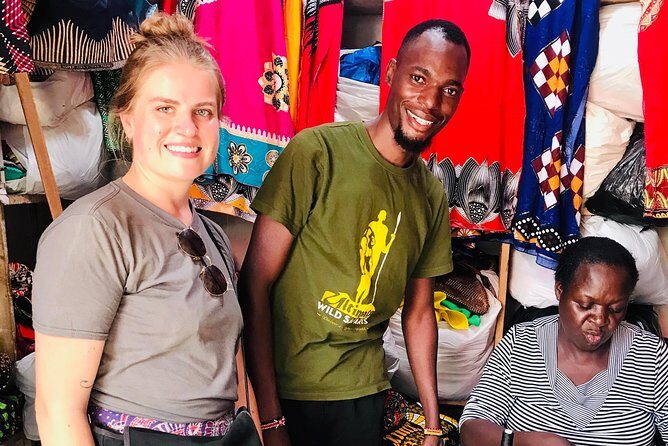
- Local expertise matters: a guide like Musah and the boat captain help you read the swamp and position for sightings.
- Ecology that’s bigger than one bird: Mabamba is a BirdLife International Important Bird Area with globally threatened species.
Why Mabamba Swamp is a serious birding stop near Lake Victoria
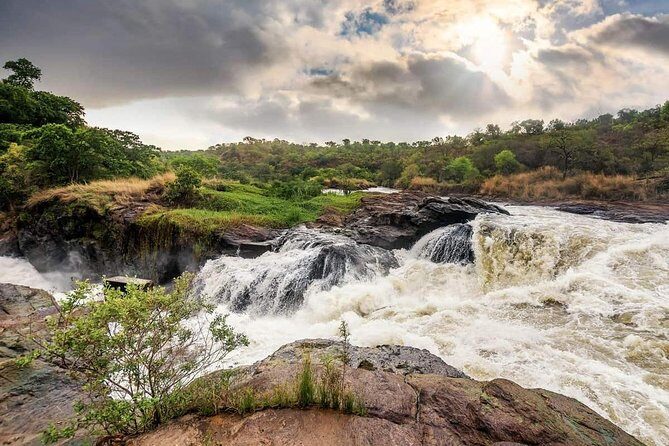
Mabamba Swamp sits on the northern shore of Lake Victoria, and it’s not the kind of wetland you just drive past. The area covers about 2,424 hectares of marsh, with thick stands of papyrus, water lilies, and wetland grasses. That dense mix is exactly what many wetland birds want—shelter for nesting, feeding spots, and cover from disturbance.
What makes this location especially compelling for bird lovers is that it’s been recognized internationally. In 2006, Mabamba Swamp was awarded Wetland of International Importance status through the Ramsar Convention. It’s also designated as an Important Bird Area by BirdLife International. Translation for your trip: this isn’t a random pond stop. It’s a habitat that conservation partners and Ugandan efforts have worked to protect, including reducing encroachment and running community sensitization programs in Mabamba Bay.
And yes, the shoebill is the star. This large, prehistoric-looking bird is one of those animals that can put the whole trip into sharp focus—if you get even a decent look, you’ll remember it. In a short format like this, that matters. You’re not spending days chasing a single species. You’re aiming at it, with the wetland around it providing constant “other stuff” if the shoebill moves around.
A few more Kampala tours and experiences worth a look
The 8:00 am start: how the day is paced from Entebbe

The tour runs from Entebbe and begins at 8:00 am, with pickup from your accommodation area in Entebbe Town. The total time is around 5 hours 30 minutes, so the schedule is designed to fit a working morning into something that feels like a real outing, not a halfhearted excursion.
A short trip like this has two big advantages for you:
- You avoid a full-day commitment if you’re short on time.
- The day stays efficient, so you can still enjoy Entebbe afterward.
The tradeoff is that you’ll want to be realistic: birding is not a guaranteed checklist. Shoebills can be present and still not cooperate. That’s why guide skill—plus patient boat positioning—really matters.
Stop 1 in Entebbe: the transfer that sets expectations
You’ll start with pickup in Entebbe and travel to Mabamba Swamp. This portion is quick—about 20 minutes on the schedule—so you won’t feel like the “real trip” starts later. The best way to use this transfer time is mental: decide what you’ll enjoy besides the shoebill.
Mabamba is a wetland with over 300 bird species in the area, so even when the main target takes time to show, there’s usually plenty happening around you. Think of this as warming up your bird eyes. Notice movement in papyrus edges. Watch for activity near water lilies. Listen for calls that tell you something is close even if it’s hard to see.
Also, because this is private and focused, you can ask questions right away. If you’re going with a guide like Musah, this is the moment to ask what you’re likely to see and how they typically locate shoebills in that stretch of wetland.
Stop 2: Mabamba Shoebill watching on the swamp waters
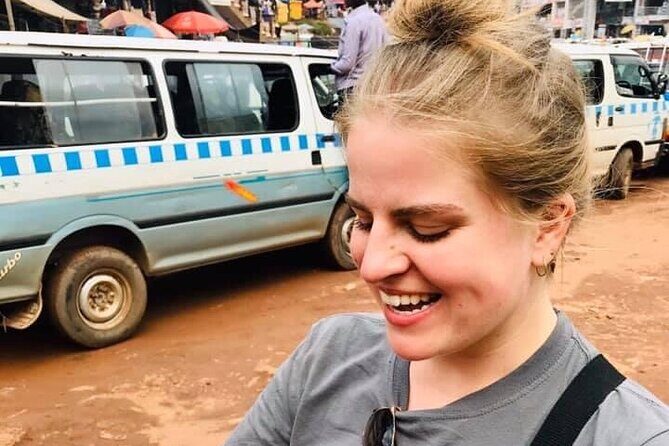
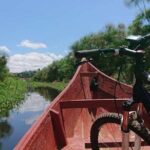
This is the main event: a boat-based look through Mabamba’s wetlands, scheduled for about 5 hours of time on the water. It’s long enough to allow for waiting and repositioning, but not so long that you feel fried by the day.
What the swamp environment means for your chances
Mabamba is thick-marsh country. Papyrus and water lilies create natural “rooms” in the habitat—narrow channels, pockets of open water, and cover that birds use for feeding and resting. For shoebills, which rely on stealth and stillness, that type of habitat is ideal.
For you, it means:
- You’ll likely spend time looking where the habitat breaks—edges, channels, and spots where you can see into the water.
- You may need to slow down. Fast scanning isn’t always the winning technique in dense wetlands.



What you might see besides the shoebill
The trip is described as a shoebill-focused outing, but it’s also set up for birdwatchers who want “wetland specials” and other Uganda birds found in this region. The data here doesn’t list a specific species tally, so I won’t pretend you’ll get a fixed menu. Instead, plan to enjoy the swamp as a whole birding system.
If you’ve ever wondered what it’s like to bird in wetlands rather than forests or savanna, this is a great taste. Birds move differently here. Sightings often come from slow changes—ripples, sudden stillness, or movement along papyrus borders.
A strong reminder of why waiting can pay off
One of the most memorable moments tied to this kind of shoebill trip is behavior, not just appearance. In a day like this, it’s possible to see a juvenile shoebill trying to catch fish and a larger bird arriving afterward—behavior that shows family dynamics and hunting strategy, not just a pose for a photo. Moments like that are why patience matters on the swamp.
Photo and viewing reality
You’ll have a boat trip, which usually means your best shots come during calm positioning. When a shoebill appears, you’ll benefit from staying steady and letting the guide decide where to put the boat. If you’re the type who wants to sprint around for angles, tame that instinct. In papyrus wetlands, good viewing is often about quiet consistency.
Value check: is $150 per person a good deal for a shoebill-focused day?
At $150 per person, this is priced as a mid-level specialized wildlife outing. The value question isn’t just cost—it’s what you get for that time.
Here’s what you’re paying for:
- A targeted trip with the shoebill as the main goal.
- A boat-based safari format through a wetland designed for birding.
- A short total schedule (about 5.5 hours), which can be a big plus if you don’t want to lose a whole day in transit.
- A private setup, so the boat time and guide attention aren’t diluted.
Now, one practical point you should confirm before you go: the info on inclusions is slightly mixed. It says all fees and taxes are included, yet it also notes that you get a bottle of water and pay entrance charges for what isn’t added in the itinerary. That’s not unusual in wildlife operators, where some local fees can be handled differently. For peace of mind, message Ultimate Wild Safaris before departure and ask what entrance charges (if any) you’ll pay on the day.
Even with that clarification, the trip still looks like strong value for people whose schedule is tight and whose priority is seeing the shoebill without building an entire safari around it.
Who this tour fits best (and who might want a different plan)

This is a great match if you:
- Want a short, concentrated nature outing from Entebbe.
- Have the shoebill on your Uganda wish list.
- Prefer guided wildlife time where someone helps with positioning and spot-finding.
It can also work if you’re not a hardcore birder. The swamp environment is scenic in its own right. Papyrus, water lilies, and the sense of an ecosystem under the surface make it interesting even when you’re not counting species.
You might consider a different plan if you:
- Can’t handle waiting. Wetland wildlife is about patience as much as luck.
- Need guaranteed outcomes. Birding doesn’t work like a fixed show.
Weather and “what if” thinking: the practical stuff
The experience requires good weather. If conditions are poor and the operator cancels due to that, you’ll be offered a different date or a full refund. That’s the right setup for a birding boat day, because rain and wind can make sightings harder and boat conditions less comfortable.
So, your job as the traveler is simple: keep this trip flexible in your planning. If you’re stacking several activities in Entebbe on the same morning window, give yourself buffer time.
How to get the most from your shoebill day
Even with a well-run outing, your experience improves when you prepare your expectations and your body.
Bring what helps you:
- Comfortable clothing suited for a boat day in wetland conditions.
- Sun protection, since you’ll likely be out in open views even if much of the area is marsh.
- A camera strategy that doesn’t require you to stand and reposition constantly.
Then, do the “birding mindset” that works anywhere but especially here:
- Watch edges, channels, and water openings, not only wide open water.
- Stay calm when the guide is scanning. Most good moments happen during the still time, not the frantic time.
- Use the waiting to study behavior—feeding posture, movement in papyrus, and response to ripples.
If you’re with a guide like Musah and the boat captain, lean into their method. The swamp is the boss. Your success depends on reading their cues and trusting their positioning.
Quick FAQs
FAQ
Where does the tour start and end?
It starts in Entebbe, Uganda and ends back in Entebbe.
What time does the tour begin?
The start time is 8:00 am.
How long does the tour take?
It runs for about 5 hours 30 minutes.
Is this a private tour?
Yes. It’s listed as private, meaning only your group participates.
What’s included in the price?
The experience includes all fees and taxes. It also specifies that you’ll get a bottle of water and that admission is included for the Mabamba shoebill watching stop.
What might cost extra?
The information says you pay entrance charges for what isn’t added in the itinerary, so it’s worth confirming what fees you’ll handle on the day.
Do I need good weather?
Yes. The experience requires good weather.
What happens if it’s canceled due to weather?
If it’s canceled due to poor weather, you’ll be offered a different date or a full refund.
Can I cancel for free?
Yes. You can cancel up to 24 hours in advance for a full refund.
Should you book the Mabamba Swamp shoebill tour?
I’d book this if the shoebill is a top priority and you want a real wetland birding experience without losing an entire day to logistics. The combination of Mabamba’s protected habitat, a focused boat format, and the short schedule from Entebbe makes it a smart way to see something truly rare in Uganda.
Just do two things before you commit: confirm how entrance charges are handled in your case, and plan for weather. If you get solid conditions, you’re set up for exactly the kind of unforgettable wildlife moment Uganda is known for.