REVIEW · KAMPALA
9 Best of Uganda gorilla and wildlife safari
Book on Viator →Operated by East African Jungle Safaris ltd · Bookable on Viator
Gorillas and chimps in one trip sounds unreal. This 9-day Uganda safari strings together Kibale primates, the Kazinga Channel boat cruise, and Bwindi gorillas with time to hike and canoe at Lake Bunyonyi.
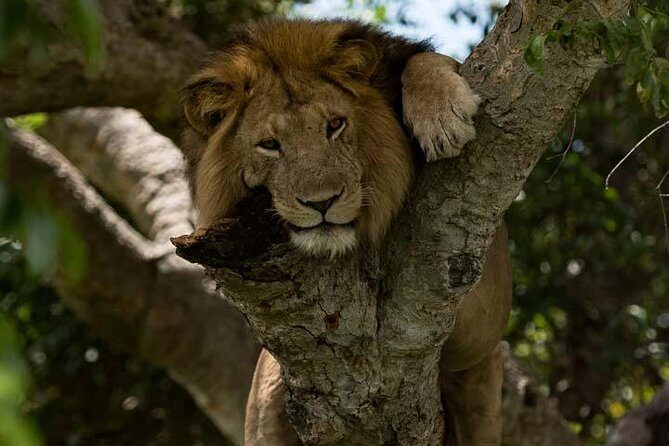
What I like most is the way it hits two top wildlife highlights—chimp tracking and mountain gorillas—without turning the days into chaos. I also like the wildlife variety: hippos and birds on the Kazinga Channel, then tree-climbing lions in Ishasha.
One thing to consider is that this is a full-on circuit. If you do not enjoy early starts and rainforest treks, the days in Bwindi and the hike viewpoint day at Lake Bunyonyi could feel like a lot.
This trip is also priced at $5,260.42 per person, so you’ll want to be sure you’re comfortable paying for access, permits, and prime wildlife time. The company does run it as a private experience (your group only), but the route still demands a moderate fitness level to enjoy the trekking days.
In This Review
- Key highlights you should care about
- A 9-day route that actually makes sense for wildlife lovers
- Getting oriented in Kampala and settling into the start hotel
- Kibale and Fort Portal: tea country into chimp territory
- Chimp tracking in Kibale: what that 08:00 briefing sets up
- Queen Elizabeth National Park and the Kazinga Channel cruise
- Ishasha sector: the tree-climbing lions plan
- The long travel to Bwindi and why it matters
- Gorilla trek in Bwindi: the height of the tour
- Lake Bunyonyi: canoe rides, 20 islands, and viewpoint hiking
- Price and value: what $5,260.42 per person is buying
- Guides and communication: the Fred, Ronnie, and Andrew factor
- Who this safari is best for (and who should rethink)
- Should you book this Uganda gorilla and wildlife safari?
- FAQ
- What time does the tour start in Kampala?
- How long is the safari?
- Where do you track chimps and where do you trek gorillas?
- Is this a private tour?
- What’s included in the price?
- What is not included?
Key highlights you should care about
- Chimpanzee tracking in Kibale: report for briefing at 08:00 at Kanyanchu Tourist Centre before you go looking for habituated chimpanzees.
- A real boat-cruise wildlife window on Kazinga Channel: a 2-hour cruise on a 42 km channel between Lake Edward and Lake George.
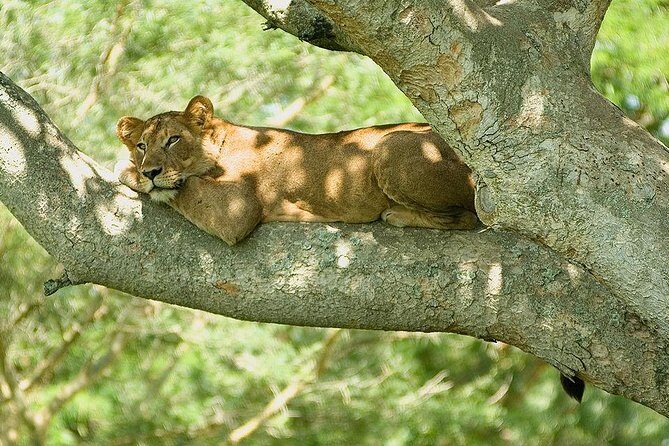
- Ishasha sector tree-climbing lions: a game drive focused on the famous lions that lounge in trees while you watch for prey herds.
- Bwindi gorilla trek built into the middle: Broadbill Forest Camp sets you up for the day you meet mountain gorillas in the forest.
- Lake Bunyonyi on both water and foot: canoe riding plus a hike to a viewpoint, with Lake Bunyonyi’s 20 small islands as the backdrop.
A 9-day route that actually makes sense for wildlife lovers
This tour works because it groups the right ecosystems in the right order. You start in Kampala, then move through forests and savannah-style game areas before ending with the cooler, calmer feel of Lake Bunyonyi. The point is simple: you’re not bouncing randomly. You’re building a route where each stop has its own wildlife identity.
I especially like that the plan gives you two “big primate days.” Kibale is your chimpanzee day, and Bwindi is your mountain gorilla day. That kind of pairing matters because it lets you focus on primates without sacrificing the chance to see classic savannah wildlife and big waterbird action.
And you get a mix of game viewing styles: forest tracking, a guided boat cruise, and a game drive. That variety keeps the trip from feeling like repeat scenery.
A few more Kampala tours and experiences worth a look

Getting oriented in Kampala and settling into the start hotel
Day 1 begins with pickup after you arrive, then a transfer into Kampala to stay at Forest Cottages (breakfast included). This matters more than you might think. If you’re coming from far away, a night in Kampala helps you arrive with less pressure on Day 2.
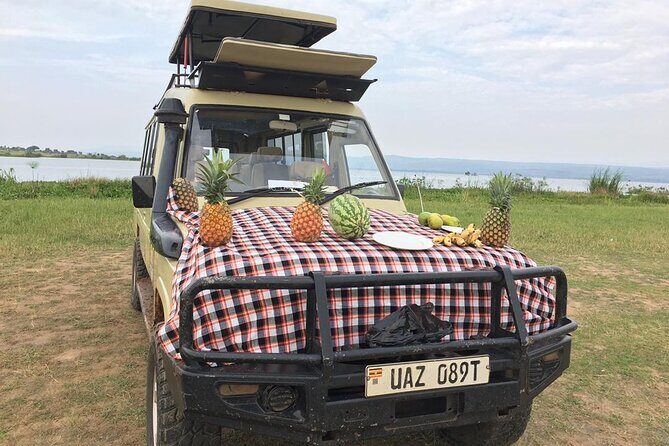
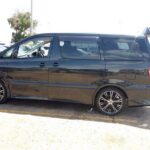
Your start time is listed as 7:00 am in Kampala, so plan to treat Day 2 as an early move day. The safari uses an air-conditioned minivan, which is a relief when Uganda road time stacks up.
Kibale and Fort Portal: tea country into chimp territory
On Day 2, you travel toward Kibale Forest National Park via Fort Portal. The drive passes countryside with homesteads, crop gardens, and large tea plantations, plus trading centers and towns. It’s the kind of road trip that gives you a sense of what life looks like outside the parks—without stealing hours you need later.
You stop for lunch en-route and reach Kibale late afternoon, then settle into Kibale Forest Camp.
This is a smart placement. Kibale is where you’ll be on the lookout for chimps the next day, so it’s helpful to arrive with daylight still in the schedule.
Chimp tracking in Kibale: what that 08:00 briefing sets up
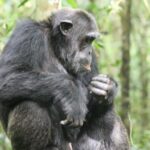
Day 3 is chimpanzee tracking, and it begins with structure. You report at Kanyanchu Tourist Centre at 08:00 for a briefing on rules for chimpanzee habituation. That briefing is not filler. It sets the boundaries that keep both people and chimps safe, and it helps you understand what you might see and how close you’ll be allowed to get.
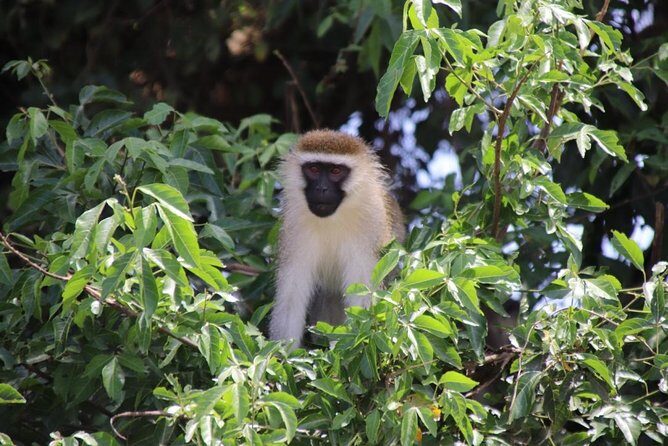
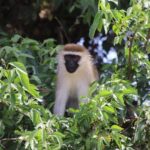
Kibale is described as having the greatest variety and highest concentration of primates in East Africa, and it’s home to 13 species. The famous one is the chimpanzee, but the forest can also offer other monkey encounters depending on what’s moving that day.
You stay the night at Kibale Forest Camp again, which makes Day 4 feel like a clean transition instead of an immediate rush.
Practical note: chimp tracking is weather-dependent and forest-dependent in the moment. If the chimps are active but farther in, you’ll still spend the day walking and looking. If you want a guaranteed sighting every second, no primate tracker can promise that. What you can count on here is time and the right setup, with the official briefing process built in.
Queen Elizabeth National Park and the Kazinga Channel cruise
Day 4 moves you to Queen Elizabeth National Park, and you’ll have lunch at your booked lodge. In the afternoon comes the Kazinga Channel boat cruise, scheduled as a 2-hour ride.
This is one of the most “worth it” parts of the whole itinerary because it’s a different kind of wildlife viewing. The Kazinga Channel is 42 km long and links Lake Edward and Lake George. The big draw is the chance to see hippos up close and birds overhead—plus solid photo opportunities.
The cruise also gets you a birdlife angle. The information provided highlights well over 550 resident bird species, and that kind of number tells you the channel is a serious bird corridor, not a quick scenic detour.
That night you stay at Bush Lodge, keeping you positioned for the next day’s game drive.
A few more Kampala tours and experiences worth a look
Ishasha sector: the tree-climbing lions plan
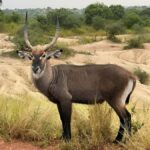
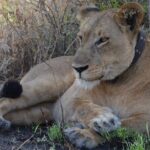
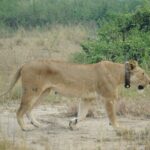
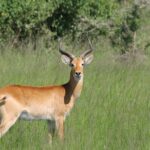
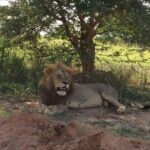
Day 5 is a game drive in the Ishasha sector of Queen Elizabeth. This is where you chase the famous “tree-climbing lions” idea—the lions lounging in branches while you scan for movement, and while you keep an eye on the herds of Uganda kob, which are noted as their favorite prey.
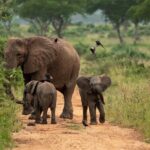
Ishasha also has other targets. You might see buffaloes and elephants, and the plan specifically calls out the shoebill as a rare species you could encounter.
This day rewards patience. Game drives aren’t about speed; they’re about stopping often and reading the landscape for signs. The lion-in-a-tree angle is a bonus because it gives you a different sightline than typical grassland lion sightings. When you do spot them, it’s the kind of moment that makes the drive days feel worth it.
The long travel to Bwindi and why it matters
Day 6 is a travel day to Bwindi Forest via Kagamba and Ntungamo town, with lunch en-route. You reach Bwindi late evening and check into Broadbill Forest Camp.
This is one of those “you feel it while you’re doing it” parts of the trip. You’re moving from savannah and waterways into dense forest country, and getting there on the road takes time. The value is that it positions you for the gorilla trek day without rushing the morning of Day 7.
If you’re the type who likes to rest between activities, this layout helps. You arrive late, you sleep, and the next day you focus on the trek.
Gorilla trek in Bwindi: the height of the tour
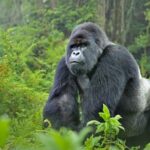
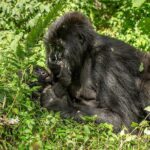
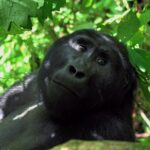
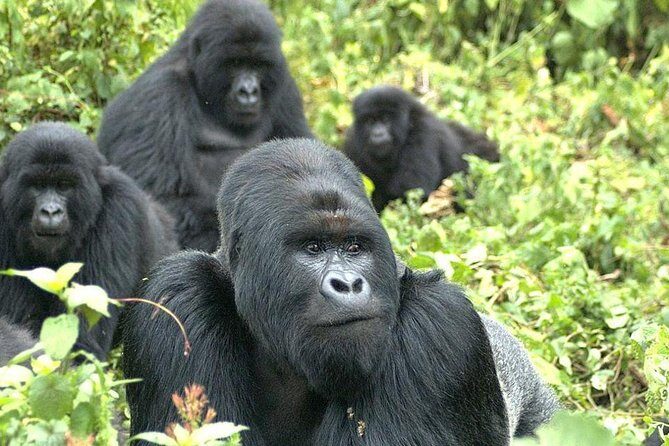
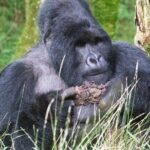
Day 7 is the centerpiece: the gorilla trek in Bwindi Impenetrable Forest. This is described as the height of the Uganda tour safari, and the way the trip is built around it supports that. You stay at Broadbill Forest Camp the night before, so you are not hopping around too much right before you go into the gorilla habitat.
For gorilla trekking, the key thing is the forest conditions and your stamina. The tour notes moderate physical fitness is recommended, which makes sense because you’ll be walking on uneven ground in a rainforest environment. The pace can vary depending on where the gorillas are that day.
Also remember: this isn’t just a “see wildlife” day. It’s a disciplined, rule-following experience tied to habituation and conservation guidelines. The earlier chimp briefing vibe carries over in spirit—follow the instructions from your guide and you’ll have a smoother day.
Lake Bunyonyi: canoe rides, 20 islands, and viewpoint hiking
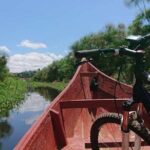
Day 8 shifts gears. You travel to Lake Bunyonyi and spend time on water and on foot. The plan includes a canoe ride and a hiking viewpoint.
Lake Bunyonyi is described as scenic and dotted with 20 small islands, surrounded by steep terraced hills. That description matters because it tells you what you’ll be experiencing visually: layered slopes and a broken-line water view, not a flat “lake from the road” type of setting.
You stay at Birdnest Bunyonyi for the night, which keeps your final day relaxed.
Day 9 finishes with Lake Bunyonyi time and then travel back to Kampala. If you’re the kind of person who likes to land the trip with something calmer before travel days, this ending works well.
Price and value: what $5,260.42 per person is buying
Let’s talk value because the price is not small: $5,260.42 per person for about 9 days. What makes it feel justified on paper is what’s included:
- Accommodation as per the itinerary
- National park fees
- Meals as per the itinerary (breakfast, lunch, dinner)
- Bottled water
- A professional guide
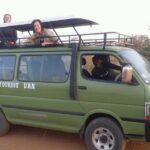
- Transport by air-conditioned minivan
What’s not included is simpler: alcoholic drinks and souvenir photos.
So you’re paying for access to multiple protected areas and multiple wildlife-focused activities, including primate tracking and a paid boat cruise. When those are bundled with transport and most meals, you reduce the “surprise extras” that can otherwise stretch a safari budget.
That’s also why the private-group angle is relevant. You’re not sharing your guide and vehicle with strangers beyond your own group. In a trip where timing matters—like the 08:00 chimp briefing—that kind of control can make days run more smoothly.
Guides and communication: the Fred, Ronnie, and Andrew factor
One reason people feel good after a trip like this is who handles the human side: planning, pacing, and problem-solving. In the feedback you shared, the planning work was handled by Fred, described as prompt and detailed, and communication was described as steady and ongoing.
On the guide side, Ronnie is mentioned as knowledgeable, helpful, and efficient. Another guide, Andrew, is noted for being professional and attentive, and for adapting to what you want to do so the trip stays enjoyable.
Even without you knowing your exact guide ahead of time, those names point to the same thing: the operator treats guides as the core of the experience, not a last-minute add-on.
Who this safari is best for (and who should rethink)
This tour is a strong fit if you want:
- Two primate experiences (chimp tracking and gorilla trekking) in one route
- Mix of forest walking, a boat cruise, and game drives
- A guided setup with park fees and most meals handled
- A private itinerary so your group sets the tone
You might want to rethink it if:
- You dislike physically demanding days and long drives
- You’re expecting total “no-wait” certainty for wildlife—tracking always depends on animal movement
- You’d rather add destinations slowly and spend more time relaxing in one area (this is a circuit)
Should you book this Uganda gorilla and wildlife safari?
I’d book it if your bucket list includes primates and you like a trip that moves with purpose. The route covers Kibale, Queen Elizabeth (including the Kazinga Channel cruise), Ishasha, Bwindi, and Lake Bunyonyi without turning any day into an awkward filler. You also get an easy-to-manage format: guided, private, with park fees and meals included.
I’d pause before booking if the idea of trekking in Bwindi sounds stressful, or if the total price feels risky for your budget. In that case, consider whether you’re truly prioritizing gorillas and chimps over more days of downtime.
If your plan is primates plus classic Uganda wildlife, this itinerary is built for that goal.
FAQ
What time does the tour start in Kampala?
The meeting point is Kampala, and the start time is listed as 7:00 am.
How long is the safari?
The duration is 9 days (approx.).
Where do you track chimps and where do you trek gorillas?
Chimps are tracked in Kibale National Park, and mountain gorillas are trekked in Bwindi Impenetrable Forest.
Is this a private tour?
Yes. Only your group will participate.
What’s included in the price?
Included are accommodations as per the itinerary, national park fees, bottled water, meals as per itinerary (B/L/D), a professional guide, and transport by air-conditioned minivan.
What is not included?
Alcoholic drinks are not included, and souvenir photos are available to purchase but not included.