REVIEW · KAMPALA
8 days Murchison Falls, Chimpanzee & Gorilla Trekking Safari
Book on Viator →Operated by Simba African Expeditions · Bookable on Viator
8 days in Uganda, and you get big animals fast. This safari strings together Murchison Falls, a Nile launch cruise, chimpanzee tracking in Kibale, and gorillas in Bwindi, with a calmer finish on Lake Bunyonyi. It’s a lot of Uganda in one trip, with early starts and real time in the bush.
I love the variety that actually feels built-in, not random: white rhino tracking at Ziwa Rhino Sanctuary, then savanna wildlife on a morning game drive, and later the chance to view the falls from the Nile. I also like how the primate days are structured, so you get proper briefings before you head into the forest for chimp trekking and a capped-time gorilla encounter.
One consideration: the days move early and long, with significant driving between regions, and the gorilla experience is time-limited. Think short and intense, not long and leisurely in the forest.
In This Review
- Key Highlights You’ll Care About
- The Big-Picture Experience: Rhinos, Forest Primates, and the Nile
- Value Check: What Your $4,209 Price Really Covers
- Day 1: Ziwa Rhino Sanctuary Hike and a Straight Run Toward Murchison
- Day 2: Dawn Game Drive, Nile Launch Cruise, and the Falls View
- Day 3: Into Kibale via the Albertine Rift
- Day 4: Chimpanzee Tracking in Kibale and Bigodi Swamp Wildlife Time
- Day 5: Bwindi Bound, with Ishasha Tree-Climbing Lions as a Wild Card
- Day 6: Gorilla Trekking Briefing, the One-Hour Rule, and the Batwa Community Visit
- Day 7: Lake Bunyonyi Reset Day with a Canoe Ride
- Day 8: Back to Entebbe, Equator Photo Stop, and Flight Time
- Service and Guides: Where This Tour Feels Most Professional
- Who Should Book This Safari (and Who Might Skip It)
- Should You Book It?
- FAQ
- How long is the safari?
- Where does the trip start and end?
- Are chimpanzee and gorilla permits included?
- How much time do I spend with the mountain gorillas?
- Is the Nile cruise included, and do you get to see the falls?
- What other wildlife might I see besides primates?
- Is Lake Bunyonyi canoeing included?
- What meals are included, and what isn’t?
Key Highlights You’ll Care About
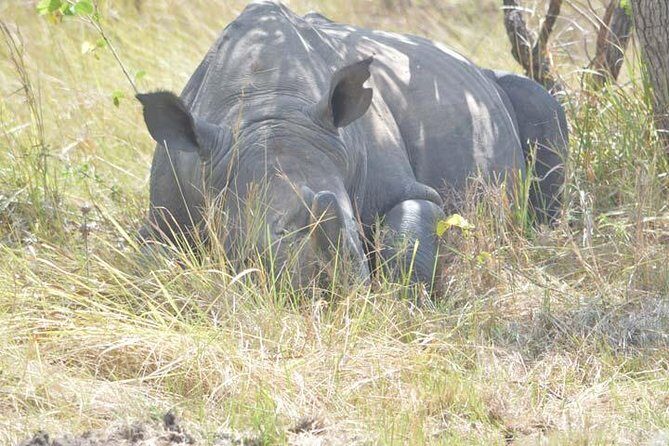
- White rhino tracking at Ziwa Rhino Sanctuary as a warm-up before the big park days
- Murchison Falls Nile launch cruise with wildlife along the river, plus an option to go up to the top of the falls
- Chimpanzee tracking in Kibale with a park briefing before you enter the forest
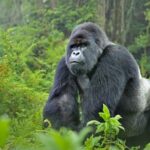
- Bwindi gorilla trekking with an hour time cap and a local Batwa community visit afterward
- Lake Bunyonyi canoe ride to cool down after the forest days
- Private group feel where only your group participates
The Big-Picture Experience: Rhinos, Forest Primates, and the Nile
This is the kind of Uganda trip that makes sense if you want different ecosystems without hopping on planes. You start in Kampala and move north for rhinos and Murchison Falls, then swing into western Uganda for Kibale chimpanzees and Bwindi gorillas, and finish with a gentler pace on Lake Bunyonyi.
The route matters because these areas don’t just look different; the animals and the feel of the day change. Savanna mornings in Murchison are about spotting at distance and listening for movement. Forest days in Kibale and Bwindi are about slow progress, thick air, and the reality that sightings depend on what the animals decide to do.
You also get a nice rhythm: action days are followed by recovery time. Nights at lodges, plus structured meals, help you keep your energy for the next early morning. It’s not a “move all day with no breaks” safari.
You can also read our reviews of more hiking tours in Kampala

Value Check: What Your $4,209 Price Really Covers
At $4,209 per person for an 8-day circuit, this is not a budget safari. The good news is that the price is tied to the parts that cost real money in Uganda—especially the chimpanzee tracking permit and the gorilla tracking permit, which are included.
That matters because these permit days are the core experiences people save for. When permits are included, you avoid the common surprise of having the big activities become add-ons later. You’re also getting several park-adjacent and wildlife-focused segments: game drive time, a Nile cruise, and additional nature activities around the main primate treks.
What you should watch is that the itinerary is packed. If you’re the type who gets cranky after early mornings and long car days, you might feel the strain. If you’re okay with that trade-off, the value looks stronger because you’re buying multiple headline experiences in one trip instead of doing them one-by-one.
Day 1: Ziwa Rhino Sanctuary Hike and a Straight Run Toward Murchison
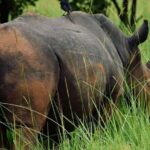
You leave Kampala early, with pick-up around 7:00 am, then drive north for about two and a half hours. The first stop is Ziwa Rhino Sanctuary, where you go for a hike to track white rhinos.
This part is more than a warm-up. Walking in the sanctuary puts you into a different mindset than a vehicle game drive. You’ll trek for close to two hours, with chances to see other wildlife such as hippos, bushbucks, oribis, and plenty of birds. That’s a nice reminder that even when the main target is rhinos, the day can still deliver variety.
After that, you head toward Masindi for lunch, then continue on to Murchison Falls National Park to check in, eat dinner, and rest. By design, it sets you up for the next day’s early game drive.
Practical note: wear sturdy shoes for the hike, and expect humid conditions. Even if it’s not raining, the ground can feel slick after forest shade.
Day 2: Dawn Game Drive, Nile Launch Cruise, and the Falls View
Day 2 starts early with tea or coffee at 6:00 am, and then you set off around 6:30 am for a game drive. Plan for about four hours on the road.
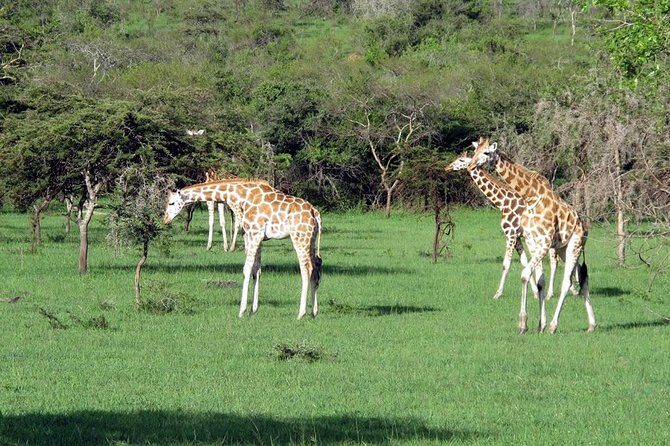
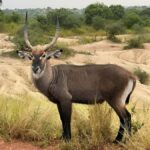
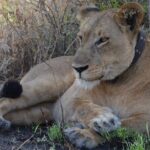
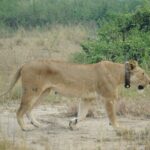
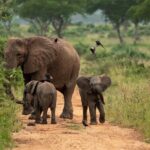
Sightings you can hope for include lions, elephants, buffaloes, giraffes, plus Jackson’s hartbeests, Uganda kobs, warthogs, and savanna birds. The key here is timing: early light often makes animals more visible, and the animals tend to be active.
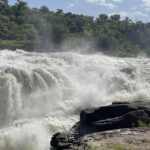
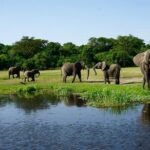
After breakfast and lunch back at the lodge, you head out for an afternoon launch cruise along the Nile to the base of the falls. This is where the river adds its own energy. You’ll have wildlife opportunities such as hippos, crocodiles, buffaloes, elephants, and lots of water birds.
Then comes a decision point: you can opt for a launch and a hike around the falls area, going up toward the top. If you do, you meet the driver at the top and transfer back to the lodge.
This is one of those “worth it if you’re physically ready” choices. The cruise is great either way. The hike option can add strain, but it gives you a chance to see the falls from a different angle and really feel the scale.
Day 3: Into Kibale via the Albertine Rift
You leave after breakfast and move to Kibale National Park. The drive follows the Albertine Rift Valley route, so you get long views and a sense that you’re transitioning into a greener, forest-heavy Uganda.
You’ll stop for lunch en route and then check in to accommodation just outside the park for dinner and overnight. That detail is useful: staying near the park usually keeps logistics smoother on a day when the schedule tightens.
This day is a connector, but it’s still part of the safari. The longer travel days can be tiring, but they also prevent the trip from feeling like constant gear-shifting every hour.
A few more Kampala tours and experiences worth a look
Day 4: Chimpanzee Tracking in Kibale and Bigodi Swamp Wildlife Time
This is your first big primate day.
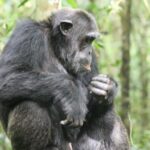
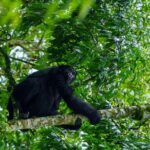
You start with an early breakfast around 6:30 am, then go to the park offices for briefing, and by 8:00 am you head into the forest to track chimpanzees. The forest experience depends on luck and movement, but the structure is clear: briefing first, then trek.
The goal is to find chimpanzees and also spot other wildlife while you’re there. The day doesn’t stop at the main track either. After lunch back at the lodge, you head to Bigodi Swamp for a nature walk focused on primates and birds.
This combination works well because it gives you two different types of “forest attention.” The chimp trek is focused and intense. Bigodi Swamp tends to feel more like a slow, observational walk where birds and smaller primates can keep you interested even when chimp sightings are the big headline.
Tip from the reality of these days: pack light but plan for rain risk and thick vegetation. A small daypack helps. You don’t want to fight gear while you’re walking.
Day 5: Bwindi Bound, with Ishasha Tree-Climbing Lions as a Wild Card
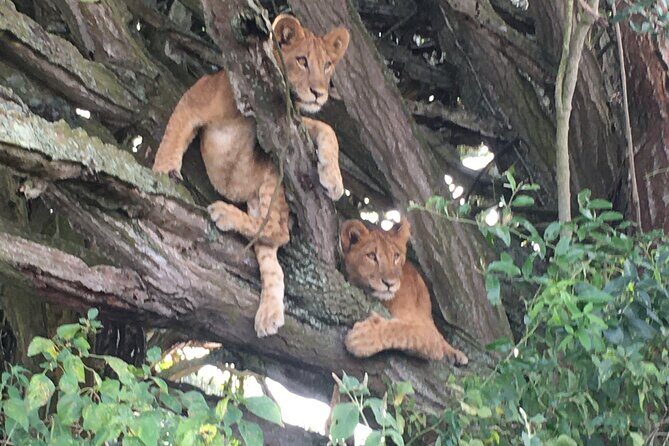
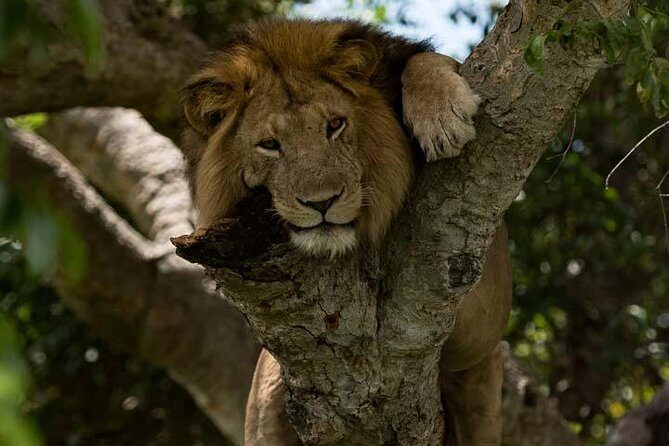
On day 5, you travel south toward Bwindi Impenetrable National Park. The route takes you through Queen Elizabeth’s Ishasha area, known for tree-climbing lions.
The important word here is if lucky. The area is famous, but the lions are still lions—meaning you can’t order them like room service. Still, the stop is worth it because the chance adds real excitement to a driving day.
You’ll stop for lunch en route and then check in at your Bwindi-area accommodation for dinner and overnight. Bwindi is where everything tightens. The air feels different. The driving seems slower. And the days ahead focus on one thing: gorillas.
Day 6: Gorilla Trekking Briefing, the One-Hour Rule, and the Batwa Community Visit
Wake early and prepare for the gorilla day.
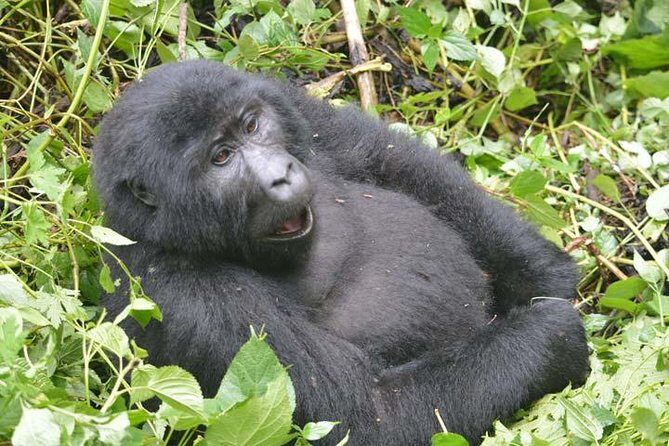
You’ll pick up a packed lunch and transfer to the park offices for briefing by the ranges, and you’ll be assigned a gorilla group to track. By 8:00 am, you start trekking into the forest.
Here’s the big rule: you’re allowed no more than one hour with the gorillas. Then you return to meet your driver. That one-hour cap can feel short on paper, but in practice it keeps the experience respectful and protects the animals.
Afterward, you go back to the lodge for a snack and refresh. Then you visit a local Batwa community to learn about indigenous ways of living.
This cultural stop is a strong counterbalance to the forest intensity. Gorilla trekking is a physical and emotional high. The Batwa visit adds context—how people lived close to these forests long before today’s trekking trails.
What to bring mentally: in the gorilla trek, patience is part of the deal. You might move fast for a bit, then slow down, then stop. Keep your focus on staying calm and quiet.
Day 7: Lake Bunyonyi Reset Day with a Canoe Ride
After the forest days, this day works like a reset button.
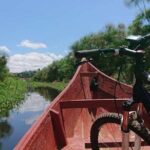
You transfer to Lake Bunyonyi and aim to be at your accommodation in time for lunch. Then you get time to relax. Later, you take a canoe ride on one of the deeper lakes in the world.
You can choose to ride the canoe yourself or use a guide. That’s a nice touch because it lets you match the experience to your comfort level. Either way, it’s a slower, quieter contrast to the mornings when you’re tracking on foot.
Lake Bunyonyi also gives you views and cooling air at the end of an already-full safari. It’s the part of the trip where you feel your body finally catch up.
Day 8: Back to Entebbe, Equator Photo Stop, and Flight Time
Your last day is all about finishing smoothly.
You have breakfast, then check out and drive back to Entebbe for your evening flight home or for drop-off at your preferred destination. Lunch is en route, and you also make a stop at the Equator point for picture moments.
It’s a classic wrap-up. Not a long activity day, but it gives you one last easy attraction before travel time gets serious.
Service and Guides: Where This Tour Feels Most Professional
The experience is run by Simba African Expeditions, and the service quality shows in how things are handled around the main activities. In the feedback I’ve seen highlighted, people praised the admin team for being responsive and making the plan clear, and they singled out guides who were patient and good at matching the day to the group.
Two guide names come up often: Meddie Buwendo and Tom (driver-guide). That’s a helpful sign if you care about the human side of safari travel. The forest and road portions both depend on smooth communication—when a guide handles timing well and keeps expectations realistic, your stress drops.
Because this is a private tour with only your group participating, you’re not squeezed into a generic pace for strangers. That matters on a trip where mornings start at set times and where permit-based treks run on schedules.
Who Should Book This Safari (and Who Might Skip It)
This works best if you want a “greatest hits Uganda” style trip:
- You want chimpanzees and gorillas with permits included
- You like mixing wildlife drives, river time, and forest trekking
- You’re okay with early mornings (tea at 6:00 am on game drive day is real)
- You want a private-group feel and planned transitions between regions
You might want to consider a lighter-paced option if:
- You dislike long driving days between national parks
- You struggle with very early starts
- You want a gorilla experience that feels unhurried (this one is capped at an hour)
This is a high-commitment itinerary. If you like action plus structure, you’ll do fine.
Should You Book It?
I think you should book this if your priorities are chimp tracking, gorilla trekking, and a full Uganda wildlife circuit without piecing it together yourself. The biggest value is that the chimp and gorilla permits are included, and the schedule gives you multiple wildlife settings: savanna, river, swamp, and rainforest.
Before you decide, be honest about the “fitness rhythm” of the trip. The gorilla day is a trek in thick forest, the sanctuary includes a hike, and the falls day has an optional walk. If you can handle early starts and a lot of movement, this is a strong, well-rounded way to experience Uganda in 8 days with Simba African Expeditions.
If you want, tell me your travel month and your comfort level with early mornings and hiking, and I’ll help you sanity-check whether this 8-day pace fits you.
FAQ
How long is the safari?
It’s listed as 8 days.
Where does the trip start and end?
The experience starts in Kampala, Uganda and ends back at the meeting point according to the tour info, with day 8 involving travel back toward Entebbe for an evening flight or drop-off.
Are chimpanzee and gorilla permits included?
Yes. The tour includes one chimpanzee tracking permit and one gorilla tracking permit.
How much time do I spend with the mountain gorillas?
You are allowed no more than one hour with the gorillas during the trek.
Is the Nile cruise included, and do you get to see the falls?
The tour includes a launch cruise along the Nile to the base of the Murchison Falls, and there is an option to also launch and hike to the top of the falls.
What other wildlife might I see besides primates?
You may see white rhinos at Ziwa Rhino Sanctuary, plus various savanna animals on the Murchison Falls game drive (like lions, elephants, buffaloes, and giraffes). The Nile cruise can include hippos, crocodiles, and elephants, and Bigodi Swamp focuses on primates and birds.
Is Lake Bunyonyi canoeing included?
Yes, the tour includes a canoe ride on Lake Bunyonyi, and you can choose to ride yourself or use a guide.
What meals are included, and what isn’t?
The tour includes breakfast, lunch, and dinner (breakfast 7 times, lunch 8 times, dinner 7 times). Airport/Departure Tax is not included.