Your wildlife checklist comes to life in Uganda. This 11-day private route stacks gorilla tracking in Bwindi with chimpanzee time in Kibale, plus Nile and Kazinga cruises.
The only downside is the pace: you start around 7:00 am and spend lots of hours traveling, and Bwindi tracking includes steep, slippery walking.
In This Review
- Key things that make this safari work
- Starting in Entebbe: how the 11 days actually feel
- Murchison Falls and Ziwa Rhino sanctuary: a strong opening combo
- Quick reality check for these days
- Kibale Forest: chimp tracking plus a birding-friendly wetland stop
- Queen Elizabeth National Park: Kasenyi game drives and Kazinga Channel drama
- Bwindi Impenetrable Forest: gorilla tracking with etiquette and real walking
- Lake Bunyonyi: the calm break you need after forests and trackers
- Lake Mburo National Park: walking safari with eland, zebras, and hippos
- Guides, communication, and why that matters for your experience
- Price and value: what you’re paying for (and what to watch)
- Who should book this safari?
- Should you book 11-Day Uganda Wildlife Adventure Safari?
- FAQ
- What is the meeting point for this safari?
- What time does the safari start?
- How long is the Uganda wildlife safari?
- Is airport pickup included?
- Is this a private tour?
- Are admissions included for the parks and activities?
- Can I cancel for a full refund?
- Are service animals allowed?
Key things that make this safari work
- Murchison Falls + Ziwa Rhino sanctuary early on, so you get wildlife variety fast
- Chimpanzee tracking in Kibale with a ranger guide and a dedicated one-hour chimp window
- Bigodi Wetland Sanctuary walk for primates plus serious birding (about 138 bird species in the area)
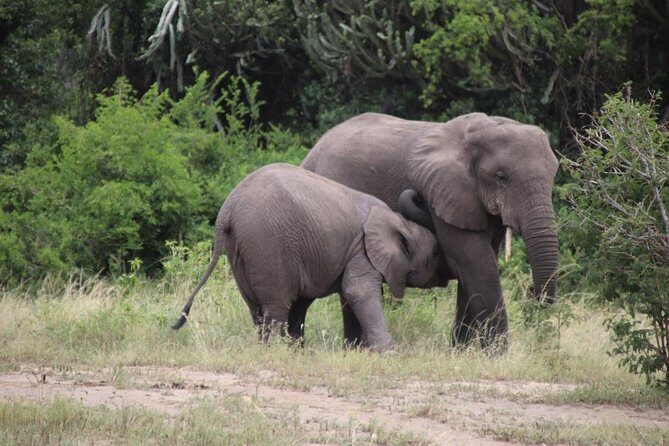
- Kazinga Channel boat cruise for close-up hippos, buffalo, and elephants
- Bwindi gorilla briefing + etiquette before you hit the steep forest trails
- Lake Mburo walking safari for a more intimate, get-close-to-the-wild feel
Starting in Entebbe: how the 11 days actually feel
This tour is built like a classic Uganda wildlife circuit: big parks, different ecosystems, and a logical flow from north to southwest to the lakes. You begin in Entebbe (7:00 am start time), and the plan is private—only your group travels together. That matters because it cuts down on the awkwardness of sharing game drives and transfers with strangers who have different interests and pacing.
What I like about the way it’s structured is the mix of “high-effort” days and “reset” days. Gorilla tracking and chimp tracking are both time-sensitive and physically demanding, but you also get calmer breaks—like the chance to slow down on Lake Bunyonyi and do an easygoing village-style stop at Igongo Cultural Center later on. It’s the kind of balance that helps the trip stay fun instead of feeling like constant rush.
Still, be honest with yourself about one reality: Uganda driving takes time. Even when the schedule is efficient, you’ll spend long stretches in the vehicle. If you get restless on road days, plan for it—book something to pass the time and pack your day bag like you would for a long flight.
A few more Kampala tours and experiences worth a look

Murchison Falls and Ziwa Rhino sanctuary: a strong opening combo
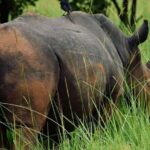
Day 1 is the “wake up and start seeing wildlife” launch. After airport pickup and a meet-and-greet, you head toward Murchison Falls National Park, with a stop in Nakasongola for lunch and then on to Ziwa Rhino sanctuary. That rhino stop is a smart move for two reasons. First, it gives you an early wildlife win before you even reach the main park. Second, Ziwa is focused on rhino conservation, so it feels more purposeful than just ticking off an animal sighting.
At Ziwa Rhino sanctuary, you can look for white rhinos and enjoy some birding around the area. Even if you don’t go into this stop expecting a huge “safari game drive,” it sets the tone: Uganda wildlife isn’t only about the famous big cats. You’re seeing conservation efforts and ecosystems that support many species at once.
Day 2 is the next step up: an early morning half-day game drive on the northern bank of the Nile. You travel with an escort ranger, and there’s an option for a game walk—following animals and reading spoors (animal tracks/sign). If you enjoy learning what you’re looking at, spoors and ranger guidance can add a lot of meaning to sightings. You’re not just watching; you’re building a picture of how the animals move through the habitat.
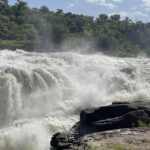
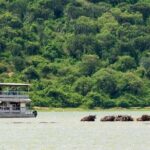
Then comes the big show: a Nile cruise to the bottom of the falls. This is where you get game viewing at closer quarters. If you like your wildlife with a dramatic backdrop, this is one of the most compelling ways to experience Murchison. The day is also a good reminder that this tour isn’t only about forests and primates. Uganda’s savannah life is its own world, and Murchison is one of the best places to meet it.
Quick reality check for these days
Murchison Days 1–2 are dense and early. Bring patience and keep your expectations flexible. If you get grumpy about time or heat, save that energy for the quieter parts of the trip.
Kibale Forest: chimp tracking plus a birding-friendly wetland stop
Kibale Forest National Park is where this safari shifts gears—from savannah to forest. You drive from Murchison toward Fort Portal, with en-route lunch and views of tea and banana plantations. These road sections matter because they give you time to notice what you’re actually passing through—Uganda isn’t just “parks on a map.”
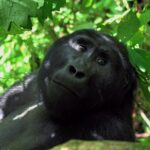
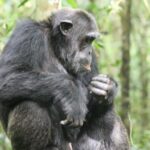
Day 4 (with a briefing at the Kibale headquarters) is built around chimpanzee tracking. With a ranger guide, you enter the jungle to search for chimps. The tracking itself is the fun part: you’re moving through forest with eyes open for clues. Then you get an allowed one hour with the chimpanzees—watching them play, feed, and groom. That hour is often the difference between a simple sighting and a memorable animal encounter.
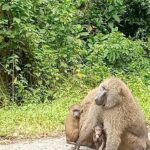
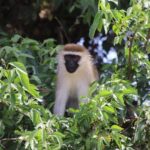
After the chimp time, you also visit the Bigodi Wetland Sanctuary for a guided nature walk. This is a major value add if you like wildlife that’s not only the headline species. Bigodi is known as a birder’s paradise, with about 138 species of birds, and it hosts eight species of primates, including black-and-white colobus, grey-cheeked mangabey, red-tailed monkey, l’Hoest’s monkey, blue monkeys, and olive baboons. If you’re the sort of person who gets excited by small movements and calls in the trees, Bigodi can feel like a “bonus safari” in its own right.
A practical note: forest days can be humid and slow-moving. The more you plan your clothing and footwear, the more comfortable this section becomes.
Queen Elizabeth National Park: Kasenyi game drives and Kazinga Channel drama
Queen Elizabeth National Park is Uganda’s crowd-pleaser for a reason. The variety here is strong, and the schedule mixes land-based wildlife with water-based wildlife.
Day 5 starts with a transfer into the park, passing through the Crater Lake area. Then you do an evening game drive—a good way to settle into the park’s rhythms without going too hard at the start.
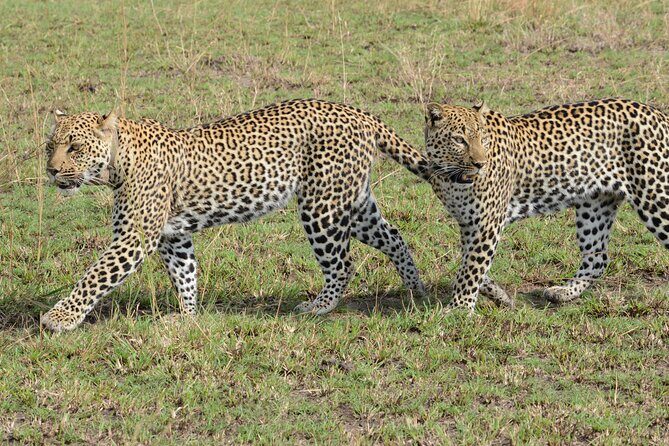
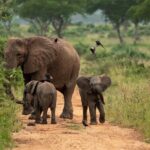
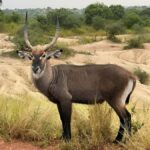
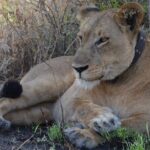
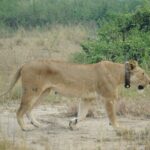
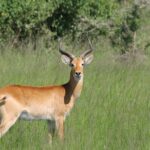
Day 6 is two-part: a morning game drive to the Kasenyi area near the Kob mating grounds, followed by a Kazinga Channel boat cruise. Morning drives are often productive because animals move with cooler temperatures. Here, you can expect to look for elephants and buffalo, and you might also spot lions and other fauna in their habitat.
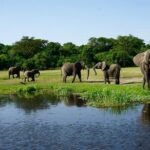
The Kazinga Channel cruise is where you get the big “close-up” energy. Wildlife is concentrated along the channel, and the itinerary specifically calls out buffaloes, hippos, and elephants. This is the kind of experience that’s hard to replicate elsewhere: you’re not waiting and hoping animals cross the road miles away. You’re watching them come to the water.
If you love photography, spend some time watching light and timing. Boat cruises can give you good chances for low-angle shots and calmer viewing, but you’ll get the best results when you keep your camera ready and your posture steady.
A few more Kampala tours and experiences worth a look
Bwindi Impenetrable Forest: gorilla tracking with etiquette and real walking
Bwindi is the heart of the itinerary for most people, and the tour handles it with a structured approach: briefing, etiquette, trekking, then the gorilla hour.
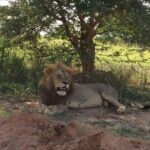
On Day 7, you travel to Bwindi via the southern sector of Queen Elizabeth National Park. This is also where you may spot the famous tree-climbing lions along the way, plus elephants and buffalo. Arriving in the evening to Buhoma keeps you from trying to cram too much into the same day as the long transfer.
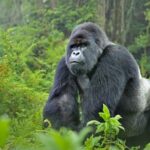
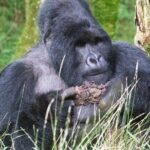
Day 8 is gorilla day. You go to the UWA visitor reception for a briefing and gorilla etiquette. I really like this part of the program because it sets expectations: gorilla tracking is not a “walk up and take selfies” activity. It’s guided, rule-based, and focused on keeping the animals calm and the group safe.
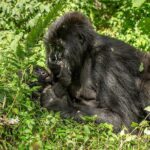
Then you start the trail—steep and slippery terrain is part of the deal. When you meet the family gorillas, you get one hour with them. That hour can hit hard emotionally because you’re close enough to see the behavior clearly. You’re not just seeing a rare animal; you’re watching a social group interact.
After tracking, the plan gives you optional choices: you might head to the Batwa cultural experience, relax at the lodge, or take another walk around the village with views of the Virunga mountains. This flexibility is useful. If you’re tired after trekking, you can choose recovery. If you still have energy, you can add culture and scenery.
Lake Bunyonyi: the calm break you need after forests and trackers
After the intensity of primate tracking, Day 9 is a reset day at Lake Bunyonyi. The itinerary calls out rolling hills and terraced agriculture on the way in, and then time on the lake itself.
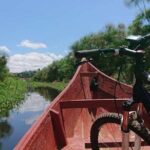
What makes Bunyonyi special on this route is that you can do swimming safely (which isn’t common on all lakes). You’ll also have time to relax, swim, ride in a dugout canoe, or simply sit by the pool and read. This kind of downtime is not filler. It helps you recover physically, and it turns the safari into a trip you’ll still enjoy when you’re tired.
If you’re hoping for more “activity,” this might feel slow compared with earlier days. But that’s the point. This is where you let your mind catch up.
Lake Mburo National Park: walking safari with eland, zebras, and hippos
Days 10–11 shift you into a different style of wildlife viewing at Lake Mburo National Park, Uganda’s smallest park. That smaller scale often makes the wildlife feel closer and more frequent.
Day 10 starts with about a four-hour drive to Mburo. You then do a game drive looking for eland antelopes, zebras, impalas, and acacia-associated birds. After lunch, you visit lakes within the park where you can spot hippos, crocodiles, and water birds. The day ends with a boat ride on the lake—another nice blend of land and water viewing.
Day 11 is the standout for many people who want something different from sitting in a vehicle: a walking safari. You get a chance for wildlife viewing up close, which can feel more personal and more “real” than a long-distance drive-by. There’s also an en-route cultural and shopping rhythm: lunch at Igongo Cultural Center (Ankole and Bahima lifestyle), a stop at the Equator for souvenirs, then continuation to Entebbe for your flight back.
This final day is practical in a good way. It gives you a last wildlife moment, plus culture, plus a clear path back to the airport.
Guides, communication, and why that matters for your experience
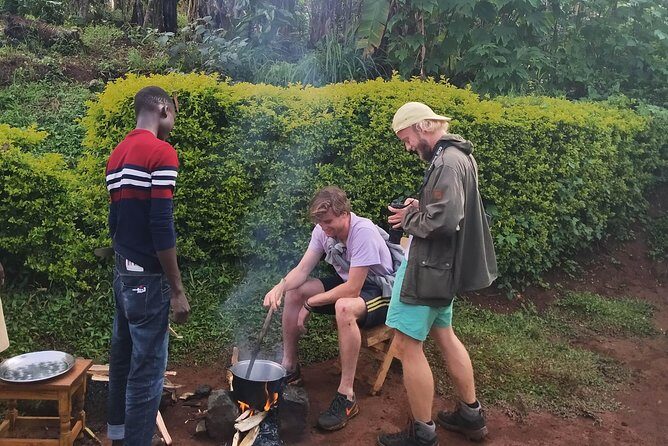
Here’s the truth about safari value: the itinerary matters, but the guide makes it feel smooth—or not. This operator’s service quality shows up in multiple ways from past travelers: easy communication, plan tweaks, and guides who handle details calmly.
In particular, names like Elvis Masiga come up as someone easy to contact who can make requested modifications. Other guides credited include Samuel and Ossman, and support from Charles has also been mentioned. People have also highlighted how responsive the team can be when travel plans get complicated—like handling visa-process help and sorting out flight challenges.
What you should take from this: if your trip needs adjustment (dates, routing, or special requests), you’ll likely get more help here than with a bare-bones operator. And on a safari, that matters because small problems can become big problems quickly when you’re moving between parks every day.
I also like that the tour is private. Private guiding usually means you can ask questions without feeling rushed, and your pace is more adjustable—especially helpful during gorilla and chimp days where you don’t want distractions.
Price and value: what you’re paying for (and what to watch)
At $4,178 per person, this isn’t a bargain safari. It’s priced like a full-on wildlife circuit with multiple parks, guided activities, and admissions noted as included on many days. From a value perspective, the price makes sense if you want the “big checklist” done in one trip:
- Gorilla tracking in Bwindi (the headline experience)
- Chimp tracking in Kibale
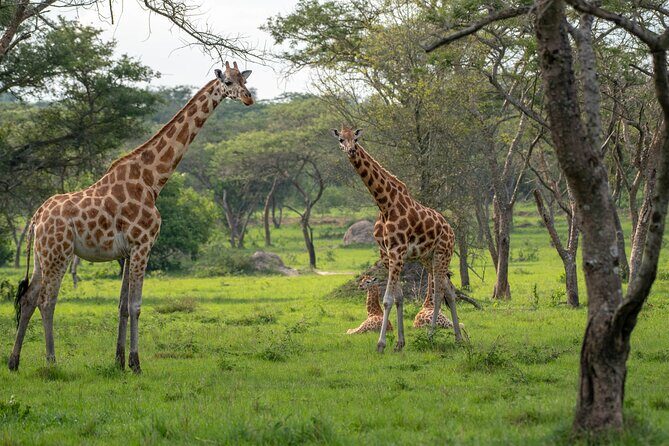
- Multiple game drives across different ecosystems
- Cruises (Nile at Murchison, Kazinga Channel at Queen Elizabeth, boat ride at Mburo)
- Bigodi Wetland Sanctuary for primates and birding
- Lake Bunyonyi downtime with swimming and canoe time
Where you should be careful is in expectations. This package includes admission tickets for many listed days, but the exact scope of what’s included for every activity isn’t spelled out day-by-day in the way you might see on some other itineraries. So before you pay, confirm what’s covered for the specific activities you care about most—especially gorilla-related costs and any park fees tied to tracking.
Also, since you’ll be traveling between remote regions, you’ll want to make sure your comfort needs are covered: bring layers for cooler mornings, and pack snacks and water strategy for long drive days.
Who should book this safari?
This safari is a great fit if you want a mix of big wildlife and primates, and you want the trip run in a structured, park-to-park rhythm. It’s especially well-suited for:
- People whose top priorities are gorillas and chimpanzees
- Travelers who like both animals and naturalists’ details (ranger guidance, spoors, wetland walks)
- Families and groups who want privacy and smoother handling of logistics
- Bird lovers, since Bigodi and broader park habitats can deliver strong sightings (including rare “wow” moments)
If you hate early mornings, struggle with steep walking, or want an easy, slow trip with minimal vehicle time, you might find the schedule demanding.
Should you book 11-Day Uganda Wildlife Adventure Safari?
If your dream is to see gorillas, chimps, and a serious lineup of savannah wildlife—then this tour is built for you. The itinerary hits Uganda’s major wildlife zones in a way that feels purposeful, and the guide support you can access through Lulu Safaris is a real part of the value.
I’d book it if you can handle road days and the physical reality of forest trekking in Bwindi. I’d think twice if you’re looking for a lazy vacation with minimal walking and no schedule pressure.
If you’re ready for an active wildlife circuit with guided attention where it counts, this is the kind of trip that can turn into a “one-of-a-kind” memory.
FAQ
What is the meeting point for this safari?
The tour starts at Entebbe Airport in Entebbe Uganda, and it ends back at the same meeting point.
What time does the safari start?
The start time is listed as 7:00 am.
How long is the Uganda wildlife safari?
The duration is approximately 11 days.
Is airport pickup included?
Pickup is offered, and the first day includes being met and greeted after airport arrival.
Is this a private tour?
Yes. It’s described as a private tour/activity, meaning only your group participates.
Are admissions included for the parks and activities?
Admission tickets are marked as included on several days in the schedule, while Lake Bunyonyi is marked as admission free. You’ll want to confirm what’s included for each specific activity at booking.
Can I cancel for a full refund?
Yes, free cancellation is available up to 24 hours in advance for a full refund.
Are service animals allowed?
Yes. Service animals are allowed, and most travelers can participate.