REVIEW · KAMPALA
3 Day Uganda Gorilla Trekking and Batwa Pygmies Experience
Book on Viator →Operated by Eco Adventure Safaris · Bookable on Viator
Gorillas in Bwindi happen fast. This 3-day express trip is designed for people with limited time, pairing an early departure from Entebbe with a long ride into Bwindi Impenetrable National Park, plus the classic one-hour gorilla encounter in the forest. You also get a stop at the Green Equator road marker for photos and a break before the mountains close in.
I really like two things about this experience. First, the big cost is handled upfront: the gorilla trekking permit is included (listed at $800 per person per trek), so you can focus on the trek instead of doing permit math. Second, the logistics are built for comfort on a tight schedule: private air-conditioned transport, meet-and-greet, and even WiFi on board help during that long first travel day.
The main drawback is time on the road. Plan on an 8–9 hour drive from Kampala toward Bwindi (or a domestic flight depending on your package), which is a lot when you also want fresh energy for gorilla tracking the next morning.
In This Review
- Key points before you go
- Bwindi in 3 Days: What This Express Trek Really Gets You
- From Entebbe to Bwindi: The 8–9 Hour Reality Check
- Day 1: Green Equator Photos, Then Into the Forest Zone
- Day 2 Gorilla Tracking: The Briefing, the Group, and the One-Hour Magic
- Day 2 After the Trek: Free Time That Helps You Recover
- Day 3 Back to Entebbe: Timing, Comfort, and One Last Reset
- Where You Stay and Eat: Built for a Quick Turnaround
- The Batwa Pygmies Part: Confirm the Exact Timing
- Guides and Service: Where This Trip Earns Trust
- Price and Value: What You’re Really Paying For
- Should You Book This 3-Day Gorilla Trek + Batwa Experience?
- FAQ
- What time does the tour start?
- Where does the tour start and end?
- How long is the experience?
- Is gorilla trekking permit cost included?
- What meals are included?
- Can I get a refund if I cancel?
Key points before you go
- Gorilla permit included at the listed rate of $800 per person per trek
- Private transport with AC and meet-and-greet services to reduce hassle
- One-hour gorilla viewing window once your group finds the gorilla family
- Small trek groups are assigned at park headquarters after safety briefing
- Long Day 1 travel is the trade-off for squeezing this into 3 days
- Batwa is advertised, but the schedule provided focuses on the gorilla trek, so confirm the exact Batwa timing
Bwindi in 3 Days: What This Express Trek Really Gets You
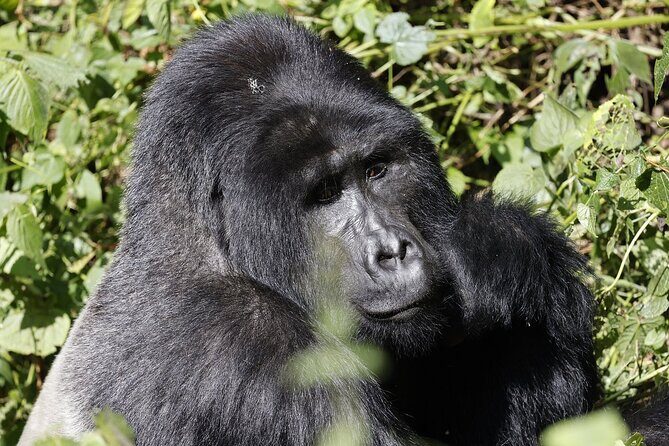
This is the kind of trip you do when Uganda is on your calendar but your days are not. In a short window, you’re going from lakeside hubs to dense forest, then into the most famous part of the region: tracking mountain gorillas at Bwindi Impenetrable National Park. Bwindi is described as the most diverse forest in Uganda, with lowland and montane habitats meeting right at the edge of the Great Rift Valley. Translation: you get that thick forest feel, plus the sense that you’re walking into a living system that’s been here a long time.
The schedule is also set up to keep the day-to-day stress low. You’re not bouncing between ten hotels or chasing paperwork. After your pickup and transfer toward Bwindi, your time goes where it matters: briefing, trekking, and then the one-hour gorilla encounter.
The only thing that doesn’t magically shrink is physical effort. Trekking in Bwindi can vary in duration and difficulty, so you’ll want moderate fitness and an attitude that says you can handle uneven ground and some uphill breathing. Think of it like training for a strenuous hike, not a stroll.
You can also read our reviews of more hiking tours in Kampala

From Entebbe to Bwindi: The 8–9 Hour Reality Check
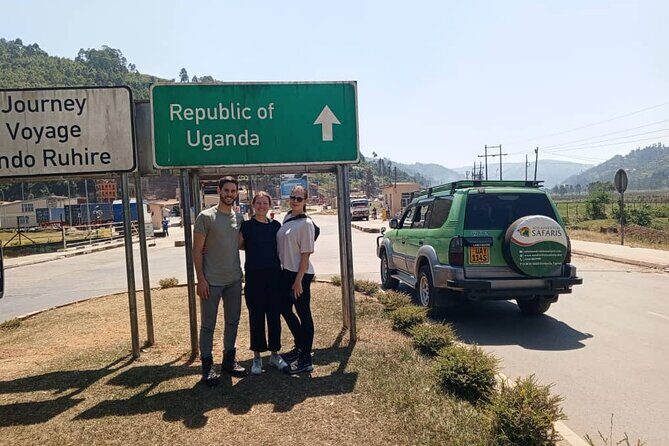
Most of the “express” feel comes from your Day 1 travel push. You leave early (start time listed as 7:00 am) and head toward Bwindi. The plan calls for an 8–9 hour drive, with a stop at the Green Equator road marker for photos and lunch before continuing.
That’s a lot of seat time. If you’re the kind of person who gets antsy in cars, pack small comfort items: water (you’ll have drinking water provided), a light layer for the cooler parts of the journey, and something to keep your brain from wandering too far. Your goal is not to enjoy the scenery for hours. Your goal is to arrive functional.
Good news: your transport is private, air-conditioned, and includes WiFi on board, which makes the long drive feel less like punishment. Also, since you’re in a vehicle that’s being used for your group only, you’re not stuck waiting on strangers or rerouting because someone else missed a connection.
If your package route uses a domestic flight instead of the full drive, the big idea stays the same: Day 1 is about getting you positioned for the trek. Either way, the timing is tight because Day 2 is when gorilla tracking happens.
Day 1: Green Equator Photos, Then Into the Forest Zone
Day 1 is basically a bridge day between “Uganda trip mode” and “gorilla tracking mode.” After breakfast, you travel toward Bwindi, stop at the Green Equator for photographs, and eat lunch before you continue.
That equator stop might look like a quick tourist moment, but it’s genuinely useful. It breaks up the long ride and gives you a clear mental switch: you’re not just driving farther—you’re crossing into a different climate and vegetation zone. When you finally reach Bwindi, you can tell you’re in the forest world, not the city and road-world.
The itinerary then lands you at your accommodation in the Bwindi area so you can reset for an early start on Day 2. And because the plan includes dinner and multiple meals across the trip, you’re less likely to spend your first night searching for food after a travel day.
The park entry/ticket time is listed for Day 1 (about 5 hours), which usually lines up with the day’s administrative and positioning needs around your transfer into the gorilla area. You’ll want to keep your documents and phone charged, because gorilla trekking is time-structured and you don’t want last-minute scrambling.
Day 2 Gorilla Tracking: The Briefing, the Group, and the One-Hour Magic
This is the highlight day, and the way it’s run matters. After early breakfast, you go to park headquarters for a briefing. You’ll cover safety guidelines and what to expect during the trek. This is where the trip becomes more than logistics—this is where the rules of the forest get explained so your encounter stays respectful and safe.
Then you’re divided into small groups, and each group is assigned a specific gorilla family to track. That’s a big deal. Even on private tours, gorilla tracking itself is organized through park operations. Practically, it means you’re not wandering alone with a guide guesswork plan. You’re working inside a system that’s managing wildlife protection and visitor safety at the same time.
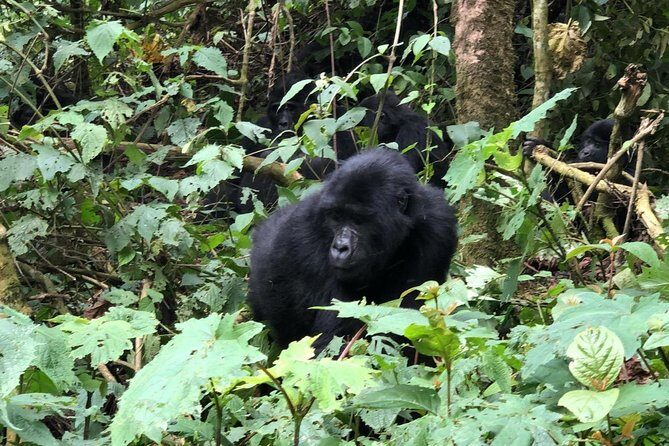
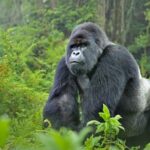
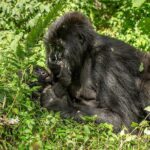
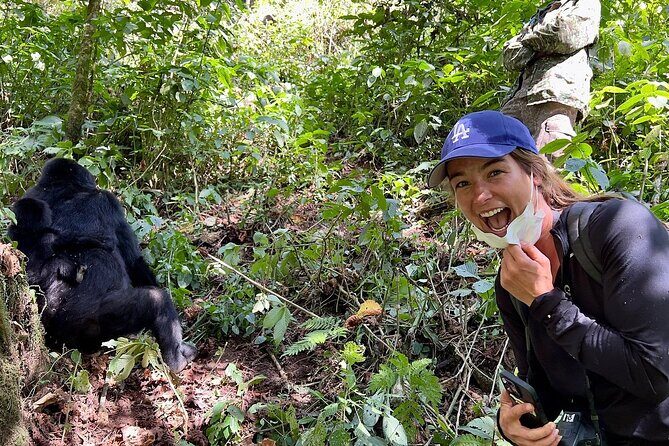
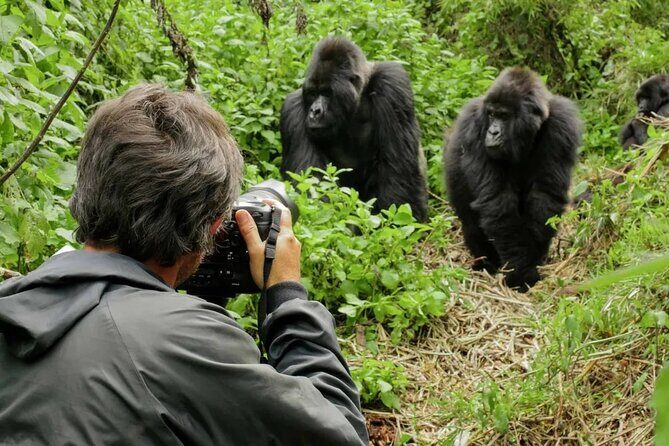
Once you find your gorilla family, you get one hour to observe and photograph them in their natural habitat. That one-hour window feels short on paper and big in real life. You’ll likely spend part of it watching behavior rather than shooting photos. The gorillas aren’t there for your camera—they’re there for their day. Your job is to slow down enough to notice what they’re doing.
One reviewer reported being within 2 to 3 metres of gorillas. That kind of closeness is not guaranteed, but it shows what can happen when your group finds the family in a position where you’re close enough to really read body language. Expect awe, sure, but also expect a little work: you might be on uneven ground, and you’ll want calm patience once you’re near the gorillas.
If you’re deciding what to pack for Day 2, think utility over extras: bring a rain layer if you have one, wear solid shoes, and keep your hands free when you can. Your guide will set the tempo once you’re in the tracking zone.
Day 2 After the Trek: Free Time That Helps You Recover
After you return from the trek, the rest of the day is free. That matters more than it sounds. A gorilla trek day is physically tiring, even when you pace yourself. It can also be emotionally draining in the best way, leaving you wired and spent at the same time.
So I like having open time here. You can:
- rest in a way that doesn’t feel like you’re “wasting” the day
- do light stretching and take care of sore spots
- or add optional activities if you feel like moving again
Because the trip includes meals (and specifically lists lunch and dinner), you won’t be stuck hungry and rushed. The free time also gives you a buffer against the reality that Day 2’s trek length can vary based on gorilla movement and trail conditions.
If you’re the type who hates sitting still, you might feel tempted to fill every hour. Don’t. You’ll appreciate the slower pace tonight when you’re packing for the return journey tomorrow.
A few more Kampala tours and experiences worth a look
Day 3 Back to Entebbe: Timing, Comfort, and One Last Reset
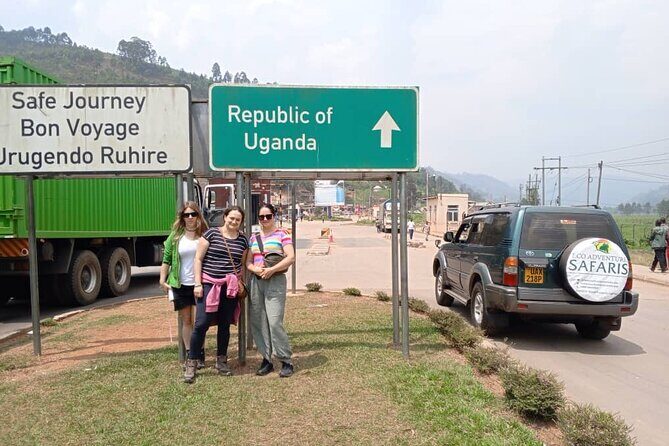
Day 3 starts with breakfast and check-out, then you head back toward Entebbe or Kampala, depending on your departure timing. The tour ends with arrival back in Entebbe or Kampala, where you can catch an international flight or continue onward travel.
This day can feel like a blur because you’re transitioning from forest to roads. The best approach is to treat Day 3 as a recovery travel day, not a sightseeing day. If your schedule includes a couple of hours for extra sightseeing, great. If not, it’s still a win: you’re getting you-and-your-tickets back to your next step without doing extra planning.
One practical tip: because Day 3 depends on flight or departure time, keep your own buffer thinking simple. Plan that you’ll be leaving early enough to get back safely, and avoid booking anything super tight right after arrival. Uganda traffic is real, and gorilla permits don’t care about your agenda.
Since the trip includes private transportation, you’re not sharing the return ride with random stops and detours. It’s faster than the public-transport route and less stressful for a trip that already asks a lot from your body.
Where You Stay and Eat: Built for a Quick Turnaround
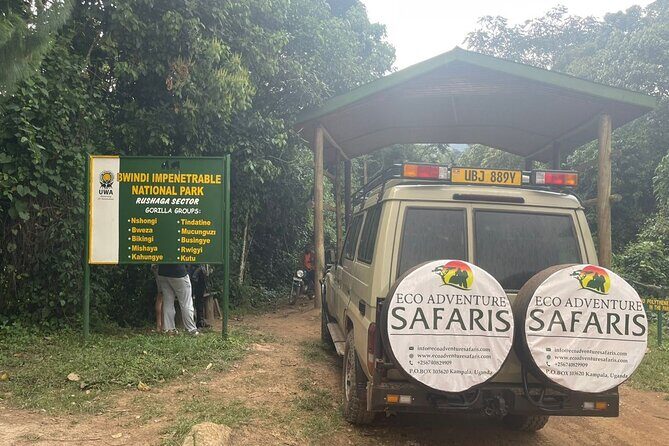
Accommodation and meals are included throughout the 3 days. The inclusions list breakfast (2), lunch (3), and dinner (3), which is a solid set of coverage for a short safari circuit. In practice, that means fewer moments where you’re deciding where to eat while tired.
The lodging quality seems to be valued in the experience ecosystem around Eco Adventure Safaris. In past feedback, people praised a lodge setup and food, and that tracks with what you’d want on a Day 1 travel grind and Day 2 trek day. You don’t want to sleep somewhere uncomfortable and then wake up stiff for the trail.
I also like that drinking water is included. In humid forest country, hydration becomes more than a comfort—it’s part of staying steady on your feet.
If you have dietary needs, you’ll still want to communicate early. The trip includes set meals, so your best bet is telling the operator your requirements before you go.
The Batwa Pygmies Part: Confirm the Exact Timing
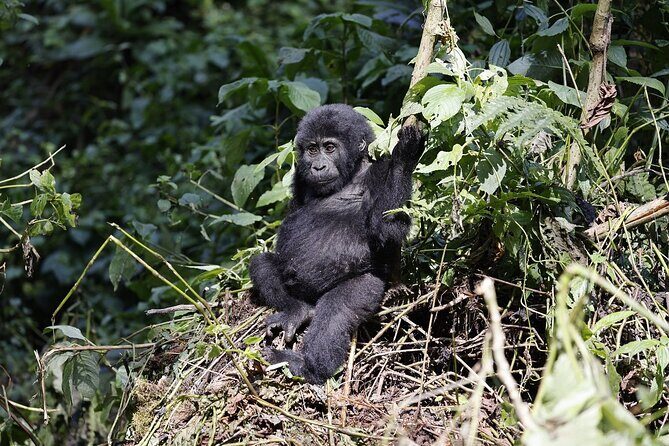
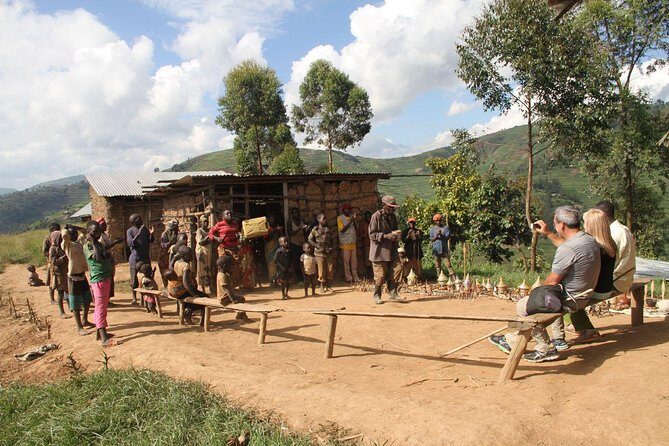
The tour name includes Batwa pygmies, but the itinerary details you have here focus on Bwindi gorilla trekking and the big travel legs. That doesn’t mean the Batwa component isn’t part of your package—it means the specific schedule for it isn’t spelled out in the details provided.
So here’s my straight advice: before you lock anything in, confirm what the Batwa experience includes and exactly when it happens. Is it on Day 1, Day 2, or Day 3? Is it a guided cultural visit, an encounter with an established community program, or something else?
Why I’m firm about this: cultural experiences can be short and time-sensitive, and your Day 2 trek day already has strict timing built around the briefing and tracking. If the Batwa part overlaps with the trekking schedule, you’ll want to know how the operator handles timing.
If the cultural piece is confirmed and placed well, it can add depth to the gorilla story. Bwindi isn’t just about primates—it’s also about people and living knowledge of the forest.
Guides and Service: Where This Trip Earns Trust
The strongest pattern in the feedback around Eco Adventure Safaris is service that feels organized, friendly, and practical. One person highlighted working by email with Michelle, who was responsive and helpful with planning advice. That matters a lot when your time is limited and you want fewer surprises.
On-the-ground, names like Abdul, Godfrey, Edgar, Alex, and Silus show up in positive accounts. The common threads were safe, competent driving and a guide who helps you feel looked after. In a country where roads and timing can be unpredictable, a driver who stays calm and keeps you moving safely is not a small detail—it’s core to how smoothly your trek day goes.
You’ll also get English-speaking driver guides and meet-and-greet support. That combination helps with the small frictions: finding the right vehicle, sorting last-minute questions, and getting yourself into the right rhythm for an early start.
And since this is a private tour/activity for your group, you avoid the awkwardness of being shuffled around to satisfy other schedules. You still might join a small trek group once you’re in the park system, but the overall travel experience stays yours.
Price and Value: What You’re Really Paying For
At $1,860 per person, this is not a budget “fast trip.” Gorilla trekking in Uganda is expensive for a reason: the permit is the foundation of the experience. Here, the permit is listed at $800 per person per trek and is included in the package price.
So what else are you paying for? You’re also paying for:
- private air-conditioned transport and transfers
- accommodation
- meals across the days (breakfast, lunch, dinner as listed)
- guided trekking structure (briefing, safety guidelines, small group tracking)
- and the operational support that lets Day 2 happen on time
From a value standpoint, the deal improves if you compare the cost of doing everything yourself (permits, arranging transport, timing the trek, handling meals and lodging, and coordinating pickups). For many visitors, paying a package price is cheaper than the stress tax of trying to DIY a tight gorilla itinerary.
One more thing: the tour is booked about 77 days in advance on average. That suggests availability can tighten as gorilla dates fill. If your dates are firm, earlier planning helps you avoid scrambling.
If you want to maximize value, focus on what’s actually included in your package for the Batwa portion too (since the itinerary details provided don’t spell it out). Make sure you’re paying for the full title experience, not just the gorilla trek.
Should You Book This 3-Day Gorilla Trek + Batwa Experience?
If your Uganda trip window is short and you want to see mountain gorillas in Bwindi without building a long itinerary, this makes a lot of sense. I’d book it if you value simple planning, want private transport, and are okay with the long Day 1 travel time to gain more time for Day 2.
I’d also book it if you’re the type who likes having a clear schedule: you start early, you get briefed, you trek, you observe for one hour, then you move on. There’s comfort in knowing the day is structured.
But I would not book blindly if the Batwa component is a must for you. Confirm the exact Batwa experience and timing before payment, based on your exact dates.
Finally, pack for a trek day even if you think you’re “just doing 3 days.” Your legs will file a complaint, then your brain will file gorilla memories. That one-hour window is the reason most people make this trip count.
FAQ
What time does the tour start?
The start time is 7:00 am.
Where does the tour start and end?
It starts in Entebbe, Uganda, and ends in Entebbe. You can choose to drop off either in Entebbe or Kampala at the end.
How long is the experience?
It lasts 3 days (approximately).
Is gorilla trekking permit cost included?
Yes. The package includes the gorilla trekking permit listed at $800 per person per trek.
What meals are included?
The package includes breakfast (2), lunch (3), and dinner (3).
Can I get a refund if I cancel?
You can cancel up to 6 days in advance for a full refund. For a 50% refund, cancel 2–6 days before the experience. If you cancel less than 2 days before, the amount paid is not refunded.