REVIEW · UGANDA
7 Days Rwenzori Summit (Margherita Peak) Hike
Book on Viator →Operated by Trek Rwenzori Tours · Bookable on Viator
There are mountains, and then there are Rwenzori mountains. This Margherita Peak hike is special because you’re walking through rainforest to alpine zones while working toward Africa’s third-largest summit, with a route designed for real altitude acclimatization. I like that you get a team working with park rangers, plus a focus on hands-on support in one of Uganda’s most dramatic protected areas.
What I like most is the practical setup: national park fees, meals, bottled water, and hut accommodation are included, so your trip isn’t a patchwork of add-ons. I also like that the group size is capped at 15 travelers, which keeps the pace manageable and the logistics less chaotic on the trail.
One drawback to plan around: the climb is genuinely demanding, and you’re expected to arrive with strong fitness. Also, two items are not included—rain jackets and high-mountain pants—so you’ll want to sort those before you go, especially in cooler upper sections.
In This Review
- Key Points You’ll Care About
- Rwenzori’s Margherita Peak: What Makes This Trek Worth the Effort
- Price and Value: What $1,435.90 Covers (and Why It Matters)
- The Logistics That Actually Help: Fort Portal Start and Small-Group Pace
- The 7–8 Day Route: A Day-by-Day Guide to the Main Changes
- Day 1: Nyakalengija (1615m) to Nyabitaba Hut (2651m)
- Day 2: Nyabitaba Hut (2651m) to Mubuku River (2600m) and John Matte Hut (3380m)
- Day 3: John Matte Hut (3380m) to Bujuku Hut (3962m)
- Day 4: Bujuku Hut (3977m) to Elena Hut (4541m)
- Day 5: Elena Hut (4541m) to Margherita Peak– Kitandara Hut (4027m)
- Day 6: Kitandara (4027m) to Fresh Field Pass (4282m) to Guy Yeoman Hut (3450m)
- Day 7: Guy Yeoman Hut (3450m) to Nyabitaba Hut (2651m)
- Day 8: Nyabitaba Hut (2651m) to Nyakalengija (1615m)
- Flora, Fauna, and the Sounds of the Trail
- Gear, Weather, and What You Should Pack (Without Guessing)
- The Real Reason Guides and Rangers Matter on This Route
- Who This Is Best For (and Who Might Want a Different Option)
- Should You Book the Margherita Peak Trek?
- FAQ
- How long is the Margherita Peak hike?
- What’s included in the tour price?
- Do I need to bring my own trekking equipment?
- Where do we meet, and what time does the hike start?
- How many people are in the group?
- Can I cancel for a full refund?
Key Points You’ll Care About
- All trekking gear is included, so you can travel light (but still bring the missing items you’re responsible for).
- Meals, bottled water, and hut nights are covered, which simplifies budgeting and reduces mid-trek decision fatigue.
- Small group (max 15) means better coordination and more personal guidance as conditions change.
- Altitude plan built around 7–8 days, typically including acclimatization time for most hikers.
- Expert guides plus park rangers give you real support where Rwenzori conditions can get tricky.
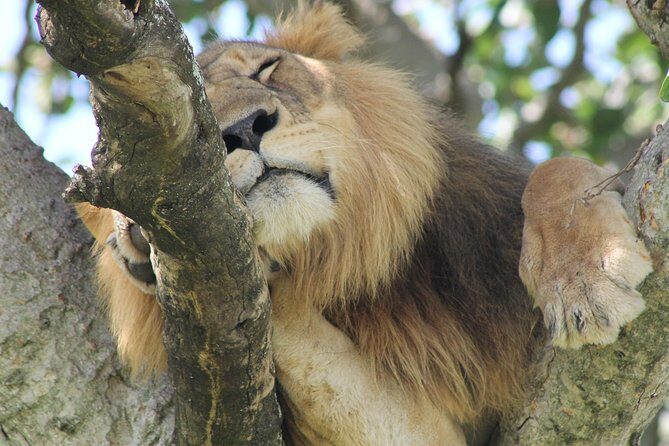
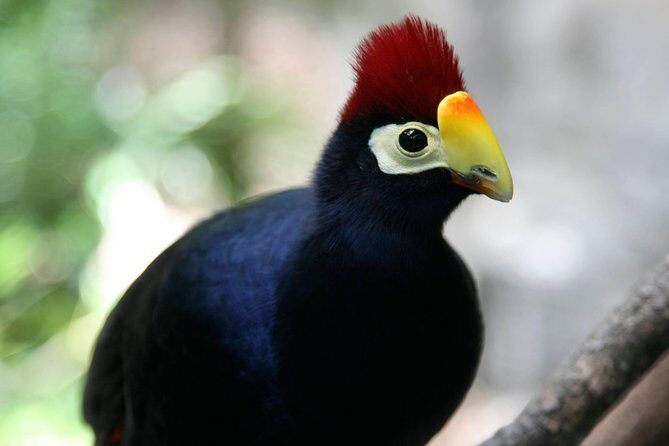
- Wildlife and plant life are a major part of the experience, from monkeys to endemic chameleons.
Rwenzori’s Margherita Peak: What Makes This Trek Worth the Effort
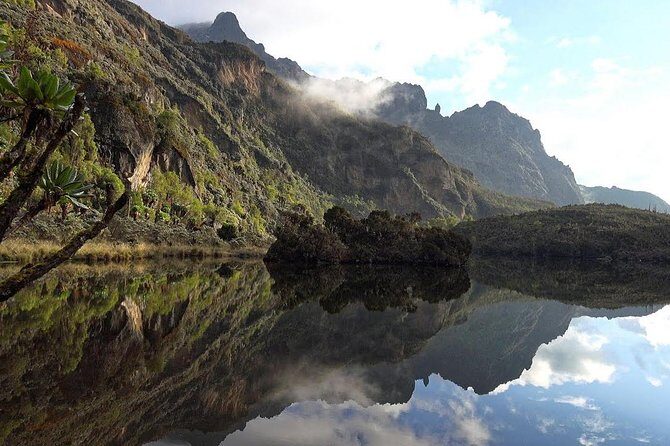
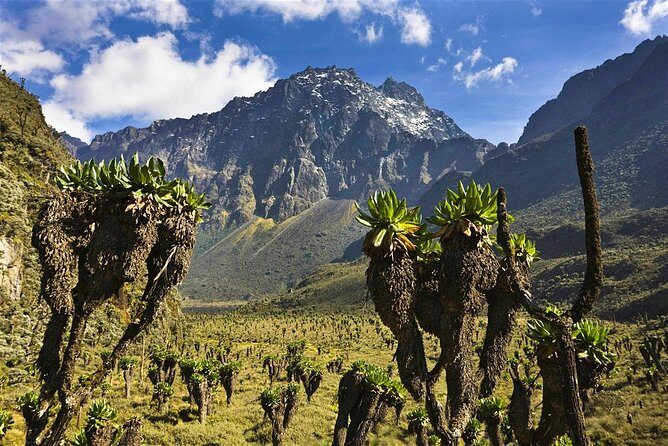
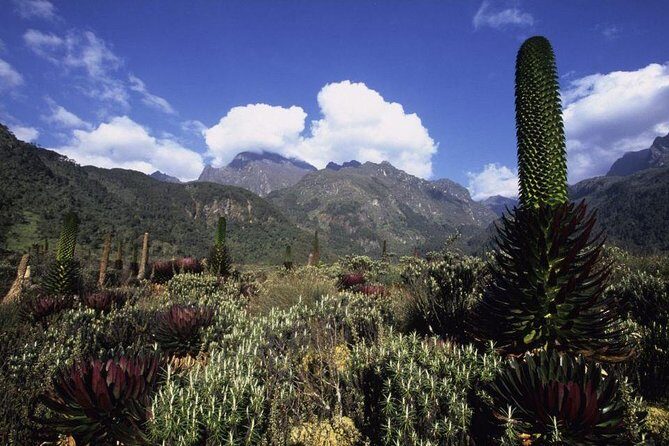
The Rwenzori Mountains feel like a vertical journey through different climates. You start lower and wetter, then climb into cooler air where the trail atmosphere changes fast. Along the way, you pass rainforests, waterfalls, and rivers, and you’re moving through zones where you can spot unique species that don’t exist anywhere else.
The summit goal is Margherita Peak, but the trek itself covers far more than one line on a map. The climb includes multiple major peaks and high points—Portal Peaks, Mt. Gessi, Mt. Emin, Margherita Peak, and Mt. Speke—so even if your summit day doesn’t go exactly like you imagined, you’re still getting a serious high-mountain route.
And based on what shows up in the strong feedback for this operator, the experience is often remembered not just for the heights, but for the people guiding the hike. Names that repeatedly come up include Emmanuel, and also Enoch and John in the trekking team.
You can also read our reviews of more hiking tours in Uganda
Price and Value: What $1,435.90 Covers (and Why It Matters)
At $1,435.90 per person, this is not a bargain-basement hike. But for Rwenzori specifically, the math makes more sense than it looks on first glance.
Here’s what’s included:
- National Park entrance fees for the trekking days
- All meals (breakfast, lunch, dinner)
- Bottled water for the week
- Expert guides and park rangers
- All hiking gear
- Overnight hut accommodation
- Pickup is offered
Those inclusions matter because Rwenzori isn’t a quick overnight walk. Hut nights, rangers, and the protected-park framework are core to how the trek runs. When you compare this to booking only flights and a local guide, you often discover the missing costs add up quickly—permits, food, and gear rentals included.
The main value warning is also clear: insurance, tips, visa costs, and flight tickets are not included. If you’re budgeting, you’ll need to add those items yourself. And you’ll need to bring your own rain jacket and high-mountain pants, since they’re not part of the package.
The Logistics That Actually Help: Fort Portal Start and Small-Group Pace
The trek starts at Trek Rwenzori Tours, Rukidi III St, Fort Portal, Uganda, with a start time listed as 8:00 am. It ends back at the same meeting point, so you’re not dealing with a complicated “fly home from a different town” situation.
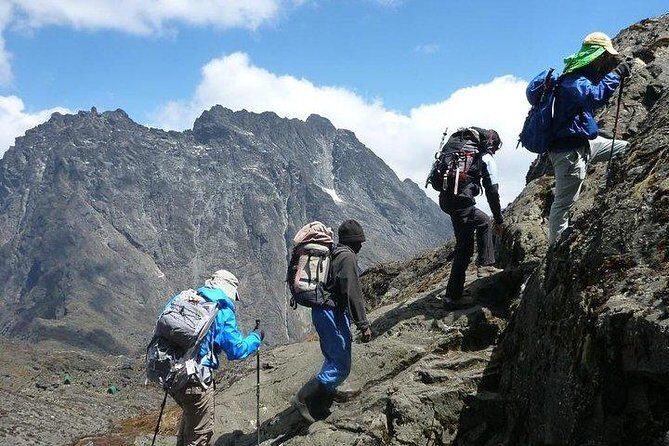
The group limit is max 15 travelers. That’s not a throwaway detail. On a route with steep sections, changing weather, and altitude fatigue, smaller groups make it easier for guides to manage pacing and safety without turning the trail into a slow-moving traffic jam.
Also, confirmation is received at booking, and it notes you’re near public transportation. That helps if you need to line up transfers around your flight schedule.
The 7–8 Day Route: A Day-by-Day Guide to the Main Changes
This trek is designed around a 7 to 8 day window, with extra time for acclimatization for most hikers. The route below also matches the typical day structure you’ll follow, with hut stops each night.
Day 1: Nyakalengija (1615m) to Nyabitaba Hut (2651m)
Your first day is about getting moving and letting your body start adapting. Expect a solid altitude jump and a shift in feel as you head upward toward the Nyabitaba Hut zone.
The upside of day one: you get your bearings quickly—rainforest-type trekking and early trail rhythm. The challenge: don’t treat it like an easy warm-up. Even before you reach the highest zones, altitude fatigue can show up faster than you expect.
A few more Uganda tours and experiences worth a look
Day 2: Nyabitaba Hut (2651m) to Mubuku River (2600m) and John Matte Hut (3380m)
Today you work around the Mubuku River area and then push toward John Matte Hut. River sections can be slippery, and they also tend to feel cooler and wetter—watch your footing and keep your pace steady.
This day is a reminder that Rwenzori isn’t just “up.” Some segments dip slightly before you gain again, which can be mentally tough if you’re expecting nonstop uphill.
Day 3: John Matte Hut (3380m) to Bujuku Hut (3962m)
You climb toward Bujuku Hut, gaining significant altitude again. By now, you’ll likely feel the difference in air density, especially during steeper sections.
This is also one of the days where the quality of your hiking team matters. Strong guides keep you moving at a sustainable effort, and park ranger support helps with route discipline so you don’t waste energy second-guessing the trail.
Day 4: Bujuku Hut (3977m) to Elena Hut (4541m)
Now you’re moving into higher elevation terrain. Elena Hut at 4541m is a big step, and this day can test stamina even for people who train regularly.
The practical takeaway: if your breathing gets ragged, slow down immediately. Altitude is not a “push harder” situation. It’s a “control effort” situation.
Day 5: Elena Hut (4541m) to Margherita Peak– Kitandara Hut (4027m)
This is the headline day: the climb toward Margherita Peak, then down to Kitandara Hut (4027m).
The summit portion is where planning and guidance pay off. The altitude and conditions can become demanding, and having a team used to these high-mountain conditions helps you choose safe pacing. If you’re someone who worries about getting discouraged late in the day, having guides who manage tempo and decision-making is huge.
Also, this route is famous for the sense of crossing into a more “otherworldly” environment—glacier remnants and alpine features show up as the trek rises. For wildlife lovers, this is often one of the best times to look carefully for endemic species like the three-horned chameleon reported on the hike.
Day 6: Kitandara (4027m) to Fresh Field Pass (4282m) to Guy Yeoman Hut (3450m)
Today includes Fresh Field Pass (4282m), then you descend toward Guy Yeoman Hut (3450m).
Why this day matters: it’s a bridge between the summit intensity and the final trekking effort. Pass days can feel deceptively hard because the breathing demands stay high while your body is already tired from earlier climbs.
Expect the descent to bring relief, but don’t treat it like an easy day. Descents at altitude still fatigue your legs, and changing footing conditions can happen quickly.
Day 7: Guy Yeoman Hut (3450m) to Nyabitaba Hut (2651m)
You drop back down toward Nyabitaba Hut. This is a “keep it together” day: you’re moving downhill more than climbing, which can still be hard on knees and thighs.
It’s also a good time to focus on steady rhythm rather than speed. By day seven, you’re not trying to win the hike—you’re trying to finish strong and recover well for the last day.
Day 8: Nyabitaba Hut (2651m) to Nyakalengija (1615m)
The final descent back to Nyakalengija (1615m) closes the loop. This is often where you realize what the trek has been doing to you: you feel lighter from altitude, but you’ll still notice the cumulative strain in your body.
When you reach the end of the trek and return back to the meeting point, you’ll likely remember more than the summit moment—the long, varied route through rainforest-to-alpine zones is what gives the trip its lasting impact.
Flora, Fauna, and the Sounds of the Trail
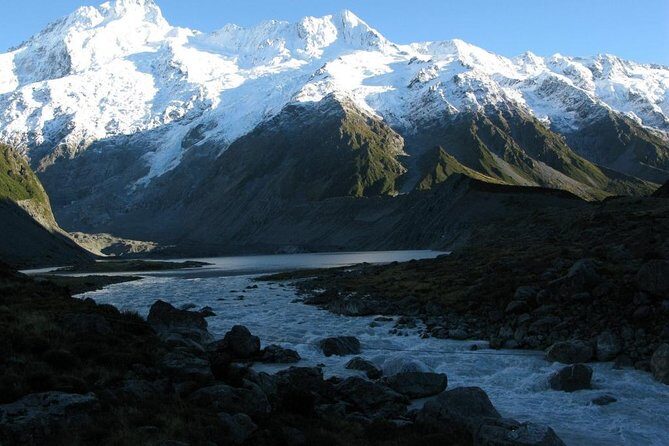
Rwenzori is not a one-note mountain. The trekking corridor passes through areas where you can see and hear a lot beyond just the highest peaks.
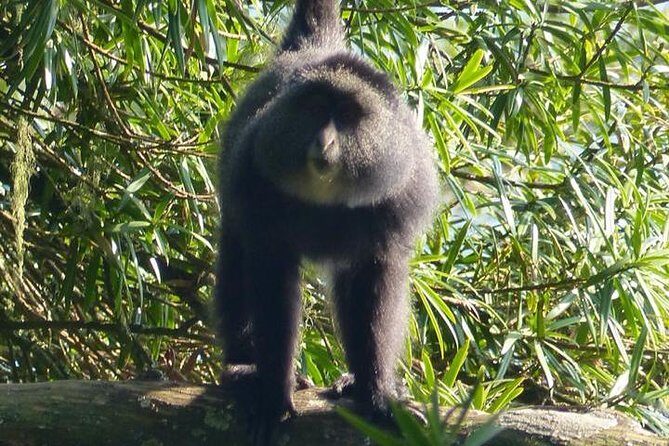
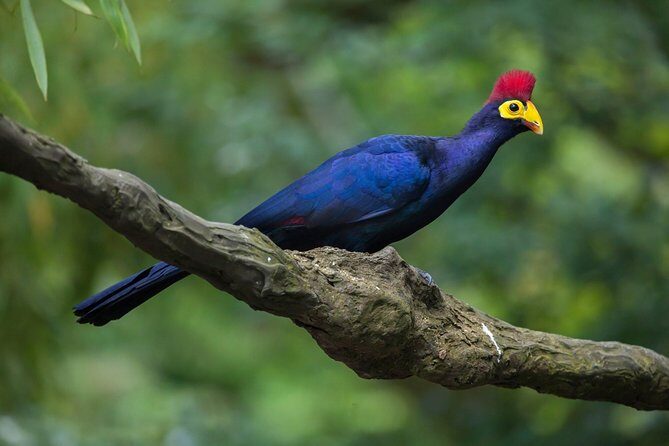
From the information given, wildlife highlights include blue monkeys and the endemic three-horned chameleon. Plant life is also a key part of the story—alpine zones near the higher elevations are where you notice how different the world looks compared to lower forest.
In terms of scenery features that matter to your experience, expect waterfalls and rivers during the earlier trekking stages. Those water elements don’t just look good—they change humidity, light, and the feel of the trail underfoot.
Gear, Weather, and What You Should Pack (Without Guessing)
A major practical plus here is that all hiking gear is included. That reduces the risk of arriving with the wrong boots, missing poles, or paying extra for rentals you didn’t plan on.
But two things are specifically listed as not included:
- Rain jackets
- High mountain pants
That matters because Rwenzori weather can shift by altitude. Even in seasons that feel comfortable at lower elevations, higher zones can cool down fast. A rain jacket is the baseline for comfort and for staying dry enough to keep your legs warm.
For footwear and layers, the tour data doesn’t list exact packing items beyond those two items, so you’ll want to plan your wardrobe around moisture and cold tolerance. If you’re thinking, I’ll just wear what I used last summer, don’t. High altitude + wet trails equals a very fast way to drain your energy.
Also note this from the kinds of experiences shared: during rainy-season trekking, people described the hike as among the toughest they’ve done, and credited good guide judgment for reaching the top. That fits what you should assume on Rwenzori: weather can be part of the challenge every day.
The Real Reason Guides and Rangers Matter on This Route
On paper, this trek includes expert guides and park rangers. In practice, that support is what keeps the hike safer and smoother when conditions change.
Small-group trekking means you’re more likely to be moving at a pace where the team can notice small issues early—breathing too hard, footing problems, or someone losing motivation. The high-hut rhythm also means you’ll get structured stops rather than improvising your day.
The repeated praise for the team shows up in how people talk about organization and communication. Names that come up include Emma/Emmanuel, plus Enoch and John. If you’re someone who values clear leadership, that’s a big reason this trek gets strong recommendations.
Who This Is Best For (and Who Might Want a Different Option)
This trek is listed for travelers with a strong physical fitness level. So if your idea of “trekking” is a comfortable nature walk, you may end up miserable.
You’ll be a good fit if you:
- Want a serious altitude trek with a summit objective
- Prefer a small group and structured hut days
- Care about wildlife and the corridor ecology, not just peak-bagging
It’s also built with acclimatization in mind. The route notes that very experienced hikers can sometimes do it in 6–7 days, while most people finish in 7–8 days with rest day planning. That’s a signal you shouldn’t treat this as a rigid stopwatch plan.
Should You Book the Margherita Peak Trek?
If you want an organized summit hike to Africa’s big-numbers mountain world—and you want the trip to run with food, bottled water, hut nights, park fees, guides, rangers, and included gear—this is a strong choice.
I’d book it if:
- You don’t want to source or manage trekking gear rentals yourself
- You value a structured 7–8 day acclimatized route
- You’re ready for a challenging hike and will pack the required missing items like rain protection
I’d think twice if:
- You’re not confident with high-altitude trekking stamina
- You dislike days that include wet footing, cold upper air, and slow, careful progress
FAQ
How long is the Margherita Peak hike?
The trek is planned for about 7 days and is described as taking between 7 and 8 days depending on your pace and acclimatization needs.
What’s included in the tour price?
National Park entrance fees, breakfast, lunch, and dinner, bottled water, expert guides and park rangers, all hiking gear, and overnight hut accommodation are included.
Do I need to bring my own trekking equipment?
No. All hiking gear is included. However, rain jackets and high mountain pants are not included.
Where do we meet, and what time does the hike start?
The meeting point is trek rwenzori tours | gorilla trekking | rwenzori trekking | safaris uganda at Rukidi III St, Fort Portal, Uganda. The start time is listed as 8:00 am.
How many people are in the group?
The tour lists a maximum of 15 travelers.
Can I cancel for a full refund?
Yes. You can cancel up to 24 hours in advance for a full refund. If you cancel less than 24 hours before the start time, the amount paid is not refunded.
If you tell me your hiking background (days of trekking you’ve done, max altitude you’ve reached, and whether you’re going in wet or dry months), I can help you sanity-check whether this pace and elevation profile will feel realistic for you.