REVIEW · UGANDA
4 Days mount Elgon Trek, 4321m a.s.l
Book on Viator →Operated by Discover Sipi · Bookable on Viator
Wagagai makes the climb worth it. This Mount Elgon trek in eastern Uganda is a seriously big-volcano experience, with forests and high moorland, and then a summit at 4,321m on the Wagagai peak. I love the steady, logical pacing with overnight camps that help you handle altitude, and I love how the route keeps changing scenery and plant life. One consideration: you’ll need strong fitness and good weather, because the trek goes ahead only when conditions are right.
The planning is practical too: you start with an early pickup (around 06:30) from Entebbe Airport, head toward Mbale, then link into the trail via Bushiyi Village and Bududa. The guide name that comes up again and again in the feedback is William, and people praise the way he coordinates things and keeps you motivated when the steps start getting long.
If you’re expecting a laid-back stroll, adjust your mindset. This is “often neglected and not technical,” but it’s still steep in places and demands real effort—especially on summit day. You’ll also be camping at mountain sites, so you’ll want to pack like it’s an expedition, not a day hike.
In This Review
- Key highlights you’ll feel on this Mount Elgon trek
- Mount Elgon vs. the usual big names in East Africa
- Your first morning: Entebbe to Mbale to Bushiyi Gate
- Day 1: Shiloko camp and the steep-but-manageable start
- Day 2: Dubi Camp around 3,300m for the next-day summit work
- Day 3: Wagagai peak (4,321m) with 9 km of walking drama
- Day 4: the crater walk and Hunter’s Cave Camp at 3,600m
- Meals, camp life, and why organization actually matters
- Price and value: what $550 really buys on this trek
- Who this trek suits best (and who should think twice)
- What to pack for a 4-day Wagagai push
- Guides and safety: the real difference between a trek and a disaster
- Should you book this Mount Elgon trek?
- FAQ
- How long is the Mount Elgon trek?
- What is the highest point you reach?
- Is pickup from Entebbe Airport included?
- What’s included in the price (and what isn’t)?
- How strenuous is the hiking?
- What happens if the weather is poor?
Key highlights you’ll feel on this Mount Elgon trek
- Wagagai summit at 4,321m: the payoff for three days of building altitude and stamina.
- Camp rhythm that helps acclimatize: Shiloko, then Dubi (around 3,300m), then the summit push.
- Huge caldera terrain: on the final day you walk across the crater and camp at Hunter’s Cave Camp (3,600m).
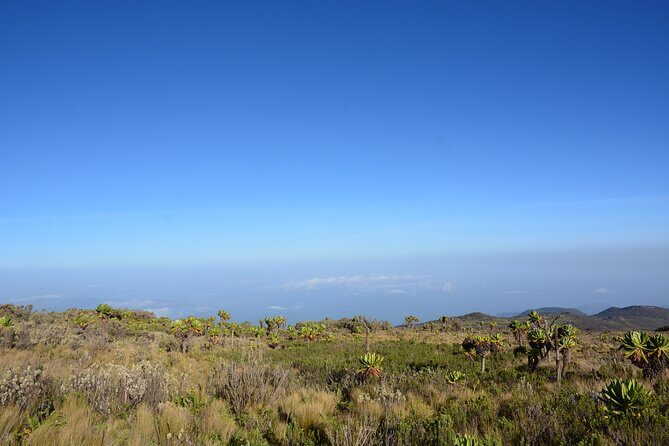
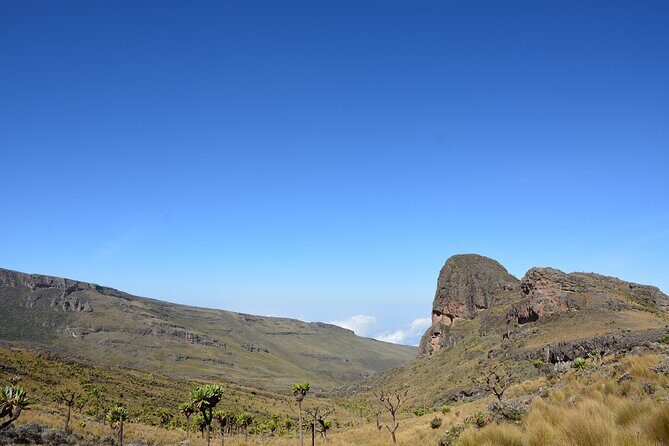
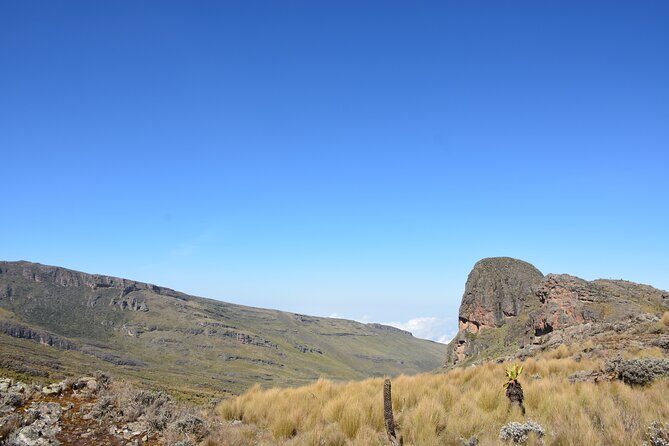
- Multi-zone vegetation: montane forest down low up to high open moorland with giant lobelia and groundsel plants.
- A crew that keeps you moving: ranger guides, porters, and a cook set up the day-to-day machine so you can focus on walking.
Mount Elgon vs. the usual big names in East Africa
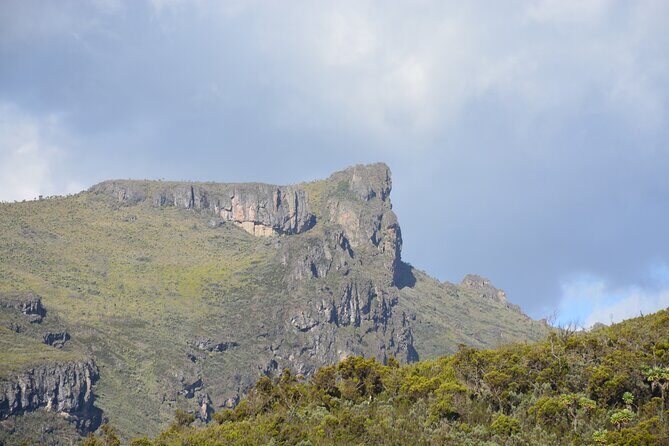
Mount Elgon is the “other” famous mountain in the region, and that’s part of the appeal. It’s a massive extinct volcano with huge slopes that form a natural watershed, feeding lots of different altitude zones as you climb. That means you don’t just get one view—you get repeated changes in vegetation and feel as the air thins.
You’re also walking through a place with wildlife potential. Depending on the season and timing, you might spot forest monkeys and small antelope. Elephants and buffalo are mentioned as possible, even if they’re not guaranteed. Either way, this mountain feels less scripted than many better-known treks.
And then there’s the history factor you can actually picture. The mountain once stood taller than Kilimanjaro in prehistoric times, and now it’s dominated by a caldera that’s wide enough to make you feel how big this whole system really is.
You can also read our reviews of more hiking tours in Uganda
Your first morning: Entebbe to Mbale to Bushiyi Gate
The day starts early. You’re picked up from Entebbe Airport around 06:30, then you travel east past Mbale, using a good tarmac road for the main part of the drive. Mbale is about 3–4 hours from Kampala, and the route is built for getting you to the start of the hiking area without losing the entire day.
After you arrive, breakfast happens at Riverline Hotel. Then you take boda bodas (motorbikes) through the community toward the park for the trail entry point near Bushiyi Village, reaching the patrol office in Bududa village after about an 8–9 km transfer. It’s a quick local flavor moment before you shift gears into the mountain routine.
At Bushiyi Gate, you register and get a briefing. This is where you meet the ranger guides, the porters, and the cook. It’s also where the expedition vibe kicks in: you’re not just walking—you’re joining a small team that will look after the day-to-day logistics so you can focus on the trail.
Day 1: Shiloko camp and the steep-but-manageable start
Day one is built for acclimatization, not for heroics. After a short steep climb, you hike about 6 km up to the first camp at Shiloko. Expect it to feel steeper than the distance sounds, because you’re gaining altitude right away.
You’ll stop for lunch along the way and then overnight in Shiloko to help your body adjust. I like this approach because it’s not a “summit at any cost” plan. You’re given a real recovery night before the bigger push.
Also, this first day sets your gear and pacing. You’ll learn fast how you want to handle your water, your rhythm, and your breathing. If you’re the type who tends to sprint early, this day will gently (or not-so-gently) correct you.
Day 2: Dubi Camp around 3,300m for the next-day summit work
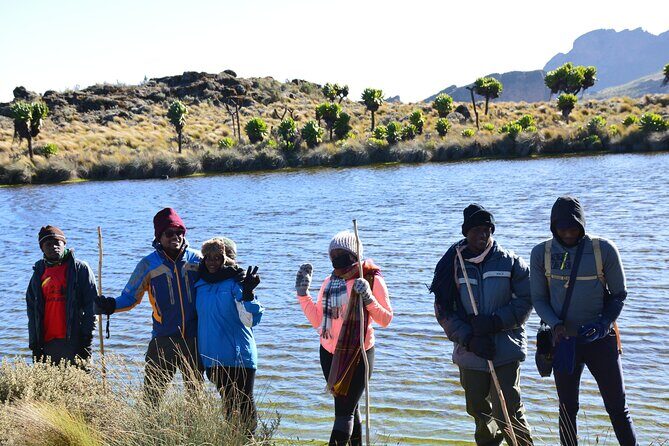
The second day starts early. After breakfast, you hike to Dubi Camp, listed at about 3,300m altitude for your overnight. The exact distance isn’t stated, but the goal is clear: you’re moving upward and stabilizing your breathing before the summit attempt.
This is the day where you really benefit from staying consistent. Slow is fast on high mountains. I’d rather see you arrive a little tired than arrive winded and then spend the evening fighting headaches or nausea.
If you’re trying to decide how fit you need to be, this day is a good clue. You should be comfortable walking for hours on uneven ground and handling changes in air density. The trek clearly expects a strong physical fitness level, even if the route is described as often not technically difficult.
Day 3: Wagagai peak (4,321m) with 9 km of walking drama
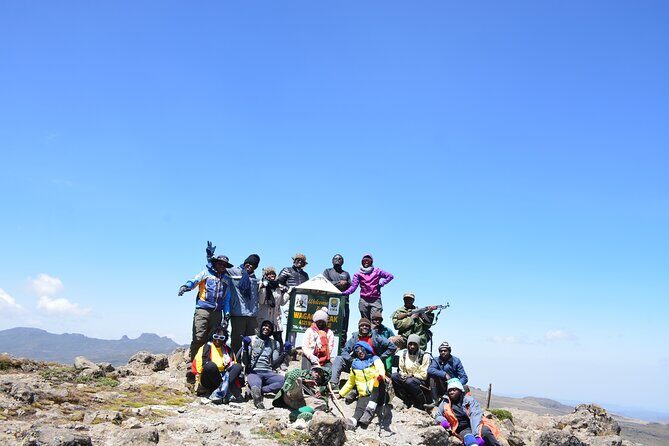
Summit day is the headline. You hike from Dubi Camp for about 9 km to reach Wagagai peak at 4,321m. The climb is described as a mix of flat stretches and gentle-but-steep sections, which is exactly what you want: variety helps your legs and your mind.
Then comes the work of getting back down. After reaching Wagagai, you return to either Dubi Camp or Shiloko for the third night, depending on how you feel. That flexibility matters. Altitude is unpredictable even when you prepare well.
I also like that the plan gives you an option rather than forcing everyone into the same schedule. If you push a bit too hard, being able to adjust your third-night camp can keep things safer and more comfortable.
What you’re really chasing on day three isn’t just height. It’s the view and the sense of stepping through different climate zones as you go up. And at 4,321m, that mental reward hits hard.
Day 4: the crater walk and Hunter’s Cave Camp at 3,600m
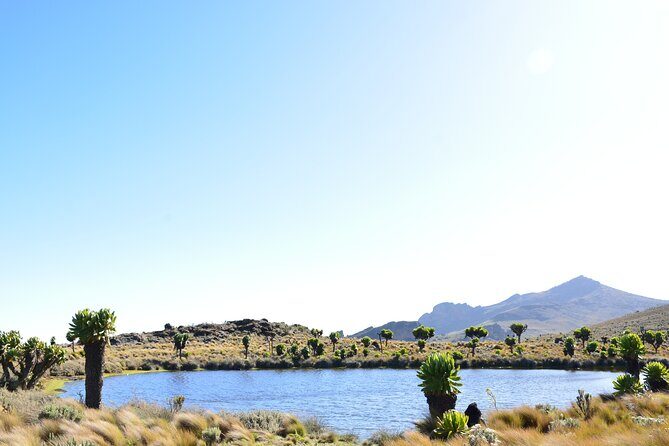
On the final day, you walk across the crater and camp at Hunter’s Cave Camp (3,600m). This is a cool choice for a last day because it gives you a different kind of hiking than pure ascent. Instead of only chasing altitude, you’re moving across a major volcanic feature.
You’ll have breakfast, lunch, and dinner included on day four, and you’ll sleep at Hunter’s Cave Camp. That matters because you can focus on enjoying the crater terrain rather than worrying about finding food or last-minute logistics.
If you’re a person who likes understanding what you’re standing on, this day is the kind that sticks in your memory. A crater walk makes the volcano feel real in a way that photos sometimes don’t.
Meals, camp life, and why organization actually matters
This trek is set up with a cook and porters, and that shapes the experience more than people expect. Food stays warm when it’s planned, and camp life becomes something you can tolerate—even look forward to—after a long hiking day.
Meals included are breakfast, lunch, and dinner, and the rest of the “moving parts” (local transportation, tour guide, and mountain crew coordination) are handled for you. In the feedback you can feel how much guests appreciated that side of the trek: people talked about fresh food, camp comfort, and campfires under the stars.
One detail that stands out from the feedback: William is repeatedly praised for communication and for keeping things organized from start to finish. People also mention motivation and safety, especially on the harder sections where you can start doubting yourself.
If you’re doing this with friends, that support can turn the climb into a shared win instead of a private struggle. If you’re doing it solo, that same support helps you feel steady and looked after.
Price and value: what $550 really buys on this trek
At $550 per person, this trip sits in a range that makes sense for a multi-day mountain trek with a trained team. You’re getting meals (breakfast, lunch, dinner), a tour guide, and local transportation as part of the package.
What’s not included is accommodation in the broader sense (for example, hotel nights before/after the trek). The day four camp at Hunter’s Cave Camp is specifically named as included in the plan, but the overall package lists accommodation as not included—so it’s worth clarifying what you’re covering outside the mountain nights.
Also check how you’re handling transportation at both ends. The tour includes local transportation, but private transportation isn’t listed. If you need a dedicated car transfer beyond what’s already arranged, you may pay extra.
Overall, the value feels strongest if you want guided structure without spending hours building your own logistics. If you’d rather DIY everything, you could do it cheaper—but you’d also take on more risk and mental load.
Who this trek suits best (and who should think twice)
This is best for people with strong physical fitness who want a real summit goal without technical climbing gear. It’s not framed as an extreme mountaineering challenge, but it is still altitude work and steep hiking.
It also fits well if you like animals and plant-life details. Giant lobelia and groundsel show up in the higher moorlands, and people mention vegetation changes as a big part of the enjoyment. If your idea of a good trek includes “what did I see today besides a view,” you’ll like Mount Elgon.
It might not fit if you’re easily discouraged by long uphill days or if you can’t handle early starts. Pickup is early, and you hike multiple days with a summit at 4,321m. And remember: the experience requires good weather.
What to pack for a 4-day Wagagai push
You’re going high, you’re camping, and you’ll be walking daily. So pack for cool nights and active daytime movement. You’ll want:
- Layers you can adjust as temperatures change
- Hiking shoes that handle uneven ground
- Rain protection (because weather can ruin your mood fast at altitude)
- A reliable water plan (the guide team will help you with the rhythm, but you still need to be prepared)
Also think about motion comfort. Trekking poles can help on steep sections and on the way down after summiting. If you’ve never used them, start with a light pair and practice a bit before the trip.
And bring a camera if you care about documentation. In the feedback, William is described as someone who takes great photos and has studied photography—so you’ll likely end up with better images than your usual “random zoom at the top.”
Guides and safety: the real difference between a trek and a disaster
The crew matters here: ranger guides, porters, and a cook are part of the plan, and guests consistently praised the way the team motivates and keeps things comfortable and safe. That’s not marketing fluff—it’s what makes a high-altitude day workable.
A mountain like Elgon can feel big and intimidating even when it’s not technically hard. Having a guide who communicates clearly ahead of time (William is mentioned as responsive) reduces stress on arrival day and helps you start each morning with confidence.
You’ll also see that the plan respects pacing. Summit day is serious, but it’s supported by the earlier camp structure, and day four gives you a calmer, crater-walk style finish rather than another big altitude grind.
Should you book this Mount Elgon trek?
Book it if you want a genuine Uganda mountain experience that feels less crowded, with a real summit goal at Wagagai (4,321m) and a big-caldera vibe on the final day at Hunter’s Cave Camp. It’s also a good fit if you like structure—people noted that organization, motivation, and fresh food made a difference.
Think twice if you don’t have the fitness for multi-day uphill walking, or if weather can be unpredictable in your travel window. This trek requires good weather, and it’s built as a plan-ahead expedition, not a flexible stroll.
If you match those conditions, you’re in for a memorable mix: changing vegetation zones, possible wildlife sightings, camp nights, and the kind of summit day you’ll talk about long after the trail dust settles.
FAQ
How long is the Mount Elgon trek?
It’s a 4-day trek (approx.) with a summit day and a final day that includes walking across the crater and camping at Hunter’s Cave Camp.
What is the highest point you reach?
The trek targets Wagagai peak at 4,321m above sea level on day three.
Is pickup from Entebbe Airport included?
Yes. Pickup is offered from Entebbe Airport, and the activity ends back at the meeting point.
What’s included in the price (and what isn’t)?
Included are lunch, dinner, and breakfast, local transportation, and a tour guide. Not included are private transportation and accommodation (though Hunter’s Cave Camp is specifically listed for accommodation on day four).
How strenuous is the hiking?
You should have a strong physical fitness level. The plan includes a 6 km steep climb on day one and a 9 km hike to Wagagai on day three, with altitude gain that you should take seriously.
What happens if the weather is poor?
The experience requires good weather. If it’s canceled due to poor weather, you’ll be offered a different date or a full refund. You can also cancel for a full refund if you cancel at least 24 hours in advance.