REVIEW · KAMPALA
14 Day Pearl of Africa Uganda Classic Wildlife Safari
Book on Viator →Operated by Bamboo Ecotours · Bookable on Viator
Gorillas, chimps, and Nile drama in one route. This 14-day Pearl of Africa safari is built around Uganda’s biggest wildlife moments, plus community stops, with the national parks packed into a logical circuit of southwestern Uganda. I like the mix of hard-core primates and classic savanna scenery, and you get real variety without spending your whole trip on the same road. The gorilla and chimp permits are handled up front, and the River Nile boat time in Murchison is exactly the kind of change of pace your body will thank you for.
What I especially like is how the itinerary strings together different ecosystems fast: rhino sanctuary, Nile falls, chimp forest, Kasenyi plains, Bwindi gorillas, and then lakeside downtime. The group size is capped at 4 travelers, which usually makes the day-to-day feel more flexible than big-van tours, and the pickup option helps you start smoothly from Kampala/Entebbe. One possible drawback to consider is the amount of time on long drives, including a 7 to 8 hour stretch toward Kibale, plus early starts for sunrise game drives and trekking days.
In This Review
- Key points before you go
- The route’s real strength: three primates plus savanna classics
- Kampala welcome: Uganda Museum and getting your bearings
- Ziwa Rhino Sanctuary to Murchison Falls: wildlife before the main show
- Murchison Falls: game drive, Nile boat, and that waterfall viewpoint
- Kibale Forest National Park: chimp trekking and bird-friendly options
- Queen Elizabeth National Park: sunrise predators and the Kazinga hippo show
- Ishasha tree-climbing lions: the detour that makes the trip memorable
- Bwindi gorilla trek: briefing first, forest walking second
- Mgahinga golden monkeys and option choices in the hills
- Lake Bunyonyi: the reset button after primates
- Lake Mburo: game drives plus boating and horse time
- Final day around the Green Equator and Igongo cultural lunch
- Price and value: what $4,953.85 really covers
- Logistics you should plan for: drives, fitness, and early starts
- Who this safari is best for
- Quick reality check: should you book this 14-day Uganda safari?
- FAQ
- What is included in the safari price?
- What is not included?
- How long is the tour, and when does it start?
- Where does the safari operate from?
- What wildlife and trekking activities are part of the itinerary?
- How big is the group?
Key points before you go
- Small group cap (max 4 travelers) makes pacing feel more human on big wildlife days.
- Permits and park entry fees are included, including gorilla and chimp access.
- Prime wildlife variety in two weeks, from rhinos at Ziwa to hippos on the Kazinga Channel.
- Gorilla trek briefing is built in, and you’re assigned a gorilla family before you enter the forest.
- Tree-climbing lions at Ishasha adds a rare, memorable twist to Queen Elizabeth National Park.
- Lakes give your legs a break, with Lake Bunyonyi and Lake Mburo in the back half of the trip.
The route’s real strength: three primates plus savanna classics
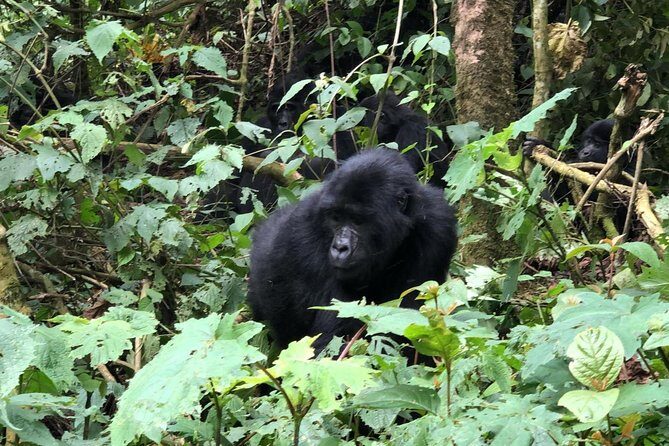
If you’re coming to Uganda for wildlife, this safari makes a strong case because it doesn’t gamble everything on just one species. You’ll chase gorillas in Bwindi, chimps in Kibale, and golden monkeys in Mgahinga, then pivot into the savanna style of game viewing at Murchison, Queen Elizabeth, and Mburo.
I also like that the trip doesn’t treat rest like an afterthought. After trekking-heavy days, you get lake time at Lake Bunyonyi and a full day at Lake Mburo where you can mix game drives with boating and nature walks.
A few more Kampala tours and experiences worth a look

Kampala welcome: Uganda Museum and getting your bearings
Your trip starts around Kampala/Entebbe with airport pickup, then an easy first day to settle in. If you have time, you’ll visit the Uganda Museum and browse local markets in downtown Kampala, with the museum admission included.
This is a smart opener. It gives you context for what you’ll see later in the parks, and it helps you avoid the common trap of arriving jet-lagged and then jumping straight into a hard day. Since the meeting start time is listed as 8:00 am, I’d plan your arrival so you’re not scrambling for sleep or transport that morning.
Ziwa Rhino Sanctuary to Murchison Falls: wildlife before the main show
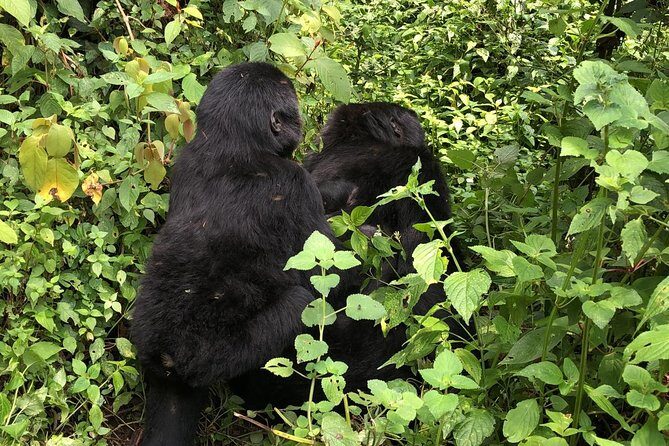
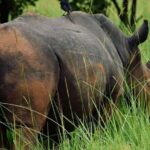
Day two starts with a transfer from Kampala to Ziwa Rhino Sanctuary (via Rhino Fund Uganda). The big idea here is that rhinos have long been part of Uganda’s conservation story, and Ziwa is described as a breeding site for both black and white rhinos.
Then you continue on to Murchison Falls National Park, which sets up the rest of the route nicely. You’re not only traveling to the next park; you’re building momentum—rhino conservation first, then the Nile system and classic big-game country.
Practical note: this is a travel day with a switch in scenery. If you’re the type who gets motion sickness, pack for it and plan to hydrate early.
Murchison Falls: game drive, Nile boat, and that waterfall viewpoint
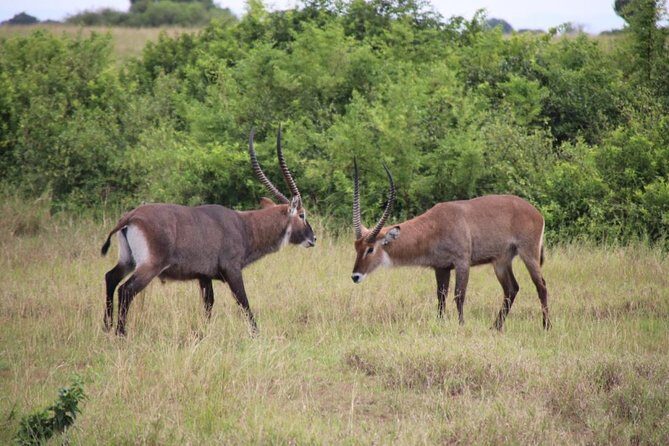
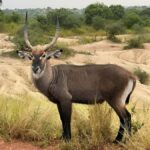
Murchison Falls is where the trip’s pace ramps up and stays interesting. You’ll do a game drive for elephants, lions, giraffes, and other wildlife, then take a boat trip on the River Nile with a chance to spot crocodiles, hippos, and a range of rare birds.
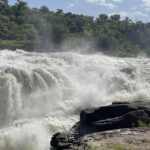
Then comes the payoff: visiting the top of the Murchison Falls in the later afternoon for spectacular views along the Nile River. If you’re trying to understand why people talk about Uganda’s northwestern parks, this is one of the cleanest answers the itinerary gives you.
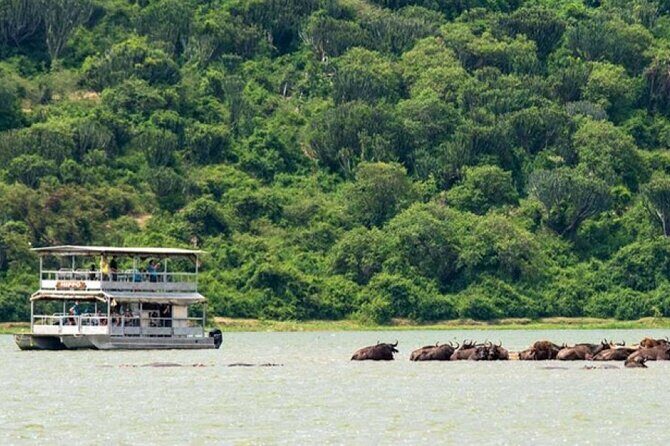
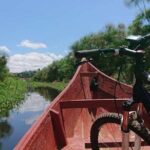
The boat section is also valuable because it changes the tempo from “searching on land” to watching animal behavior at water level. Hippos and crocodiles feel a lot more real when you’re close enough to hear and see them breathe and move.
Kibale Forest National Park: chimp trekking and bird-friendly options
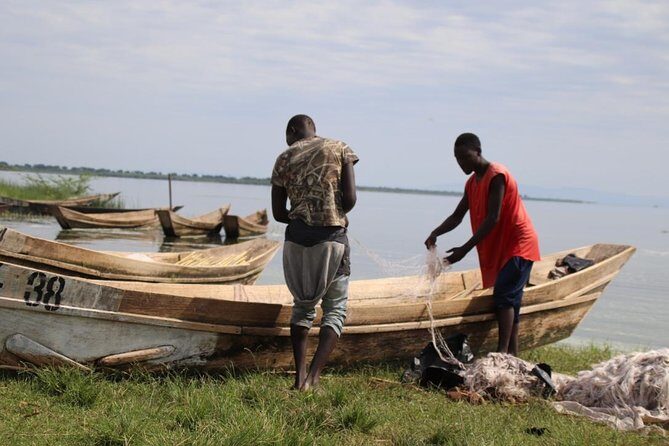
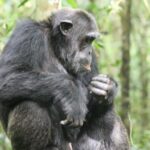
Kibale is your chimp chapter, and it’s one of the most active days on the calendar. After a long drive from the Fort Portal area (the itinerary flags 7 to 8 hours), you’ll head straight into the chimpanzee trek.
If luck is on your side, you might see other monkeys too, including colobus, olive baboon, and red-tailed monkey. There’s also an optional afternoon add-on: Bigodi Swamp Sanctuary, which the itinerary describes as a birder’s paradise, with admission included.
This day is more than a checklist item. Trekking in Kibale means you’re walking through forest where your pace matters more than your speed. You’ll want comfortable shoes with grip, plus something to manage humidity and rain even if forecasts are unclear.
A few more Kampala tours and experiences worth a look
Queen Elizabeth National Park: sunrise predators and the Kazinga hippo show
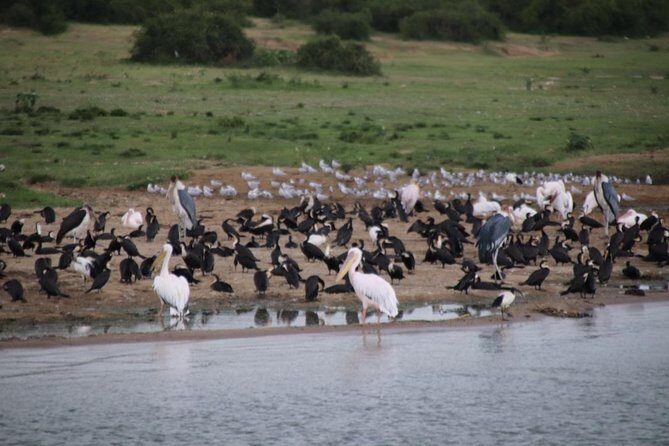
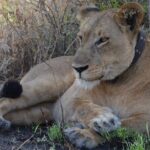
Queen Elizabeth is split into two standout experiences: Kasenyi plains game drives and the Kazinga Channel boat trip. Before sunrise, you’ll go out on the plains looking for predator and nocturnal dwellers as animals head back toward their hides.
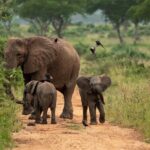
Expect a mix like elephants, buffalo, side-striped jackals, hyenas, leopards, lions, warthogs, Uganda kobs, and giant forest hogs. Then after lunch, the itinerary switches to a Kazinga Channel boat trip where hippos can be seen in massive numbers, plus buffalo, crocodiles, bathing elephants, and birds.
Here’s why that pairing matters: you get both the “watching the plains wake up” feel and the “watching animals at the water line” feel. It’s the kind of contrast that keeps wildlife from blending together across days.
Ishasha tree-climbing lions: the detour that makes the trip memorable
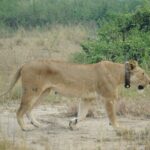
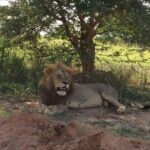
On the way from Queen Elizabeth to Bwindi, you stop at the Ishasha sector to look for tree-climbing lions. This is one of those locations people don’t bring up unless it’s genuinely different, and the itinerary treats it as a highlight.
If you get lions in a tree, it’s a wild visual—both literally and in how different it feels from typical ground-level safari sightings. Even if you don’t, the sector can still deliver wildlife sightings, but I’d set expectations that you’re chasing a specific, famous behavior.
Bwindi gorilla trek: briefing first, forest walking second
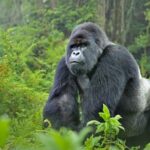
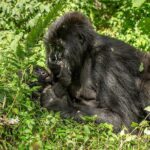
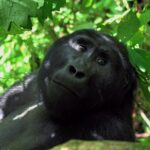
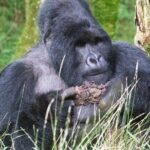
Bwindi Impenetrable Forest is the emotional center of the safari. You’ll go to the park gate for a gorilla trek briefing where a national park guide covers what to expect, including what to bring mentally and physically. You’ll then be told which gorilla family you’ll trek, and it’s likely you’ll share that trek with other visitors.
The trek itself can take from a few hours to longer, depending on how far the gorillas are inside the forest. That variability is normal in gorilla country, and it’s why the briefing matters: it helps you prepare for the long, slow reality of forest tracking.
What I appreciate about this itinerary is that it doesn’t rush the process. You’re given the official setup, then the trek happens. Plan for quiet focus, move with care on uneven ground, and remember this is about connection and observation more than speed.
Mgahinga golden monkeys and option choices in the hills
After Bwindi, you head to Mgahinga Gorilla National Park for a golden monkey trek. The itinerary describes walking through thick bamboo vegetation and seeing indigenous plants like giant lobelia. The golden monkey trek is estimated at about 5 hours.
You also have alternatives listed: Sabyinyo volcano hike and a Batwa cultural experience. Since these are options, you’ll want to choose based on how your body and interests hold up after gorilla trekking.
This is a good day for people who want wildlife that’s smaller but quick-moving and active. Golden monkeys tend to make you watch harder, and that’s a nice change from the slower, heavier gorilla pace.
Lake Bunyonyi: the reset button after primates
Then you get the part of the trip that feels like a reward. You’ll transfer to Lake Bunyonyi, where activities can include canoeing, swimming, bird watching, and relaxation.
Even if you’re not a swimmer, birding and just taking in the calm can do a lot for your head after trekking days. This is also where you can manage energy in a practical way—snack, nap, and do the kind of social decompression that safari groups often need.
Lake Mburo: game drives plus boating and horse time
From Bunyonyi, you can do more lake activities in the morning, then head to Lake Mburo National Park in the afternoon. The itinerary notes you can opt to leave Bunyonyi early if needed, which is useful if you feel travel-fatigue building.
You’ll get a full day at Mburo with game drives, a boat trip, a nature walk, and even the option of horse riding (all listed as activities). Mburo is a strong follow-up because it keeps wildlife viewing active without the same level of forest trekking pressure.
Final day around the Green Equator and Igongo cultural lunch
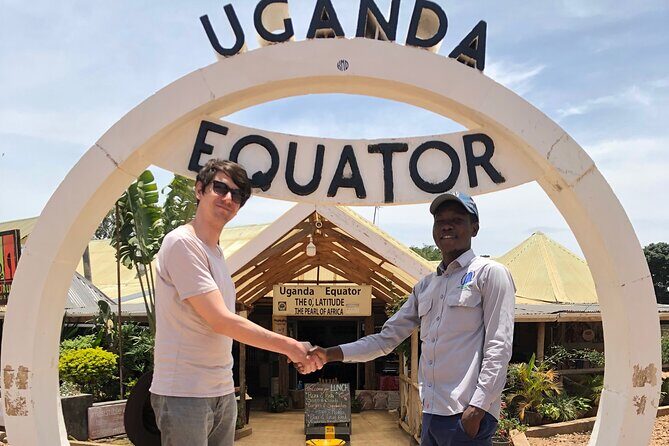
For the last day, you travel from Lake Mburo back toward Entebbe airport, with a stopover at Igongo cultural centre for lunch. There’s also a stop at the Equator line crossing with handcraft shops and time for coffee.
This works as a tidy ending: you’re not ending with another long trek, and you still get a cultural stop that feels connected to place. It’s also a practical way to break up the drive before airport time.
Price and value: what $4,953.85 really covers
At $4,953.85 per person, this is not a budget safari in the sense of being cheap. But it can be good value depending on what you’re comparing it to, because the tour explicitly includes big cost items that often surprise people later.
Included costs are gorilla & chimp permits and park entry fees, plus meals (breakfast 13 times, lunch 12 times, dinner 13 times). It also includes the major on-the-ground activities listed: museum entry on day one, sanctuary and park-linked entries, and the boat trips and game drives noted in the plan.
What’s not included is also clearly stated: visas, flights, travel insurance, and other personal costs. So the real comparison question for you is simple: if you were to price permits and park fees yourself, would the package still look like the smarter route?
One more thing: the tour caps at 4 travelers and offers group discounts, which can help spread costs if you’re traveling as a pair or small group. If you want bigger anonymity and fewer people, this is less of a fit than a larger group safari, but it can be a better fit for comfort and flexibility.
Logistics you should plan for: drives, fitness, and early starts
This safari calls for moderate physical fitness. You’ll be fine if you can handle walking during treks and game viewing, but you should not expect a trip of only flat, easy sightseeing.
The itinerary includes early starts, like the before sunrise Kasenyi plains drive. It also includes long transfers, including the 7 to 8 hour journey toward Kibale via Fort Portal. If you’re sensitive to travel time, build buffer habits: drink water, pack snacks for yourself, and keep a light layer handy for cooler mornings and changing park temperatures.
Also, the tour description says the group is limited to max 4 travelers, which is great for feel, but it can mean fewer other passengers to share practical tasks like adapting to vehicle schedules.
Who this safari is best for
You’ll enjoy this tour most if you want one trip to cover multiple wildlife specialties: primates plus classic game viewing plus Nile and lake scenery. It also fits travelers who like structure but still want meaningful down time at Lake Bunyonyi.
It’s a strong choice for couples or friends who want to share costs in a small group. Solo travelers can still fit well because the small-group format can be easier than joining a huge group, and the company appears set up for people coordinating around group schedules.
If you hate mornings or you’re expecting everything to be slow and relaxed, consider that this itinerary includes trekking days and early game drives. You can still enjoy it, but you’ll want to mentally accept that you’re trading perfect leisure for a higher wildlife hit rate.
Quick reality check: should you book this 14-day Uganda safari?
I’d book this safari if you’re specifically chasing gorillas and chimps, and you want them paired with rhinos, lions, hippos, and falls without constantly switching between different companies and logistics. The fact that permits and park entry fees are included removes a lot of uncertainty, and the lakes make it feel like you’re not just rushing from one intense day to the next.
I’d think twice if you’re looking for a low-drive trip. This itinerary moves, and the long transfer days are part of the bargain. Also, since lodging details aren’t spelled out here, I’d confirm where you’ll sleep for each park before you commit, so you know the exact comfort level you’re paying for.
FAQ
What is included in the safari price?
The safari includes gorilla and chimp permits, park entry fees, and meals: breakfast (13), lunch (12), and dinner (13). Some attractions like Uganda Museum are also listed with admission included.
What is not included?
Visas, flights, travel insurance, and other costs of personal nature are not included.
How long is the tour, and when does it start?
The tour is 14 days (approximately) and the start time is listed as 8:00 am.
Where does the safari operate from?
The trip is centered around Kampala, Uganda, with pickup offered. Your itinerary begins with transfer to a hotel in Entebbe/Kampala.
What wildlife and trekking activities are part of the itinerary?
You’ll have gorilla trekking in Bwindi, chimpanzee trekking in Kibale, and golden monkey trekking in Mgahinga. There are also game drives and boat trips, including a Kazinga Channel boat ride and a River Nile boat trip in Murchison Falls.
How big is the group?
The tour description states a maximum of 4 travelers.
If you want, tell me your travel month and whether you’re more interested in gorillas, birds, or big cats, and I’ll help you sanity-check whether this route matches your priorities and stamina.