REVIEW · UGANDA
7 Days Fort Portal Culture Tour Western Uganda
Book on Viator →Operated by ENCHANTED UGANDA SAFARIS · Bookable on Viator
Fort Portal is a calm start to big Uganda adventures. This 7-day culture tour in Western Uganda mixes tribal traditions, short hikes in the Rwenzori area, and serious wildlife time in Kibale and Queen Elizabeth. I like the blend of people-and-places stops (Tooro Kingdom, village life, dancers and storytellers) with hands-on nature activities like chimpanzee tracking. I also like that the price is structured to cover a lot of the logistics—park fees, accommodation, and transport—so you are not constantly stopping to pay more. A real consideration: you will be doing some walking and short hikes, so plan for a moderate fitness level and comfortable shoes.
If you want Western Uganda that feels human—not just photos of waterfalls—this route is built for that. You get crater lakes area exploration, village tours that explain daily life and herbal medicine, and then you shift into safari rhythm with big landscapes and wildlife-focused days around Queen Elizabeth National Park. It is a private tour, so your group stays together, and you start and end at Enchanted Uganda Safaris in Fort Portal.
In This Review
- Key things to know before you go
- Fort Portal to Rwenzori: why this 7-day route works
- Amabere ganyinamwiru and crater lake country: culture with geology
- Tooro Kingdom visits and royal tombs: learning local power and tradition
- Village communities: dance, herbal doctors, storytelling, and everyday life
- Kibale National Park: chimpanzee tracking plus forest primate energy
- Rwenzori area and the Mountain of the Moon feel
- Semuliki/Rift Valley hot springs and community encounters
- Queen Elizabeth National Park: game drives and boat cruises with big moments
- Price and value: what $1,500 per person covers (and why it matters)
- Who should book this tour
- Practical tips that will make days smoother
- Should you book this 7 days Fort Portal culture tour?
- FAQ
- How long is the 7 Days Fort Portal Culture Tour?
- What is the price per person?
- Where does the tour start and end?
- What’s included in the tour price?
- What is not included?
- Does the tour include pickup?
- Is this a private tour?
- What are the cancellation terms?
Key things to know before you go
- Chimpanzee tracking in Kibale National Park gives you a real chance to see Uganda’s forest primates up close
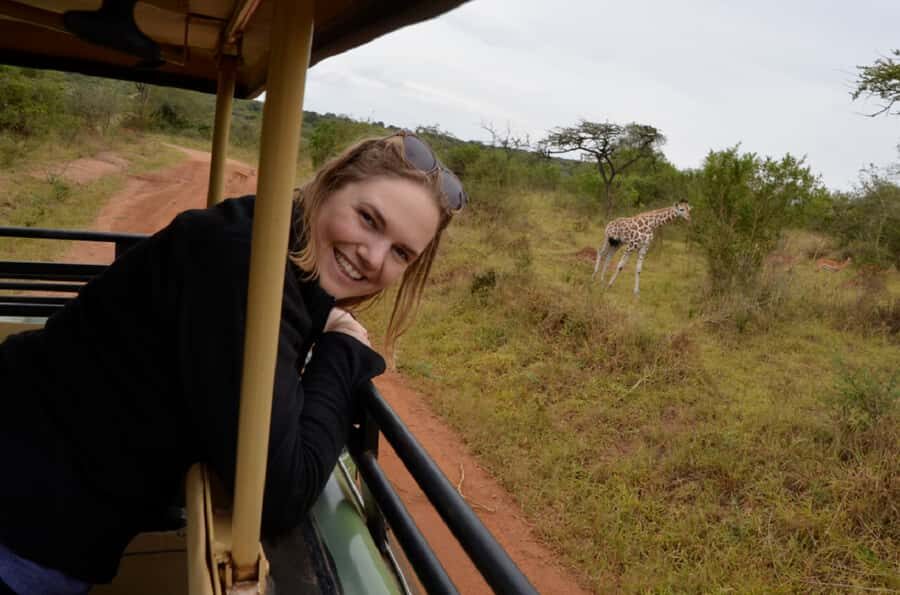
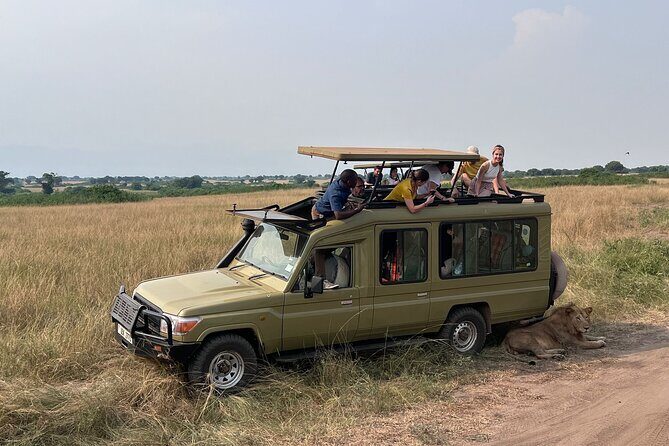
- Queen Elizabeth Park can include tree-climbing lions, game drives, and boat cruises
- Village visits focus on culture: storytelling, dance, herbal doctors, and community life
- Amabere caves and crater lake exploration connect history, geology, and local traditions
- Rift Valley hot springs and cultural groups around the region add variety beyond the safari days
Fort Portal to Rwenzori: why this 7-day route works
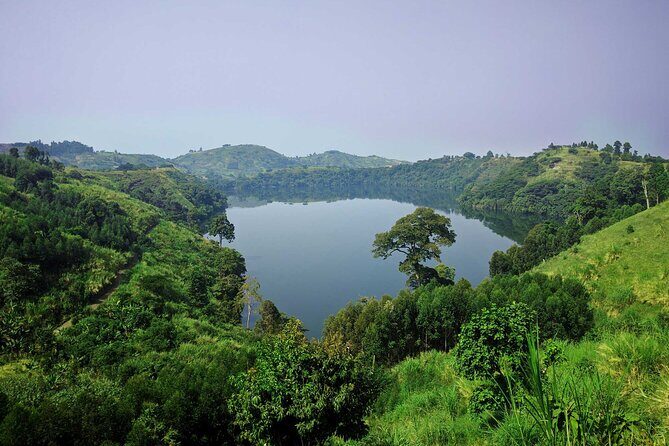
Fort Portal sits at the gateway of Western Uganda’s crater lakes region, and it is a smart base because you can balance culture and scenery without feeling like you are only on a long drive. This tour’s style is not “rush through highlights.” It is more like: learn a place, move to the next place, then sleep and eat comfortably enough to actually enjoy the next day.
What I like for you: the itinerary has multiple ways to “get it.” You will see historic and cultural sites (like Amabere ganyinamwiru), you will meet communities and watch traditions performed, and you will also spend time in parks where the environment drives the day. That mix helps you understand why the region feels different from Uganda’s east-coast vibe.
What you should keep in mind: the schedule can include wildlife tracking, village touring, and short hikes around the Rwenzori/Mountain of the Moon area. That is a lot of activity variety, but it also means your body needs to be ready for walking and uneven ground.
A few more Uganda tours and experiences worth a look
Amabere ganyinamwiru and crater lake country: culture with geology
The cultural engine of this trip starts close to home base. One of the first historic stops is Amabere ganyinamwiru, which is known as a significant historical site in the Fort Portal area. Sites like this matter because they give context to the landscape. It is not just caves and views. It is stories tied to why people lived here, how they understand the land, and how local identity is connected to places.
From there, the tour moves through crater lake village areas and nearby nature points. This part is especially good if you want slower travel. You are not constantly “on safari rules.” You can ask questions, listen to how locals explain herbal practice and daily life, and watch cultural performances that are not staged for a ticket line.
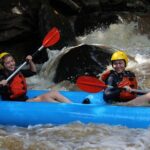
A detail worth caring about: the crater lakes region includes stops around lakes like Kyaninga, where the lake’s depth is famously about 244 meters, and kayaking is part of how people experience the area. If your day includes Kyaninga, plan time for simple lake moments, not just quick sightseeing.
Tooro Kingdom visits and royal tombs: learning local power and tradition
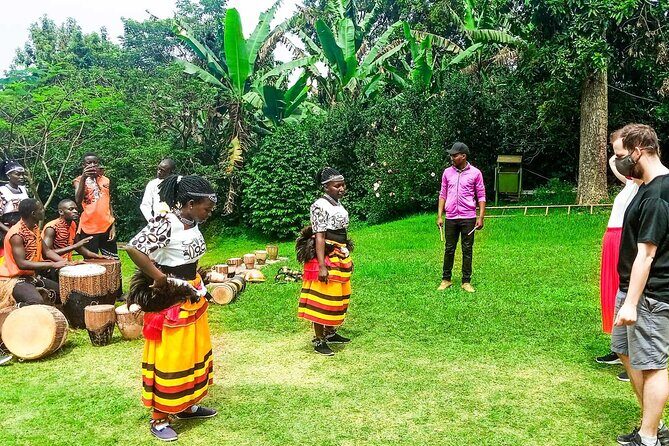
Next comes the Tooro Kingdom and visits connected to royal history, including royal tombs. If you are the type of traveler who likes to understand who held influence and why, this is one of the most satisfying sections of the tour.
Royal tombs and kingdom sites can feel abstract if all you see are buildings and stone. The value here is that you also get cultural explanation alongside the visit. You learn the “how it works” of traditions and why certain ceremonies and roles matter. This is the kind of context that makes later village visits make more sense.
Practical tip: take your time here. People often rush heritage sites. If you slow down, you get better answers to the questions you actually care about.
Village communities: dance, herbal doctors, storytelling, and everyday life
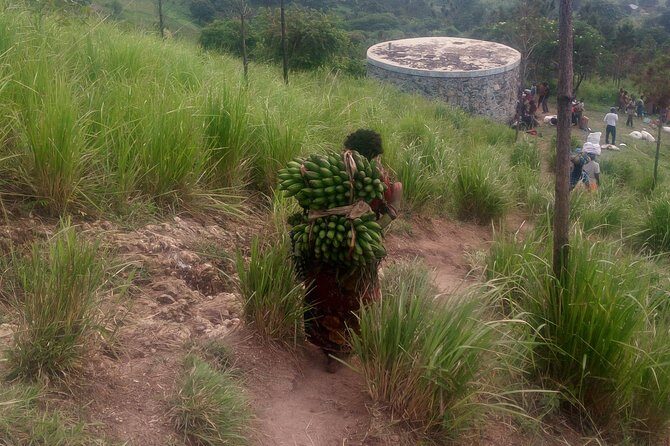
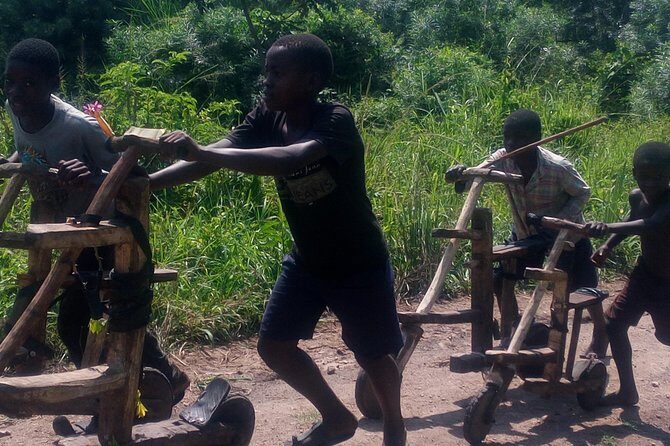
One of the strongest reasons to choose this tour is the village component. You do not just pass through towns. You visit communities for African dance, storytelling, and cultural demonstrations, including how community members describe herbal medicine and the work of cultural doctors.
You also see cultural customs in action—how marriages and community gatherings are talked about, and how life is organized and explained. Even better, the performances are tied to daily realities rather than being only a show.
From the cultural side, you may also encounter creative dance from groups such as:
- Tooro Cultural people
- Rwenzururu Cultural people
- Bamadi (Pygmy cultural people)
This is a good fit if you want Uganda’s culture in a more grounded, human way. It can feel more real than museums or dance-only shows because you are meeting people in the place where they live the story.
Kibale National Park: chimpanzee tracking plus forest primate energy
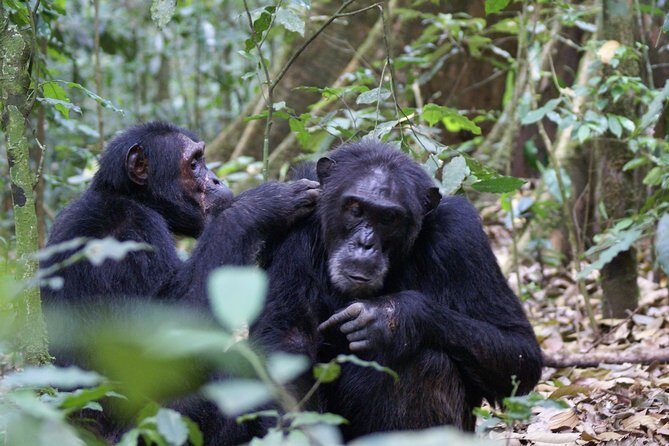
Kibale is the “wildlife credibility” moment. The tour includes chimpanzee tracking in Kibale National Park, one of Uganda’s best places for primates.
Chimp tracking is not a guarantee in the way a zoo is, but it is still one of the most exciting wildlife activities in the country because you are going into forest conditions where animals move naturally. What I like about including Kibale here: it balances the cultural days with a real nature-and-behavior experience.
You may also see the park region through community touchpoints such as Bigodi-style nature and cultural spaces. The important thing is the pace. In these areas, you are not sprinting from stop to stop; you are watching, listening, and adjusting to what the forest offers.
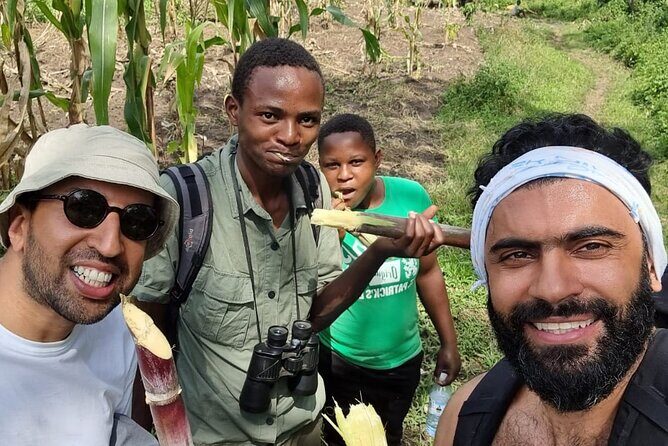
A nice sign of quality from the guide side: people have been paired with guides like Joshua and Ronald for crater lakes and nature-focused days, which suggests the guiding approach blends practical navigation with interpretation. When you are paying attention to animals and plants, having someone who can explain what you are seeing makes the tracking feel more worthwhile.
Rwenzori area and the Mountain of the Moon feel
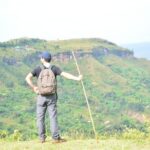
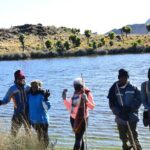
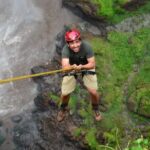
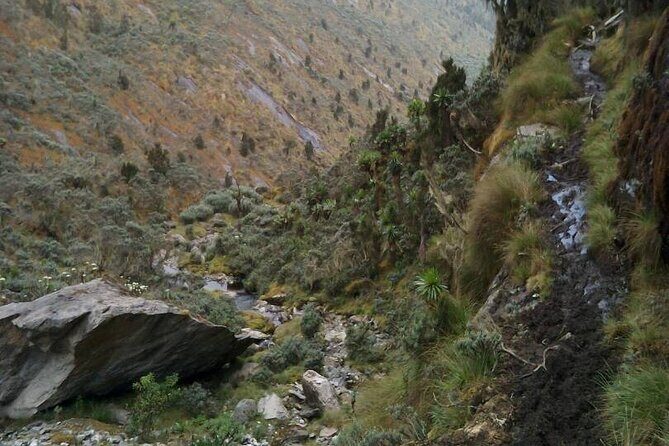
The tour also includes min hikes connected to the Rwenzori region and the Mountain of the Moon area. Even when hikes are not long, they change your perspective quickly. You feel the elevation, the air changes, and you start to understand why Rwenzori has a strong name in local and regional culture.
These hikes also help break up the heavier days. If your schedule includes wildlife drives and boat time later, a hike segment is a good way to stay active without being purely “safari mode.”
What to consider: short hikes still mean uneven paths and time outside. Bring footwear that works on dirt and stones, and keep your water accessible.
Semuliki/Rift Valley hot springs and community encounters
Western Uganda’s thermal areas are a change of pace that you will either love or be glad you tried once. The tour includes hot springs exploration, including the idea of seeing male and female hot springs in the Western Rift Valley region.
This is one of those experiences that is both simple and memorable. You stand close to geothermal activity and see how people experience it as part of local life and landscape. It is not the same as a “theme park hot pool.” It feels like nature doing its own thing.
Culture continues alongside this. The tour introduces you to cultural groups associated with the forest communities, including the Bamadi (Pygmy cultural people) through dance and drama. That cultural pairing matters because it keeps the day from feeling like two random stops. Instead, you understand that people live in close relation to the environment they work with and learn from.
Queen Elizabeth National Park: game drives and boat cruises with big moments
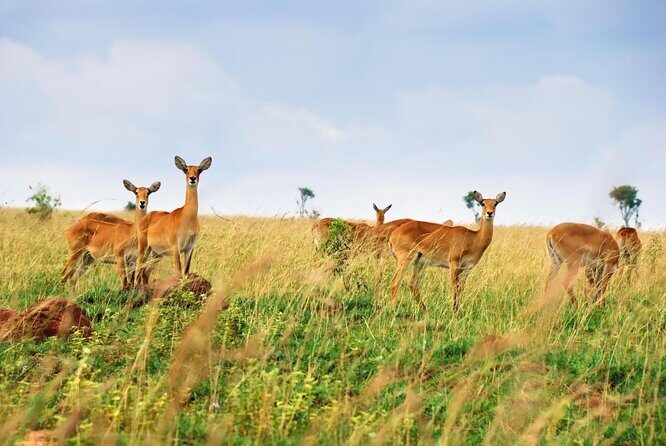
If you come for wildlife, Queen Elizabeth Park is where the tour earns its reputation. The features can include:
- Tree-climbing lions
- Game drive safaris
- Boat cruise safaris
- Salt tourism safaris (as described in the tour feature list)
- Fishing safaris (also listed as part of the safari experience)
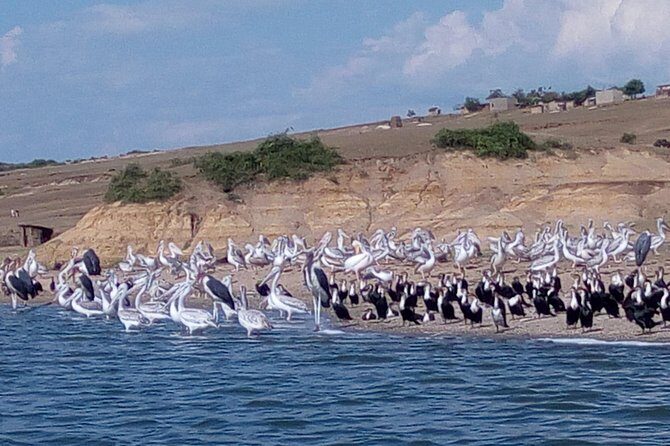
The best way to think about Queen Elizabeth is that it gives you more than one “wildlife viewing style.” The game drives put you on land with chances to see animals moving across habitat. The boat cruise changes the whole experience: you watch from water and you notice birds, shoreline behavior, and animal activity that looks different from a vehicle seat.
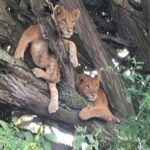
Tree-climbing lions are especially memorable because they are unusual behavior compared to what most people expect. If that is on the table for your dates, treat it as a top priority for being patient and staying alert during viewing windows.
Price and value: what $1,500 per person covers (and why it matters)
At $1,500 per person for an approximate 7-day tour, you are paying for more than a driver and a list of stops. Based on what is included, this price structure covers key costs that often surprise people on Uganda itineraries, such as park fees (notably Queen Elizabeth and Kibale, plus caves), activities fees, accommodation, and transport. It also includes two meals a day and coffee and/or tea.
For you, that’s the real value: budget certainty. You are less likely to get to a gate or lodge and discover a stack of extra payments you were not planning for. The trip is also set up as a private tour, so you are not negotiating around strangers in the same vehicle.
What is not included is gratitude (tips). So you should budget for tipping based on your group’s comfort and your guide support.
Who should book this tour
This is a great match if you want:
- Culture in a real setting, not only a quick photo stop
- Wildlife time that includes chimp tracking plus a full Queen Elizabeth safari day style
- A route with variety: caves, crater lakes, kingdoms, hot springs, dances, and park activities
It can be less ideal if you want a completely relaxed trip with minimal walking. Short hikes and active days are part of the concept, and comfort depends on your willingness to move.
Practical tips that will make days smoother
A few things I’d plan for based on what the tour includes:
- Shoes first: You may do min hikes and cave/forest-area walks, so good traction matters.
- Bring light rain readiness: Even if you are not told about the weather, short hikes and outdoor time mean you should be prepared for changing conditions.
- Ask about timing for performance days: Cultural dance and drama are on the schedule, but you will enjoy it more if you know when they happen so you do not miss your best window.
- Take it easy after safari-heavy days: Queen Elizabeth and chimp tracking can be intense. Build in calm time by keeping your evenings low-key.
One more note: the tour runs with opening hours from 8:00 AM to 9:00 PM, and it is designed around a full-day rhythm. You start and end at the meeting point in Fort Portal at Enchanted Uganda Safaris.
Should you book this 7 days Fort Portal culture tour?
I think you should book it if you want Western Uganda that mixes culture and nature without turning your days into a constant scramble for logistics. The included park fees, accommodation, and transport make it feel like a real package, not an expensive scratch-build.
I would hesitate if you are very sensitive to walking time or if you only want one type of activity (only wildlife, or only culture). This tour is intentionally mixed, so you need to be comfortable switching gears across days.
If your goal is to understand Western Uganda through communities, landmarks, and then follow that with Kibale and Queen Elizabeth’s wildlife energy, this is the kind of itinerary that makes sense.
FAQ
How long is the 7 Days Fort Portal Culture Tour?
It is about 7 days.
What is the price per person?
The price is $1,500.00 per person.
Where does the tour start and end?
It starts at Enchanted Uganda Safaris at Lugard Road Plot No 5, Fort Portal, Uganda, and ends back at the same meeting point.
What’s included in the tour price?
Coffee and/or tea, two meals a day, activities fees, park fees in Queen Elizabeth Park, Kibale National Park and caves, crater lake village tours, accommodation, and transport are included.
What is not included?
Gratitude (tips) is not included.
Does the tour include pickup?
Yes, pickup is offered.
Is this a private tour?
Yes, it is private, and only your group participates.
What are the cancellation terms?
Free cancellation is available up to 24 hours in advance for a full refund. If you cancel less than 24 hours before the start time, the amount paid is not refunded.