REVIEW · UGANDA
Uganda Jungle Rafting
Book on Viator →Operated by Sana Gorilla Rafting · Bookable on Viator
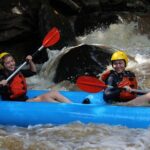
Rafting Birira feels like jet fuel in a jungle. This Uganda jungle rafting trip runs on the Birira River in West Uganda, where the rapids stay active for a long stretch and you paddle through thick greenery with plenty of birds and other wildlife. It’s a smart add-on between Uganda’s big-name highlights like gorillas, chimp trekking, and safari parks.
I really like two things about this experience. First, the near-nonstop action: you cover about 25 km on rapids rated roughly class II to IV+ for around 4 hours on the water. Second, you get a built-in safety setup with all gear included and a safety briefing at the start, led by a professional team (including guide Sadat).
One drawback to weigh: the run is not a slow cruise. You’re out on the water for roughly four hours, and the river can reach harder sections (up to IV+), so you should be confident in active water and follow the crew instructions closely.
In This Review
- Key things to know before you go
- Birira River, West Uganda jungle: the real reason this rafting trip works
- The 6-hour flow from Rukungiri: what your day will look like
- Safety briefing and included gear: how this trip keeps you in control
- Reading the rapids: class II to IV+ in plain language
- Jungle rafting on the Birira: wildlife, birds, and that jungle cruise vibe
- Kayaking for families and a calmer option within the adventure
- Lunch on the river: what’s included and why it’s not just a break
- The end-of-trip drink, photos, and the local community surprise
- Price and value: why $150 can make sense for this kind of day
- Who should book this rafting day, and who might rethink it
- Practical planning tips for your river day
- Should you book Uganda Jungle Rafting with Sana Gorilla Rafting?
- FAQ
- Where is the rafting meeting point?
- What time does the trip start?
- How long is the full experience?
- How far do you paddle?
- What kind of rapids will I face?
- What’s included in the price besides rafting?
- How long is the safety briefing?
- Is lunch actually provided, and when?
- What are the age limits?
- Can families do a calmer option?
- Is there a cancellation or refund option?
- What’s the group size?
Key things to know before you go
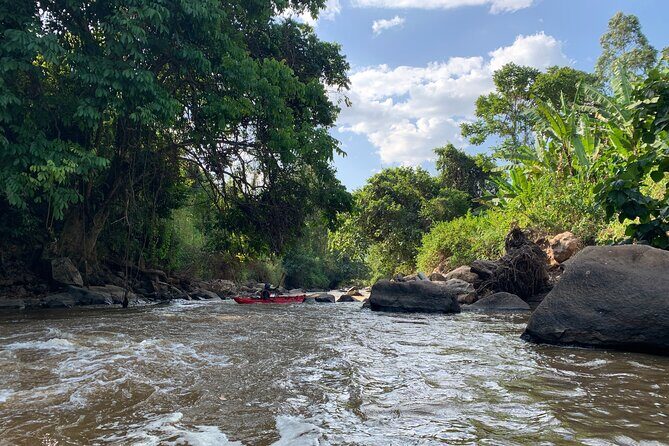
- Birira River rapids, class II to IV+ keep the paddle interesting for about 4 hours
- Thick West Uganda jungle surrounds you, with tropical birds and other wildlife you’ll likely spot from the raft
- Safety gear and a start briefing are included, with a professional team and certified experience
- Lunch, a snack, and an end drink are part of the package, plus photos from the day
- Small group size (max 20) helps the day feel organized and personal
- A short local community surprise happens along the riverbank during the trip
Birira River, West Uganda jungle: the real reason this rafting trip works
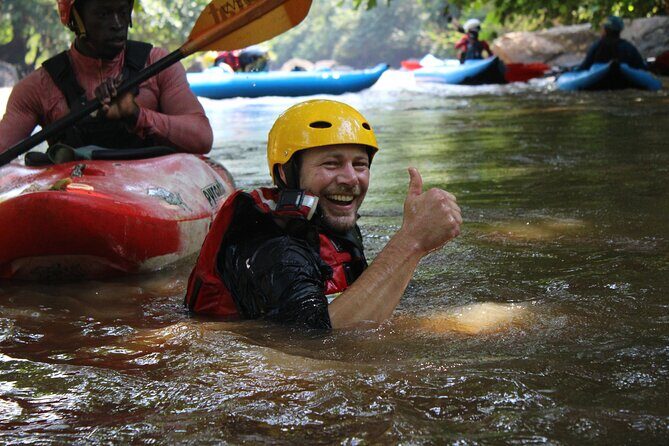
Most people link rafting in Uganda to the Nile. That’s not wrong, but it can leave you with a one-track idea of what rafting here should feel like. On the Birira River, the big shift is that the rapids don’t turn into a long waiting game. Instead, you’re on the water for about four hours and you keep moving through sections that are rated around class II to IV+.
That matters, because the value of river time is all about rhythm. When the action stays frequent, you don’t spend the day wishing you were closer to the next rapid. You get that constant feedback loop: paddle, hit a wave train, glance at birds in the canopy, then get ready for the next push.
Then there’s the jungle feel. This is thick West Uganda rainforest scenery, not just a river corridor. One part of the magic is how the scenery and adrenaline overlap. You’re not just surviving rapids; you’re watching green everywhere you look, and that’s exactly the kind of “Uganda is doing something different” day that makes an itinerary memorable.
You can also read our reviews of more tours and experiences in Uganda.
The 6-hour flow from Rukungiri: what your day will look like
Plan on a full half-day, about 6 hours total. You meet in Rukungiri town (the meeting point is listed at 6W5F+GXR, Rukungiri, Uganda), with a 9:00 am start. Since it’s not right in town, there’s driving time: about 45 minutes each way between Rukungiri and the river.
Here’s the pacing that helps you not feel rushed:
- First, you get a 20-minute safety briefing before you step into the raft and start moving.
- You’re then out on the water for about 4 hours, covering roughly 25 km.
- Somewhere in the middle, there’s a 20–30 minute lunch break on the water.
- You finish back in Rukungiri after the experience, which is great if you’ve got another activity lined up next.
This schedule is especially useful if you’re building a route around gorillas or chimp trekking. A day like this gives you a full dose of adventure without derailing the rest of your itinerary. You’ll still have time afterward to travel onward or just relax with that end-of-trip drink.
Safety briefing and included gear: how this trip keeps you in control
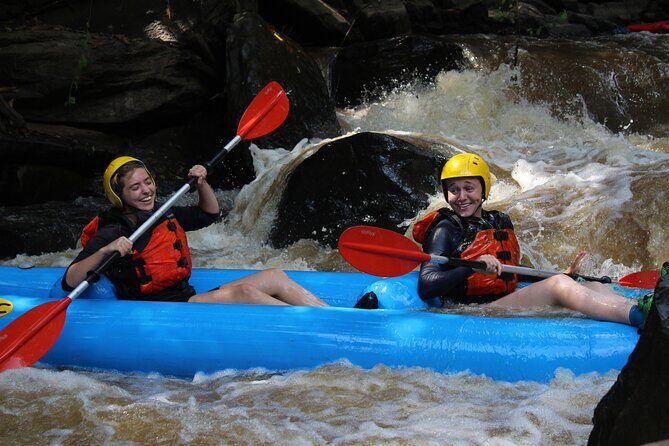
I’m always happy when a rafting operator treats safety like a real process and not a formality. Here, the package includes safety gear, and the team gives you a safety briefing about 20 minutes before you go on the water.
That briefing is your fast track to confidence. You’ll learn how to sit in the raft, how to follow commands quickly, and what to do when the river gets louder. With rapids reaching IV+, it’s not the time to improvise. The whole point of a briefing is to make your movements automatic, so you can focus on the fun instead of second-guessing.
The crew is also described as professional and friendly, with international rafting experience and certificates. And guide Sadat shows up in multiple accounts as part of the team’s on-water leadership. For me, that’s a good sign because rafting days live or die on communication.
Reading the rapids: class II to IV+ in plain language
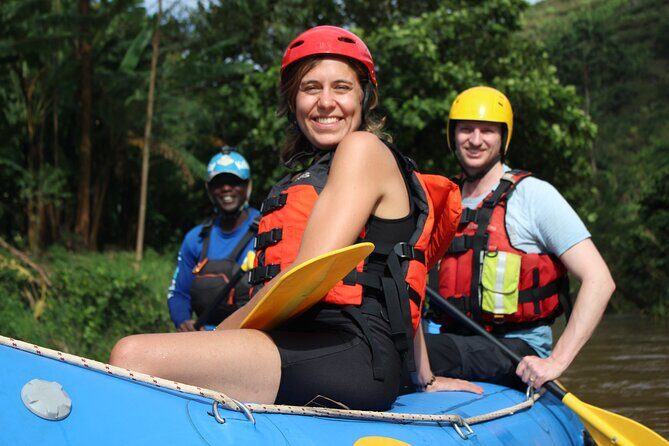
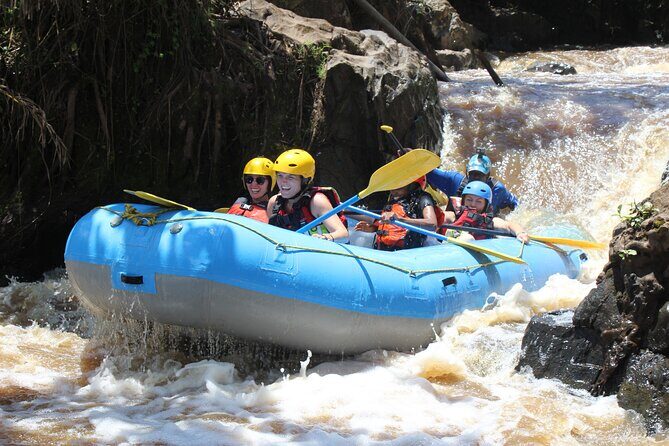
On paper, class II to IV+ can look intimidating or vague. In real life, what you should take away is this: you’ll paddle through rapids that range from straightforward moving water to sections that demand more teamwork and alertness.
- Class II usually means you’ll encounter waves and clear features, but it’s generally manageable with proper instruction.
- As you move toward class III and above, the river gets sharper: faster reactions, stronger paddling cues, and more noticeable turbulence.
- The mention of IV+ suggests there are harder moments where you’ll want to trust the crew and keep your position.
One smart detail in the trip design is that families can do a calmer section while still enjoying the jungle. That suggests the operator isn’t just dumping everyone into the same intensity level. You can still get the scenery and the thrill, but with an approach that fits different comfort levels.
If you’re new to rafting, don’t try to “tough it out.” Your job is to listen early, stay seated correctly, and follow instructions immediately. That’s how you turn potential stress into adrenaline.
Jungle rafting on the Birira: wildlife, birds, and that jungle cruise vibe
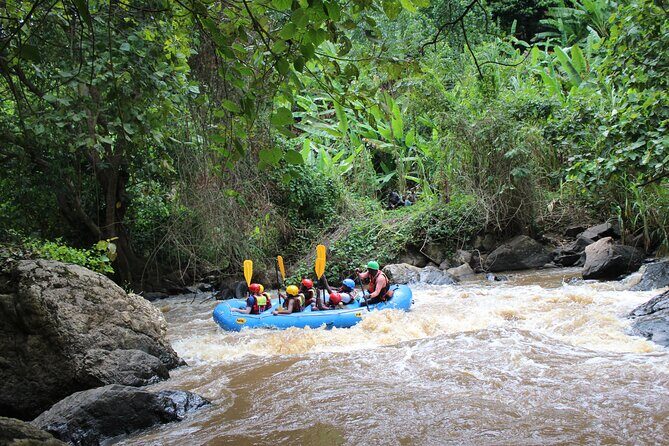
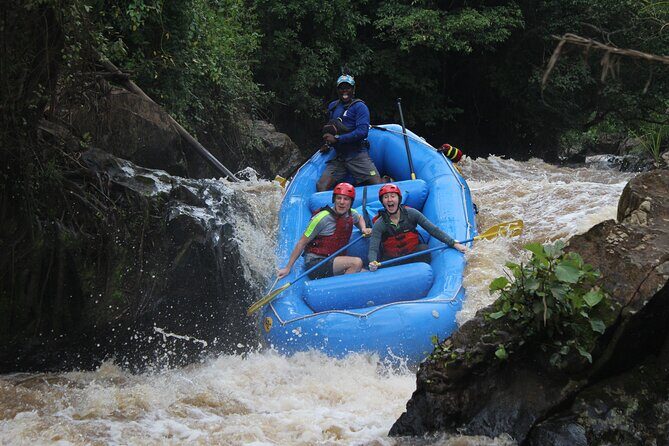
This is the part you remember after the itinerary is over: the feeling of rafting through thick jungle. You’re surrounded by green, and you’re close enough to hear the river’s energy change when the terrain shifts.
One reason this works so well is that you’re not staring at the water only. The description emphasizes tropical birds and other wildlife along the route. Even if you don’t spot everything, the canopy and the bird sounds create constant “look up” moments.
In multiple accounts, people draw comparisons to a jungle cruise, but with real current and real rapids. That’s a useful mental image. You’re guided through a moving wildlife corridor, and the jungle becomes part of the thrill rather than something you pass before the water gets interesting.
And because you cover about 25 km, you’re not doing a short burst and then sitting around. You get time for the scenery to build from “nice view” into “this feels like another world.”
Kayaking for families and a calmer option within the adventure
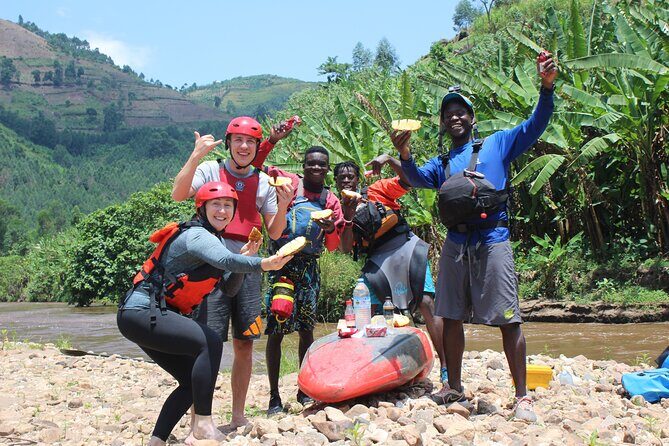
If you’re traveling with kids or you’re a group that includes mixed comfort levels, this matters. The trip notes that families are taken on a calmer section of the river, and it also mentions kayaking through the jungle.
So the day isn’t one-size-fits-all. The calmer route keeps the experience beautiful and fun without forcing every participant into the most intense water. If you’re unsure where you fit, this is one of the reasons to consider this operator instead of a generic rafting setup.
I’d think about it like this: you’re still getting the jungle, birds, and that on-water time. The difference is pacing and roughness. That can be the line between a great day for everyone and a day where the nervous ones are miserable.
Lunch on the river: what’s included and why it’s not just a break
You get a 20–30 minute lunch break on the water. It’s not the typical quick stop where everyone barely eats and then rushes back into chaos. Here, the timing suggests an actual pause so you can reset your energy between active sections.
Also, lunch is included. So are a snack and a drink at the end, and photos are part of the package. That combination sounds small, but it changes the day.
- You don’t have to scramble for food while the river is calling.
- You’re not trying to manage storage and electronics in the middle of rapids.
- The photo inclusion means you can focus on staying present instead of taking shots constantly.
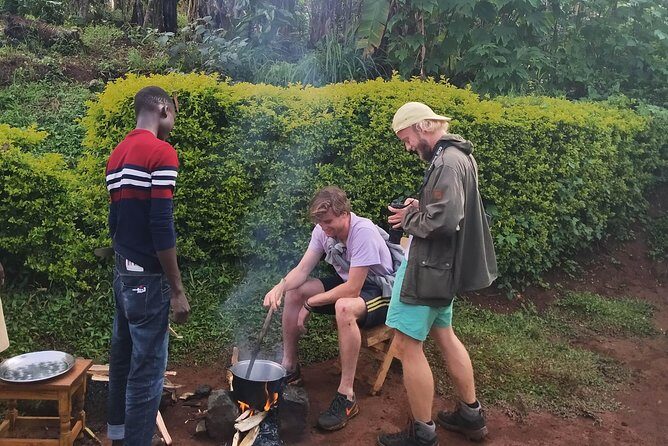
One detail that stood out from a team response: they emphasize their cooking, and someone specifically mentioned noticing it. Even if you’re the type who usually skips the included meal on tours, this is one of those days where the lunch being actually good (not just “something to eat”) makes sense.
The end-of-trip drink, photos, and the local community surprise
The experience doesn’t end when the last rapid hits. You’re dropped back in Rukungiri, so you can continue to your next destination or just enjoy the celebration drink.
That end drink is included, and at least one account highlights local gin as part of that finish. I can’t promise what each day serves, but the key point for you is that the operator treats the ending like a small ritual, not just a transfer.
Then there’s the extra: they’ll take you for a short surprise at the side of the river, prepared by the local community. The exact nature of the surprise isn’t spelled out, but the idea is clear. You’re not only consuming scenery; you’re getting a brief connection to the people who live with the river.
Price and value: why $150 can make sense for this kind of day
At $150 per person, this isn’t a budget activity. But it also isn’t just a two-hour ride with someone handing you a life jacket.
You’re paying for:
- about 4 hours on the water
- roughly 25 km covered
- class II–IV+ rafting (with an operator who manages that intensity)
- safety gear included
- a 20-minute safety briefing
- lunch on the river, plus a snack and an end drink
- photos included
- driving time from Rukungiri and back (about 45 minutes each way)
- a small-group setting (maximum 20 travelers)
When you break it down, the value comes from the “extras” that usually cost extra on other tours: gear, photos, and meals. In other words, you’re not paying only for the water time; you’re paying for the full management of a half-day adventure.
Also, if you’re already traveling in southern Uganda between places like Bwindi and Queen Elizabeth National Park, having an activity that fits neatly into a travel corridor can save you time. Time has a cost too.
Who should book this rafting day, and who might rethink it
This trip is a strong match if you want:
- real river time (about 4 hours)
- frequent action rather than a long calm stretch
- a jungle setting in West Uganda, not just any river outing
- a day that fits neatly into an itinerary between major wildlife experiences
- an operator that puts safety gear and instruction on the table up front
You might rethink booking if:
- you’re looking for a very relaxed, beginner-only paddle with zero harder sections
- you’re uncomfortable with moving water and quick commands from guides
- you’re traveling with someone who can’t handle a minimum age requirement (the minimum age is 10 years old)
The good news is that families can do a calmer section. So “not suitable” doesn’t have to mean “impossible.” It just means you should be honest about comfort level and listen closely.
Practical planning tips for your river day
Because you’ll be on the water for hours, your best prep is simple:
- Treat it like an active water day. The rapids range up to IV+, so expect movement and wet conditions.
- Plan your morning around the 9:00 am start in Rukungiri, with the 45-minute drives each way.
- Make room in your schedule afterward. You’ll return to Rukungiri after the activity, but the day is long enough that you’ll feel it if you stack another intense tour back-to-back.
- Since photos, lunch, and a snack/drink are included, you can travel a bit lighter than you would on a self-arranged rafting day.
If you’re building this around gorillas, chimp trekking, or safari logistics, I’d schedule rafting on the day that’s easiest for transport. It’s far more fun when you don’t feel like you’re rushing to make the next transfer.
Should you book Uganda Jungle Rafting with Sana Gorilla Rafting?
Yes, I’d book it if you want a high-adrenaline day that still feels distinctly Uganda. The Birira River run checks the boxes that matter: real rapids, a jungle setting, a professional safety process, and a complete package with lunch, photos, and an end drink.
Also, if you’re the type who loves doing one authentic “only-here” activity between big safari stops, this fits that role well. It’s not trying to replace your gorilla day. It complements it with a totally different kind of wild.
The only real reason to pass is if the idea of being on active rapids up to IV+ will stress you out instead of energize you. If that’s your situation, choose the calmer option your group can take and treat the jungle part as the main event.
If you want a memorable half-day in West Uganda that doesn’t feel like a cookie-cutter tourist ride, this is one of the better ways to spend it.
FAQ
Where is the rafting meeting point?
You meet in Rukungiri town (listed at 6W5F+GXR, Rukungiri, Uganda) and the trip ends back at the meeting point.
What time does the trip start?
The scheduled start time is 9:00 am.
How long is the full experience?
The duration is about 6 hours total, with about 4 hours on the water.
How far do you paddle?
You cover approximately 25 km during the rafting trip.
What kind of rapids will I face?
The river sections are rated class II to IV+.
What’s included in the price besides rafting?
All safety gear is included, plus a safety briefing, lunch, a snack, photos, and a drink at the end.
How long is the safety briefing?
The safety briefing lasts about 20 minutes before you go on the water.
Is lunch actually provided, and when?
Yes. There is a 20–30 minute lunch break on the water, and lunch is included.
What are the age limits?
The minimum age is 10 years old.
Can families do a calmer option?
Yes. Families are taken on a calmer section of the river, and the day also includes kayaking.
Is there a cancellation or refund option?
No. The experience is non-refundable and cannot be changed for any reason.
What’s the group size?
The tour/activity has a maximum of 20 travelers.