REVIEW · KAMPALA
13 Days Private tour to discover Uganda’s Best Safari
Book on Viator →Operated by Next trip safaris · Bookable on Viator
Big Five dreams meet real Ugandan roads. This 13-day private route stitches together the savanna game drives you picture, the chimp trek that feels hands-on, and the Nile water days that slow you down. I especially like the way the trip mixes classic wildlife viewing with primates and forest magic, and how your day-to-day rhythm includes both guided drives and proper boat time.
One thing to think about: this is an early-start, long-road kind of safari. Gorilla tracking time can’t be scheduled like a museum visit, and wildlife sightings depend on animals moving, not on your schedule.
In This Review
- Key Highlights to Look For
- Uganda’s Best Safari Route: Murchison to Bwindi to Lake Days
- Entebbe Arrival Day: A Soft Landing Before the Wild
- Murchison Falls National Park: Rhino Footsteps and Big Five Chances
- A note on expectations
- Morning Savanna Game Drive, Then the Nile’s 60-Meter Moment
- The Rift Valley Road to Kibale: Long Transit, Great Views
- Kibale Chimp Trek Day: The 2–6 Hour Reality
- What to keep in mind
- Queen Elizabeth National Park and Bigodi Wetland Sanctuary
- Kazinga Channel Boat Safari: Hippos and Birds Up Close
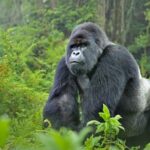
- Bwindi Impenetrable Forest: From Savanna to Gorilla Country
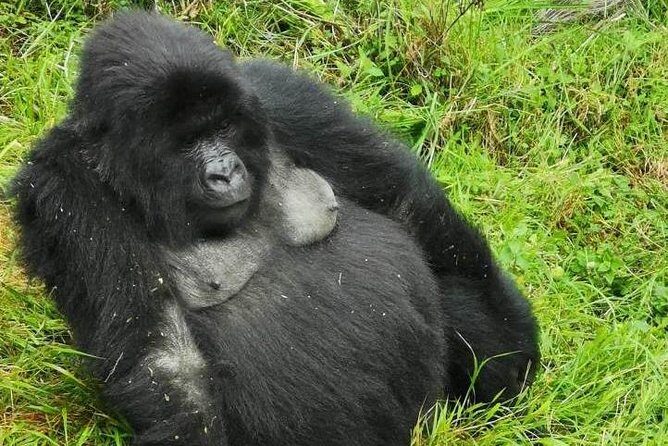
- Gorilla Tracking in Bwindi: 6:00 Breakfast, 8:00 Start, 1 Hour with Gorillas
- Lake Bunyonyi: A Needed Reset After Forest Intensity
- Lake Mburo National Park: Zebra Territory and Evening Game Drives
- Returning Toward Entebbe: The Green Equator Stop
- Price and Value: What $5,000 Per Person Buys You Here
- Should You Book This Uganda Safari?
- FAQ
- How long is the safari?
- Is this a private tour?
- Do you get pickup and help at the start?
- What meals are included?
- Are alcoholic beverages included?
- What time does gorilla tracking start in Bwindi?
Key Highlights to Look For
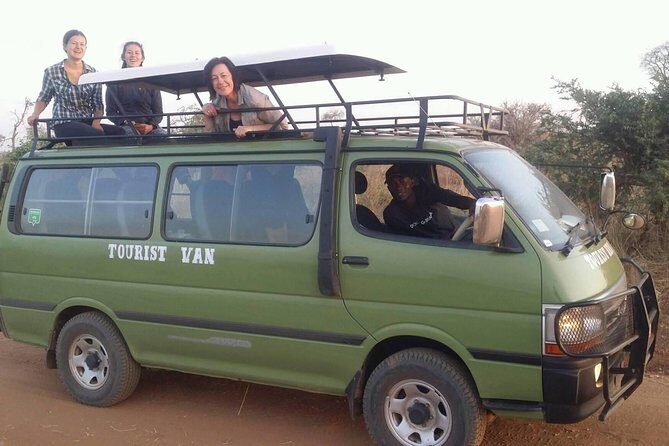
- A true private safari setup: only your group, with a guide who can keep the pace moving or slow down when you want photos and questions.
- Nile drama at Murchison Falls: a boat trip timed for the section where the Nile squeezes through a gorge and drops 60 meters.
- Kibale chimps plus 12 monkey species: you’re not just ticking a box, you’re walking through a primate hotspot for hours.
- Kazinga Channel hippo concentration: boat time on a 40-meter-wide channel with hundreds of hippos along the banks and lots of bird action.
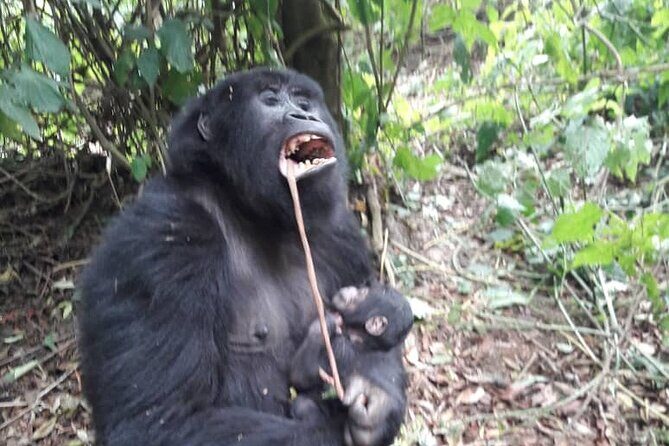
- Bwindi mountain gorillas in real forest conditions: briefing, then tracking at 8:00 a.m., with time that varies by gorilla movement and weather.
- Lakes as your decompression days: Lake Bunyonyi and Lake Mburo break up the intensity with slower-paced nature and light activities.
Uganda’s Best Safari Route: Murchison to Bwindi to Lake Days
If you want Uganda in one sweep, this route makes sense. You start in the north and north-east with savanna and big-river scenery, then work your way into the western animal corridor where primates and gorillas take center stage. The best part is the variety: plains, forest, wetlands, and lakes, all within a two-week rhythm.
You’ll also feel the value of having a driver-guide who treats the trip like more than a checklist. In the feedback for this safari, the standout theme is how well the guide explains what you’re seeing—especially birds and animal behavior—and how easy it is to ask questions when the day is full of stops and timing.
You can also read our reviews of more private tours in Kampala
Entebbe Arrival Day: A Soft Landing Before the Wild
Your safari begins in the Entebbe area after you land. A guide meets you at the airport and takes you to your accommodation, so you don’t waste time trying to figure out transport on day one.
If your arrival is early, you can keep the day light by relaxing at the hotel or checking out Entebbe attractions. This matters because the next days lean heavy on early mornings and long drives, so giving yourself a calm start pays off.
Murchison Falls National Park: Rhino Footsteps and Big Five Chances
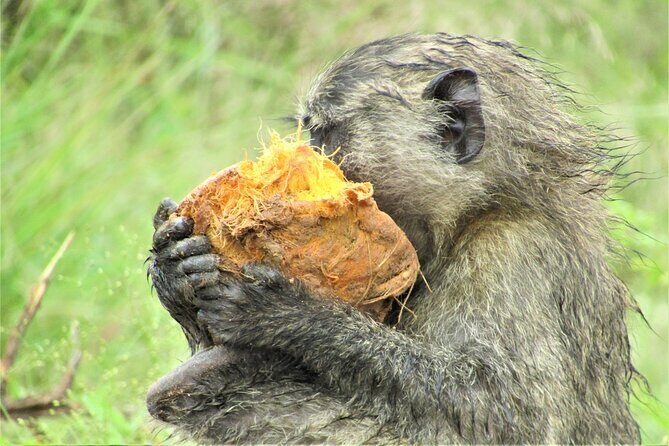
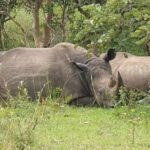
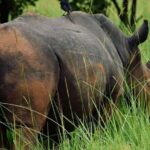
Day two puts you into the hunt zone for Uganda’s Big Five idea. On the way to Murchison Falls, you stop at Ziwa Rhino Sanctuary, where you track on foot the only remaining white rhino, up to date. That’s a rare-feeling start: instead of viewing from far away, you’re moving through the reserve on foot with a chance for up-close context.
Then you continue to Murchison Falls National Park for the next leg of the adventure. Even if you don’t love long drives, this day works because it sets expectations: you’re heading into a place where savanna animals, river power, and predator opportunities overlap.
A note on expectations
When a tour promises Big Five chances, it’s still nature. Lions and leopards are never guaranteed, and even elephant and buffalo sightings can swing based on movement and weather. What you can control is showing up early and being mentally flexible—which this itinerary supports well.
Morning Savanna Game Drive, Then the Nile’s 60-Meter Moment
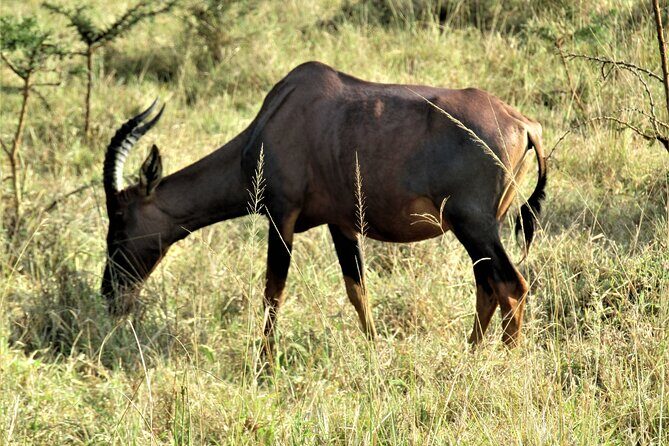
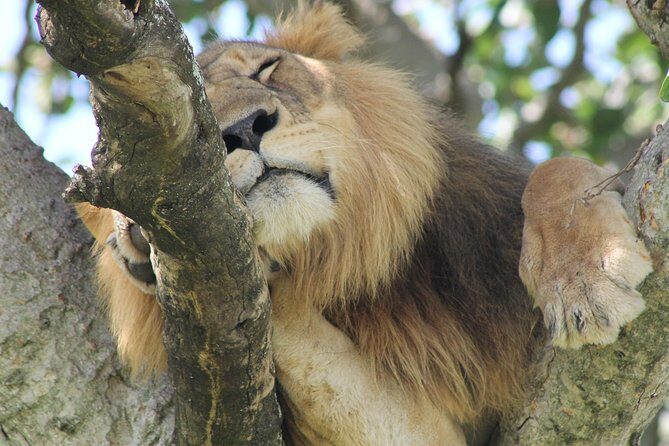
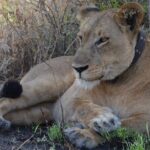
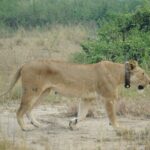
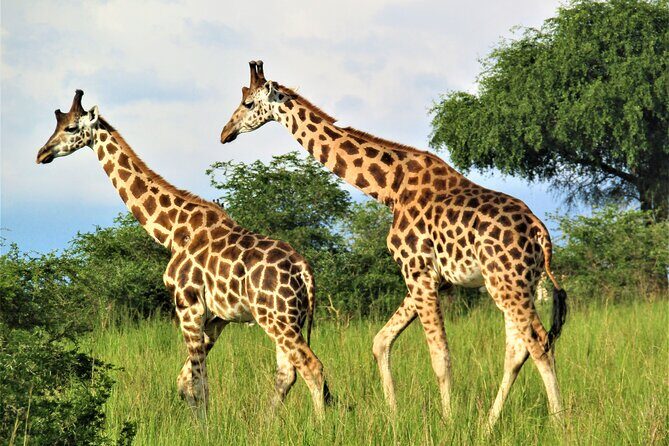
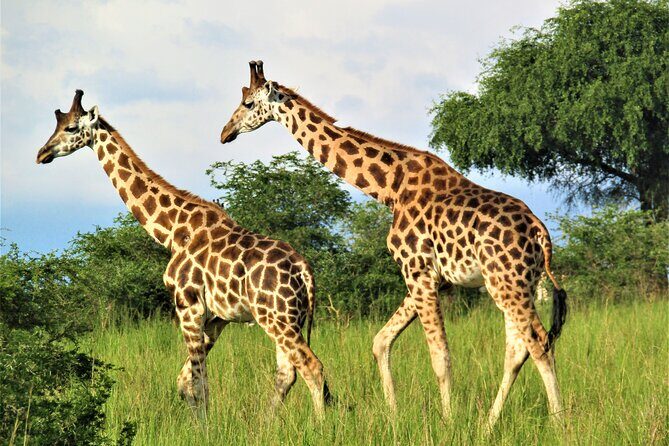
The next morning is set up for the classic safari rhythm: early breakfast, then a game drive across Murchison’s savanna grasslands. This is where you’re looking for giraffes, buffalos, antelopes, elephants, warthogs, hyenas—and with luck, lions and leopards.
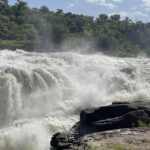
After lunch, you switch to the river side of the story with a launch trip on the Nile to the foot of Murchison Falls. The payoff is the dramatic section where the Nile is forced through a gorge and drops 60 meters. It’s not just scenery. It also gives you a better feel for why this area is so alive: water, cliffs, and forced flow shape animal movement and bird activity around the river.
A few more Kampala tours and experiences worth a look

The Rift Valley Road to Kibale: Long Transit, Great Views
Day four is a countryside road-trip day, and it’s one of those days that people either love or tolerate. You’ll travel from the Murchison area toward Fort Portal and then onward into Kibale Forest National Park.
The route follows the rift valley escarpment road, with views over Lake Albert to DR Congo and West Nile. You pass through towns like Biso, Hoima, Kenjojo, and Fort Portal, which gives you more than a hotel-to-park bubble. If you like seeing how the country connects—villages, roads, and the gradual change from open savanna to greener country—this day feels like the “how Uganda lives” layer of the trip.
Kibale Chimp Trek Day: The 2–6 Hour Reality
Kibale is where your safari gets personal. After a briefing at Kanyancha trailhead as early as 6:30, your chimpanzee tracking can take between 2 and 6 hours depending on how the chimps are moving that day. Once you locate them, you spend about an hour watching them in their natural habitat.
This is also a monkey-heavy day. You might spot red colobus, black-and-white colobus, grey-cheeked mangabey, olive baboon, red-tailed monkey, and L’Hoest’s monkey, plus different bird species. What I like here is that you’re building a larger picture of the forest community, not just chasing one animal.
What to keep in mind
Your pace is set by the chimps, not by the clock. If you’re the type who gets grumpy when plans change, bring patience. If you can roll with it, this becomes one of the best days of the entire safari.
Queen Elizabeth National Park and Bigodi Wetland Sanctuary
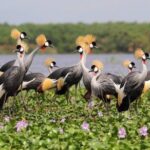
From Kibale, you head to Queen Elizabeth National Park, with the option of a stop at Bigodi Wetland Sanctuary for a nature walk. Bigodi is described as a birder’s paradise with around 138 species, plus eight primate species in the area.
The wetland is managed by the local community, and it’s known for black-and-white colobus, grey-cheeked mangabey, red-tailed, L’Hoest’s, and blue monkeys, along with olive baboons. You also might see bushbucks and mongooses.
Then you continue into Queen Elizabeth and set up for the next wildlife-heavy day. This is a good contrast: Bigodi feels intimate and grounded in community conservation, while Queen Elizabeth brings bigger savanna and river-lake ecosystems into view.
Kazinga Channel Boat Safari: Hippos and Birds Up Close
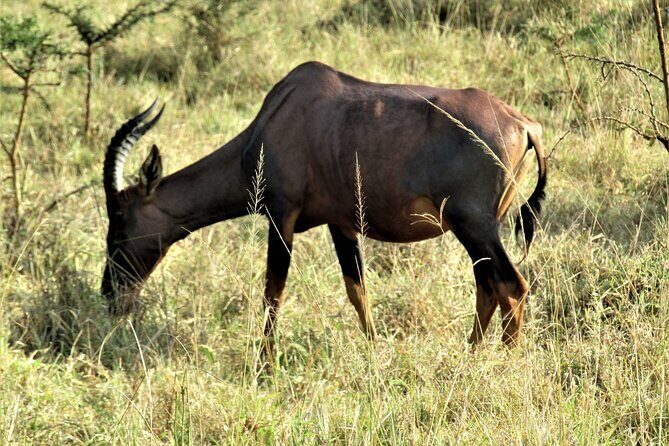
One of the most “wow” days comes after a morning look for predators around antelope gatherings. You head to the Uganda kobs mating grounds hoping to catch predator action—lions and other hunters often follow the rhythm of prey.
In the early afternoon, you shift to water with a boat safari along the Kazinga Channel. The channel is about 40 meters wide, and the key feature is the hippo presence: hundreds of hippos along the banks and a steady stream of birdlife as you cruise toward Lake Edward.
Even when you don’t see a dramatic predator moment in the morning, Kazinga can still deliver. Hippos are busy, birds are constant, and the channel view gives you a different kind of animal “reading” than a savanna drive.
Bwindi Impenetrable Forest: From Savanna to Gorilla Country
After Queen Elizabeth, the trip makes a big turn: you head southwest into Bwindi Impenetrable National Park. The shift is immediate in feel—open grasslands give way to thick forest.
Bwindi is sometimes described as a sea of forest. You’ll also hear how human activity has left forest areas more isolated than you’d expect, with Bwindi feeling like a forest island surrounded by other land uses. That contrast helps you understand why trekking matters here: animals and humans share space, and the gorilla habitat is protected but also sensitive.
After check-in, you get ready for the gorilla highlight. The forest quiet before the trek day can feel like a breather after road time, which is helpful because gorilla tracking demands energy.
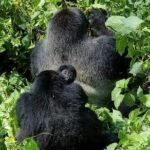
Gorilla Tracking in Bwindi: 6:00 Breakfast, 8:00 Start, 1 Hour with Gorillas
Gorilla day starts early. You wake around 6:00, have breakfast, and arrive at the trailhead in time for briefing. The briefing comes first, and the trek begins at 8:00 a.m.
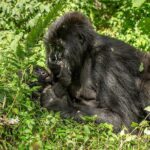
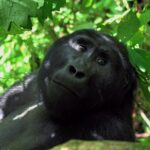
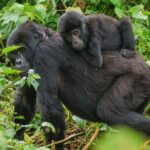
Once you locate the gorillas, you spend up to one hour watching them and learning from their behavior. The big point: your time in the forest can’t be predetermined. Weather, gorilla movement, and other factors decide the schedule.
This unpredictability is the trade-off for authenticity. You’re not walking a timed route. You’re entering the gorillas’ world as it is, and you come out with a calmer, more grounded understanding of wild behavior.
Lake Bunyonyi: A Needed Reset After Forest Intensity
After Bwindi, you head to Lake Bunyonyi for overnight. This is a calmer chapter. You’ll take a relaxed breakfast, then transfer to the lake.
Bunyonyi works well after gorilla trekking because it gives you time to breathe. The next day includes a boat ride and a visit to the Batwa, which adds cultural context alongside the scenery. Even though the tour stays wildlife-first, these lake and community moments prevent the trip from feeling like one long chase.
Lake Mburo National Park: Zebra Territory and Evening Game Drives
Then it’s on to Lake Mburo National Park. Mburo is known for zebras and impalas, and it’s one of two national parks in Uganda with zebras. It’s also noted as the only Ugandan park with impalas, which is a tidy way of saying it’s great if you want variety without needing the largest predators.
The itinerary style here includes both game drive options and a lake trip in the afternoon, plus an evening game drive. One practical perk: Lake Mburo has no elephants and lions (per the tour description). That makes walking safaris possible, and it also means your day planning can focus on smaller sightings and different animal rhythms.
If you love animals but also prefer less intense predator pressure, Mburo fits your taste.
Returning Toward Entebbe: The Green Equator Stop
For the last day, you drive through Lake Mburo area back toward Entebbe airport. There’s a stopover at the Green Equator on the Masaka Road, which is a nice last moment before you switch back to flights and schedules.
This final day is about keeping things smooth. After many days of early starts and long legs of travel, having a planned stop helps prevent the last day from feeling rushed and empty.
Price and Value: What $5,000 Per Person Buys You Here
$5,000 per person for a 13-day private safari is a serious chunk of change. The value depends on what you prioritize.
Here’s where the math feels fair:
- Private format: you’re not sharing guides or vehicles with strangers. That usually means fewer compromises on timing and more room to ask questions.
- Multiple major parks: Murchison Falls, Queen Elizabeth, Kibale, Bwindi, and two lake-area stops give you real route coverage instead of one region repeated.
- Big-ticket experiences: chimpanzee tracking, gorilla tracking, and river/Channel boat safaris aren’t casual add-ons. They require planning and park access.
- A guide with strong communication: feedback for this safari’s guiding team highlights an English-fluent guide named Hillary (spelled Hilary in one note), with humor, patience, and detailed animal and bird knowledge. When you’re paying this kind of money, the guide’s ability to interpret what you’re seeing becomes part of the product.
What could make it feel less like a deal:
- Long driving days: this isn’t a short-hop safari. If you hate transit, you’ll feel it.
- Wildlife uncertainty: you can get spectacular sightings, but you can’t force lions and leopards to appear on schedule. This itinerary helps by giving you multiple chances across savanna and forest.
If your goal is Uganda in one well-built route—rather than a single-park vacation—this price can make sense.
Should You Book This Uganda Safari?
I’d book this safari if you want a well-paced mix of savanna wildlife, primates, and gorillas, and you’re comfortable with early starts. It’s also a good match if you care about explanation, not just photos—guides on this route are repeatedly praised for strong knowledge and a friendly, helpful approach.
Skip it or reconsider if you’re expecting a relaxed “sleep in and see everything” style trip. The gorilla tracking timing can’t be fixed, and you’ll spend real hours on the road between major areas.
One more practical check before you commit: confirm what’s covered regarding park fees and gorilla/chimp permits, because the written tour notes show several days as admission ticket free, while the meal inclusions are clearly listed. With that clarified, this becomes a strong value play for a first-time or return Uganda visitor who wants the highlights without hopping in circles.
FAQ
How long is the safari?
It’s a 13-day, 12-night private safari, running approximately 13 days.
Is this a private tour?
Yes. It’s private, meaning only your group participates.
Do you get pickup and help at the start?
Yes. A guide is waiting for you at Entebbe Airport and will pick you up and transfer you to your accommodation.
What meals are included?
Breakfast, lunch, and dinner are included for 12 days.
Are alcoholic beverages included?
No. Alcoholic beverages are not included, and coffee and/or tea aren’t included either.
What time does gorilla tracking start in Bwindi?
You wake early, have breakfast, and then start with a briefing. Gorilla tracking begins at 8:00 a.m., after the 06:00 morning schedule and briefing time at the trailhead.
![Kampala boda boda tours [motorbike tours]. - Price and logistics: what $40 really buys (and what it doesn’t)](https://tour.uganda-guide.com/wp-content/uploads/kampala-boda-boda-tours-motorbike-tours.jpg)