REVIEW · KAMPALA
3 Days Kibale National Park Chimpanzee Tracking
Book on Viator →Operated by Trek Rwenzori Tours · Bookable on Viator
A short drive away from monkey calls, this trip strings together three real wildlife days. You’ll get a small-group feel, plus a proper chimpanzee tracking outing in Kibale, not just a drive-by. I also like that the price builds in the hard parts, like permits, transport, and meals, so you spend less time chasing logistics. One thing to consider: chimp time and walking time can stretch depending on where the animals are that day.
Daylight matters here, too. The schedule runs on early starts (around 7:00 am), and the experience needs good weather to operate smoothly. Still, if you want western Uganda in a tight window, this is a well-packed way to do it, with a maximum group size of 14.
In This Review
- Key things that make this tour work
- Lake Nkuruba Nature Reserve: Crater Lakes, Colobus, and Bird-Spotting
- Kibale National Park Chimpanzee Tracking and Wetland Walks
- Amabere Caves Morning Hike and the Princess Legend
- Small-Group Touring with Trek Rwenzori Tours: What It Means for Your Pace
- Price and Inclusions: Where Your $1,169.24 Gets You Value
- What to Pack (and What to Expect) for Chimpanzee Day
- How Long Each Day Really Feels
- Who This Trip Suits Best (and Who Might Want More Time)
- Should You Book This 3-Day Kibale Chimp Tour?
- FAQ
- What time does the tour start?
- How long is the trip?
- How big is the group?
- What’s included in the price?
- Do I need to pay for the chimpanzee permit separately?
- How long is chimpanzee tracking?
- How long is the Lake Nkuruba Nature Reserve visit?
- What happens at Amabere Caves?
- Is cancellation allowed if weather is bad?
Key things that make this tour work
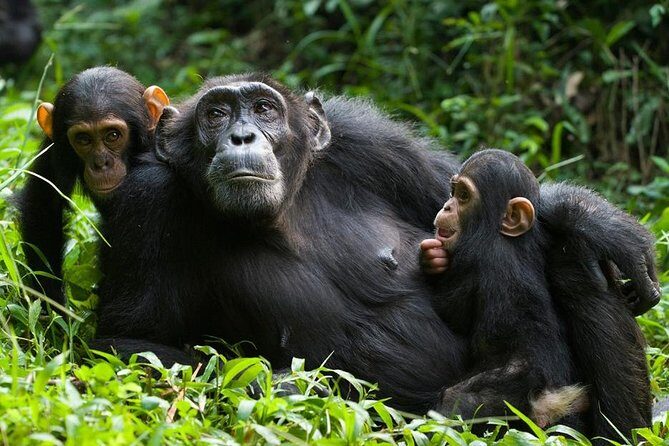
- Chimpanzee permit included so you don’t have to scramble for access
- Small-group size (max 14) which keeps the day feeling more personal
- Lake Nkuruba Nature Reserve for crater-lake scenery and primate variety before Kibale
- A wetland sanctuary nature walk after tracking so the day isn’t just one big event
- Amabere Caves hike with a local legend plus crater views at the top
- Meals and transfers included, including WiFi on board and bottled water
Lake Nkuruba Nature Reserve: Crater Lakes, Colobus, and Bird-Spotting
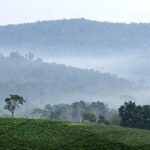
Your trip kicks off with a focus on “Uganda in miniature,” meaning you get a taste of what makes western Uganda special without jumping straight into the busiest wildlife day. You’ll head to Fort Portal, then spend about three hours exploring Lake Nkuruba Nature Reserve and the crater lakes nearby.
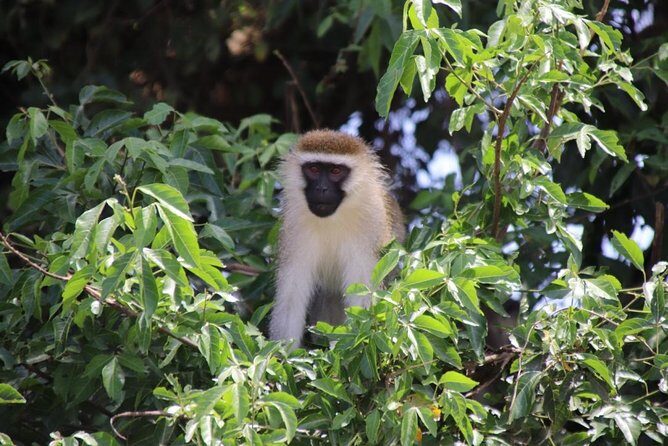
What I like about this stop is the mix. It’s not only about scenic water and viewpoints. You also get real wildlife chances right there in the reserve. The primates you may see include black-and-white colobus monkeys, red-tailed monkeys, and vervet monkeys, plus different bird species. That variety matters because it keeps the time feeling active even if you’re not seeing everything at once.
A practical note: nature reserve walks can be slow and stop-and-go, because guides are watching the canopy and listening for movement. If you’re the type who needs constant action, this could feel “gentler.” But if you enjoy noticing birds and primates and letting the forest set the pace, Nkuruba is a great warm-up for Kibale.
Also, this is one of the best ways to adjust to the region. Fort Portal is a common base, and getting your bearings on a crater-lake reserve the first day helps you feel steadier before chimp tracking.
A few more Kampala tours and experiences worth a look
Kibale National Park Chimpanzee Tracking and Wetland Walks
Kibale is the headline, and the day is built around doing it properly. You’ll leave early after breakfast, get transferred toward Kibale Forest National Park, and head through an UWA briefing point before you move to the chimpanzee starting area.
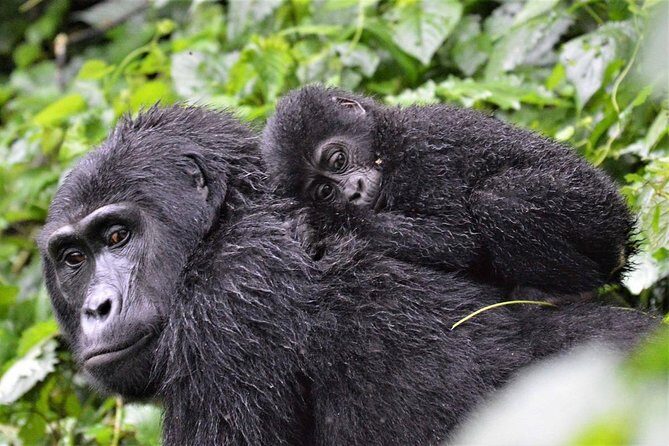
Chimp tracking is usually the part you plan the most carefully, and this tour handles the basics that often trip people up. Since your chimp permit is included, you’re not left wondering about entry access or how permits work. The activity can take about 3 to 5 hours, depending on where the chimpanzees are that day.
Here’s what to know in plain terms: chimp tracking isn’t “go find them and instantly see them.” It’s a hike in forest terrain where your guide is managing time, distance, and positioning. Some days you might be close early; other days you might walk more and wait a bit. That variability is normal. The tour’s timing already anticipates that reality by giving you a broad window.
After tracking, you’ll eat lunch, then the day continues with a nature walk in a wetland sanctuary. This is a smart move for your overall experience. If your day is only chimp tracking, it can feel like a single intense event and nothing else. Adding the wetland walk gives you a different “channel” of wildlife viewing—birds, swampy-edge plants, and a landscape-level feel (yes, the terrain matters here even though the word gets overused).
Finally, you’ll be transferred back to your hotel, so you’re not stuck finding transport after a long day in the forest.
Amabere Caves Morning Hike and the Princess Legend
On day three, you swap the forest for caves and crater views. After breakfast, you’ll head to Amabere Caves early and get a legend about a princess, then set off on a hike toward the crater point.
The whole experience is about three hours, and it’s structured so you’re not rushing. You’ll get the story first, then the walk, then the payoff: from one point, you should see three craters.
Why I think this stop is worth it in a tight three-day safari: it adds variety without turning the schedule into chaos. Kibale is about patience and forest movement. Amabere is about a morning hike and a viewpoint moment that feels different from chimp tracking.
One consideration: caves and hikes can be more tiring than you expect, especially after two earlier wildlife days. If you’re someone who feels wiped out by walking on uneven ground, take it slow, drink water, and let the guide set the pace.
Small-Group Touring with Trek Rwenzori Tours: What It Means for Your Pace
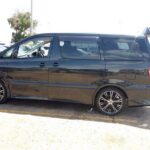
This experience runs with private transportation and a maximum group size of 14. That may sound like a small detail, but it affects the whole rhythm of your trip. With a larger crowd, you often get a “line up, wait, move” pace. With a smaller group, you tend to move more smoothly and get more attention from your guide during key moments like the UWA briefing and chimp positioning.
I also like that the provider emphasizes organization beyond just showing up at the gate. In past experiences with Trek Rwenzori Tours, guides such as Emmanuel have been described as prompt and helpful, and there’s a pattern of making sure people get where they need to go next—so you spend less energy on awkward handoffs.
You may also see staff mentioned such as Babu alongside Emmanuel in other trip contexts. The broader point for you: the service model is guide-led, not a faceless bus company. For a three-day trip where you can’t afford delays, that kind of coordination matters.
Price and Inclusions: Where Your $1,169.24 Gets You Value
At $1,169.24 per person for three days, the big question is what you’re really paying for. Here’s the practical breakdown based on what’s included:
- Private transportation across all stops
- Chimpanzee permit (this is a major cost driver for any Kibale chimp trip)
- Bottled water
- WiFi on board
- Meals built into the schedule: two breakfasts, three lunches, and two dinners
- Admission tickets for activities such as Lake Nkuruba Nature Reserve and Amabere Caves
- Chimp ticket is covered through the chimp permit included line
That combination is valuable because it reduces the number of separate payments you’d have to track in Uganda. Chimp permits alone often push budgets quickly, so having that included changes the math.
What isn’t included is also clear: tips and visas, and drinks and beverages. If you know you’ll buy water, soft drinks, or beer in the evenings, budget a bit extra so you’re not surprised at checkout.
If you’re traveling as a couple or solo and want less friction, this pricing makes sense because it’s not only access. It also covers the time cost of moving between sites with the right local coordination.


What to Pack (and What to Expect) for Chimpanzee Day
Your chimp tracking day will be the most physically demanding. You’ll likely be on your feet for hours, with forest walking and waiting time. Wet weather can make footing more slippery, and the tour notes that it requires good weather.
Pack like you’re doing a real walk, not a casual stroll. Bring:
- Comfortable closed shoes with grip
- A light rain layer or waterproof shell
- A small day bag and a way to keep your phone protected
- Sunglasses and a hat if it’s clear
- Any personal medication you need, because the day is timed around wildlife and permits
Even though the tour provides bottled water, don’t assume you’ll be able to top up everywhere on schedule. Drink early, don’t wait until you feel thirsty.
Also, mentally prepare for the “chimp reality.” You can’t speed up animal behavior. Your guide’s job is finding your best viewing window within the rules of tracking, and your job is staying patient and comfortable while you’re waiting.
How Long Each Day Really Feels
The time windows help you plan your expectations:
- Day one (Lake Nkuruba): about three hours
- Day two (Kibale chimp + wetland walk): about five hours total for the main activities
- Day three (Amabere Caves): about three hours
Even if each day has a set block, you should expect travel time around it—getting from start to briefing points, walking into reserves, and moving back to your hotel afterward. With early starts (around 7:00 am), it’s worth treating these days like a full program, not a quick outing you squeeze between other plans.
Who This Trip Suits Best (and Who Might Want More Time)
This tour fits best if you:
- Want three western Uganda wildlife highlights in a short stay
- Prefer small-group structure and a guide-run plan
- Care most about chimpanzee tracking quality over building a complicated route
- Like mixing primates with different scenery (crater lakes, forest, caves)
It may be less ideal if you:
- Want a slow travel pace with lots of free time to wander independently
- Get frustrated by variable wildlife timing (chimp tracking can stretch)
- Are looking for a deep cultural immersion day by day (this focuses on nature and wildlife)
If you only have a few days in Uganda and want a meaningful slice of the region, this is a strong match.
Should You Book This 3-Day Kibale Chimp Tour?
I’d book it if your priority list looks like this: chimpanzees, crater-lake nature, and Amabere Cave views, all handled with transport and permits included. The small-group size and the way meals are built in lower your day-to-day stress, which is exactly what you want when you’re moving early and walking more than you think.
I’d pause before booking if you’re set on a very flexible schedule or if you dislike any possibility of weather impacts, since the tour depends on good conditions to run smoothly.
If you’re ready for an efficient wildlife sprint with real access to Kibale chimpanzees, this one is a practical way to get it done.
FAQ
What time does the tour start?
The experience starts at 7:00 am.
How long is the trip?
It lasts 3 days (approx.).
How big is the group?
The tour has a maximum of 14 travelers.
What’s included in the price?
Included items are private transportation, chimpanzee permit, bottled water, WiFi on board, and meals: two breakfasts, three lunches, and two dinners.
Do I need to pay for the chimpanzee permit separately?
No. The chimpanzee permit is included.
How long is chimpanzee tracking?
Chimpanzee tracking takes about 3 to 5 hours, depending on where the chimpanzees are.
How long is the Lake Nkuruba Nature Reserve visit?
You’ll spend about 3 hours at Lake Nkuruba Nature Reserve.
What happens at Amabere Caves?
You’ll get a legend about the princess, then hike to a crater viewpoint where you can see three craters. The stop is about 3 hours.
Is cancellation allowed if weather is bad?
Yes. The tour requires good weather. If it’s canceled due to poor weather, you’ll be offered a different date or a full refund. You can also cancel up to 24 hours in advance for a full refund.