REVIEW · KAMPALA
12-Day Big 5, Chimp & Gorilla Trekking Safari
Book on Viator →Operated by Exclusive Gorilla Vacations · Bookable on Viator
A Big Five tour with chimp and gorillas in one trip sounds wild. It’s exactly the mix that makes this Uganda circuit work: Murchison Falls for wide-open wildlife, Kibale for chimps, and Bwindi for gorillas, all tied together with smart pacing between forests and savanna. I also like the way the route keeps adding variety, from Nile boat cruises to salt-lake scenery and the rare shoebill hunt at Mabamba.
Two things I’d put at the top: you get serious primate time (chimps in Kibale and gorilla tracking in Bwindi), and you also get multiple wildlife “big moments” that feel genuinely different—game drives plus boat safaris, not just one or the other. One drawback to plan for: the gorilla trek can run from about 45 minutes up to 6 hours depending on where the family is, so this isn’t a laid-back stroll day.
In This Review
- Key highlights before you go
- Kampala first: markets, tombs, mosques, and getting your bearings
- Ziwa Rhino Sanctuary to Murchison Falls: a strong Big Five start
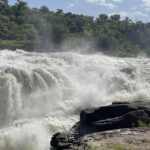
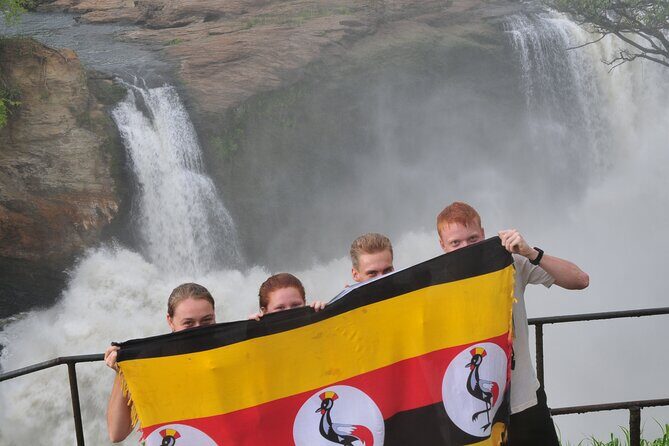
- Murchison Falls at dawn: game drive magic plus the Nile boat cruise
- Kibale National Park and Bigodi: chimp tracking plus real forest variety
- Queen Elizabeth National Park: salt lake science, Kasenyi plains, and Kazinga Channel
- Ishasha sector for the tree-climbing lions idea, then onward to Bwindi
- Bwindi gorilla tracking: what to wear and what to expect in the forest
- Lake Bunyonyi area: calm water and the story behind Akampene
- Lake Mburo nature walk, then Jinja’s equator stop and bungee energy
- Mabamba Swamp shoebill hunt: your birding closer in Uganda
- Price and value: why $4,300 can make sense for this Uganda circuit
- The biggest practical considerations before you commit
- Who should book this safari (and who might rethink the pace)
- Should you book this 12-Day Big 5, Chimp & Gorilla Trekking Safari?
- FAQ
- Where does this safari start?
- What are the main primate experiences on the trip?
- How long is the safari?
- What wildlife activities are included besides primates?
- How big is the group?
- Can I cancel for a full refund?
Key highlights before you go
- Big Five-style variety in Murchison Falls, including game drive and a 3-hour Nile boat cruise
- Chimpanzee tracking in Kibale, with an expert briefing and a long chunk of forest time
- Bwindi gorilla tracking, with a pre-trek safety briefing and an hour watching the family
- Queen Elizabeth with Katwe Salt Lake + Kasenyi plains, then the Kazinga Channel boat safari
- Ishasha sector for the tree-climbing lions idea, plus a smooth transfer toward Bwindi
- Mabamba Swamp shoebill searching, from Nakiwoggo Landing Site by small boat
Kampala first: markets, tombs, mosques, and getting your bearings
Your safari starts with pickup at Entebbe Airport and a drive into Kampala. The first day is mostly about orientation—not more driving than necessary, just enough to shake off travel time and understand the country you just landed in.
You’ll visit Kasubi Tombs, an important Buganda royal burial site, then head to Kabaka’s Palace for Uganda’s royal history. After that, you’ll check out Buganda Parliament and then the Gaddafi National Mosque, where climbing the minaret gives you a sweep of the city. If you like to understand daily life fast, Owino and Nakasero markets are a great reality check on what people actually do each day.
If you’re sensitive to crowds or noise, Kampala can feel intense. But that’s also why it works as day one: you get culture and city views early, then the itinerary shifts into quieter, wilder places.
You can also read our reviews of more hiking tours in Kampala

Ziwa Rhino Sanctuary to Murchison Falls: a strong Big Five start
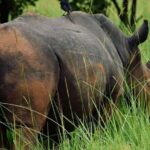
The route to Murchison Falls doesn’t waste time. Before you even reach the big park, you stop at Ziwa Rhino Sanctuary to track endangered southern white rhinos—a real conservation success story with the rhinos in the wild.
This is a smart move for your “Uganda Big Five” goal. It gives you a chance to see one of the most iconic animals before you move into Murchison, where the rest of the wildlife picture expands fast. It’s also a meaningful way to start, because Ziwa focuses on reintroduction and breeding efforts tied to what rhinos were in the region before they were wiped out in the 1980s.
Then you roll into Murchison Falls National Park and set up for the wildlife-heavy days ahead. Expect big changes in scenery and atmosphere: fewer city cues, more open sky and long distances.
Murchison Falls at dawn: game drive magic plus the Nile boat cruise
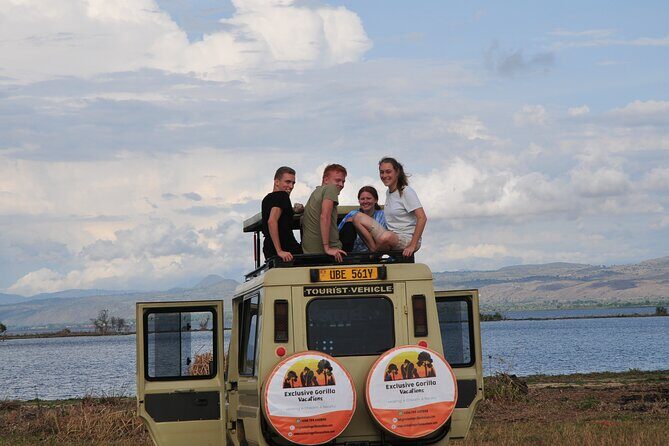
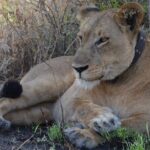
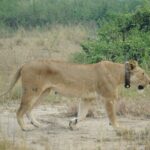
If you want the best odds for predators, mornings are the key. One day starts around 6 am with coffee and a snack, then you go out on a game drive during the calm early hours. This is when you have good chances for lions, leopards, and hyenas before the heat pushes many animals back.
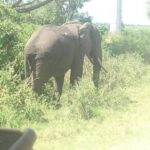
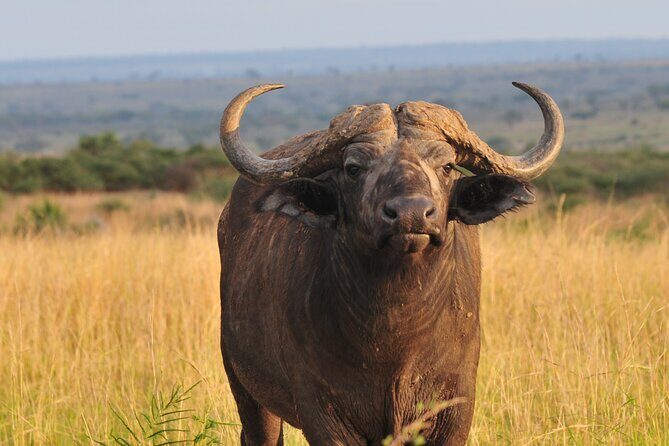
The landscape becomes a wildlife buffet: you’re on the lookout for giraffes, buffaloes, antelopes, and hippos, with Nubian giraffes mentioned as a park highlight. Your guide adds context along the way, which matters—animals are easier to spot when you understand what to watch for and why.
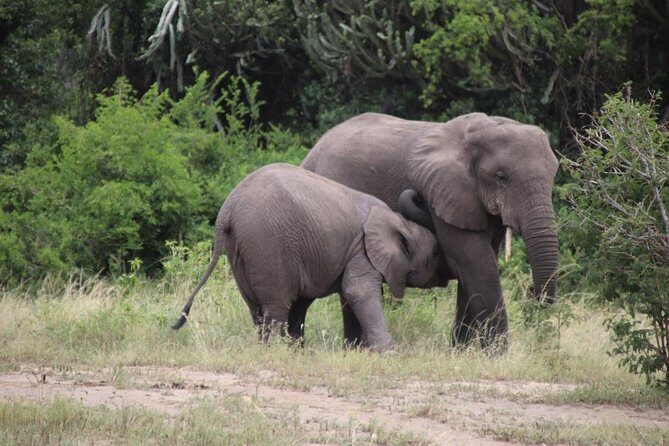
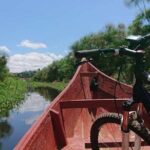
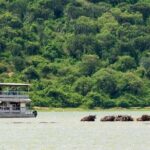
Later, you trade dust for water with a 3-hour Nile River boat cruise. This part of the safari is great because it changes your rhythm. You’re watching crocodiles and hippos close to shore, scanning aquatic birds, and keeping an eye out for elephants and buffaloes along the riverbanks. If you like photography, this is one of your best “angles” days because the water forces low, dramatic viewpoints.
Kibale National Park and Bigodi: chimp tracking plus real forest variety
Next comes Kibale National Park, often called the world’s primate capital. You’ll drive through scenic parts of the region, including viewpoints like the Butiaba Escarpment over Lake Albert and the Eastern arm of the Great East African Rift Valley. You’ll also pass tea plantations around Fort Portal, which gives you that rolling, human-shaped landscape before the real wilderness takes over.
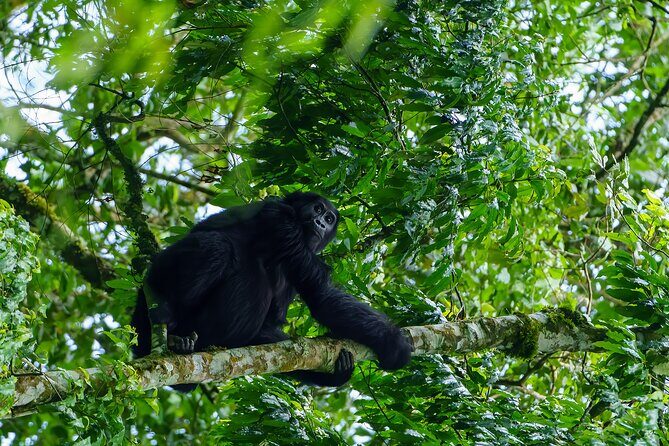
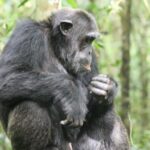
Kibale is also where the chimp part becomes the star. After you reach your lodge area, the next morning you get a briefing at the park headquarters before trekking. Then you head into the forest with an expert guide to look for chimpanzees plus other primates like black and white colobus monkeys, mangabeys, L’hoest monkeys, and more.
One of the most valuable parts here is time spent observing actual behavior. You’re looking for playful interactions and feeding habits, not just quick glimpses. The forest also puts on a bird show: mentions include African broadbill and Ross’ turaco, plus butterflies and unique plants you may spot along the route.
In the afternoon, you shift to Bigodi Wetland Sanctuary. That’s a strong contrast to the chimp trek because it’s more about wetlands, birds, and community. A community walk in Bigodi adds another layer of authenticity and helps you see the local side of conservation in action.
Queen Elizabeth National Park: salt lake science, Kasenyi plains, and Kazinga Channel
Queen Elizabeth National Park brings you back to classic safari variety: wildlife, birds, and dramatic scenery from very different ecosystems. You’ll start with Katwe Wildlife Sanctuary and Katwe Salt Lake, including a look at the salt extraction process—traditional and past industrial methods are part of what you’ll learn.
This day also includes Lake Munyanyange, described as home to over 40 bird species. Flamingos, geese, gulls, and terns are specifically mentioned. If you think of safari as mostly mammals, this is the reminder that birds can be a whole experience on their own.
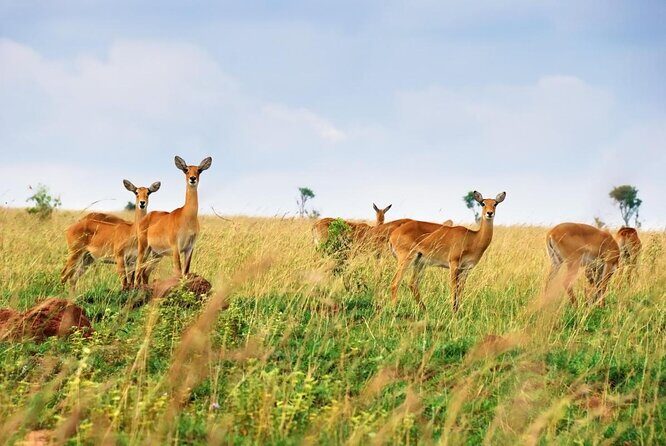
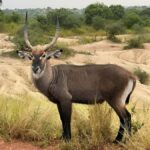
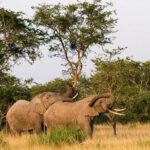
After that, the Kasenyi plains evening game drive is where large animals start showing up in a steady pattern. Elephants, buffaloes, kobs, warthogs, and waterbucks are on your watch list, with a chance to spot predators like lions and leopards. The park’s rhythm is built around repeated sightings—long enough for you to learn patterns without feeling like you’re in a rush.
Then you get the Kazinga Channel boat safari. This is a high-density animal setting: hippos, Nile crocodiles, and lots of birdlife along the shore. The channel is also where you’ll often feel like the day is happening on two levels—animals on land and animals in the water—so your eyes stay busy the whole time.
A few more Kampala tours and experiences worth a look
Ishasha sector for the tree-climbing lions idea, then onward to Bwindi
From Queen Elizabeth you move into the Ishasha sector. This is where the itinerary gives you a shot at one of Uganda’s most talked-about sights: lions that climb into trees. Not every sighting is guaranteed, but the terrain and habitat make it a realistic target, and it’s a great way to break up the safari before Bwindi.
The day is structured around an early game drive across the plains, then a boat safari on Kazinga Channel. That combination works because it prevents the itinerary from feeling repetitive. You’re learning how animals use space differently—open savanna versus the channel edge.
Later you travel toward Bwindi impenetrable national park by evening. This transfer matters because you’re trading savanna light for forest light. If you’ve been loving the open-sky wildlife, Bwindi can feel like a new world entirely.
Bwindi gorilla tracking: what to wear and what to expect in the forest
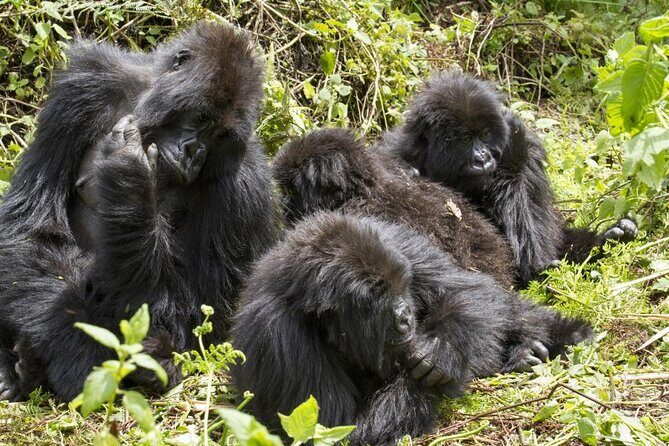
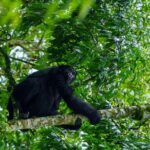
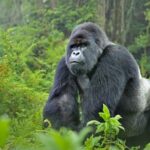
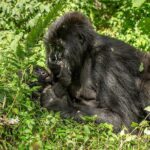
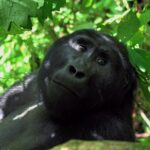
Bwindi gorilla trekking is the main event. You’ll rise early, pack a lunch, and attend a pre-trek briefing covering safety and gorilla etiquette. You’ll trek with a small group plus an experienced guide and armed rangers—so while it’s wild, it’s also run with structure.
Trail time depends on where the gorilla family is. The trek can be as short as about 45 minutes or as long as up to 6 hours. That range is the big consideration for your planning: wear long trousers and a long-sleeved shirt, plus waterproof shoes, a jacket, hat, and gloves. The forest weather can shift quickly, and those items help you stay comfortable and protect your legs.
Once you locate the gorillas, you get one hour to observe them. That’s long enough to watch small behavior changes—who moves, who feeds, how the silverback holds attention for the group. You may also see forest elephants and unique birds along the way, which means the trek isn’t only about the final moment.
This is also the day where your guide’s forest reading really matters. The better you understand the trail and the pacing rules, the smoother the experience feels.
Lake Bunyonyi area: calm water and the story behind Akampene
After gorillas, the schedule turns quieter—thankfully. You head toward the Lake Bunyonyi area for a morning boat cruise exploring its islands. Akampene is part of what you’ll visit, described as Punishment Island with Kiga people history tied to what happened to unmarried pregnant girls.
The boat ride is private and motorized, guided by someone who shares the background as you move around the islands. This isn’t just a sightseeing pause; it’s your decompression day after a physically and mentally intense forest trek.
Even if you’re not into history, the setting helps. Water safari energy is different from game drive energy, and you’ll likely appreciate that slower pace after Bwindi.
Lake Mburo nature walk, then Jinja’s equator stop and bungee energy
The itinerary then brings you to Lake Mburo National Park for a nature walk. This is a change of pace from vehicle safari and boat cruising. Instead of scanning from above, you’re moving on foot and looking for wildlife while you walk through the scenery.
After that, you travel toward Jinja. This is where the trip adds adrenaline: the plan includes bungee jumping experience in Jinja. If you’re not a thrill-seeker, the rest of the day still includes meaningful stops, so you won’t just be stuck waiting around.
On the way, you stop at the equator monument for a water experiment that demonstrates the hemispheres and the Coriolis effect. It’s one of those moments that feels like a break from pure wildlife travel and a quick reminder that Uganda sits in a scientifically interesting place.
By the end of the day, you return to Entebbe.
Mabamba Swamp shoebill hunt: your birding closer in Uganda
Your final morning is dedicated to Mabamba Swamp for shoebill bird watching. You’ll head to Nakiwoggo Landing Site and take a small boat ride on Lake Victoria’s edge to search for the shoebill stork.
This is an IBA (Important Birding Area), and the plan doesn’t only chase one species. While looking for the shoebill, you’ll also watch for weaver birds, herons, egrets, pelicans, cormorants, and jackanas. For bird lovers, that makes the time feel worth it even if sightings take patience.
It’s also a nice way to end: the final day keeps you in nature, but it’s lighter than gorilla trekking. After lunch, you’re set for your flight home, with the safari finishing at Entebbe.
Price and value: why $4,300 can make sense for this Uganda circuit
At $4,300 per person, this is not a budget safari. The value comes from the way it stacks three “anchor experiences” that are hard to combine well: chimp tracking (Kibale), gorilla tracking (Bwindi), and multiple wildlife days (Murchison Falls and Queen Elizabeth).
You’re paying for time, logistics, and park-to-park movement across Uganda’s different ecosystems. You’re also getting multiple ways of seeing animals: land game drives and boat cruises on both the Nile and channels/lakes. That mix usually creates more total sightings and better photo angles than a one-mode safari.
Finally, the pricing makes more sense when you consider group size. With a maximum of 15 travelers, the experience can feel more personal than big-bus tours. That’s a real factor when you want guides to manage spacing during primate tracking days.
The biggest practical considerations before you commit
This trip is set up for people who like early starts and packed days, especially around primates and wildlife. You’re going to spend time on roads connecting parks, then switch quickly between forest and savanna environments.
The two days to take seriously are chimp trekking and gorilla tracking. Gorilla trekking can be up to 6 hours depending on the family, and forest conditions can be wet. Bring the clothing items you’re told to bring, not just the ones that sound comfy at home.
There’s also an adrenaline moment in Jinja with bungee jumping. If that’s a hard no for you, clarify how the day can work for your comfort level when you book.
Who should book this safari (and who might rethink the pace)
This safari fits you if you want a one-trip highlight reel: primates and wildlife, plus birds and quiet decompression time after gorillas. It’s also a good match if you like structure—briefings, rangers, clear pacing—because that helps a big itinerary feel less chaotic.
You might consider a different trip if you want a slow, relaxed vacation with fewer long drives and fewer physically demanding moments. This program is built to maximize Uganda’s major wildlife zones in about 12 days.
Should you book this 12-Day Big 5, Chimp & Gorilla Trekking Safari?
I’d say yes if your priorities are chimpanzees in Kibale, gorillas in Bwindi, and a strong wildlife finish with shoebills in Mabamba. The itinerary also looks like it’s designed for variety: game drives, Nile and channel cruises, salt lake learning, and a decompression boat day after primates.
If you’re the type who cares about guidance quality, aim to book a date where your guide experience is strong. The name Hamza comes up in customer praise for planning, attention, and wildlife know-how, and that kind of guiding can make the difference between seeing animals and really understanding what you’re looking at.
If you’re good with early mornings and you can handle a forest trek day, this is a compelling way to cover Uganda’s best wildlife and primate experiences without turning your trip into a series of half-days.
FAQ
Where does this safari start?
It starts with pickup from Entebbe International Airport.
What are the main primate experiences on the trip?
You’ll do chimpanzee tracking in Kibale National Park and gorilla trekking in Bwindi Impenetrable National Park.
How long is the safari?
The duration is 12 days (approximately).
What wildlife activities are included besides primates?
You’ll have game drives in Murchison Falls National Park and Queen Elizabeth National Park, plus Nile and other boat cruises for hippos, crocodiles, and birds.
How big is the group?
This tour/activity has a maximum of 15 travelers.
Can I cancel for a full refund?
Yes. You can cancel up to 24 hours in advance for a full refund. If you cancel less than 24 hours before the start time, the amount paid won’t be refunded.