REVIEW · KAMPALA
Kampala Urban Adventure – Walking Tour
Book on Viator →Operated by Food Tours and Adventures of Uganda · Bookable on Viator
3km and you suddenly understand Kampala. This walking tour is built for people who want real city energy—the kind you feel in the queues, the shouting, the tight turns, and the life around Owino Market. The route stays short on distance (about 2 miles), but it’s long on atmosphere and street-level context.
Two highlights I’d bet on: the Central Mosque of Kampala stop for a calm, meaningful contrast to the street chaos, and the chance to see how Kampala’s daily transport runs at Kampala Old Taxi Park. A name that comes up in the guide experience is Kennedy, and that matters here because you’re walking through places that can be hard to navigate on your own.
Here’s the main drawback to weigh: this is not a walk for timid days. Expect crowded sidewalks, squeeze points between cars, and a real possibility of bumping and push-through crowds, plus pickpocket risk in busy areas—so you’ll need to travel light.
In This Review
- Key Things That Make This Kampala Walking Tour Worth It
- Why Kampala Feels Different When You Walk It
- Price and Logistics: What You Pay for and Why It’s Reasonable
- The Walking Reality: Crowds, Tight Streets, and Smart Packing
- Stop 1: Mosque Close and the Central Mosque of Kampala
- Stop 2: Owino Market and Kampala’s Market Machinery
- Stop 3: Kampala Old Taxi Park and the Pulse of Movement
- Time on the Clock: What “3 to 6 Hours” Really Means
- Why a Local Guide Changes the Whole Experience (Kennedy’s Role)
- Snacks, Tickets, and What’s Included (and Not)
- Where This Tour Fits Best (and Who Might Love It)
- Should You Book Kampala Urban Adventure?
- FAQ
- How much does the Kampala Urban Adventure walking tour cost?
- How long is the tour?
- Where does the tour start and end?
- What stops are included on the route?
- What’s included in the price?
- Is transportation to and from my hotel included?
- Is pickup offered?
- How much walking is involved?
- Is cancellation available and under what conditions?
- Does the tour require good weather?
Key Things That Make This Kampala Walking Tour Worth It
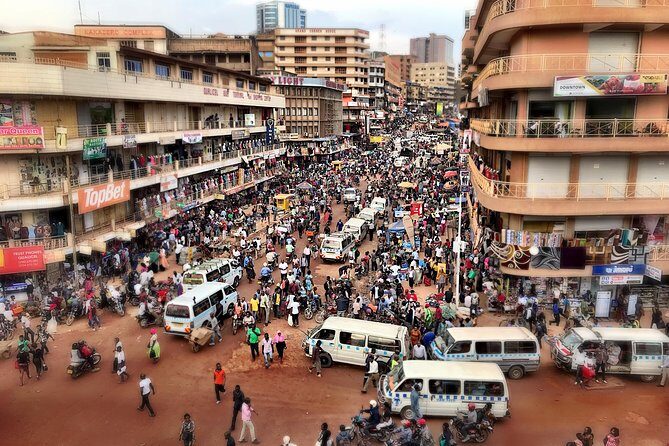
- Owino Market, up close: see one of Africa’s largest markets on foot, with time to look and shop if you want
- Central Mosque contrast: a free entry stop that steadies the pace before you re-enter the noise
- Old Taxi Park energy: a quick but memorable window into how people and vehicles flow
- Guide support in tight spaces: you’re not meant to DIY this—your guide helps you move safely and confidently
- Short-distance route: a maximum of 3km (about 2 miles), usually 3–5 hours depending on stops
- Practical inclusions: snacks included, plus free admission where listed
Why Kampala Feels Different When You Walk It
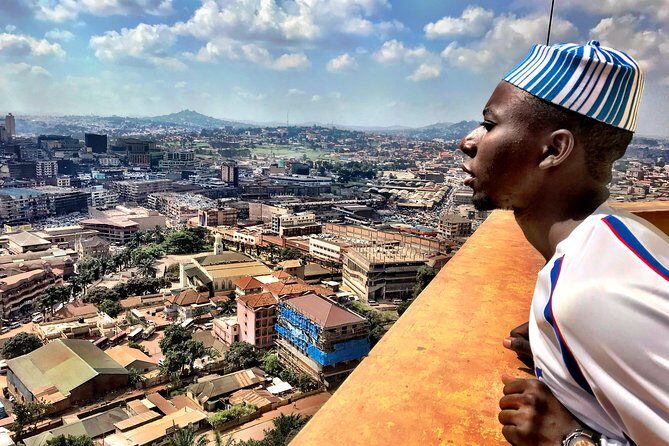
Kampala has a way of making you look up and look around—because the city doesn’t wait for you. You’ll see taxi parks, market lanes, and street movement that you could miss from a car window. This tour is specifically designed for walking through that organized chaos, with a short leash on distance so it stays doable.
What I like about this setup is that it’s not trying to be fancy. It focuses on the places that shape daily life. You’re also kept moving at a human pace rather than a “quick photo and run” rhythm.
You can also read our reviews of more walking tours in Kampala


Price and Logistics: What You Pay for and Why It’s Reasonable
The price is $50.26 per person for a 3 to 6 hour experience, and it’s often booked about 55 days ahead (so it’s clearly popular). That price makes sense for a walking tour that includes snacks and the main guided entry points where admission is listed as included or free.
Here’s the practical reality: you’re paying mainly for the guide and the route through places that are confusing to navigate alone. Even if the walking distance is short, the mental load is high when streets get crowded and traffic crowds the sidewalk.
Two logistics notes that matter:
- Pickup is listed as offered, but transportation to and from your hotel is not listed as included—so confirm how pickup works for your location.
- The tour ends in central Kampala near Luwum St, which can be convenient if you plan a meal afterward, but it also means you may need to handle your own ride back.
The Walking Reality: Crowds, Tight Streets, and Smart Packing
This tour comes with a straight warning: it’s not for the faint hearted, and it’s easy to underestimate how tight and busy some areas can feel. You’ll deal with squeeze-through moments between cars, and you should expect being bumped or pushed as the group navigates crowds.
Because pickpockets can occur in busy zones, the tour advises you to travel with care:
- avoid bringing bags, packs, or purses
- use cameras or phones only if you can keep them secure with a strap
- keep valuables out of easy reach
Also, keep your expectations grounded: you’re walking through crowded streets where comfort is not guaranteed. If you can handle that, the trade-off is worth it—this is how you see the city rather than just pass it.
Stop 1: Mosque Close and the Central Mosque of Kampala
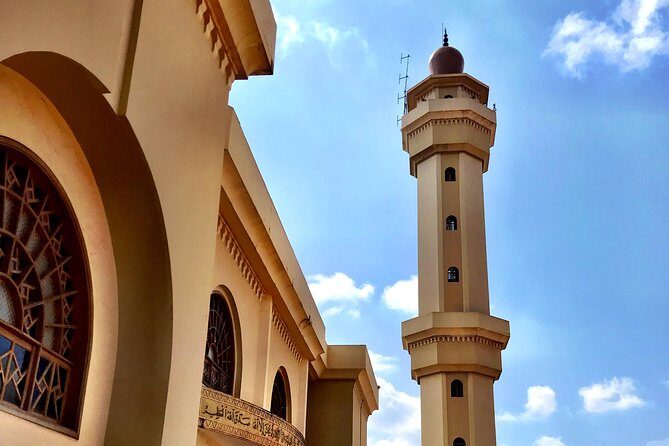
You start at Kampala Old Taxi Park on Burton St at 1:00 pm, and your first major cultural stop is the Central Mosque of Kampala, often described as a meaningful landmark in this area. Admission here is free, and you’ll spend about 45 minutes.
Why this stop works early in the tour: it gives you a breather before the markets. The contrast is noticeable—quiet structure and spiritual space right after the transport hub energy. Even if you’re not focused on religious sites, it helps you reset your senses so you can enjoy what comes next.
What to keep in mind:
- This stop is on the shorter side, so come ready to observe rather than expecting a long lecture.
- Dress and behavior matter at religious sites; follow your guide’s lead.
Stop 2: Owino Market and Kampala’s Market Machinery
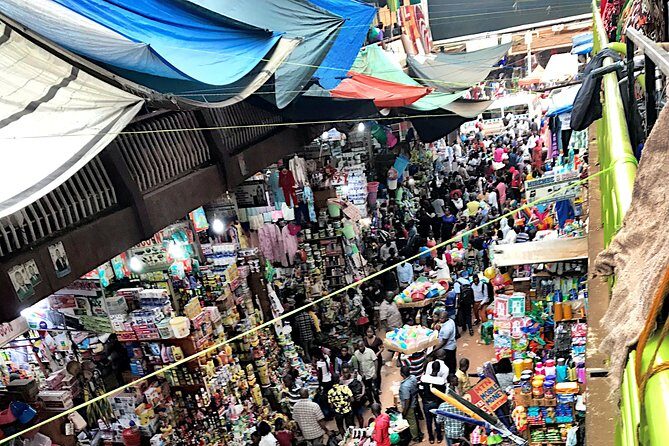
Then you head to Owino Market / Kampala—time here is about 1 hour, and admission is included. This is one of Africa’s largest markets, so the “organized chaos” phrase isn’t marketing fluff. You’ll be surrounded by stalls, movement, and constant activity.
This is the heart of the experience for most people. If you like street shopping, watching how deals get made, and seeing everyday goods up close, this is where you’ll feel the city’s pulse. It’s also where you’ll likely take the most photos, though your guide may steer you to spaces that keep the group together.
The main drawback at Owino is also the main attraction: crowds. You should expect tightly packed lanes where you’ll need to pause, step aside, and squeeze through. Keep your phone secured and don’t let it become a free-hand distraction.
Stop 3: Kampala Old Taxi Park and the Pulse of Movement
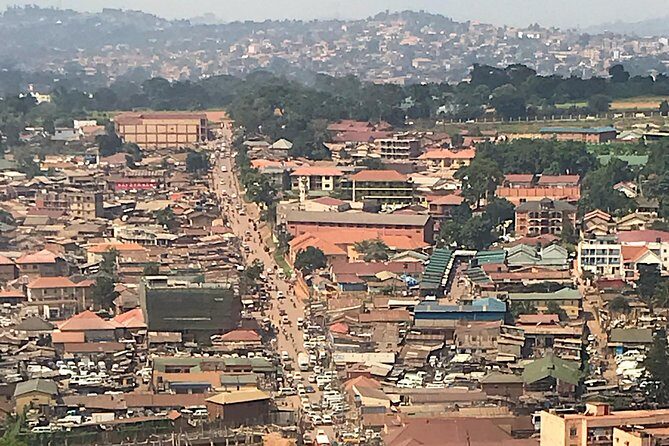
Your final featured stop is Kampala Old Taxi Park, with about 20 minutes on site. Admission is free, but the value isn’t about a ticket. It’s about seeing how transport and street life connect in one place.
Taxi parks are where people wait, talk, negotiate, and move. Even in a short visit, you’ll get a sense of how Kampala organizes movement day to day. It’s also a helpful emotional bookend: after the market’s stall-by-stall energy, the taxi park shifts you back toward streets, schedules, and flow.
Practical tip: use this time to look for patterns—where people gather, how routes are implied, and how the street “works.” Your guide is there to help you interpret what you’re seeing so it doesn’t just feel like noise.
Time on the Clock: What “3 to 6 Hours” Really Means
The tour typically runs 3 to 5 hours, and you’re walking a maximum of 3km (about 2 miles). That’s short in distance, but you’re moving through thick crowds and active areas, so time adds up.
Expect variations based on:
- extra shopping (especially at the market)
- time spent taking photos
- how smoothly the group navigates tight streets
This is why the tour feels longer than a “quick city walk.” You’re not just passing through—you’re experiencing. If you’re the kind of person who slows down to talk to vendors or linger for photos, you’ll probably land toward the upper end of the time range.
Why a Local Guide Changes the Whole Experience (Kennedy’s Role)
A big selling point here is that you’re not meant to DIY it. Streets can be confusing, and trying to navigate alone could leave you lost in the middle of busy hubs. This tour’s structure exists to keep you oriented and moving with purpose.
From the guide perspective, Kennedy is specifically mentioned as accommodating and knowledgeable. In real terms, that often means:
- you get clear context for what you’re seeing (not just a list of stops)
- you can adjust pace and preferences (like how much time you want for shopping)
- you have someone watching the group and helping in tight spots
In crowded places, that “watching” part matters. It’s not just about directions. It’s about timing—when to cross, when to pause, where to step back, and how to keep the group from stretching out.
Snacks, Tickets, and What’s Included (and Not)
Good news for comfort: snacks are included. That’s not just a nice extra—it helps you keep energy up because you’re walking through busy areas where stopping for food on the fly can be complicated.
What’s not included is also worth noting: transportation to/from your hotel is not listed as included. Pickup is offered, but you should still plan for the possibility that you’ll need your own ride outside the meeting setup.
Your route includes free or covered admissions where listed:
- Mosque: free admission
- Market: admission included
- Taxi park: free admission
Where This Tour Fits Best (and Who Might Love It)
This tour suits you if you want a hands-on Kampala experience. You’ll probably enjoy it most if you:
- like street markets and watching how daily life operates
- enjoy walking through cities rather than using only transport
- can handle crowds and brief uncomfortable moments without melting down
You may want to skip it if you dislike close-contact situations, hate squeeze-through crowds, or struggle with moderate walking in busy streets.
Fitness-wise, it’s listed for moderate physical fitness—and again, the distance is capped (3km). The bigger challenge is crowding, not distance.
Should You Book Kampala Urban Adventure?
If you’re excited by markets, taxi hubs, and seeing the city from street level, I’d say book it—with a clear-eyed mindset. This tour is built for people who can handle crowded walking and who want a guided path through places that are genuinely confusing solo.
Book it if:
- you want a short-distance but high-energy Kampala hit
- you appreciate cultural stops and practical street context
- you travel light and can keep your phone secured with a strap
Don’t book it if:
- you can’t handle push-through crowds or accidental bumps
- you rely on carrying a lot of stuff (the tour asks you to avoid bags)
- you’re looking for a relaxed, low-activity sightseeing day
Given the focus on guide-led navigation and the short walk limit, it’s strong value—especially if you want Kampala’s street soul, not a checklist from a car.
FAQ
How much does the Kampala Urban Adventure walking tour cost?
It costs $50.26 per person.
How long is the tour?
The tour lasts about 3 to 6 hours, with typical time around 3 to 5 hours depending on extra shopping and photos.
Where does the tour start and end?
It starts and ends at Kampala Old Taxi Park on Burton St. The end is in central Kampala near Luwum St.
What stops are included on the route?
You visit the Central Mosque of Kampala, Owino Market, and Kampala Old Taxi Park.
What’s included in the price?
Snacks are included, and admission is listed as free or included for the stops where applicable.
Is transportation to and from my hotel included?
No. Transportation to/from your hotel is not listed as included.
Is pickup offered?
Pickup is offered, but you should confirm the exact pickup details for your location when booking.
How much walking is involved?
The walk is a maximum of 3km (about 2 miles).
Is cancellation available and under what conditions?
Free cancellation is available. You must cancel at least 24 hours before the experience’s start time for a full refund.
Does the tour require good weather?
Yes. The experience requires good weather, and if it’s canceled due to poor weather you’ll be offered a different date or a full refund.