REVIEW · KIGALI
From Kigali: 2-Day Gorilla Trek: Bwindi Nat Park
Book on GetYourGuide →Operated by Kawira Safaris Ltd · Bookable on GetYourGuide
Two countries, one gorilla day ahead. This 2-day trek runs from Kigali into Uganda for mountain gorilla tracking in Bwindi or Mgahinga, depending on permit allocation. The whole trip feels efficient, but not rushed.
I love the one-hour gorilla encounter once you find the family. I also like how the English-speaking driver-guides keep things organized and informative, with names like Jeff, Hassan, and Zidane showing up in recent trip reports.
My only real caution is the physical reality of it: the trek can mean steep, rugged walking through thick brush at high altitude, with stinging nettles and ants. And if the gorillas get agitated, your time can end sooner than planned, even though the contact limit is one hour.
In This Review
- Key things I’d bet on
- Kigali to Uganda in two days: the border part matters
- Mgahinga or Bwindi: your permit decides where you go
- The safari Land Cruiser ride: comfort for bumpy roads
- Your gorilla trek day: time with the family has rules
- What you should pack for the trek
- Lodging and meals: full-board comfort with a real-world warning
- Price and logistics: what you’re really paying for
- Who this trip suits best (and who should rethink it)
- Should you book: my decision checklist
- FAQ
- Where does this gorilla trek operate?
- How long is the tour?
- What is the gorilla trekking time with the animals?
- How strenuous is the hike?
- Is the gorilla permit included in the price?
- Is accommodation included?
- What about transport from Kigali?
- Are visas included?
- Are children allowed?
- Are drones or alcohol allowed?
Key things I’d bet on
- Park choice depends on your permit allocation (Bwindi or Mgahinga), not your preference.
- A guide-led tracking day where you’ll drive to headquarters, handle formalities, then trek to find the family.
- One hour maximum with gorillas, with limited contact for their wellbeing.
- High-altitude, rough trail conditions (7,000–9,000 feet) that reward good boots and smart clothing.
- Full-board lodging in Uganda with private bathrooms, plus included guiding fees and border assistance.
Kigali to Uganda in two days: the border part matters
Day 1 starts with a departure around 9am from Kigali and a drive northwest for about 3 hours. There’s a short border stop where you clear with customs, then you continue to Uganda to your lodge area.
The practical value here is that you’re not doing paperwork on the fly. Border assistance is included, and that usually means you spend more energy planning for gorillas and less time worrying about admin. Depending on the lodge, you may be only minutes from the main gate of Mgahinga National Park or Bwindi National Park, which is the kind of convenience you really feel the next morning.
After arrival, you get time to settle in before dinner. Lodges in this area typically have a restaurant and bar (not guaranteed for every property, but often part of the setup), and rooms include a private bath with shower. It’s a straightforward “arrive, reset, eat” kind of day—exactly what you want before a high-altitude trek.
You can also read our reviews of more hiking tours in Kigali
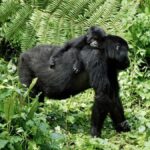
Mgahinga or Bwindi: your permit decides where you go
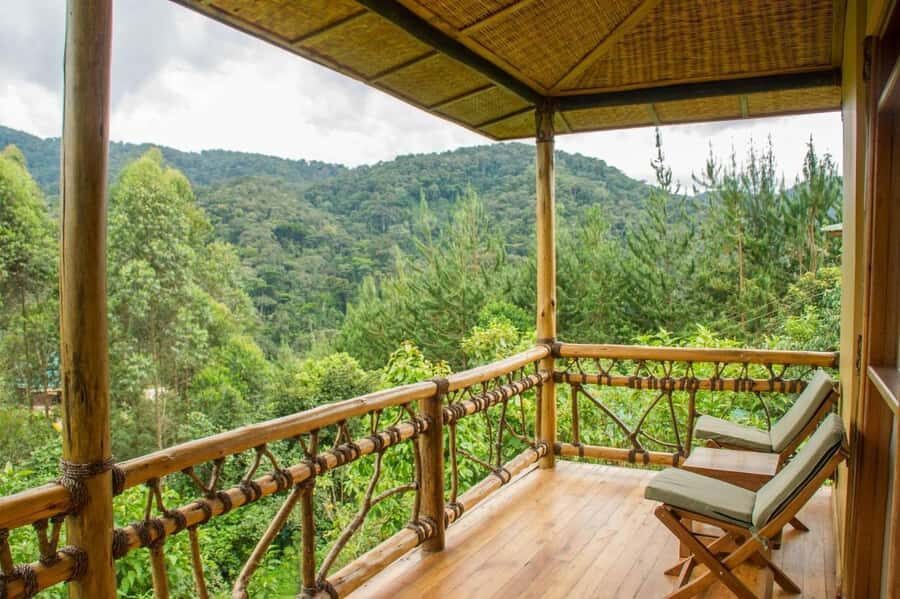
This trip is built around the gorilla area of the Virunga region. You’ll either go to Mgahinga National Park or Bwindi National Park, and the one that matters is the one you’re actually allocated for your permit.
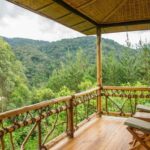
Why this matters for you: the trekking is described as similar in feel—walking through thick brush over steep, rugged terrain, at elevations around 7,000 to 9,000 feet. So the main “what to expect” is less about scenery and more about the day’s effort: slippery ground, slow going, and lots of attention to where your feet land.
If you’re the kind of traveler who hates uncertainty, this is the one piece you should accept upfront. Your itinerary is still clear: Day 2 is trekking for mountain gorillas, regardless of which park your permit covers. Your guide will work with the group based on tracking conditions that day.
Also note the route goal is simple: once you’re in the right park area, you’ll spend your energy learning how tracking works and then finding the family.
The safari Land Cruiser ride: comfort for bumpy roads
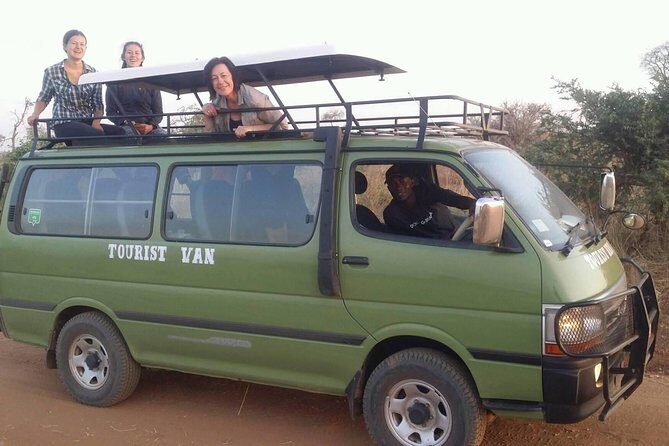
You travel in a Safari Land Cruiser with a pop-up roof. That detail matters more than you’d think. Pop-up roofs make it easier to spot wildlife and get steadier photos without leaning into awkward positions the whole drive.
The tour is a private group, with pickup included. The driver meets you holding a sign with your last name, which keeps your first hour from turning into a guessing game at the airport or hotel.
This isn’t just “transport.” It’s also the stage where your English-speaking driver/guide sets expectations—what the next day will feel like, what to bring, and how park formalities typically run. In one trip report, Jeff’s guidance during the drive was a standout, and Hassan was praised for explanation along the way. That’s the right vibe for this kind of trip: calm, organized, and focused on the trek day you can’t afford to mismanage.
And yes, you’re crossing into Uganda and changing environments. The ride helps you do that without stress, so you arrive already tuned in.
Your gorilla trek day: time with the family has rules
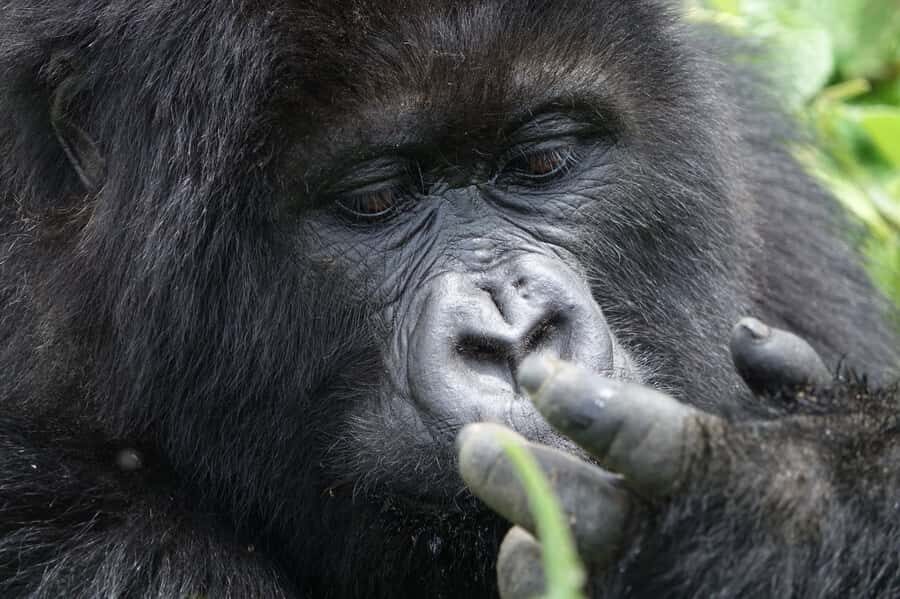
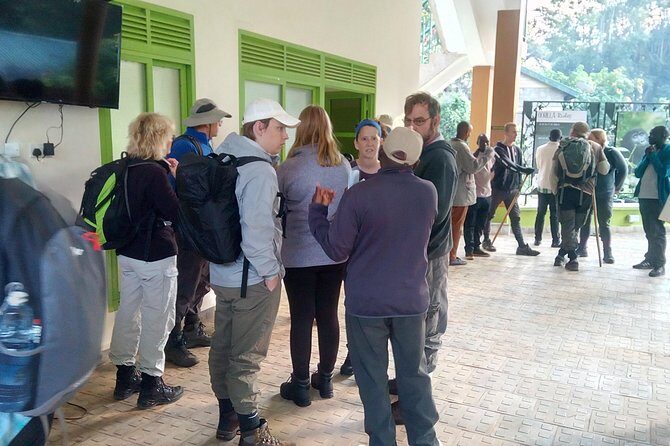
Day 2 is the big one. Breakfast is served buffet-style beginning at 6am. Around 7:30am, you drive about 30 minutes to the park headquarters to meet your guides for the day and complete park formalities.
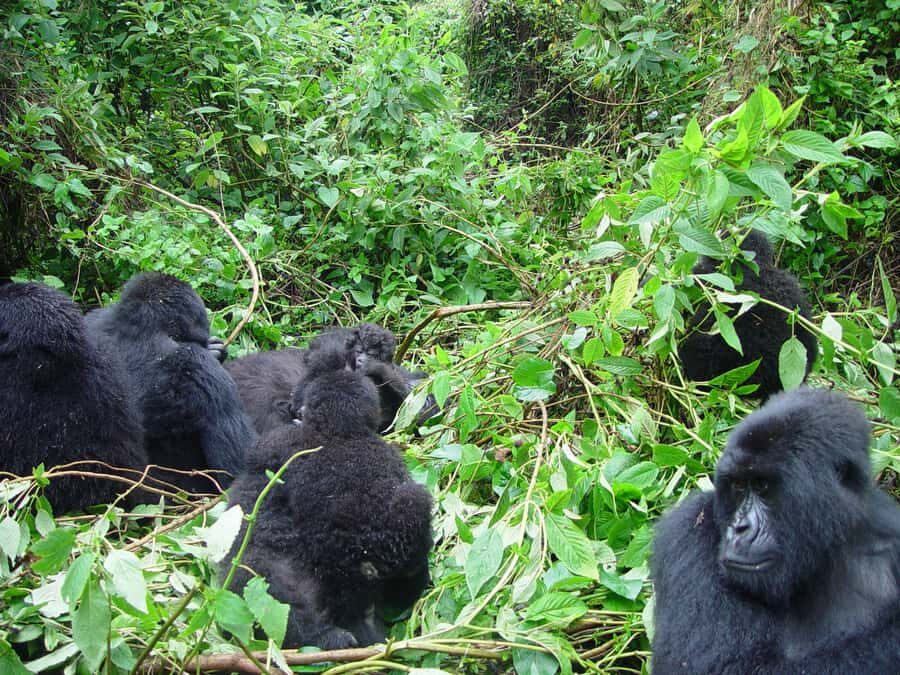
Then you’re on the tracking trek. The walking can last 2 to 4 hours (and sometimes longer) over thick brush and steep, rugged terrain. Expect high altitude—around 7,000 to 9,000 feet—which can make your “normal pace” feel like you’re working harder than you planned.
Here’s what to plan for realistically:
- Stinging nettles and ants may be part of the trek environment.
- The group moves at the pace of the slowest trekker, so you should expect a steady, cautious rhythm.
- Your goal is not speed. It’s staying together and keeping eyes up and feet sure.
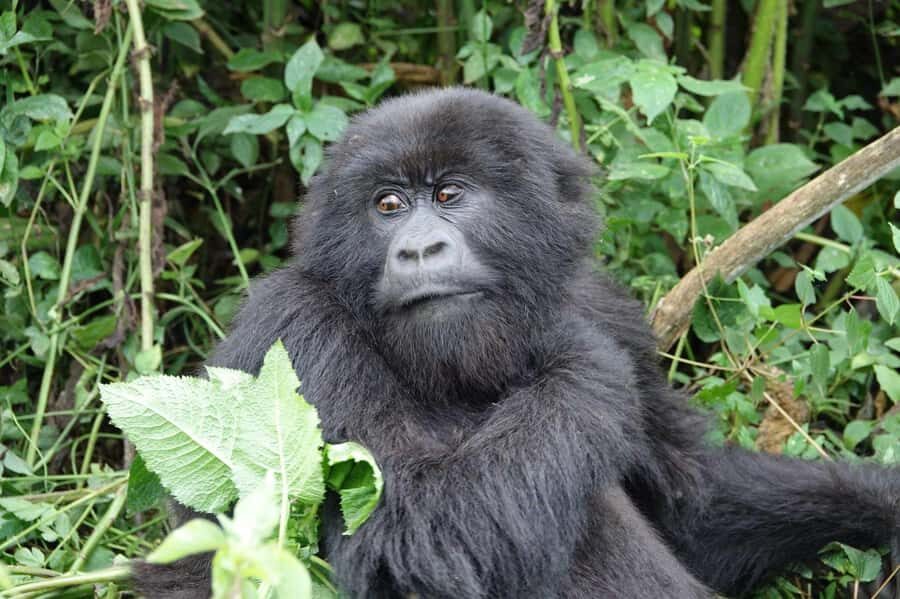
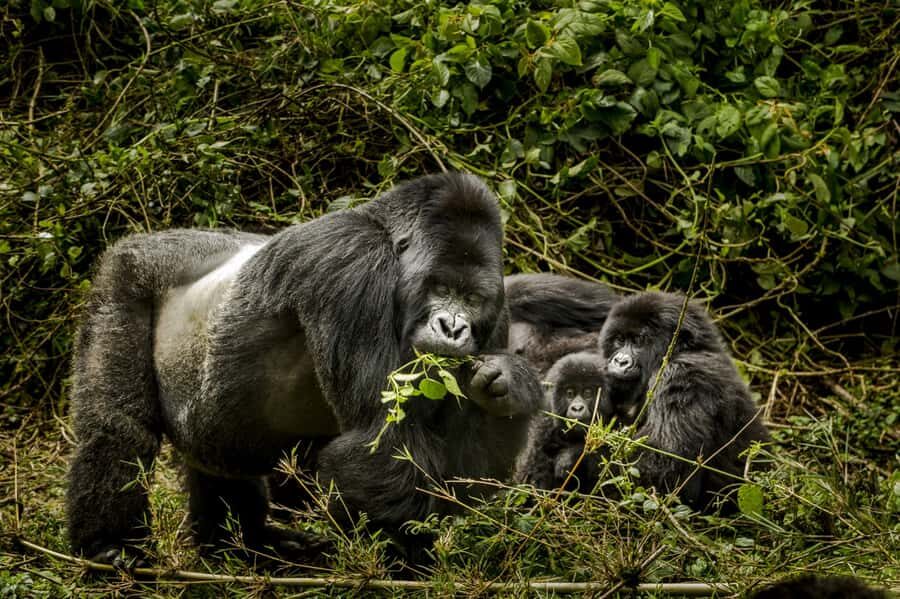
Once you spot the gorillas, contact rules kick in. You’re allowed up to one hour with the closest family members, and the human contact limit exists because overexposure can harm the gorillas. There’s also a real possibility the gorillas become agitated and retreat back into the bush in less than the allotted time.
That “maybe sooner” piece is important for your mindset. You can do everything right—be quiet, keep distance, listen to your guide—and still have the family decide to move on. It’s not a failure of the day; it’s how the park keeps the animals safe.
Health matters, too. If you show obvious signs of illness, park authorities can refuse entrance. If you’re even slightly sick, I’d treat it as a serious decision point and talk to your guide before you travel.
What you should pack for the trek
The trip data is direct about what helps: good hiking boots, long trousers, gloves for nettles, plus snacks and sweets for you and enough water. Rainforest conditions can get hot and humid during the day, so staying hydrated is not optional.
Also, you’ll get a complementary walking stick, which can make steep, rough footing easier to manage. Still, bring your own comfort strategy: something that keeps your legs steady and your hands protected.
Lodging and meals: full-board comfort with a real-world warning
After the intense Day 2 trek, you’ll usually return to the lodge by about 1pm, depending on trek length. That gives you breathing room to reset.
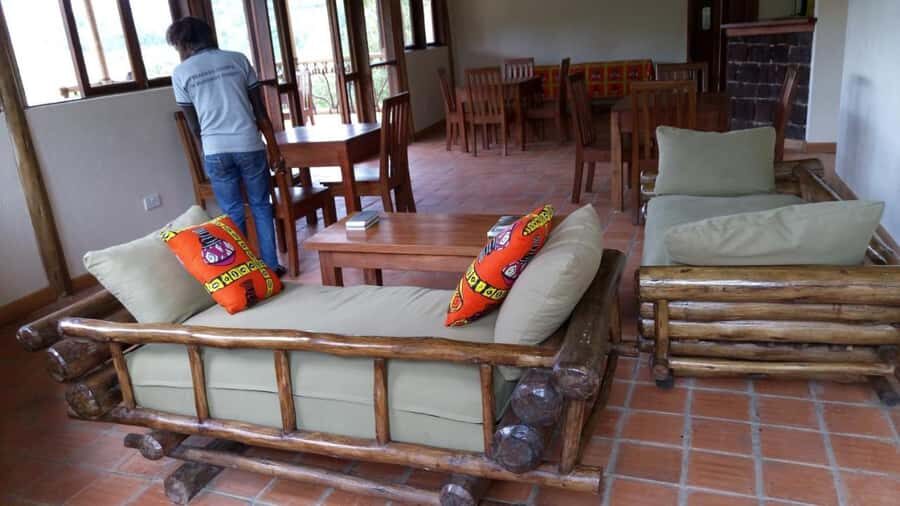
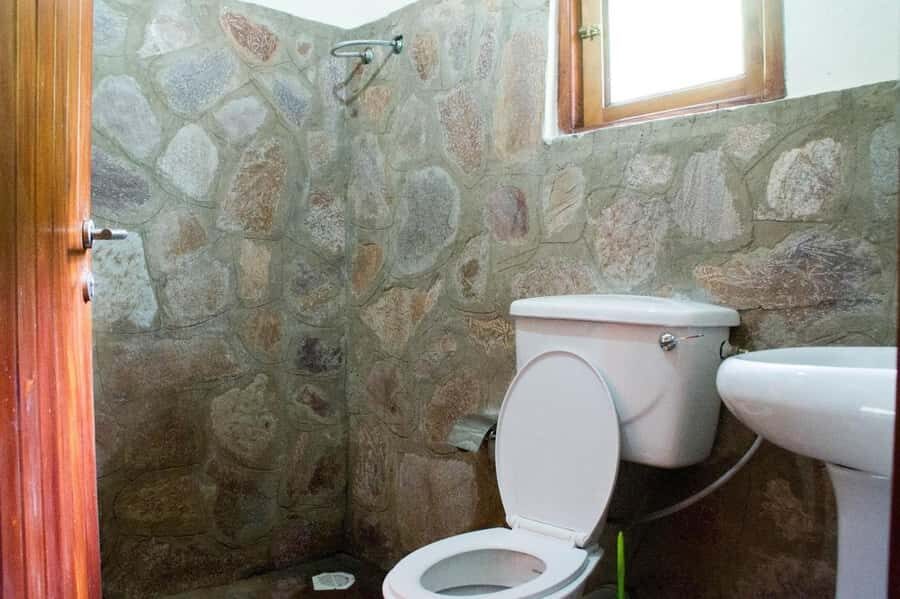
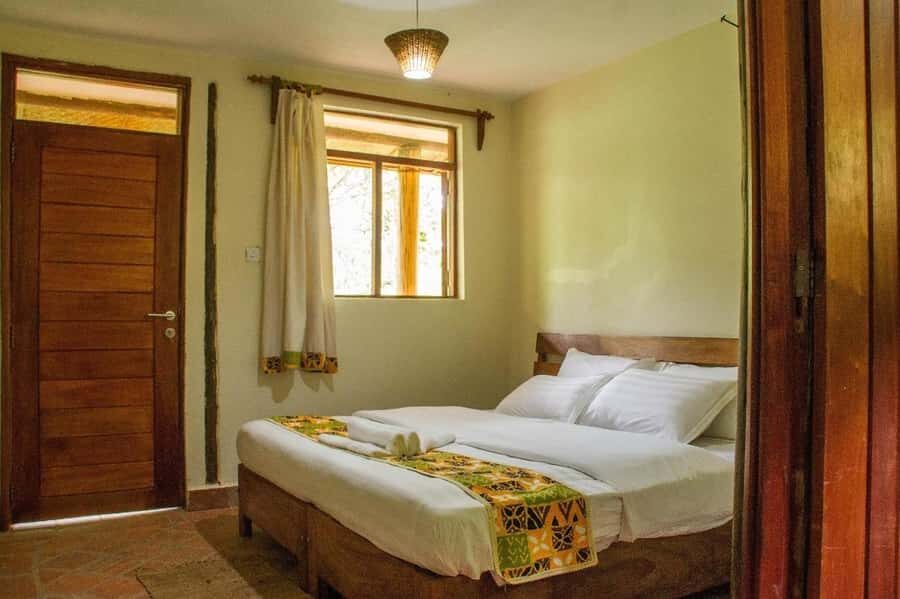
In Uganda, accommodation is included on a full board basis. Rooms have private baths with a shower. Lodges may have a restaurant and bar, which is useful because you’ll be tired and you don’t want to hunt for food after hours of trekking.
Breakfast is clearly set: buffet-style starting at 6am on Day 2. Dinner is included as part of full-board, and you’ll have time on Day 1 to eat before the next day’s early start.
Still, I’ll flag one practical issue from a trip report: in one case, meals didn’t land on time after a long Day 2 hike. That’s not the pattern you want to bet on. If you hate being hungry, pack extra snacks anyway, and confirm with your guide what meal timing looks like when the trek runs long.
Price and logistics: what you’re really paying for
The listed price is $560 per person for the 2-day trip. But the gorilla permit is not included. Permits are $800 per permit.
So you should budget roughly $1,360 per person for the gorilla permit + trip price, before visas and international flights. Visas for Rwanda and Uganda are also not included, and international flights are not included.
Why this can still be good value: the trip price covers more than just driving. It includes:
- Airport transfers
- Accommodation on full board
- Transport in a pop-up roof Land Cruiser
- Cultural tour
- All guiding fees
- Border assistance
- A complimentary walking stick
- An English-speaking driver/guide
- A structured itinerary across two days
For many gorilla trips, the permit is the biggest variable. Here, once the permit is secured, you’re buying a lot of practical support that reduces stress: transport, lodging, guiding fees, and logistics across the border.
One thing to remember: if you’re counting total costs, permits move the math a lot. If you’re comparing tour prices, always compare what’s included around the permit, not just the base tour fee.
Who this trip suits best (and who should rethink it)
This is a strenuous experience by design. The trek can mean multiple hours over steep, rugged terrain at high altitude, with nettles and ants possible.
It is also not suitable for children under 15. So if you’re traveling with younger kids, this likely won’t match your family’s comfort level or park rules.
You’ll also want to be comfortable with the uncertainty of gorilla behavior. Contact is limited to one hour, and gorillas can retreat early if they get agitated. If you need a guaranteed number of minutes regardless of animal behavior, you may feel frustrated.
On the other hand, if you want a well-guided, park-compliant way to track mountain gorillas from Kigali, this is exactly that. And the private group format helps keep the day focused on your pace.
Should you book: my decision checklist
I’d book this if you:
- Are ready for a real trek and pack for nettles, steep terrain, and altitude.
- Want strong logistics support: border help, transport, full-board lodging, and guiding fees included.
- Are comfortable with the park’s one-hour contact rule and the chance your time could be shorter if the gorillas move.
I’d pause if:
- You’re hoping for a low-effort hike.
- You’re sensitive to early mornings and long days.
- You’re traveling with any health issue that could be considered obvious illness by park authorities.
If you do book, give yourself the best odds by bringing sturdy boots, long trousers, gloves, and extra snacks. It’s one of those trips where good preparation doesn’t just make you more comfortable—it helps you keep up once the trail gets rough.
FAQ
Where does this gorilla trek operate?
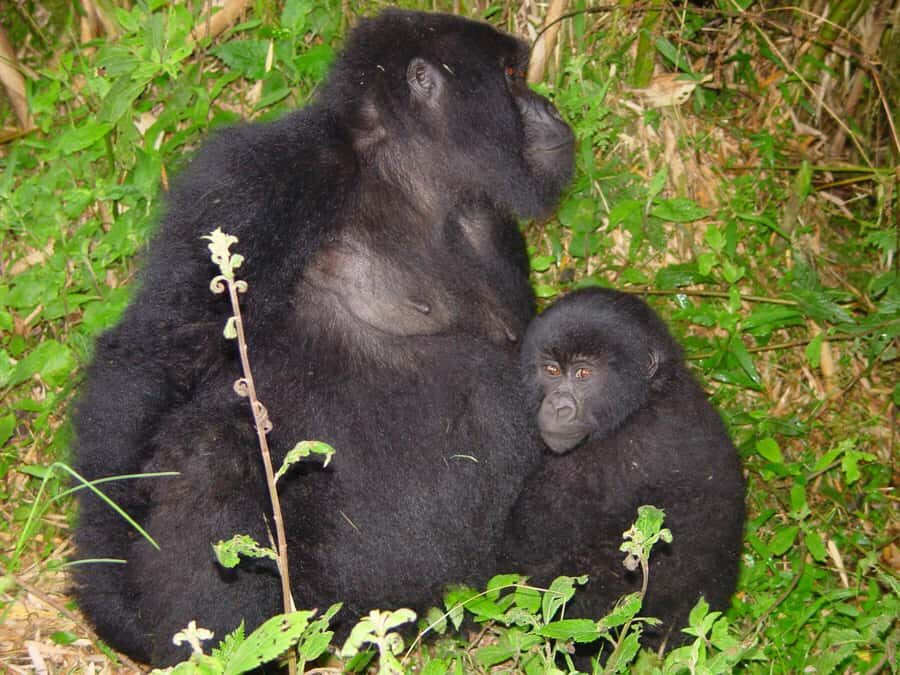
The trek goes to the gorilla areas of Mgahinga National Park or Bwindi National Park in Uganda, depending on permit allocation.
How long is the tour?
It’s a 2-day experience.
What is the gorilla trekking time with the animals?
Once you find the gorillas, your contact time is limited to one hour, though the gorillas may retreat earlier if they become agitated.
How strenuous is the hike?
The trek typically involves two to four hours of walking through thick brush over steep, rugged terrain, at elevations around 7,000 to 9,000 feet.
Is the gorilla permit included in the price?
No. The gorilla trekking permit is not included and costs $800 per permit.
Is accommodation included?
Yes. Accommodation on full board is included, with rooms that have a private bath and shower.
What about transport from Kigali?
Pickup is included, and you travel in a Safari Land Cruiser with a pop-up roof.
Are visas included?
No. Rwandan and Ugandan visas are not included.
Are children allowed?
No. The tour is not suitable for children under 15.
Are drones or alcohol allowed?
Drones are not allowed, and alcohol and drugs are not allowed.