REVIEW · KAMPALA
From Kampala: Ziwa Rhino Sanctuary Day Tour with Lunch
Book on GetYourGuide →Operated by OWAITU AFRIKA SAFARIS · Bookable on GetYourGuide
Rhinos on foot beat any zoo photo. A full-day drive from Kampala to Ziwa Rhino Sanctuary gives you a guided chance to spot Uganda’s southern white rhinos in the wild.
I especially like how the rangers set expectations with a safety briefing and then guide your trek so you can keep a respectful distance while still getting close views. I also appreciated the calm, flexible service from guides like Shariff and Musa, including handling tricky pickup timing and even arranging a drop-off back in Kampala. The main drawback is simple: you spend a lot of the day in the car, and at $280 per person it can feel pricey if you wanted more time walking.
In This Review
- Key highlights you should know
- Ziwa Rhino Sanctuary: seeing Uganda’s only wild southern white rhinos
- From Kampala: early departure and the reality of a long drive
- A quick tip for timing
- Breakfast stop: fueling up before the safety briefing
- Ranger briefing and the rhino trek: close, careful, and on foot
- What to wear and bring for the trek
- Wildlife beyond rhinos: 7,000 hectares and 300+ birds
- Lunch at the sanctuary: real fuel after the trek
- Price and logistics: what $280 per person really buys you
- Who this tour fits best (and who should skip it)
- Should you book the Ziwa Rhino Sanctuary day tour?
- FAQ
- How long is the Ziwa Rhino Sanctuary day tour?
- Where does the tour start and end?
- What’s included in the price?
- What rhino activity is included?
- What should I bring for the trek?
- What is the estimated return time to Kampala or Entebbe?
- Is this tour suitable for everyone?
Key highlights you should know
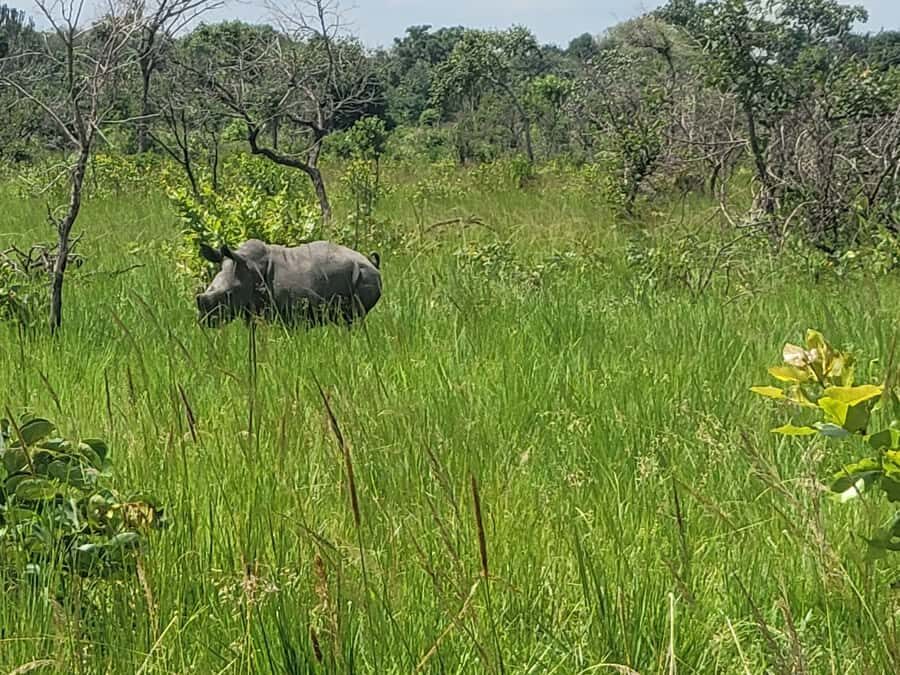
- Uganda’s only wild southern white rhinos are the main event, reached through a guided on-foot trek
- Safety briefing first, trek after: plan for a ranger-led walk lasting about 1.5–2.5 hours
- Meals are included with breakfast on the way and lunch at/near the sanctuary
- A big reserve for patient spotting: 7,000 hectares with 300+ bird species and other wildlife
- Pickup flexibility can matter: one recent trip highlighted guides who worked around real-world timing issues
Ziwa Rhino Sanctuary: seeing Uganda’s only wild southern white rhinos
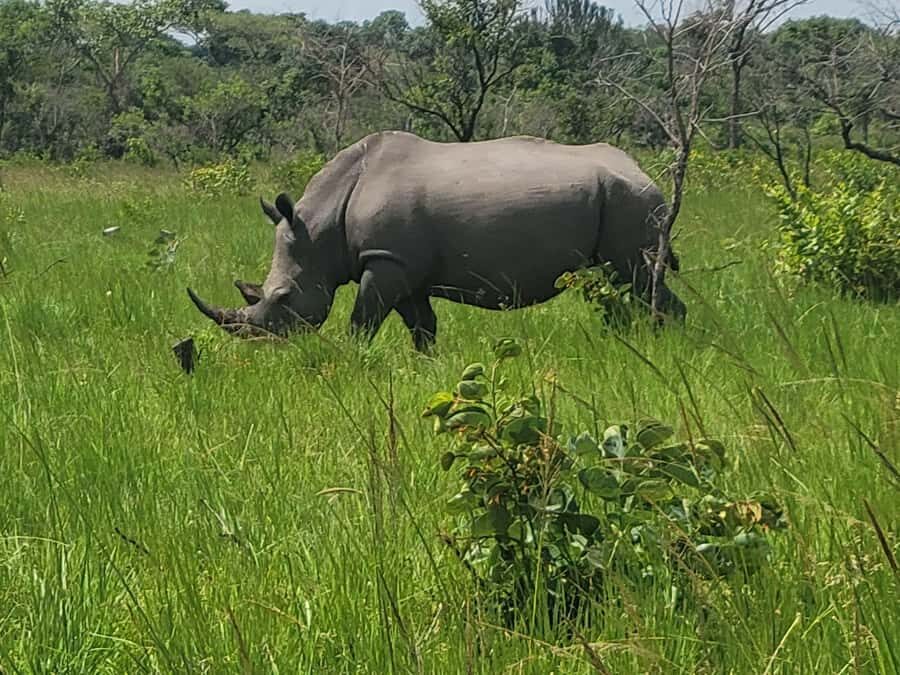
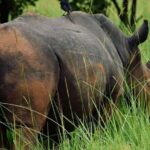
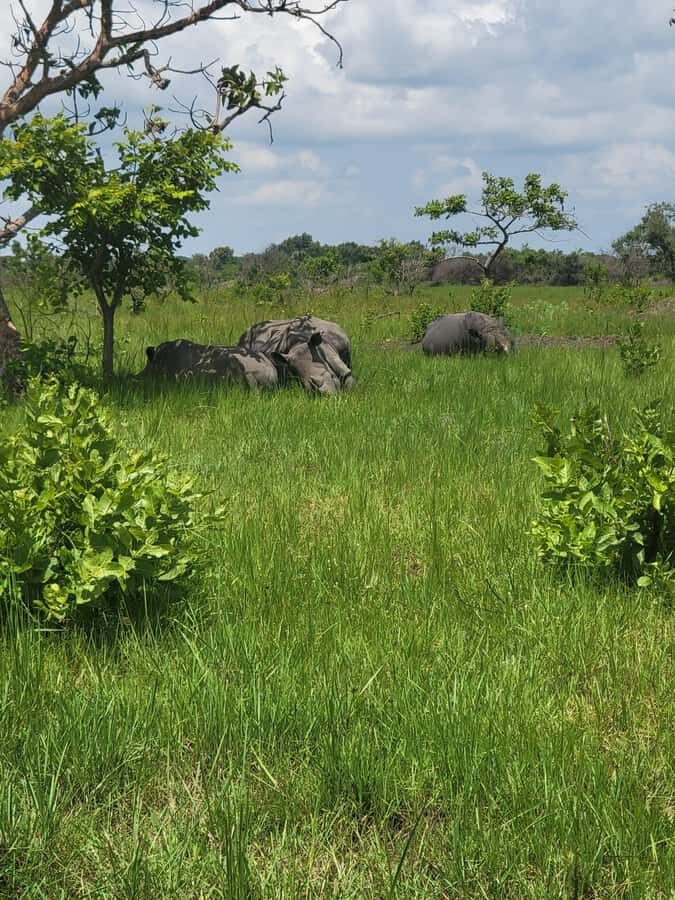
If you like wildlife that feels real—not staged—Ziwa is built for that. The sanctuary is where you have a rare shot at Uganda’s wild southern white rhinos, and you see them the way rhinos actually live: moving through habitat, not lined up for visitors.
The experience is designed around a guided trek on foot, not a quick drive-by. That changes everything. You’ll notice details you miss from a vehicle: the ground texture under your shoes, the way the wind shifts, how rhino movement shows up as behavior before you ever see the animal clearly. You’ll also get context during the trek about why this area matters to conservation and how rhinos are protected here.
One practical upside: the sanctuary is big—7,000 hectares—and it supports other wildlife plus 300+ bird species. So even when rhinos are spread out, your time doesn’t automatically shrink into waiting. You can keep your eyes on tracks, calls, and the movement that signals wildlife activity.
You can also read our reviews of more tours and experiences in Kampala.
From Kampala: early departure and the reality of a long drive
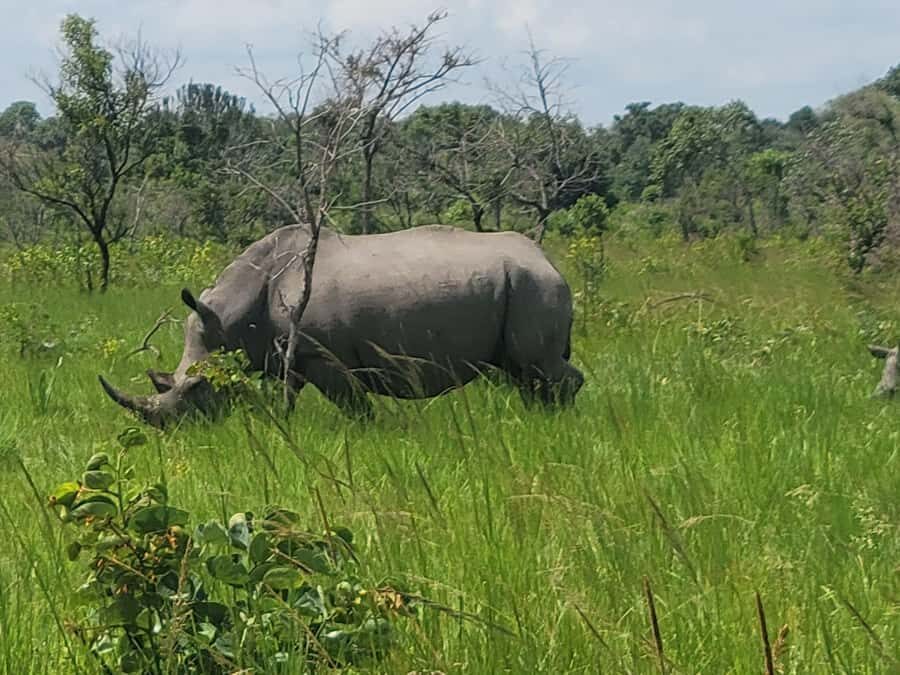
This tour is a full-day package, which means the schedule starts early to avoid traffic and set you up for better chances of seeing rhinos. That early push is not just for comfort; it’s also about timing once you’re out in the reserve. Departing early helps you arrive with enough daylight and energy for the trekking window.
Drive time matters for your expectations. One recent day involved a long ride to the reserve—about three hours including a short break—then a return drive that took close to four hours. That’s the basic rhythm: driving fills a big chunk of the day, and the actual on-foot rhino time is a smaller slice.
If you’re based in Entebbe, plan for a longer day in the car than if you’re closer to Kampala. The tour includes transportation either way, but you’re still moving through Uganda’s roads for hours. Go in knowing this is “drive + trek,” not “mostly trekking.”
A quick tip for timing
Confirm your pickup timing the day before, especially if you’re counting on strict clock times. One guide team arrived later than the offer stated, and the group had arranged around it beforehand.
Breakfast stop: fueling up before the safety briefing
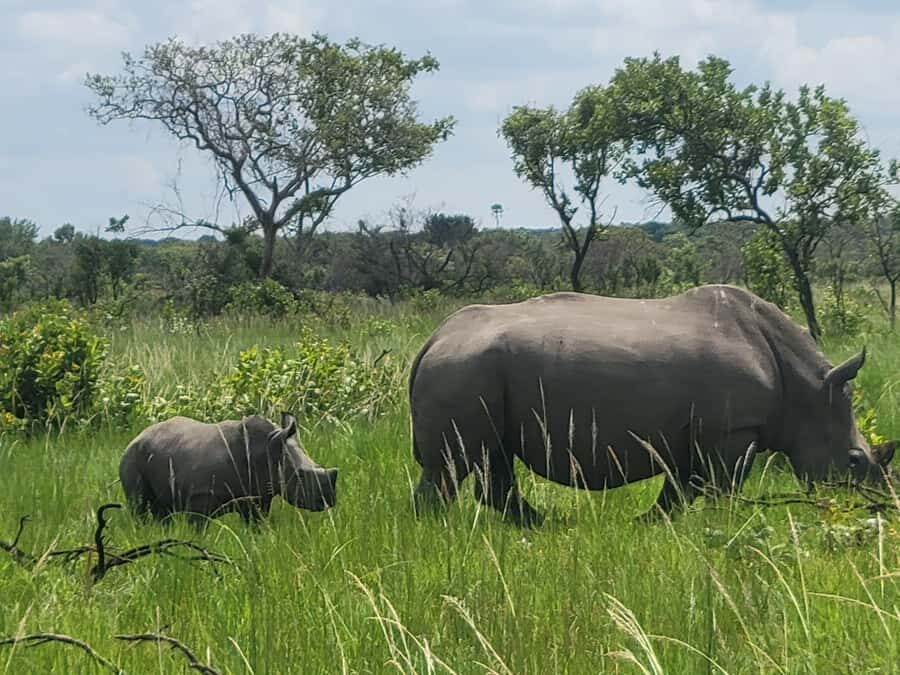
You don’t go straight from pickup to rhinos. There’s a stop for breakfast at a local cafe on the way. That’s a small detail, but it’s a big deal on a day like this, because you’ll likely be waiting for the trek and then moving for real.
This breakfast break also helps you avoid the common safari problem: arriving hungry, dehydrated, or under-slept, which makes the safety briefing feel harder to absorb. Here, you’ll want your head clear, because you’ll get ranger instructions before you step out.
If you’re sensitive to road food or early mornings, keep it simple at breakfast and stick to what sits well with you. Then use your water bottle throughout the day—don’t wait until you feel thirsty.
Ranger briefing and the rhino trek: close, careful, and on foot
When you arrive at the sanctuary, you’ll get a safety briefing from expert rangers. Listen closely. This part isn’t just legal paperwork—it’s how you learn the rules for being near large wildlife.
After the briefing, you begin the guided trek to find rhinos. The walking time is typically 1.5–2.5 hours, and your total time at the reserve is longer because you’ll also have briefing and spotting time before and after the main trek. So even if your legs are done after the trek, you’re not fully finished—you’ll still be in the wildlife zone.
What I like about this format is how it blends closeness with control. You get close views without turning the interaction into something chaotic. The rangers’ job is to read rhino behavior and adjust your approach so you can observe safely.
A detail that affects the whole experience: rhinos may be scattered, meaning you might not find every family immediately. That’s normal. In one recent day, the briefing and early viewing was followed by more time to look, and rhino families were described as somewhat dispersed. Translation for you: be patient with the process. Your guide is working a route based on where signs and sightings are happening that day.

What to wear and bring for the trek
You’ll walk on real ground, so come prepared:
- Closed-toe shoes (not sandals)
- Long pants
- Sunscreen and a hat if you have one
- Insect repellent
- Camera (you’ll want it, but follow the ranger rules)
- Water (bring a bottle and sip often)
And a simple reminder: no smoking is allowed.
Wildlife beyond rhinos: 7,000 hectares and 300+ birds
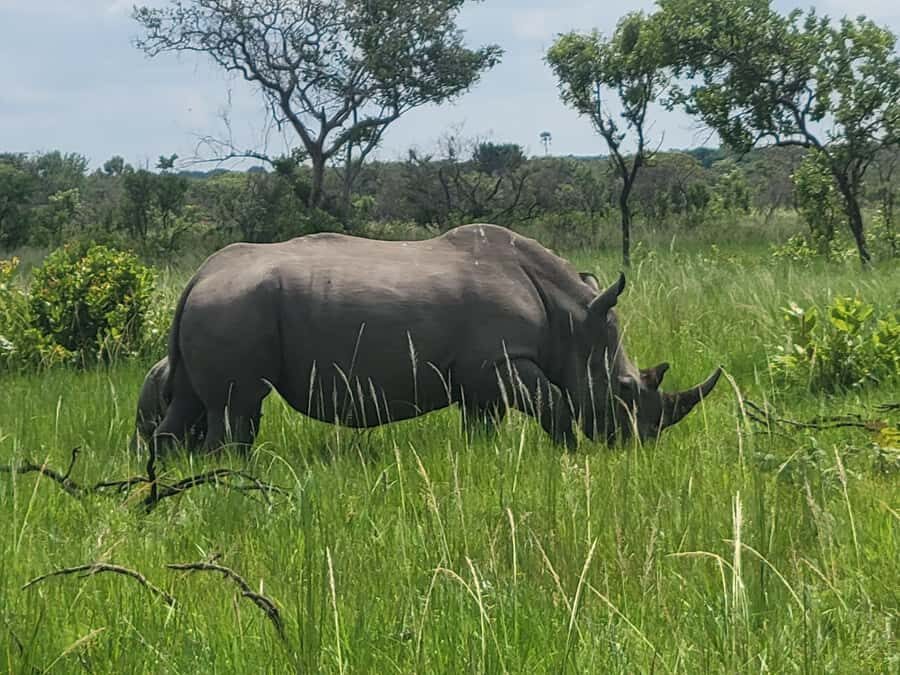
The rhino is the star, but the sanctuary is also a bird-and-wildlife place. With more than 300 bird species in the 7,000-hectare sanctuary, you can spend time slowing down even if the rhinos are moving further away.
This is where the guided approach helps. Rangers and guides can help you interpret what you’re seeing—whether it’s calls, flight patterns, or small signs of animals moving through thicker areas. Even without specific bird names provided in the tour outline, you can still get value from looking for behavior: feeding, perched stillness, sudden bursts of movement, and changes in sound.
If you’re the kind of traveler who likes nature details—tracks, bird calls, and how wildlife uses space—this day will keep paying off. If you’re only interested in guaranteed close-up rhino sightings, you’ll still likely have a memorable day, but your satisfaction will depend on how your trek lines up with rhino locations.
One honest way to frame it: you’re paying for the chance to do the trek correctly, with safety and conservation knowledge, and for the effort the rangers put into finding the best viewing opportunity.
Lunch at the sanctuary: real fuel after the trek
After the trek, you’ll have lunch at the sanctuary’s restaurant or a nearby diner. The tour includes lunch, so you don’t have to make decisions mid-adventure when you’re hungry and tired.
In at least one recent experience, lunch was described as a good buffet at the sanctuary restaurant. That matters because a buffet-style meal often helps you refuel quickly after a trek, especially if you’re sharing time with a group and waiting for the last people to finish.
Also, lunch is part of why this tour works as a full-day package. With breakfast included too, you’re less likely to burn energy on empty stomach anxiety. You’ll still want to pace yourself, though—especially if you’re sensitive to heat, because you’ll be in the sun before and during the return drive.
Price and logistics: what $280 per person really buys you
At $280 per person for a 1-day tour, this isn’t a bargain safari. You’re paying for several things at once:
- Transportation from Kampala or Entebbe
- Park entry fees
- Professional guides
- Breakfast and lunch
- A guided trek experience led by rangers
So the value isn’t just the animal sighting—it’s the structure that gets you to the right place and keeps the experience safe and meaningful. The trek itself costs effort and planning, and you’re not wandering around on your own.
Still, you should be aware of the tradeoff that keeps coming up in real days: a lot of time goes into driving. If you’re the type who hates long road time, this may feel heavy. One recent trip described the day as consisting mostly of driving, with the trekking piece taking less time than the travel portion.
My advice for judging price: ask yourself whether you want a guided, ranger-led, on-foot rhino experience more than you want a shorter, cheaper day. If yes, then the price can make sense because the included elements remove a bunch of planning headaches. If you expected a mostly-on-foot nature day, adjust your expectations before you book.
Who this tour fits best (and who should skip it)
This tour is a strong match if you:
- Want to see southern white rhinos in the wild through a guided trek
- Like learning from rangers about conservation and animal behavior
- Are comfortable walking for several hours outdoors (with the main trek about 1.5–2.5 hours)
- Prefer a packaged day with breakfast and lunch included
It’s not suitable for:
- Pregnant women
- People with back problems
- Wheelchair users
If you fall into any of those categories, it’s better to look for a different format that aligns with your needs.
Also, consider your camera style. The tour gives you a real chance at photos, but it also includes safety and ranger instructions. If you’re the type who constantly moves for angles, you’ll need to slow down and follow the plan.
Should you book the Ziwa Rhino Sanctuary day tour?
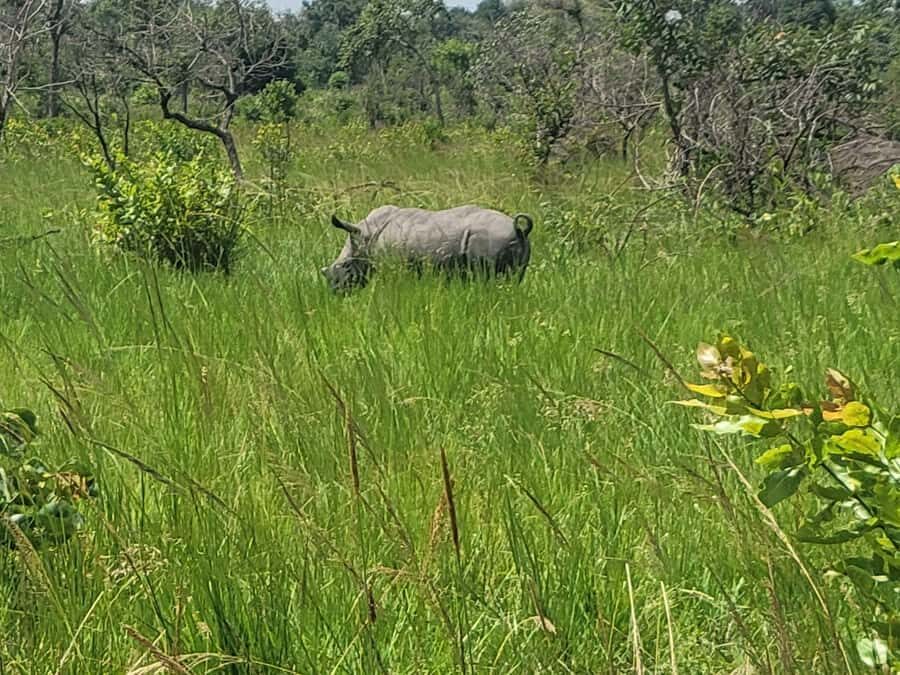
I’d book it if your priority is a guided, on-foot rhino encounter with rangers, plus a well-fed full-day schedule. The big win here is the combination of close viewing potential, conservation learning, and real wildlife in a large sanctuary.
You should think twice if:
- You’re trying to minimize time in the car
- You want a cheaper outing with more walking time proportionally
- You’re not comfortable following safety rules closely while near large animals
One last practical nudge: confirm pickup details and start the day ready for heat, sun, and walking. Bring the basics—long pants, closed-toe shoes, water, sunscreen, and insect repellent—and you’ll set yourself up for an experience that feels careful, not rushed.
If you want flexibility, you can cancel up to 24 hours in advance for a full refund, and the reserve-and-pay-later option can help you lock in plans without immediate payment pressure.
FAQ
How long is the Ziwa Rhino Sanctuary day tour?
The tour runs for 1 day, with availability and starting times checked at booking.
Where does the tour start and end?
Pickups are available from Kampala or Entebbe, and drop-offs are available to Entebbe or Kampala.
What’s included in the price?
The tour includes transportation, park entry fees, professional guides, breakfast, and lunch.
What rhino activity is included?
You’ll join a guided rhino trekking experience on foot after a safety briefing, with the chance to see Uganda’s wild southern white rhinos. The trek is typically 1.5–2.5 hours.
What should I bring for the trek?
Bring a camera, sunscreen, water, insect repellent, long pants, and closed-toe shoes. A hat can also help with sun protection.
What is the estimated return time to Kampala or Entebbe?
The return journey starts in the afternoon, with an estimated arrival time of about 6:00–7:00 PM.
Is this tour suitable for everyone?
No. It is not suitable for pregnant women, people with back problems, or wheelchair users.