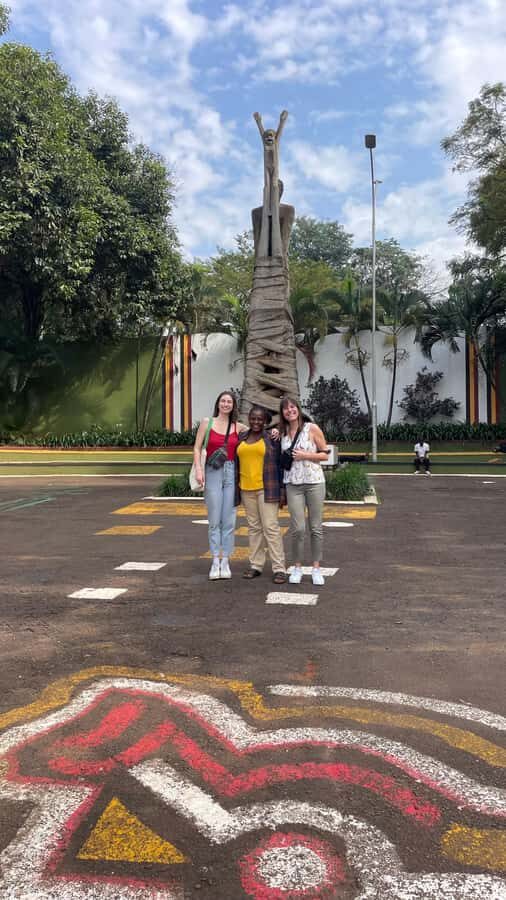
REVIEW · KAMPALA
Kampala cultural tour
Book on Viator →Operated by Travel with twaha · Bookable on Viator
Kampala’s past shows up in daily life. This guided Kampala cultural tour connects Uganda’s culture with the history of the Buganda kingdom, with stops at royal burial grounds and palace sites, plus a mosque viewpoint over the city. It’s designed for a small group feel, but you’ll move together with a guide and get context fast.
I especially liked how the tour teaches you by showing real places tied to belief and power—like the burial grounds at Kasubi Tombs. I also loved the way the day mixes religion, politics, and city geography, ending with the Gadaffi Mosque for a 360 view and the story of Kampala’s original seven hills. One thing to consider: several key sites do not include entrance fees, so you’ll want a little cash ready for tickets.
In This Review
- Key things I’d plan around
- A practical way to understand Kampala and the Buganda kingdom
- Meeting at the Kampala post office and getting around in private transport
- Wamala King’s Tombs: royal memory, guided into place
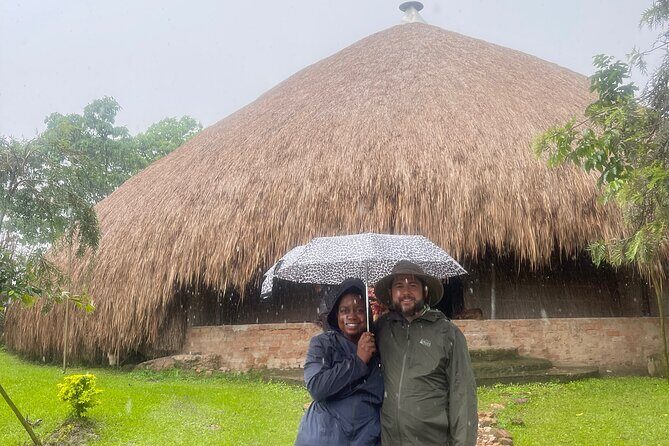
- Kasubi Tombs: the burial grounds that carry the most emotion
- Kabaka’s Palace: Buganda power, palace landmarks, and Iddi Amin’s shadow
- Gadaffi Mosque: the seven hills story plus a 360 city view
- Independence Monument and Old Taxi Park: quick stops with real context
- Price and value: what $55 buys you (and what you’ll still pay for)
- Who should book this tour (and who should plan differently)
- Should you book Kampala Cultural Tour with Twaha?
- FAQ
- How long is the Kampala cultural tour?
- Where do I meet the guide?
- Is this tour private or shared with strangers?
- What is included in the price?
- Are entrance tickets included for all stops?
- Is lunch included?
- Is the tour accessible for wheelchairs or strollers?
- What is the cancellation policy for a full refund?
Key things I’d plan around
- Private transport, low-friction touring so you’re not figuring out routes between sites
- Twaha as the guide, with history and culture explained in a clear, story-first way
- Royal burial sites with emotional weight, especially Kasubi Tombs
- Kabaka’s Palace areas, including the Iddi Amin torture chambers and palace landmarks
- Gadaffi Mosque viewpoint, built around the seven-hills story
- Short cultural add-ons like Independence Monument and Old Taxi Park
A practical way to understand Kampala and the Buganda kingdom
This is a history lesson you can walk through. The tour focuses on the Kampala area and the Buganda kingdom, so you’re not just hearing general facts—you’re seeing the specific places where people held ceremony, practiced leadership, and memorialized kings. That matters because Uganda’s culture isn’t one big thing; it’s made of local systems, clans, traditions, and beliefs that still influence daily life.
What I like about the pacing is that it’s structured but not rushed. You spend enough time at each stop to understand what you’re looking at, then you move on while the context is still fresh. The day also avoids the common problem of “too many stops, not enough explanation.” Here, the explanation comes first, then the site makes sense.
If you want an efficient introduction before you branch out on your own, this tour gives you the mental map. You’ll know what to ask later, and you’ll recognize the references people make when they talk about Buganda history.
You can also read our reviews of more tours and experiences in Kampala.



Meeting at the Kampala post office and getting around in private transport
You’ll meet your guide at the post office in Kampala, which is a simple landmark and helps you avoid the stress of hunting down a pickup spot. From there, private transport takes you between sites. That’s a big deal in a city setting, because you get the benefits of local guidance without adding travel-time chaos.
The tour is also built to be easy to participate in. It’s listed as wheelchair and stroller accessible, and service animals are allowed. Even if you’re not bringing mobility equipment, it usually means the route and timing are planned with real movement needs in mind.
One practical note: the tour duration is given as about 3 to 4 hours, but the highlights indicate it can run closer to around 5 hours depending on pace and time at each site. I’d plan your day with buffer if you’ve got another commitment later.
Wamala King’s Tombs: royal memory, guided into place
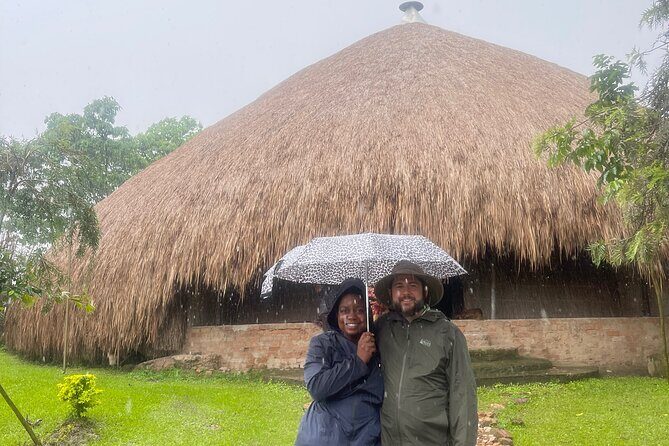
You start at Wamala King’s Tombs, where the focus is on how the Buganda royal line ties leadership to ancestry. The stop includes a historical description and the visit to Kabaka Ssuuna’s grave, plus time to understand what burial sites represent culturally—not just as monuments, but as meaning-filled places.
This is the kind of stop that can feel like “one more cemetery” if you show up with zero context. With a guide, it becomes more grounded. You start learning the language of power: who mattered, how kings were remembered, and how the kingdom treated death as part of continuity.
Time here is about 40 minutes, so you’ll get an overview rather than a lecture. The drawback is also simple: it’s not a slow, long sit-down. If you’re the type who wants to linger and read every marker, you might wish you had more time. Still, for an introduction day, it’s a smart opening.
Admission for this stop is not included, so budget for tickets if needed.
Kasubi Tombs: the burial grounds that carry the most emotion
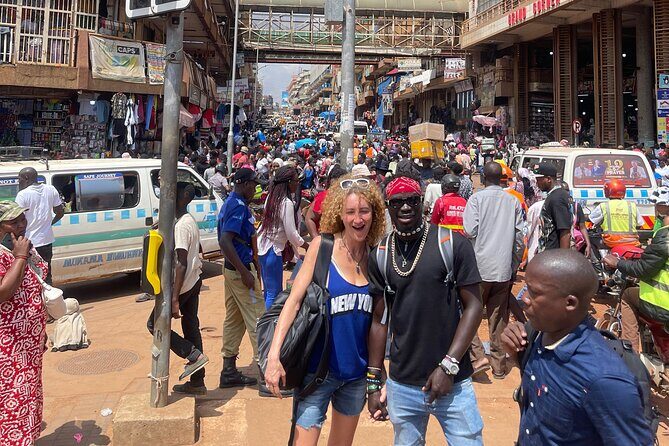
Next up are the Kasubi Tombs, described as burial grounds for the four kings. This stop tends to be the one that makes people pause. You’re not only looking at historical sites; you’re looking at cultural memory made physical.
Kasubi Tombs are often where the tour becomes personal in a good way. The history is important, but the bigger value is how you’re taught to see the place as part of belief and tradition—something living in the culture, not only frozen in the past.
You’ll get about 40 minutes here, which is enough for understanding without turning the visit into a marathon. Admission is not included for this stop either, so plan ahead so you don’t feel rushed when you reach the entrance.
Also, if you’re trying to photograph or take notes, keep an eye on timing and energy. This is an emotionally weighted visit, and the best experience comes from slowing down for a few moments rather than taking shots non-stop.
Kabaka’s Palace: Buganda power, palace landmarks, and Iddi Amin’s shadow
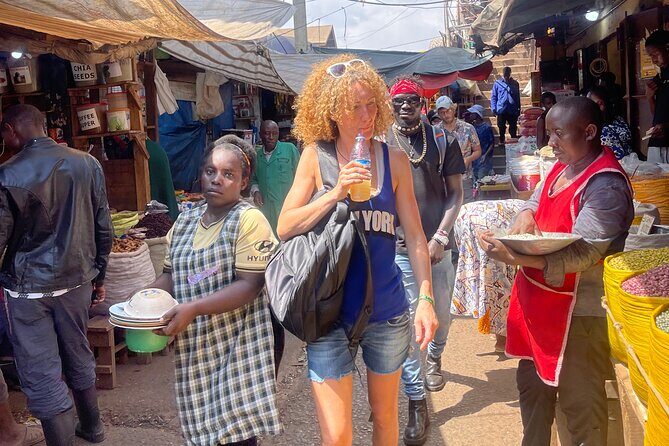
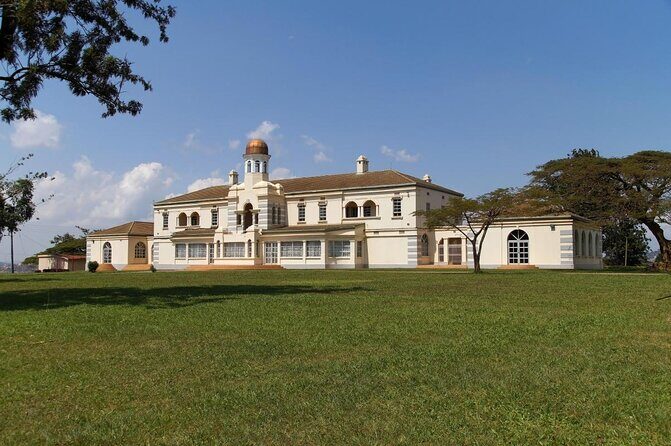
The biggest “big story” stop is Kabaka’s Palace. Here, the guide ties together the political history of the Buganda kingdom with the physical landmarks you’re seeing. It includes background on the kingdom, plus visits and explanations of areas such as the Royal mile, Kings Lake, Bulange Parliament, and the tortems of Buganda.
The stop also includes the Iddi Amin torture chambers. This is not light history, so if you prefer only celebratory cultural sites, this portion may feel heavy. But that’s exactly why it’s valuable: it shows how political violence and regime changes left marks on real spaces.
The tour allocates about 40 minutes for Kabaka’s Palace. That’s a practical length because the palace features multiple points of interest. You’ll hear the story in a way that connects each location, rather than hopping between unrelated spots.
Admissions for this stop are not included, so again, plan for tickets.
One more consideration: because this is a palace/history site, your experience depends a lot on the guide’s explanations. The good news is that the tour’s standout feedback consistently points to strong guiding and clear storytelling at places like this.
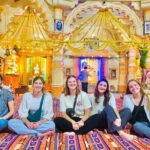

Gadaffi Mosque: the seven hills story plus a 360 city view
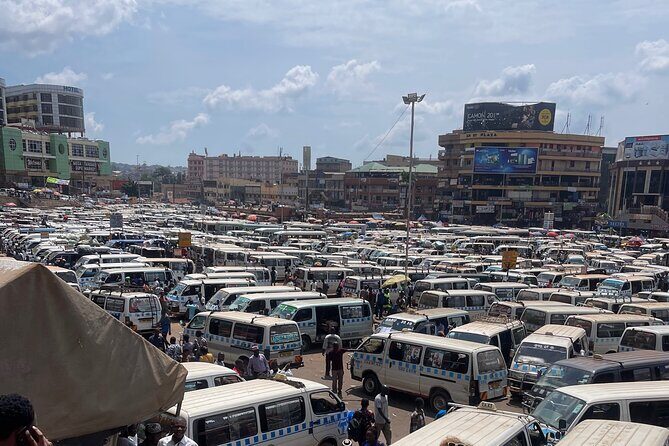
Then you shift from royal spaces to city geography at Gadaffi Mosque. The mosque visit includes the best 360 view of Kampala city, and it’s used to teach the history of the seven hills that originally made up the city.
This is a clever way to learn. Instead of only hearing about the city’s layout, you see it from above while the guide maps the story onto the skyline. You start noticing how hills and routes shape neighborhoods and movement, even if you don’t fully grasp everything at first.
Time here is about 40 minutes, with the payoff being both scenic and explanatory. Admission for this stop is included, which makes it easier to manage your day financially.
If you’re the type who loves photos, this is the part where you’ll likely feel glad you brought your camera gear. If you’re more about history than views, the payoff is still there, because the city form becomes part of the story.
Independence Monument and Old Taxi Park: quick stops with real context
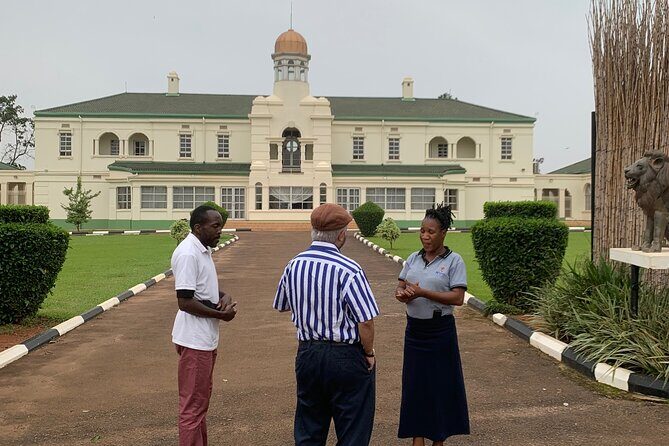
After the heavier history sites, the tour adds two short stops that are easy to overlook—but they help round out the picture.
At Independence Monument, you’ll spend about 5 minutes. The focus is on Uganda’s history and heritage before and after independence. It’s short, so treat it as a timeline anchor more than a full museum visit. Still, it’s useful when you’re later trying to connect the dots between royal-era history and the country’s modern state.
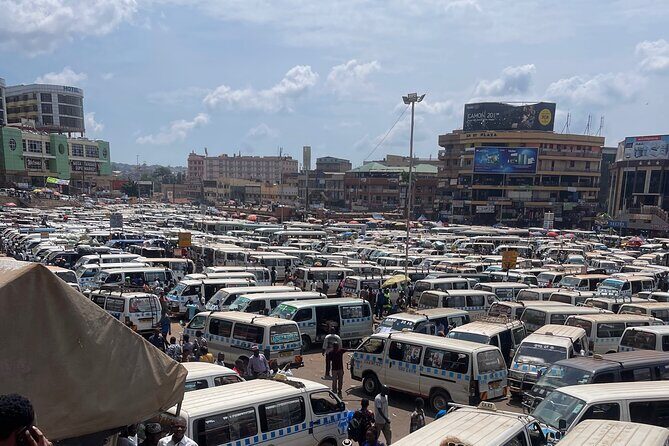
Then there’s Old Taxi Park, also about 5 minutes, where the tour explains the country’s transport system. Again, brief, but that’s the point. These last-minute stops give you everyday context, so the day doesn’t feel trapped in the past.
Both of these are listed with free entry (Independence Monument is free, and Old Taxi Park is free). That’s a nice value add, and it helps keep the day feeling balanced.
Price and value: what $55 buys you (and what you’ll still pay for)
At $55 per person, this tour is priced for accessibility. You’re paying for a guided walk-through of major sites in Kampala plus private transportation between them. For a city like Kampala, transport time adds up fast if you’re doing this on your own without local help—so the included rides are part of the value.
The main tradeoff is entrances. Several stops are listed as admission ticket not included, including Wamala King’s Tombs, Kasubi Tombs, and Kabaka’s Palace. Gadaffi Mosque is included, and the two short cultural stops are free. So your total day cost will depend on the entrance fees you encounter at the paid sites.
Another “hidden value” factor is the guide. The strongest feedback emphasizes that Twaha explains history and culture in a way that connects dots, including religious and historical angles. Even if you know a bit already, a guide helps you avoid guessing what you’re seeing.
If you want a smooth, guided intro to Kampala and Buganda, this price can make sense. If you’re traveling super budget and hate paying for tickets everywhere, then you’ll want to set expectations and plan your entrance-fee budget.
Who should book this tour (and who should plan differently)
This tour fits best if you want:
- A focused first look at Kampala’s culture and Buganda history
- A guided explanation at high-impact sites like Kasubi Tombs and Kabaka’s Palace
- A mix of serious history and city-view learning at Gadaffi Mosque
- A day structured enough that you’re not wandering between attractions
It may be less ideal if you:
- Want lots of free time to explore each site at a slow pace
- Are sensitive to heavy political history sections, especially the Iddi Amin torture chambers
- Are working with a very tight schedule, since the day can run closer to around five hours
If you’re coming solo, this is also a strong option because the tour keeps you together with a guide and uses private transport. That combination reduces the mental load of figuring out logistics while still getting local context.
Should you book Kampala Cultural Tour with Twaha?
I’d book it if you want an efficient, guide-led introduction to Kampala that goes beyond surface sightseeing. The tour’s best strength is how it turns major cultural and historical sites into a connected story—starting with royal tombs, moving through palace history, and finishing with a view that makes the city’s geography understandable.
If you’re going, bring patience and budget for entrances at sites where tickets are not included. Also, give yourself room for the emotional weight of burial and political history stops.
If your goal is to leave Kampala with real context—what matters, what changed, and how the city grew from its hills—this tour is a solid choice.
FAQ
How long is the Kampala cultural tour?
The tour is listed as about 3 to 4 hours, and the highlights also say it can take around 5 hours depending on pacing.
Where do I meet the guide?
You meet your guide at the post office in Kampala.
Is this tour private or shared with strangers?
This is a private tour/activity. Only your group will participate.
What is included in the price?
Private transportation is included, and you’ll receive a mobile ticket.
Are entrance tickets included for all stops?
No. Wamala King’s Tombs, Kasubi Tombs, and Kabaka’s Palace list admission tickets as not included. Gadaffi Mosque includes admission, while Independence Monument and Old Taxi Park are free.
Is lunch included?
No, lunch is not included.
Is the tour accessible for wheelchairs or strollers?
Yes. The tour is listed as wheelchair and stroller accessible.
What is the cancellation policy for a full refund?
You can cancel for a full refund if you cancel at least 24 hours before the experience’s start time. If you cancel within 24 hours, the amount paid is not refunded.