REVIEW · KAMPALA
1/2 Mabamba Swamp Shoebill Tour
Book on Viator →Operated by Beautiful Safaris Uganda · Bookable on Viator
That strange shoebill sight can happen fast. Mabamba Swamp is where Uganda’s most elusive “shoebill stork” comes to breathe and hunt, and the whole trip is built around increasing your chances with local eyes and local rhythm. I like how the guides are born and raised in the area, so they read the swamp the way you’d read a familiar path.
What I also like is the practical boat strategy once you’re on the water. You’ll search by wooden boat in the swamp, and there’s a good chance the team will adjust your setup (including using a smaller boat when conditions call for it) so you can keep scanning efficiently. One thing to plan for: lunch and breakfast are not included, so you’ll want to eat beforehand and maybe bring a snack.
In This Review
- Key highlights you’ll care about
- Why Mabamba Swamp is the shoebill target in Uganda
- Getting to the swamp from Entebbe without turning your day into chaos
- The boat ride: what two hours on the swamp really feels like
- Stop at the Mabamba Swamp shoebill site: how the search strategy works
- Guides who are from the swamp, not just tourists with binoculars
- What to bring and how to watch for a shoebill stork
- Price and value: is $130 a fair deal for a private half-day?
- A note on timing, weather, and how the day can shift
- Who should book this shoebill hunt, and who might prefer another day
- Should you book the 1/2 Mabamba Swamp Shoebill Tour?
- FAQ
- How long is the 1/2 Mabamba Swamp Shoebill tour?
- What time does the tour start?
- Where does the tour start and end?
- Is this tour private or shared?
- What’s included in the price?
- What isn’t included?
- What happens if the weather is poor?
- How far in advance is this usually booked?
Key highlights you’ll care about
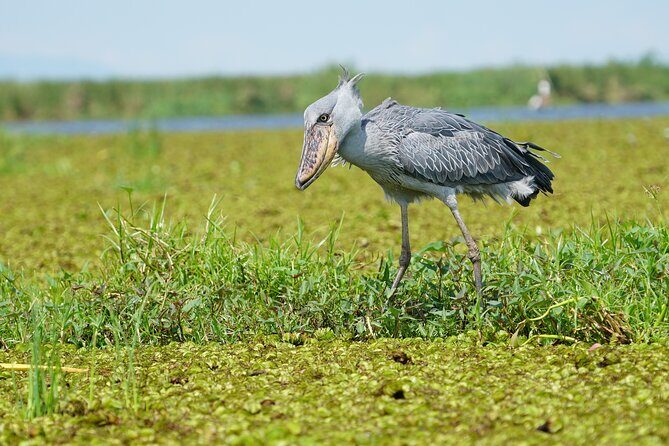
- Mabamba Swamp is the main shoebill hotspot in this area, with plenty of other birds in the same habitat
- Local guides with real swamp know-how help you focus your time where shoebills are most likely to be
- Two hours on the water gives you time to slow down, scan, and enjoy the papyrus-lined scenery
- Wooden-boat searching means you’re in the habitat, not just viewing it from the edge
- Private transportation from Entebbe area keeps the schedule tight and simple
Why Mabamba Swamp is the shoebill target in Uganda
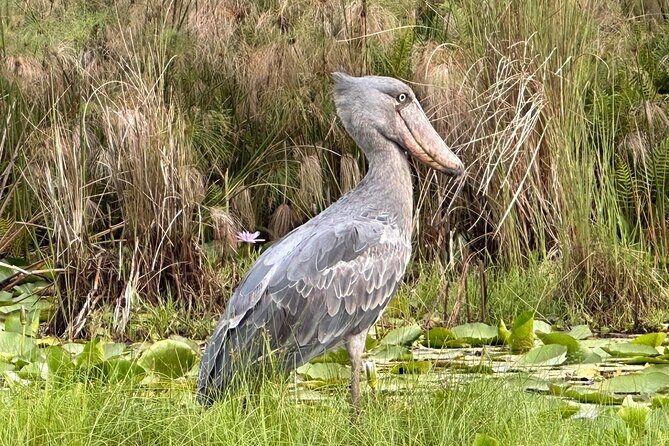
If you’re chasing the shoebill stork, you’re not just chasing a bird—you’re chasing a specific kind of place. Mabamba Swamp is famous in Uganda because it has the wetland structure shoebills need: calm water channels, papyrus edges, and enough food in the water to support long hunts.
When you arrive at the swamp area, you’re not stepping into a sterile “birding spot.” You’re entering a real bird community. In this part of Uganda alone, you’re in a region reported to support about 330 bird species. That means even if your shoebill viewing is delayed, you’re still likely to be seeing other species through the same boat-based search—like papyrus-associated birds and smaller water birds that pop up around the vegetation.
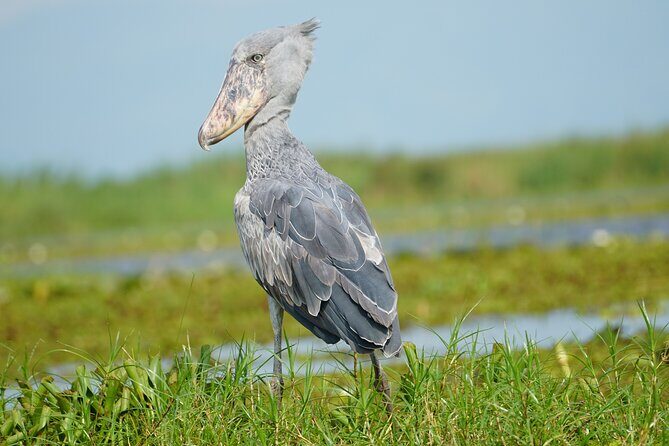
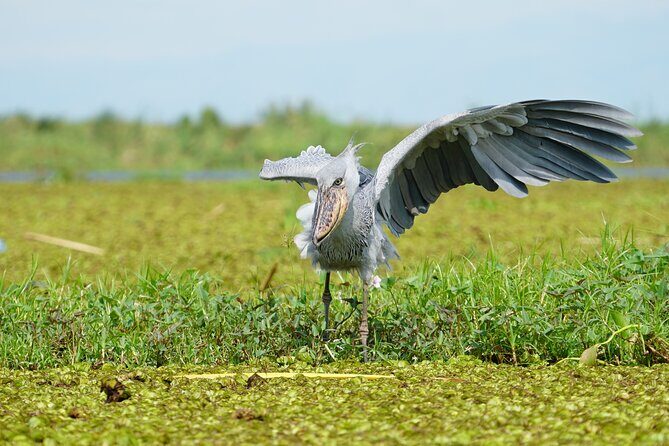
And the shoebill itself is an unforgettable reason to be here. This bird feeds mainly on fish, so your time on the water has a built-in logic: follow the waterlines, watch for movement near the shallows, and let the guide’s knowledge point you toward the likely zones. It’s a different feeling than ticking off a bird from a checklist. This is more like waiting for a creature you know exists, and then realizing it’s right there in front of you.
You can also read our reviews of more tours and experiences in Kampala.

Getting to the swamp from Entebbe without turning your day into chaos
This half-day trip runs on a clear schedule, starting at 8:00 am. You’ll meet at Entebbe Airport and the activity ends back at the same meeting point, which makes it easy to plug into the rest of your Uganda itinerary.
I like that the transport is private, not a shared scramble. You’re not dealing with surprise delays caused by collecting multiple groups. Instead, you get picked up (pickup is offered) and you go directly toward Mabamba using the commonly used route via the Nakiwongo landing site.
The ride also matters because you’ll be heading into a wetland environment. Those early hours help you get on the water with better conditions for observation. And since the trip is about 5 hours total, it’s long enough to be worth it, but short enough that you’re not losing an entire day just to chase one bird.
One more practical note: the tour includes bottled water. That sounds basic, but in a swamp day you’ll feel the difference—especially when you’re sitting quietly and scanning for long stretches.
The boat ride: what two hours on the swamp really feels like
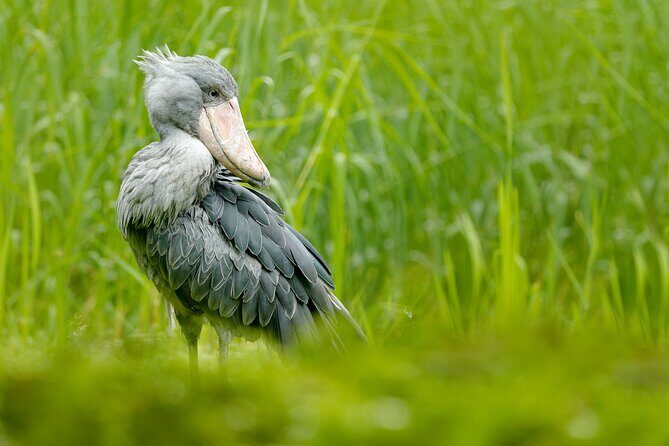
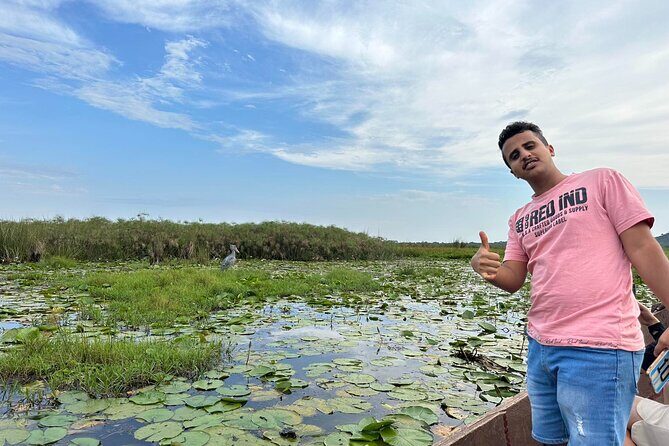
Once you’re at the landing area, you switch into the heart of the experience: boat searching across the swamp. The trip is designed around slow, deliberate movement on the water, using wooden boats. That detail matters more than it sounds. Wooden boats help keep the pace calm and controlled, so you’re not constantly fighting noise and wake while you’re trying to spot subtle motion.
Expect cool breezes coming off the water and views packed with swamp plants along the shore. This isn’t about rushing toward a distant landmark. You’re reading the swamp—papyrus edges, shallow water pockets, and the kind of stillness where a large bird can remain hidden until the moment it decides to move.
The official time on the swamp is around two hours exploring. In that time, you’ll be scanning for shoebills and also paying attention to the rest of the birdlife using the same habitat. The same water system that holds a shoebill can also support smaller, active birds.
Here are some of the species the trip’s setting is likely to connect you with:
- Shoebill stork, which feeds largely on fish
- Blue-breasted bee-eater
- African pygmy goose
- African and lesser jacana
- Pied kingfisher
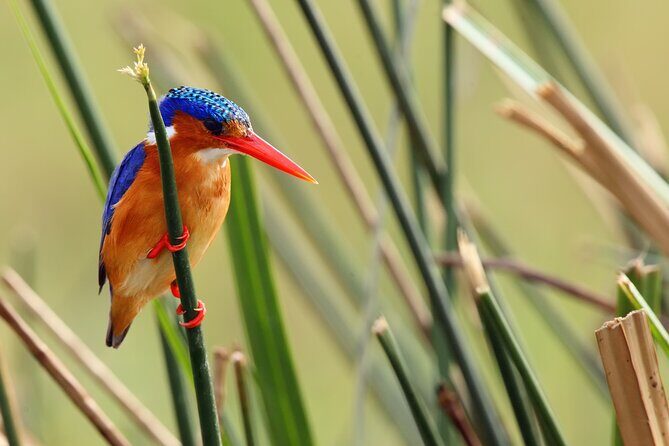
And because the swamp connects to papyrus habitat, you may also encounter birds that tend to live around those wetland plants, including species mentioned for the wider route such as papyrus gonolek and blue swallow.
Stop at the Mabamba Swamp shoebill site: how the search strategy works
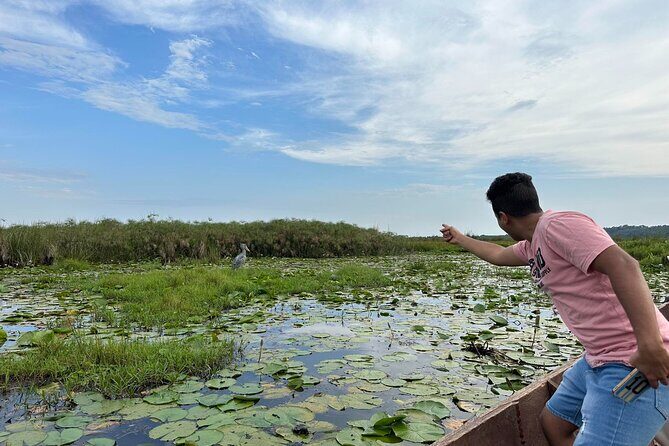
The core of the trip is the shoebill search at the Mabamba Swamp shoebill site. You’ll head out using the Nakiwongo landing site route, and your guide’s job is to translate “shoebill territory” into something you can actually scan for.
Shoebills are not the kind of bird that appears on command. So the experience is built around maximizing your chances by working the right habitat and using the right pace.
Practically, you should expect long moments of careful watching, followed by sudden bursts of excitement when the guide spots something worth focusing on. One of the key strengths here is that the team knows what to look for in how the swamp behaves—where fish activity seems likely, where water movement changes, and what part of the shoreline is more promising than another.
There’s also a flexible element in how you’re moved around. The search is done by boat, and if conditions change—like visibility, passage size, or how the bird responds—the team can shift tactics. That could mean staying on the same craft, or it could mean moving to a smaller boat for closer, more efficient scanning in tighter areas. The point is simple: they don’t treat the day as one fixed plan.
That flexibility is one of the reasons this outing feels higher-success than the typical half-day “go look around” style.
Guides who are from the swamp, not just tourists with binoculars
One of the biggest quality markers in this tour is the guide team. The guides are born and raised in this region, and that local background shows up in how the day is run.
On a shoebill trip, you don’t win by spotting random birds faster. You win by staying focused in the right places long enough for a shoebill to show itself. Local knowledge helps with that: knowing how the birds move through the habitat, where they tend to spend time, and how to read the swamp conditions that affect visibility.
I also appreciate the human side described here: the guides are friendly and easy to work with. On a quiet wildlife trip, good communication matters. It keeps you from wondering if you’re missing something, and it helps you stay calm when the best sightings come after patience, not instant results.
If you’re the type who wants the experience to feel guided—rather than something you pay for and then wing it—this setup is a good match.


What to bring and how to watch for a shoebill stork
You’ll get bottled water, but you’re responsible for the rest of your comfort. For me, the swamp day works best when you show up ready to sit still and pay attention.
Here’s what I’d prioritize:
- Binoculars if you have them: scanning across papyrus edges is easier when you can zoom in steadily.
- A light layer: cool breezes can show up over the swamp, especially in the morning hours.
- Comfortable shoes or sandals: you’ll be moving around the landing area, and you’ll want grip.
- A snack: not required, but wise since lunch and breakfast aren’t included.
Watching tips, without overcomplicating it:
- Keep your attention on areas your guide highlights. Shoebills can be motionless for long stretches, so constant shifting can make you miss the moment they move.
- Let your guide decide when to change position. That’s usually where the day’s “luck” becomes “planning.”
- Enjoy the other birds too. Even when the shoebill is quiet, the swamp can reward you with smaller action—especially around water edges.
If you go in expecting a miracle on your timetable, you’ll feel disappointed. If you go in expecting a guided hunt in real habitat, you’ll get more out of every minute.
Price and value: is $130 a fair deal for a private half-day?
At $130.00 per person, this is not a budget “quick stop.” It’s priced like a private wildlife outing, and that’s exactly how it should be judged.
What you do get for that price:
- Shoebill trekking in the swamp
- Private transportation
- Landing and facility fees
- Bottled water
- Mobile ticket
The biggest value driver is the private setup. You’re paying for time efficiency and a guide team that’s focused entirely on your group, during the window when shoebill spotting is possible.
The trip is also short enough to fit into a wider Uganda plan. At around 5 hours, you’re not spending your whole day on transit and logistics.
What’s not included is also worth noting: alcoholic beverages, lunch, and breakfast. So if you want a full day of comfort, you’ll need to handle food separately. That’s the main trade-off against the price—everything else is fairly straightforward.
Also, this tour is a good example of paying for local expertise. Hunting shoebills is a skill game. If you’re hiring the people who know the swamp best, the cost makes more sense.
A note on timing, weather, and how the day can shift
This experience requires good weather. That matters because wetland conditions can change what’s possible for boat movement and sightlines.
If the day can’t run due to weather, you’ll be offered a different date or a full refund. That’s one of those details that sounds like paperwork until you need it—then it suddenly matters a lot.
So I’d plan your schedule with some breathing room. Don’t stack multiple fixed commitments that leave you no options. Keep the day flexible enough that, if conditions aren’t right, you can move the outing without ruining everything else.
Who should book this shoebill hunt, and who might prefer another day
This tour fits best if you:
- Want a private, guided wildlife outing
- Are specifically chasing shoebills in Mabamba Swamp
- Like early starts and focused half-days
- Appreciate seeing other wetland birds in the same outing, not only one target species
It’s also described as suitable for most travelers, which helps if you’re not trying to do anything extreme. And since it’s private, you don’t have to worry about sharing the boat time with strangers who may not be as patient.
If you’re mainly looking for a long, leisurely nature walk or a full day of meals and rest stops, you might find the half-day format tight. But for an efficient shoebill attempt—this is the kind of outing that earns its place in a Uganda itinerary.
Should you book the 1/2 Mabamba Swamp Shoebill Tour?
I think you should book it if your priority is a real shoebill chance, with local guides, wooden-boat searching, and enough time on the swamp to give the hunt a fair shot. The private transport and included fees keep the day simple, and the two hours on the water give you room to actually look.
I would also book it if you’re comfortable handling food separately and you know how to dress for a cool, breezy wetland morning. If you need lunch included or you can’t manage an early start, you’ll want to prepare a bit more.
For a half-day trip, this strikes a strong balance: you’re paying for expertise and habitat time, not just a ride and a distant view.
FAQ
How long is the 1/2 Mabamba Swamp Shoebill tour?
It’s about 5 hours in total.
What time does the tour start?
Start time is 8:00 am.
Where does the tour start and end?
It starts at Entebbe Airport in Entebbe, Uganda, and ends back at the same meeting point.
Is this tour private or shared?
It’s private. Only your group participates.
What’s included in the price?
Shoebill trekking in the swamp, private transportation, landing and facility fees, and bottled water are included.
What isn’t included?
Alcoholic beverages, lunch, and breakfast aren’t included.
What happens if the weather is poor?
If it’s canceled due to poor weather, you’ll be offered a different date or a full refund.
How far in advance is this usually booked?
On average, it’s booked about 54 days in advance.