REVIEW · KAMPALA
3 Days Bwindi Gorilla Trekking tour
Book on Viator →Operated by East African Jungle Safaris ltd · Bookable on Viator
Gorillas in Bwindi feel brutally real. This 3-day gorilla trek route is interesting because you get full-day logistics handled while you focus on the real payoff: a guided walk and one-hour gorilla viewing once you’re found. I like that the trip includes transport from Kampala, plus park fees, meals, and lodging so you’re not juggling details in a remote area. The only drawback to plan for is the physical reality: the trek can run from about 1 to 8 hours, plus there’s a long drive day to reach Bwindi.
I also like the human side of how this experience is run. Coordinators such as Ruth show up in the feedback as quick to respond and flexible when pickup details change, and guides like Alan, Ronnie, Sam, Peter, Gerald, Faruk, and Ronald are repeatedly mentioned for making the days feel organized (not rushed). Still, the exact walking time in Bwindi depends on where the gorillas are that day, so you’ll want a mindset of patience, not a tight stopwatch.
In This Review
- Key highlights at a glance
- 3 days in Uganda for one wild mission
- Price and value: what $1,850 covers (and why it can be worth it)
- Kampala to Bwindi: the Equator stop and the long road reality
- Bwindi headquarters at 7:45: what the trekking day actually feels like
- After the gorillas: moving to Lake Bunyonyi in cool-weather country
- Lodging and meals: what’s included and why it matters
- Transportation and timing: getting picked up and staying on track
- Trek fitness: how to judge if this is right for you
- Who this tour suits best (and who might want alternatives)
- Should you book this 3-day Bwindi gorilla trek?
- FAQ
- What are the main places this tour visits?
- Where does the tour start, and what time?
- How long is the tour?
- What’s included in the price?
- How long will I spend with the gorillas once they’re found?
- How strenuous is the trekking?
- What happens if weather is bad?
Key highlights at a glance
- 7:45 a.m. briefing at the park headquarters before you start your search
- Equator photo stop on the drive to Bwindi for a fun, quick detour
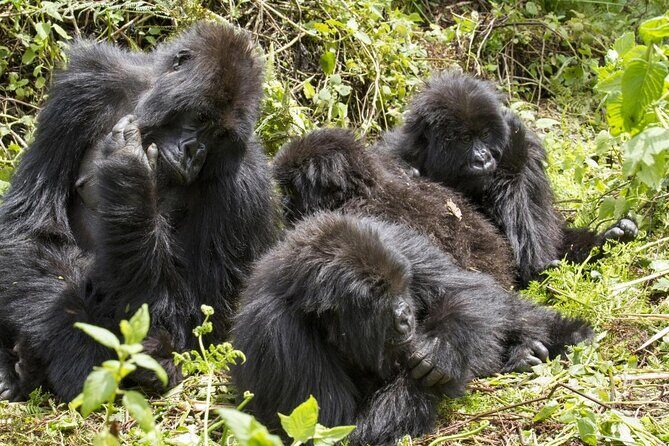
- Gorilla tracking can take 1 to 8 hours, with a set one-hour gorilla viewing slot once found
- Lake Bunyonyi transfer after the gorilla day, with cool-weather scenery in western Uganda
- All lodging, meals, transport, and park fees included, so you travel lighter and worry less
3 days in Uganda for one wild mission
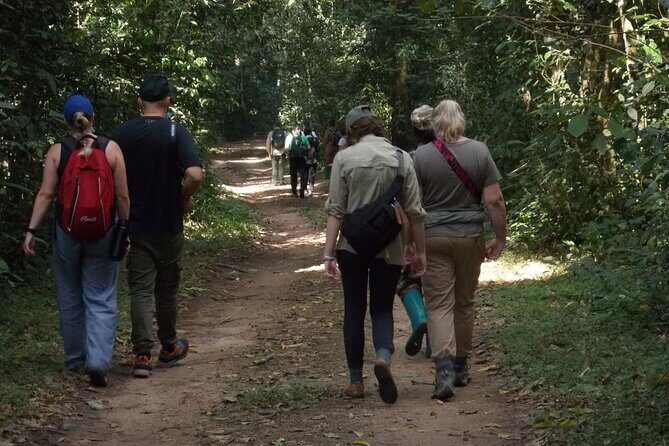
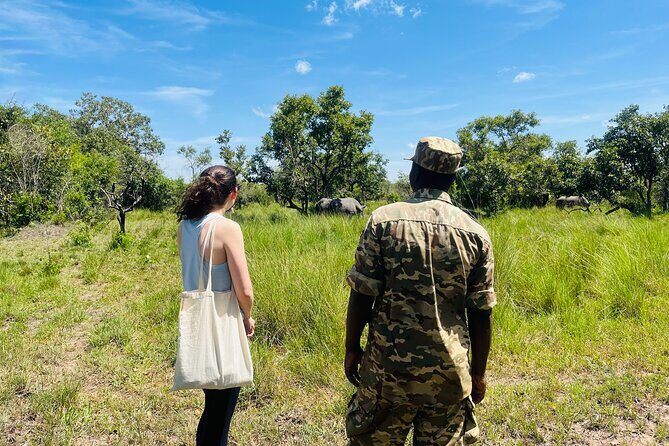
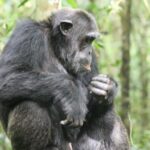
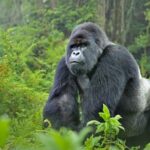
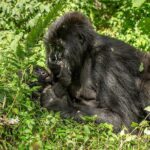
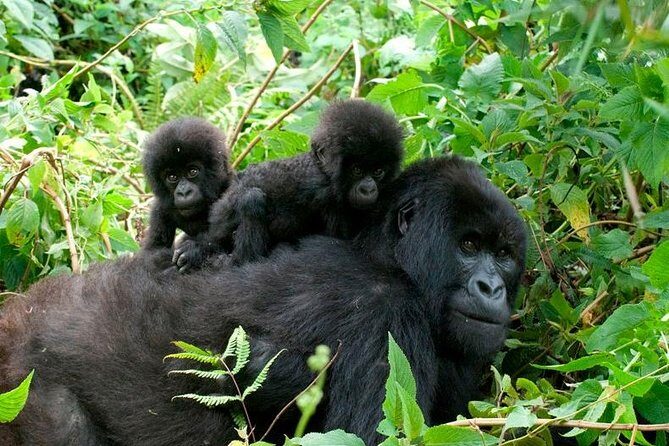
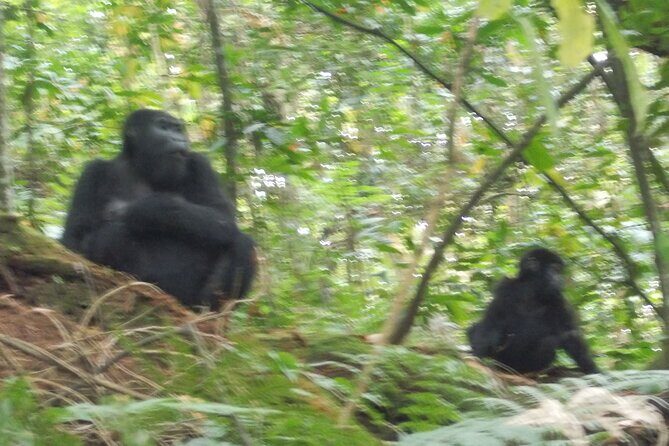
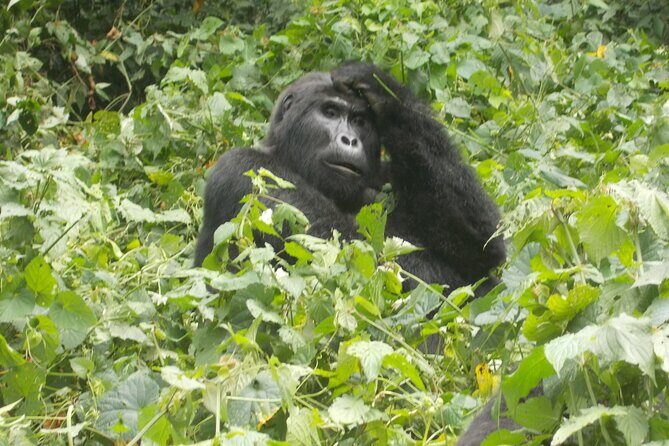
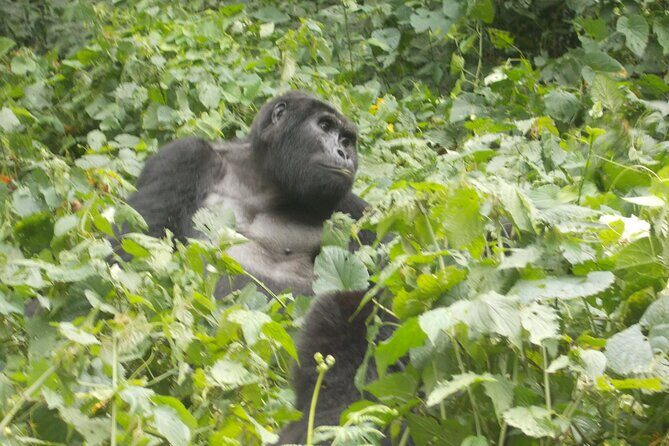
This is a safari built around one main goal: seeing mountain gorillas in their natural forest habitat at Bwindi Impenetrable National Park. You’re not just getting a sighting from a vehicle window. You’re going on foot with guides and trackers, following trails through thick forest conditions until the group finds the gorillas.
The “3 days” format mostly means you get two travel-and-recovery days plus the gorilla day. Bwindi is far enough from Kampala that the drive matters. The itinerary also adds two high-value nature stops: a break at the Equator and time around Lake Bunyonyi, often described as cool and scenic even though you’re near the equator.
What you should expect is not perfect predictability. The gorilla walk length changes based on the day’s conditions and the gorillas’ location. But once you’re with the family, you get the kind of focused, rule-based viewing that makes gorilla trekking different from almost everything else in Africa.
You can also read our reviews of more hiking tours in Kampala

Price and value: what $1,850 covers (and why it can be worth it)
At $1,850 per person, this isn’t a budget outing. But gorilla trekking in Uganda is expensive by nature: permits and park fees, protected tracking systems, and the cost of getting people into a remote conservation area all add up.
The value here is that the package is designed to reduce friction. National park fees are included, along with transportation, lodging, bottled water, and meals (with dinner listed plus three lunches). You’re also told a mobile ticket is provided, which matters when you’re moving between rural stops. In short, you’re paying for “less hassle” as much as you’re paying for the gorilla day itself.
If you’ve ever tried to organize a gorilla trip piecemeal, you’ll understand why these packages feel popular. Permits and timing are the hard part. The feedback around this operator repeatedly highlights coordination strength, including help with permits for specific dates. For you, that translates into confidence that someone is tracking the details so your trek date works.
Where the cost might feel heavy is if you’re the type who thinks the drive is wasted time. It isn’t. That long route is part of the journey, and it buys you access to Bwindi’s protected habitat, plus scenic stops along the way.
Kampala to Bwindi: the Equator stop and the long road reality
Day one is the “get there” day, and Uganda roads are not the same as highways at home. Expect an 8 to 9 hour drive after breakfast from Kampala toward Bwindi Impenetrable National Park. This is why the tour is structured as a multi-day itinerary: you need the day-by-day pacing to arrive without exhausting yourself completely before the trek.
A fun break is built in: a stop at the Green Equator on Masaka Road, where you can stand in two hemispheres at the same time and take photos. It’s quick, but it’s memorable. I like stops like this because they give your trip a story moment, not just a time lapse of sitting in a car.
There’s also a lunch stop en route. On a drive this long, that matters more than people think. It prevents the “snack scavenger hunt” that can drain your energy before you even start thinking about the trek.
Practical tip: plan to hydrate early. Bottled water is included, but you still want to sip consistently during the drive. The trek day is physically demanding enough without starting it dehydrated.
Bwindi headquarters at 7:45: what the trekking day actually feels like
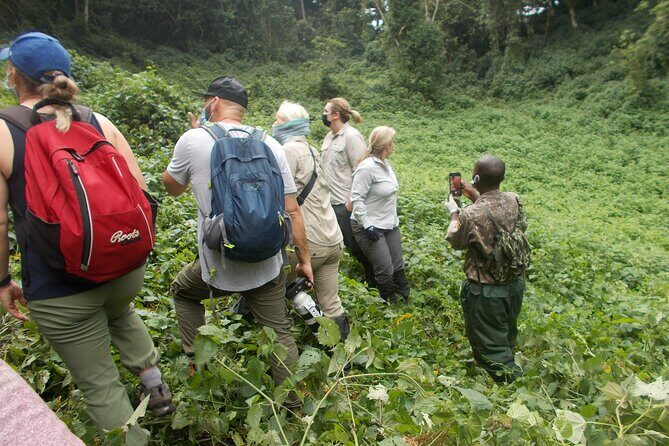
Your gorilla day begins with an early rhythm: breakfast, then a move to the park headquarters where your group gets a rules briefing around 7:45 a.m. This briefing isn’t ceremonial. It’s the operational backbone of the experience because it sets how close you can go, how you behave around wildlife, and how your movement works once you find the gorillas.
Then the search begins. You trek through thick forest conditions with your guides and trackers. The walking time can be about 1 to 8 hours, which is a huge range on purpose. Bwindi gorilla trekking is not a conveyor belt. The time depends on where the gorillas are and how quickly the trackers can locate them.
Once you find the gorillas, you get one hour with them. That “fixed time” is key for the whole conservation system. It also helps you experience the moment with focus rather than rushing to cram it all into a few minutes.
Here’s what you should mentally prepare for:
- Uneven ground and vegetation that slows you down
- A pace that changes hour to hour
- Time that may start calm and later become steep or muddy, depending on conditions
The good news: you’re not doing this alone. Guides are a big part of why people rate this tour highly. Names that come up often in feedback include Alan and Ronnie, with drivers like Eddie and Ronald also mentioned as solid in handling route navigation and timing. Even when pick-up details changed for some travelers, the trip was still described as well-managed. For you, that means fewer surprises.
After the gorillas: moving to Lake Bunyonyi in cool-weather country
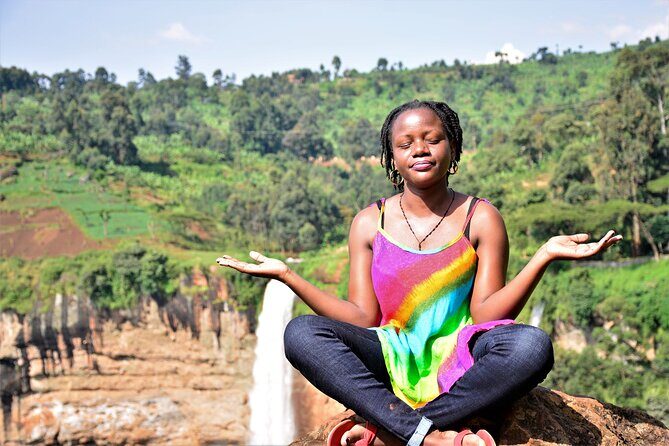
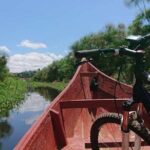
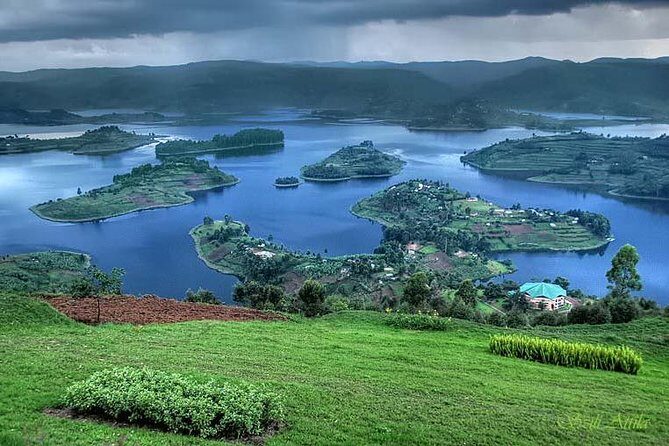
After the gorilla viewing slot, the itinerary shifts from the intense forest mission to a more scenic pace. You transfer toward Lake Bunyonyi, described as one of the most beautiful places in western Uganda. The region is often nicknamed the Switzerland of Africa for its cooler conditions despite being near the equator.
This part of the trip is not just sightseeing. It’s also recovery time. The gorilla trek takes energy out of your body. Bunyonyi gives you breathing room: quieter moments, lake views, and a chance to enjoy Uganda without constant uphill effort.
You’ll likely spend time settling in around the lake after the trek day. Lodging can vary, but feedback frequently mentions Rushaga Gorilla Lodge / Rushaga Gorilla Havens as a stay that people felt good about. That said, don’t treat any lodge name as guaranteed from this data alone. What’s clearly supported is that lodging is included, along with meals.
What I like about building the tour around Bunyonyi is that it balances the trip. You end with a natural, restful setting instead of immediately jumping back into another long drive straight after the gorillas.
A few more Kampala tours and experiences worth a look
Lodging and meals: what’s included and why it matters
This tour includes all lodging, meals, and transportation, plus bottled water. Lunch is listed as included for three days, and dinner is listed as included too. That means you’re less exposed to the “what will I eat tonight” stress that can hit on wildlife trips where you’re far from city options.
Why that matters: gorilla trekking is a full-body effort. If meals are inconsistent, you feel it fast—low energy, slower recovery, and less enjoyment. Including meals lets you plan your day around eating at sensible times rather than hunting.
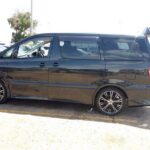
Also, the tour is set up as a guided experience, and you’ll have a driver/guide handling the road logistics. This reduces decision load when you’re moving between Bwindi and Bunyonyi.
Group size is also part of the comfort equation. The tour is described as private, meaning only your group participates. That tends to make the day feel more controlled. It can also help with timing when you’re dealing with unpredictable trek lengths.
Transportation and timing: getting picked up and staying on track
The tour includes pickup, and the meeting point is listed as Entebbe, Uganda with a start time of 7:00 a.m. You’ll also return to the meeting point at the end of the activity. The itinerary notes a transfer back toward Kampala and then onward to Entebbe for flights.
This “end with airport access” structure is helpful. It’s easy to waste a travel day if an itinerary ends in the wrong location. Here, you’re guided back toward Entebbe so you can connect onward.
One thing I appreciate from the feedback: when people needed pickup points adjusted, the operator handled it. It sounds minor, but it’s huge on remote routes. It reduces the risk of showing up late to a trek briefing because the pickup details didn’t line up.
Trek fitness: how to judge if this is right for you
The tour asks for moderate physical fitness. That’s honest. Bwindi treks move through dense undergrowth and can require sustained effort even if you’re not sprinting uphill.
Because trekking time can range from 1 to 8 hours, you should judge your fitness based on stamina, not speed. Think: can you handle a long day of uneven footing and keep going at a steady pace?
If you do manage well with hiking, you’ll likely find the experience rewarding because you’ll be able to focus on what matters—tracking, seeing the forest, and then the gorilla moment.
If you struggle with long periods of walking, steep climbs, or getting back up after a slip in mud, you might find the trek hard even if your guides do the best they can. In that case, talk with the tour provider about your situation before you commit.
Who this tour suits best (and who might want alternatives)
This tour is a great match if you:
- Want a guided gorilla trekking trip with logistics handled
- Prefer a private group setup rather than mixing with strangers
- Enjoy adding a scenic stop like the Equator and Lake Bunyonyi
- Are okay with the fact that trek timing can vary
It might not fit you as well if you:
- Want a light, short walk where you can control the duration closely
- Feel nervous about long overland driving days
- Are tightly scheduled and can’t be flexible about how gorilla tracking plays out
Should you book this 3-day Bwindi gorilla trek?
I’d book it if you want an organized path to Bwindi with strong day-to-day handling. The package structure is what makes it work: park fees included, lodging and meals built in, and experienced guides and drivers showing up repeatedly in feedback. The Equator photo stop and Lake Bunyonyi add meaning and variety, so you don’t just spend three days in transit and forest.
One decision point for you: look at the trek as the main event and accept uncertainty as normal. If you can handle a long walk and unpredictable timing, you’re exactly the person this trip is designed for.
If you want gorilla trekking but have very limited mobility or stamina, you should ask questions early about how they handle pace and group support.
FAQ
What are the main places this tour visits?
This tour is based around Bwindi Impenetrable National Park for gorilla trekking. It also includes a stop at the Green Equator on Masaka Road and time around Lake Bunyonyi.
Where does the tour start, and what time?
The meeting point is Entebbe, Uganda, and the start time is listed as 7:00 am.
How long is the tour?
The duration is listed as 3 days (approximately).
What’s included in the price?
The included items list national park fees, bottled water, dinner, lunch (3), and a driver/guide. The tour also states that lodging, meals, and transportation are included for a hassle-free experience.
How long will I spend with the gorillas once they’re found?
After the gorillas are located, you get one hour to stay with the gorillas.
How strenuous is the trekking?
The tour says travelers should have a moderate physical fitness level. The trek itself can take from about 1 to 8 hours, depending on the situation in the forest.
What happens if weather is bad?
The experience requires good weather. If it’s canceled due to poor weather, you’ll be offered a different date or a full refund.