REVIEW · KAMPALA
Bwindi impenetrable Kenya Tanzania Gorilla Safari 14 days 13 nights
Book on Viator →Operated by Inspire African Safaris · Bookable on Viator
Gorillas pull you into the moment fast. This 14-day, private route strings together Bwindi gorilla trekking, chimpanzees in Kibale, classic Kenya safaris, and Tanzania’s Ngorongoro Crater for a full East Africa wildlife storyline.
What I like most is the way the trip stacks primate time up front, then shifts into big-game drives with clear pacing and sensible overnight bases.
I also really like the Uganda side for variety: early chimp tracking in Kibale plus a community-run stop at Bigodi wetland. The only real drawback to plan around is the effort level and travel time: the gorilla trek can involve walking 20 minutes to three hours, and you’ll spend multiple days moving between countries and parks.
In This Review
- Key highlights you’ll feel on the trip
- A route that actually makes sense: Uganda to Kenya to Tanzania
- Kibale chimp trekking plus Bigodi wetland: Uganda’s primate double feature
- Bwindi gorillas: gentle animals, real walking, and photo time
- Mount Kenya stopover with Tree Hotel-style viewing in Kenya
- Maasai Mara: full-day Mara time plus an early drive rhythm
- Lake Manyara and Ngorongoro: crater day is the payoff
- Price and value: what $18,000 covers (and what it doesn’t)
- Service level matters: Richard and Edmond support
- Practical tips to make this safari easier
- Should you book this Uganda-Kenya-Tanzania safari?
- FAQ
- How long is the safari?
- Where does the safari start, and what time do we meet?
- Is pickup included?
- Which countries and main wildlife areas are included?
- Are air tickets included in the price?
- What meals are included?
- Is this a private tour?
- Is free cancellation available?
Key highlights you’ll feel on the trip
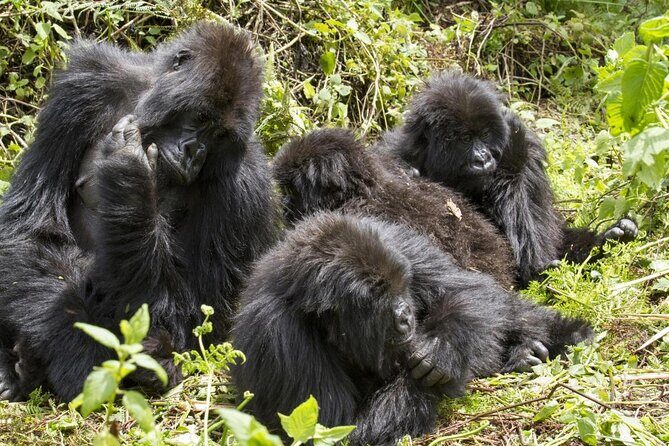
- Bwindi gorilla trekking in the real forest rhythm with time to reach your assigned family and time to watch and photograph.
- Kibale chimpanzee trekking followed by Bigodi wetland, which is run with the local community.
- Great Rift Valley variety as the route moves from Kenya’s Maasai Mara into Lake Manyara and then the crater in Tanzania.
- Long-game-drive days, including a full Mara day and early starts when wildlife activity tends to be best.
- Planning help with real names attached, including support credited to Richard and on-the-ground guiding credited to Edmond.
A route that actually makes sense: Uganda to Kenya to Tanzania
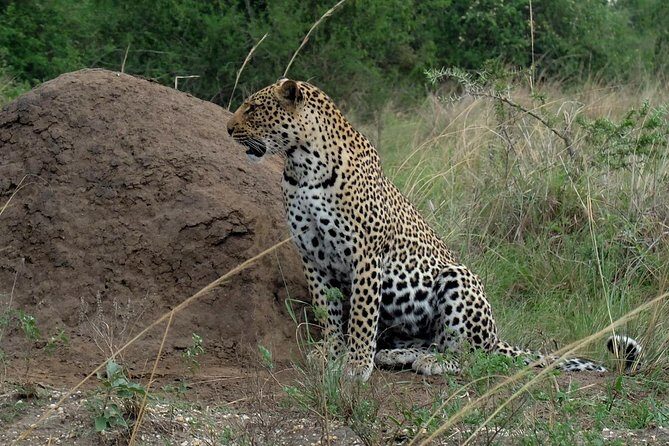
This is one of those safaris where the geography does the storytelling for you. You start in Uganda with two top primate experiences—chimpanzees and gorillas—then continue into Kenya for the big-game intensity people come for. After that, Tanzania brings the classic crater-and-forest mix, so you end the trip with a very different kind of wildlife day than what you started with.
You’ll also notice the trip is built for variety, not just repetition. Days include a mix of early mornings for animals (chimp trekking and crater game drives), plus afternoons for calmer viewing and specific add-ons like Bigodi wetland. Even when you’re on the move, the schedule keeps the focus on one main wildlife goal per day.
Since it’s a private tour, the pace is less “herding cats” and more “your group, your timing.” That matters when you’re dealing with walking time for primates, game-drive timing, and cross-border days.
A few more Kampala tours and experiences worth a look

Kibale chimp trekking plus Bigodi wetland: Uganda’s primate double feature
Kibale is where primates start to feel personal. After an early breakfast, you drive west to Kibale Chimpanzee National Park, then go into the forest for chimp trekking. The key thing here is that you’re not doing a quick drive-by. You’re in chimp habitat, following trackers and moving at forest pace until you reach the day’s chimp group.
What I like about pairing Kibale with Bigodi wetland is that it gives your brain a break. Instead of more forest searching, the afternoon shift turns into a slower, more varied nature stop. Bigodi wetland is managed by the local community, so you get a different kind of connection than you’d get from a purely park-focused day.
If you’re choosing between doing chimps in a hurry or giving them real time, this schedule leans toward the better option: you start early, then you still have a meaningful second activity afterward. It also helps you mentally shift gears before the gorilla days, which require more physical effort.
Bwindi gorillas: gentle animals, real walking, and photo time
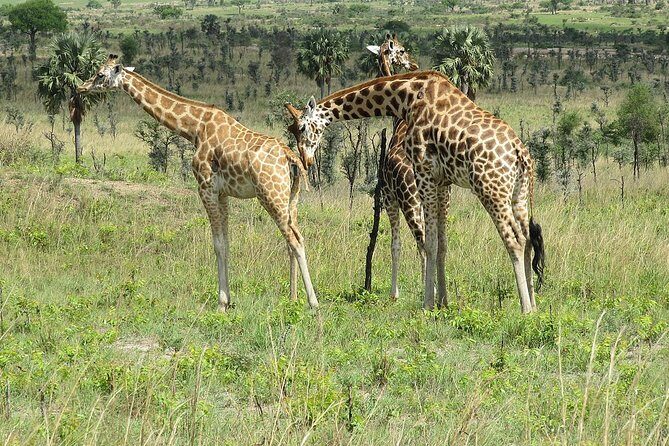
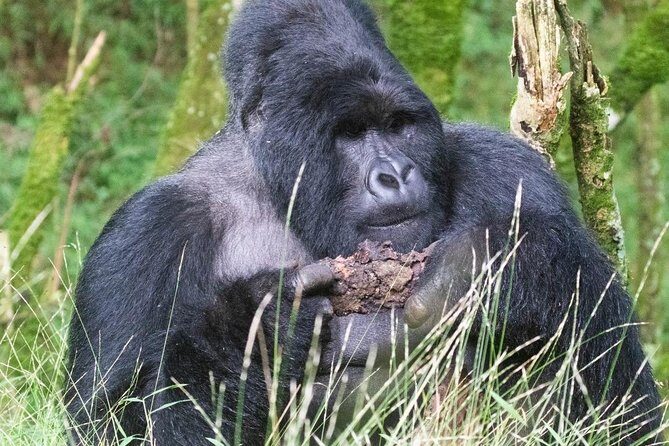
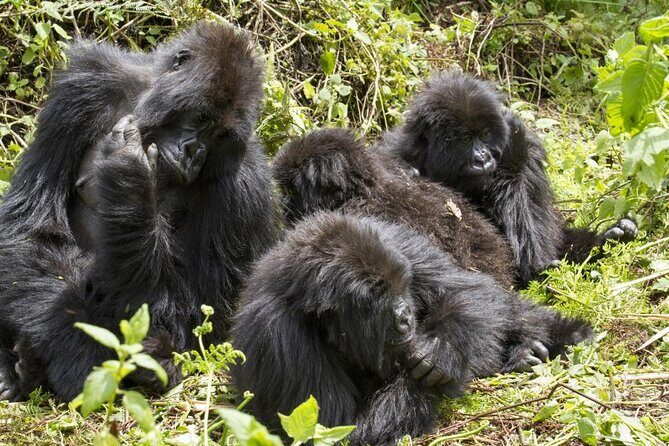
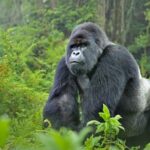
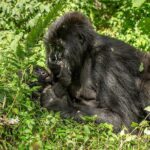
Bwindi Impenetrable National Park is the main event on this safari. After breakfast you transfer to Bwindi, and you may route via Ishasha Park—so you’re not just teleporting between waypoints. On the gorilla day itself, the trekking experience is structured around reaching your assigned gorilla family.
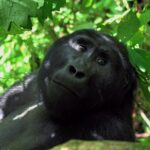
Here’s the practical piece you should plan for: reaching that family may involve walking from about 20 minutes up to three hours. That’s a wide range because trail conditions and animal movement vary. The good news is the gorillas themselves are described as gentle, and the experience is framed as unforgettable—especially when you can observe and photograph from close enough for meaningful details.
This is also where private guiding becomes more than a luxury. With a private setup, your group can take care of gear adjustments, rest breaks, and pacing without feeling rushed by a larger crowd. If you’re a photographer, treat this like a “slow down and wait” day: the best moments usually come after the hard part (finding the family).
Mount Kenya stopover with Tree Hotel-style viewing in Kenya
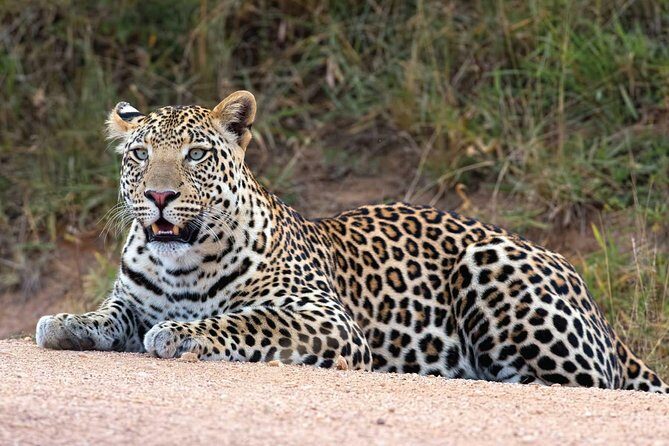
After your Uganda primate focus, the trip transitions with a flight back toward Nairobi, then into Kenya’s Mt. Kenya area. One of the standout pieces here is the plan to enjoy game viewing from the hotel’s balconies at the Aberdares, with an overnight at Serena Hotel and a specific focus on that late-day wildlife viewing window.
This is a smart pattern in a long safari: use the late afternoon and evening when animals may be easier to spot from a stable viewing point, then sleep so you can face the next big-drive day with energy. It also breaks up the day-to-day rhythm of constant movement.
In one piece of feedback associated with this type of safari, a hot air balloon ride and even a bush breakfast with giraffes were mentioned as memorable extras. The schedule you’re given here doesn’t list those as fixed activities, so I’d treat that as a reminder to ask your operator what’s available during your exact dates. If you can add the balloon ride, it’s one of those experiences that changes how you see the region from above and turns a standard day into a story you’ll remember longer than the drive itself.
Maasai Mara: full-day Mara time plus an early drive rhythm
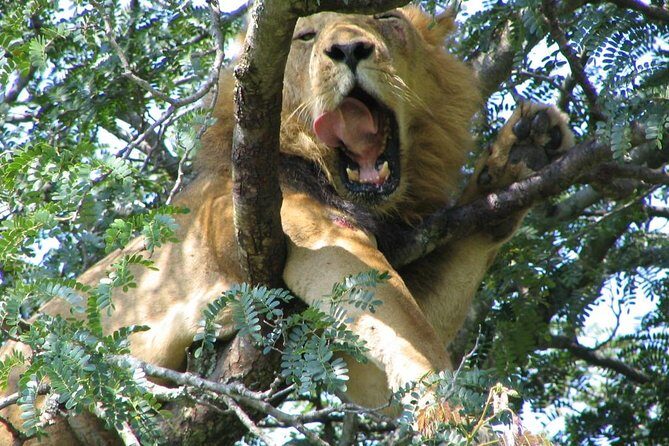
Kenya’s Maasai Mara is where the safari energy spikes. You drive across the Great Rift Valley, pass the Maasai town of Narok, and then arrive in the reserve. This sets you up for game drives that feel classic: morning viewing when animals are active, then afternoon to evening for different light and different behavior.
The schedule includes a full Mara day with game driving in the morning and again in the afternoon-evening. That matters because the Mara is not one “single mood.” You’ll often see more variety when you don’t compress it into one short outing.
Then you get a second shorter Mara day that starts early, followed by breakfast and return to Nairobi by mid-afternoon. That pattern gives you the core Mara experience without pulling you away from the Tanzania portion too late in the trip. It’s a balance move: Mara rewards patience, but this itinerary also needs room for Lake Manyara and Ngorongoro later.
Tip: even if you feel tempted to nap after lunch, consider staying mentally ready. Big cats and predators can show up when you least expect it, and the Mara often delivers best when you’re not rushing the day.

Lake Manyara and Ngorongoro: crater day is the payoff
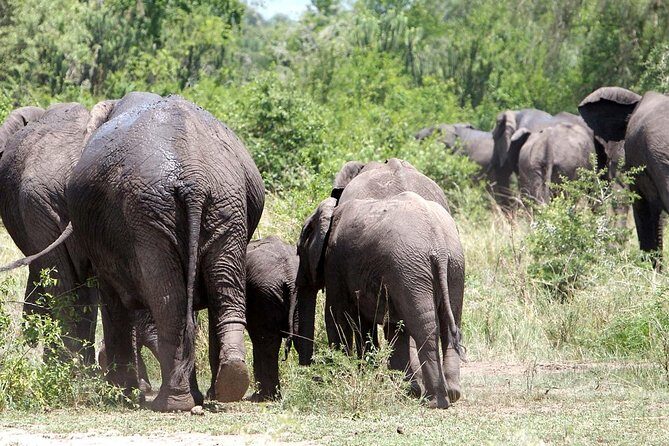
From Nairobi you move early by shuttle to Arusha, then continue to Lake Manyara National Park for an afternoon game drive. This is a good warm-up into Tanzania. Lake Manyara tends to feel like a different ecosystem compared to Mara, and you’re arriving when you can still get quality viewing time.
After that comes the heavy hitter: Ngorongoro Conservation Area and the Crater. You descend into the crater for a full day crater tour with picnic lunch, then ascend back to your lodge on the crater rim by dusk for dinner and overnight. Then you do an early morning game drive on the crater before transferring back toward Nairobi.
This is where you should shift expectations. In Mara, you’re driving the plains. In Ngorongoro, you’re playing the crater bowl—viewing from vantage points with a very strong sense that you’re surrounded by wildlife in a concentrated area. The schedule is built around that: full day down there, then another early start, because crater wildlife can change a lot as the morning light shifts.
If you like wildlife photography, this is one of the most practical parts of the safari. You’ll have time to work angles and wait for animals to approach or for behavior changes, rather than getting rushed by a tight timetable.
Price and value: what $18,000 covers (and what it doesn’t)
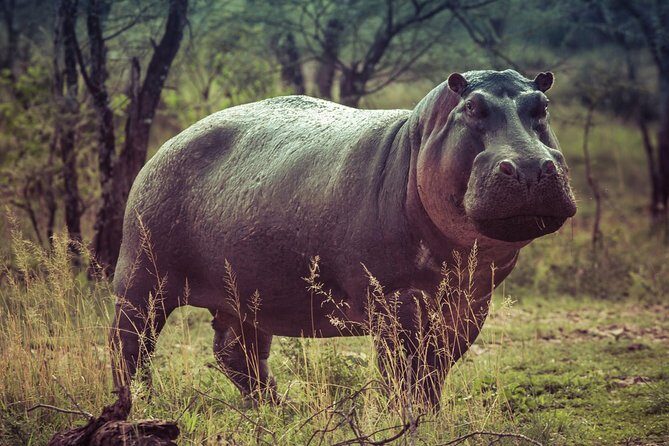
The price listed is $18,000 per person for 14 days and 13 nights. That sounds steep, and it is. But it’s also the kind of safari pricing that reflects private logistics, cross-border planning, and protected-area time across multiple parks.
What you get that helps justify the cost:
- All fees and taxes are included.
- Meals are covered: 12 breakfasts, 12 lunches, and 12 dinners.
- You get a private experience, with pickup offered.
What you should budget separately:
- Air tickets are not included.
So the real value question isn’t only the sticker price—it’s whether you want an itinerary that hits Uganda primates, Kenya big-game, and Tanzania crater wildlife in one go, with park fees handled and meals included. If you’re the kind of traveler who would otherwise piece together flights, permits, and private vehicles yourself, this bundled approach can feel like buying time and stress reduction.
Just double-check your own spending reality: if you’re adding flights, that can become the biggest variable. Also consider that long wildlife days often come with extra costs you might want to manage (tips, snacks, or gear), even when core meals are included.
Service level matters: Richard and Edmond support
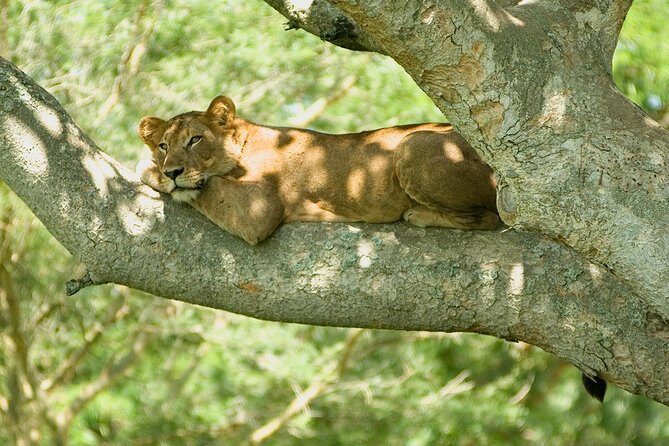
In feedback tied to this safari style, Richard is specifically praised for helping plan and for adjusting arrangements when needed. Another name that comes up is Edmond, credited for being a friendly, patient guide who helps make the trip run smoothly.
That kind of support shows up in small ways: being able to tweak the plan without breaking the schedule, having guides who know how to manage timing with animals, and keeping everyone calm when the day’s route changes slightly.
On a multi-country safari, this isn’t just “nice.” It’s the difference between a trip that feels coordinated and one that feels like a string of stressful checkpoints.
Practical tips to make this safari easier
1) Pack for early mornings and walking days. The gorilla trek can mean 20 minutes to three hours of walking to reach the family, so comfortable footwear matters.
2) Build a hydration and snack routine. Even with meals included, you’ll be out for long stretches during primate tracking and game drives. Keep a bottle handy.
3) Think in layers for forest and crater days. You’ll move between different weather patterns as you go from Uganda forests to Kenya plains to Tanzania crater conditions.
4) If you can, plan to be patient with wildlife timing. This itinerary schedules early starts because animals are more active then, but sightings aren’t guaranteed. Your best tool is time plus a good guide.
5) Bring a camera mindset, not a sprint mindset. With gorillas and crater wildlife, the best shots often happen after you’ve waited long enough for animals to settle or come closer.
Should you book this Uganda-Kenya-Tanzania safari?
If you want one trip that covers chimpanzees, gorillas, Maasai Mara, Lake Manyara, and Ngorongoro Crater without doing the heavy logistics work yourself, this itinerary fits that goal well. The inclusion of park fees and taxes, plus a large chunk of meals, makes the pricing feel more grounded than a barebones safari.
I’d book if you’re comfortable with a physically active gorilla day, and if you’re willing to accept long travel days as the cost of seeing multiple regions. I’d hesitate if you dislike early starts or you’re set on a slower, less moving itinerary.
FAQ
How long is the safari?
It’s a 14-day experience with about 13 nights.
Where does the safari start, and what time do we meet?
The start time is listed as 6:30 am, with the ticket redemption point at Inspire African Safaris, Abayita Ababiri Ngyesho Building Level 2 Room 5, Entebbe, Uganda.
Is pickup included?
Yes, pickup is offered.
Which countries and main wildlife areas are included?
You go through Uganda (Kibale National Park and Bwindi Impenetrable National Park), then Kenya (Lake Nakuru and Maasai Mara are mentioned in the summary), and then Tanzania (Lake Manyara National Park and Ngorongoro Conservation Area are included in the itinerary).
Are air tickets included in the price?
No. Air tickets are not included.
What meals are included?
Breakfast, lunch, and dinner are included for 12 days each, based on the listed inclusions.
Is this a private tour?
Yes. It’s listed as a private tour/activity, meaning only your group participates.
Is free cancellation available?
Yes. You can cancel for free up to 24 hours in advance of the experience’s start time for a full refund.
If you tell me your travel month and fitness level for that gorilla trek, I can help you sanity-check whether this is the right pace for you.