REVIEW · KAMPALA
3 -Day Private Gorilla Trekking Safari in Bwindi Forest
Book on Viator →Operated by Lifetime Experience Safaris - Private Day Tours · Bookable on Viator
Tracking mountain gorillas is a serious kind of thrilling. This private 3-day safari is built around a calm, full-service flow: early departure, quality mid-range lodging at Bakiga Lodge in Ruhija, and a day that runs on time so you can focus on the forest once you’re there. I especially like that the plan takes the boring stuff seriously—the gorilla trek preparation (gloves, insect repellent type, packed lunch) is spelled out clearly.
Another thing I like: the pacing after the trek is smart. Instead of racing straight back, you get a Lake Bunyonyi break with peaceful views and local village energy, then you ease into the long return day with a stop at the Equator. The main drawback to consider is that gorilla trekking has real rules: if you show signs of a cold/cough/flu or other infectious illness, you won’t be allowed to trek, so you’ll want to manage health and timing carefully.
In This Review
- What you’ll likely love (and plan for)
- The Bwindi start: why the drive day matters more than you think
- A small “think ahead” tip
- Bakiga Lodge in Ruhija: comfort that fits a trek schedule
- Possible drawback
- Day 2 at Bwindi: orientation, group assignment, and trek rules you can’t ignore
- How the group is chosen
- Health rules are strict (and that’s for a reason)
- What you carry and wear
- Trek timing and what to expect
- Altitude note
- The first big reset: Lake Bunyonyi right after the gorillas
- A realistic pacing note
- Day 3 back to Entebbe: long drive, smart breaks, and the Equator stop
- What you should know if you’re connecting flights
- Private value: what your $1,698 is really paying for
- When price might feel higher than expected
- Peak season reality check
- How the human touch shows up: guides, organization, and smooth communication
- Who this safari is best for (and who should think twice)
- Should you book this 3-day private Bwindi gorilla trek?
- FAQ
- What time does the safari start?
- Is the gorilla permit included in the cost?
- What lodging and meals are included?
- Is private transportation included?
- Do I need a daypack for the gorilla trek day?
- How long is the gorilla trek?
- Are gorilla permits limited during certain months?
What you’ll likely love (and plan for)
If you want a trip that feels private but not complicated, this one fits. In the reviews, people praised the smooth organization led by Jesse-Thomas and the on-the-ground guidance from Roland, plus the practical, stress-free way the itinerary was handled end to end.
| Key highlight |
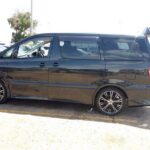
| Private transport with an English-speaking driver/guide so you’re not jumping between random shuttles |
| Gorilla permit included (listed at 700 USD) so the big permit step is already handled |
| Bottled water included in the vehicle and for the trek (2 liters on trek day) |
| Mid-range community lodge in Ruhija (Bakiga Lodge) after a scenic arrival drive |
| Lake Bunyonyi decompression right after the trek, not as an afterthought |
| Equator stop on the long drive back, with food and souvenirs built in |
The Bwindi start: why the drive day matters more than you think
Your safari begins early, with a 6:00 am start from Kampala (and the program can also begin from Entebbe). The point of that early push is simple: Bwindi gorilla trekking days run on strict timing, and you don’t want to be fighting traffic, fatigue, or check-in delays before you even reach the park area.
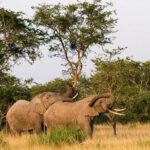
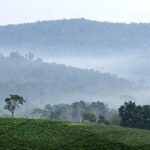
As you head into the Bwindi region, the drive is described as scenic, and that’s not just window-dressing. You’ll be moving through rolling hills and terraced mountain country, often compared to the Switzerland of Africa. The closer you get, the more the terrain signals that you’re in a special kind of ecosystem—steeper, greener, and more tightly packed with life than the lowlands.
Lunch is taken on the road in Mbarara, which is practical for a day that’s already long. Then you arrive in the late afternoon in the Ruhija area and check into Bakiga Lodge. It’s a small, community-owned and managed lodge—exactly the sort of place that tends to keep things grounded, calm, and low-drama after a travel day.
You can also read our reviews of more private tours in Kampala
A small “think ahead” tip
You’ll likely arrive tired on Day 1. Plan to treat this as rest time, not sightseeing time. Ruhija is where you recalibrate. You’ll thank yourself on Day 2 when the forest calls.
Bakiga Lodge in Ruhija: comfort that fits a trek schedule
Bakiga Lodge is positioned as a quality mid-range option, and it’s a lodge that matches the rhythm of gorilla trekking: early mornings, active days, and the kind of downtime that’s meant to restore you.
One detail you can count on is that meals are built into the plan. You’ll get 2 nights of lodging and all meals, including meals served outside the lodge during the tour. For me, that matters because Bwindi travel can be hectic when you’re trying to piece together food and cash payments day by day. Here, the menu planning is already part of the safari flow, and the lodge is noted as having a better quality menu.
Also, bottled water is included for the trek and is available during transit. That’s not a luxury add-on. Hydration in this region is a real comfort issue, and the program makes it easier by not treating water like something you have to figure out at the last second.
Possible drawback
If you’re the type who likes lots of amenities and late-night distractions, you might find the lodge vibe simple. But for a gorilla trek safari, simplicity is often the point.
Day 2 at Bwindi: orientation, group assignment, and trek rules you can’t ignore
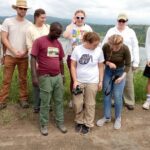
Day 2 is the heart of the trip. You’ll have an early breakfast and then be at the Bwindi Impenetrable National Park offices in Ruhija for mountain gorilla tracking orientation and to meet guides and get assigned into groups.
You’ll need a daypack. You’ll also be given a packed lunch (noted as coming from Haven Lodge) that’s included, plus two liters of bottled water for the trek. That’s a strong setup because it removes a lot of uncertainty while you’re walking.
You can also read our reviews of more hiking tours in Kampala

How the group is chosen
The Uganda Wildlife Ranger assigns your gorilla family group. The decision is made based on your age, level of fitness, and your preferences. In practice, that means you’re not just random—you’re sorted into the best-fit tracking situation.
Health rules are strict (and that’s for a reason)
If you have a cold, cough, flu, or other infectious ailments, you won’t be allowed to trek. This isn’t paperwork fluff; it’s a real policy that protects both people and gorillas. I’d treat it as a reminder to plan your health carefully in the days leading up to departure—sleep matters more than you think.
What you carry and wear
The trek guidance is very hands-on:
- Well-worn hiking boots
- Long trousers and a long-sleeved shirt for protection
- Non-perfumed insect repellent
- Gardening gloves, specifically for thorns and nettles
This is the part many people underestimate. Bwindi vegetation can be unforgiving, and gloves can mean the difference between feeling mostly fine and spending the trek annoyed and distracted.
Trek timing and what to expect
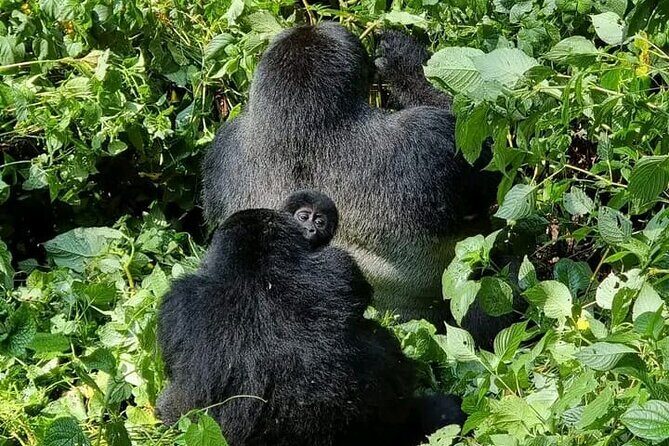
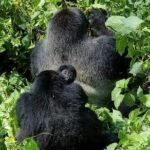
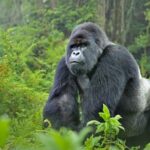
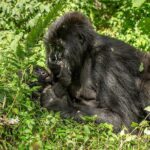
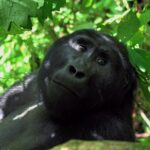
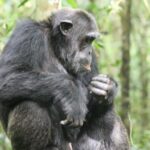
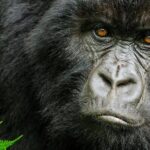
The trek runs about 3 to 5 hours. Pre-trackers are out locating the gorilla family you’ll visit, and that affects when you’ll start moving and how long you’ll hike. Your actual encounter is described as a once-in-a-lifetime moment because mountain gorillas can only be seen in the wild—this is not a zoo experience.
Altitude note
The trek is referenced as being in the Buhoma area, which is at a lower elevation. If you’re worried about altitude, this is reassuring: the plan specifically notes no altitude problems in that part of the trek.
The first big reset: Lake Bunyonyi right after the gorillas
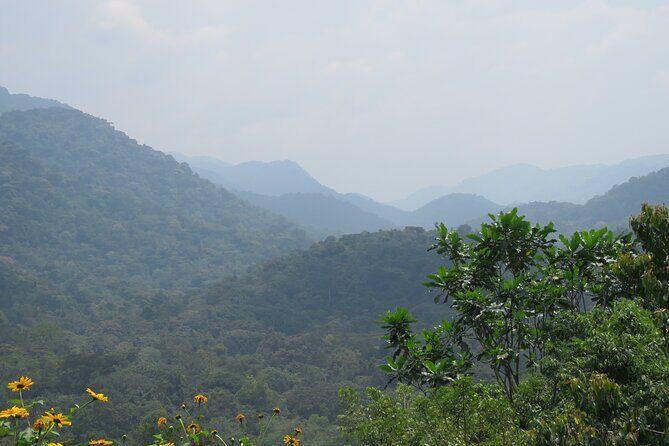
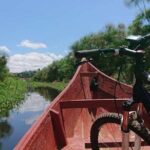
After the trek, you shift gears hard—in a good way. Lake Bunyonyi is positioned as the perfect place to relax. The lake’s surface is described as smooth with little wave action, because surrounding hills block strong winds. The result is a calm, reflective feel that’s a nice mental contrast to the intensity of the trek.
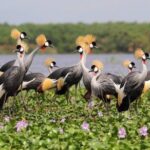
You also get a clear reason to visit beyond views: over 200 bird species have been identified there. If you like birdlife, you’ll probably spot activity right away. If you don’t, you’ll still likely enjoy watching boats, daily routines, and the way local communities live around the water.
The most valuable detail here is that Bunyonyi isn’t treated as a sterile tourist bubble. Towns like Kyevu and Muko are mentioned, and boats regularly carry villagers across the lake. That makes this stop feel more like a pause in local life than an isolated photo stop.
A realistic pacing note
You have about 2 hours 30 minutes for this segment. Don’t turn it into a checklist. Treat it as decompression: sit, breathe, look across the water, then head toward the next day’s long travel.
Day 3 back to Entebbe: long drive, smart breaks, and the Equator stop
Day 3 begins after breakfast with the return drive toward Entebbe (the itinerary describes about an 8-hour drive). The route includes a lunch halfway, which matters because this is Uganda road time—if you arrive starving, you’ll feel the trip drag.
The program also builds in a must-see stop at the Equator. You can take the traditional Equator photo, and you’ll have time for lunch, a snack, a drink, and souvenirs. This isn’t just kitsch. It’s a chance to stretch your legs, swap travel mode for break mode, and collect a few easy memories without hunting for food in the final push.
You arrive in Entebbe late afternoon. There’s an option to arrange a hotel day room to freshen up before a flight, and many people find a day room helpful for an unhurried dinner and a calmer departure.
What you should know if you’re connecting flights
Plan your buffer with your own comfort in mind. The itinerary arrives late afternoon, and if you’re sensitive to travel stress, that day room idea is worth considering.
Private value: what your $1,698 is really paying for
The price is listed at $1,698 per person. On paper, gorilla trekking safaris can look expensive, because the single biggest line item is the permit. Here’s the key: the permit is explicitly included as 700 USD in the package details, and the safari also covers 2 nights lodging, all meals, and private transportation, plus the services of an English-speaking driver/guide.
So you’re not just paying to “get to Bwindi.” You’re paying for a package that reduces decision fatigue:
- Your transport is arranged privately
- Your meal schedule is handled, including meals outside the lodge during the tour
- Your gorilla tracking day is supported with packed lunch and bottled water
- Your permit step is built in
There are also practical add-ons included in the program details: pickup offered, group discounts (noting the tour is still private for your group), and mobile ticket.
When price might feel higher than expected
If you already have lodging and guides lined up, you might feel this is priced as convenience. But if you want a “one plan, one bill, one flow” safari, the structure is doing work for you.
Peak season reality check
Gorilla permits are limited during June through October and December through March due to higher numbers of trekkers. If your travel window overlaps those months, start early—permits aren’t something you want to leave to the last moment.
How the human touch shows up: guides, organization, and smooth communication
The reviews highlight the kind of support that makes a big difference on safari. People praised Jesse-Thomas for making the process feel like it was actually under control—quick responses, patience with changes, and smooth handling of the itinerary and payment process.
They also praised guide Roland as a pleasure to be around, with organization that matched the reality of gorilla tracking: sometimes plans need to be adjusted to what’s happening on the ground.
One review also mentioned starting and ending in Kigali instead of Kampala, with airport pickup and transfer included. That suggests flexibility in how routes can be arranged depending on your broader trip.
Who this safari is best for (and who should think twice)
This 3-day private gorilla trek safari is best if you want:
- A private trip rather than a shared scramble
- A mid-range lodge base in Ruhija with meal coverage
- A clear, guided trek day with proper preparation materials
- A post-trek unwind at Lake Bunyonyi
You should think twice if:
- You’re not comfortable with strict health rules around infectious illness
- You prefer highly flexible, self-planned travel (this itinerary is structured for a reason)
- You dislike long drives (Day 3 is described as about 8 hours)
Fit-wise, the program says you should have moderate physical fitness. Trek length is 3 to 5 hours, and you’ll be walking with vegetation and obstacles—so your boots and your pacing matter.
Should you book this 3-day private Bwindi gorilla trek?
If you want gorillas and you want the trip to run cleanly, I think this is a strong choice. It’s built around the big pieces that can go wrong—timing, permit logistics, meals, water, and trek-day preparation—and it pairs the intense Day 2 with a calmer Day 3 and a well-placed Lake Bunyonyi break.
Book it if you like the idea of a private, full-service safari with experienced coordination and a guide who’s there for more than just driving. I’d especially like this format if it’s your first gorilla trek and you want clarity on what to pack and how the day works.
FAQ
What time does the safari start?
The start time is listed as 6:00 am.
Is the gorilla permit included in the cost?
Yes. The package details list a Gorilla trekking Permit @ 700 USD as included.
What lodging and meals are included?
You get 2 nights of lodging and all meals during the tour, including meals served outside the lodge.
Is private transportation included?
Yes. The tour includes private transportation with an English-speaking driver/guide.
Do I need a daypack for the gorilla trek day?
Yes. On Day 2, you’ll need a daypack.
How long is the gorilla trek?
The trek is described as lasting 3 to 5 hours.
Are gorilla permits limited during certain months?
Yes. Permits are limited during June through October and December through March due to peak-season numbers.