REVIEW · KAMPALA
4 Days Gorilla and Chimps trek safari
Book on Viator →Operated by Kaara Adventures · Bookable on Viator
Gorillas in Bwindi, chimps in Kibale. This 4-day Uganda primate safari pairs Bwindi gorilla tracking with a chimp trek plus a nature walk in Kibale’s Bigodi area, all driven by an experienced guide team and organized end-to-end from Kampala.
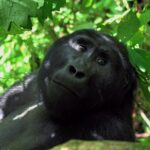
I like how the day structure is built around real tracking time, not just rushing between viewpoints. You get a rules briefing before you enter the forest, and once gorillas are found you’re given a focused sit—plus you’ll also get added stops like the Equator photo moment and Lake Bunyonyi’s calmer vibe. I also love the primate-focused guidance, including the kind of species spotting you can actually learn from on the trail.
One consideration: this is intense travel plus forest time. Day 1 includes a long Kampala-to-Bwindi drive (about 9–10 hours), gorilla trekking can run from 1 to 8 hours, and you’ll want moderate physical fitness so you can move comfortably through dense undergrowth.
In This Review
- Key moments that make this safari click
- Bwindi + Kibale in four days: a smart primate combo
- Day 1: Kampala to Bwindi, Equator photos, and a forest-camp night
- Day 2: Gorilla trekking—rules briefing, 1–8 hour hunts, and one hour up close
- Day 3: Lake Bunyonyi transfer, Kibale arrival, and Bigodi’s primate-and-bird walk
- Day 4: Chimpanzee trek briefing at 8:00 am and the walk through primate variety
- What you’re paying for: value, permits, and the real cost of “organized”
- Lodging in the forest zone: comfort without pretending it’s a spa
- Guides and safety: why this trip stands or falls on your team
- How to prep so the forest doesn’t beat you
- Weather and timing: what matters for success
- Who should book this 4-day gorilla-and-chimps trek?
- Should you book this safari?
- FAQ
- What’s included in the trip cost?
- Are there meals included each day?
- How long is the trek for gorillas?
- How long do you spend with gorillas once they are found?
- What time do chimpanzee trekking activities start?
- Is the tour private?
- What fitness level do I need?
- Is weather a factor?
- What’s the cancellation policy?
Key moments that make this safari click
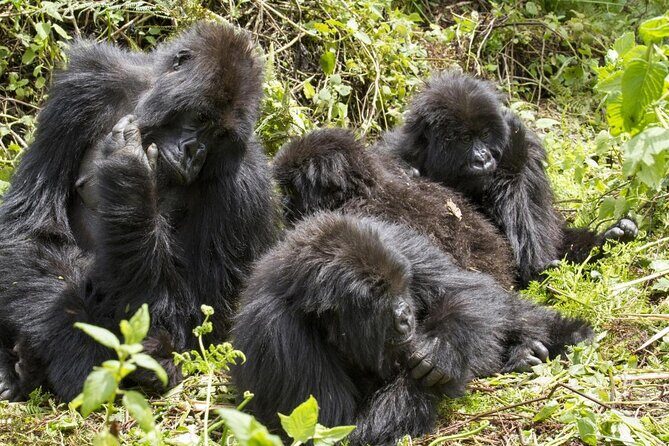
- Gorilla tracking with a briefing first, then one hour with the group once found
- Chimps in Kibale, plus extra primate spotting on the way
- Bigodi swamp eco-tour that mixes plants, birds, and forest life
- Equator stop for two-hemisphere photos before Bwindi
- Guides like Farouk, Gerard, Ronnie, and Tomson who emphasize safety and explanations
- Private, customizable touring so it’s only your group
Bwindi + Kibale in four days: a smart primate combo
If you’re chasing the big-name apes in Uganda, this itinerary hits a clean goal: one full day devoted to gorillas, then you switch to chimps and the broader primate scene in Kibale. You’re not just trying to check boxes. You’re learning how tracking works—how trackers find signs, how you’re expected to move, and how close you can realistically get.
Bwindi is the gorilla heavy hitter for a reason: you’ll trek through thick forest with animal trails helping tourists access the right areas. Kibale then adds variety, not only chimps but also the wider cast of primates and birds during the day’s walks.
The bonus is that the trip doesn’t ignore the rest of Uganda. You’ll pause at the Equator, pass through Fort Portal, and spend time around Lake Bunyonyi—so your “big apes” safari doesn’t feel like one long waiting room.
You can also read our reviews of more hiking tours in Kampala

Day 1: Kampala to Bwindi, Equator photos, and a forest-camp night
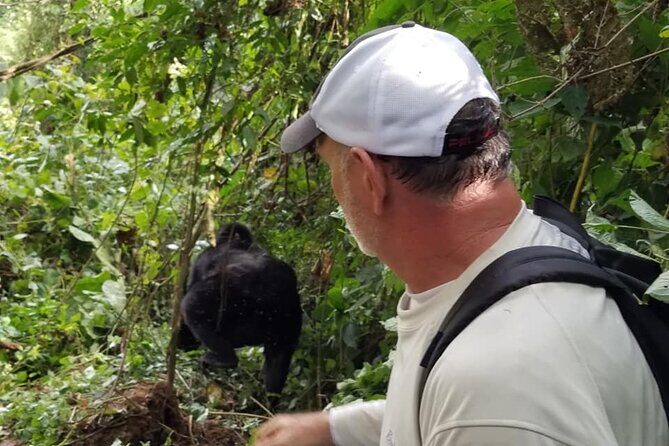
Day 1 is mostly about getting yourself into gorilla country. After an early breakfast, you’ll leave Kampala and head west for a long drive of about 9–10 hours toward Bwindi Impenetrable Forest National Park. Expect stops that break up the day so you don’t arrive frazzled.
One fun, genuinely useful stop is the Equator moment. You’ll be able to stand in two hemispheres at the same time and grab photos that feel different from the usual “pull over and stretch” routine. Then it’s back on the road through rolling green countryside and into the Bwindi region.
You’ll also have a lunch break in Mbarara town, then continue to Bwindi and arrive late afternoon. Your first night is at Broadbill Forest Camp, followed by dinner and overnight. This matters because you’ll wake up close enough to start early tracking without burning another morning in the car.
Small drawback: after a long drive day, your first “forest day” will feel physical even if you’re ready mentally. Plan on taking it easy once you arrive and keep water and snacks handy for the next morning.
Day 2: Gorilla trekking—rules briefing, 1–8 hour hunts, and one hour up close
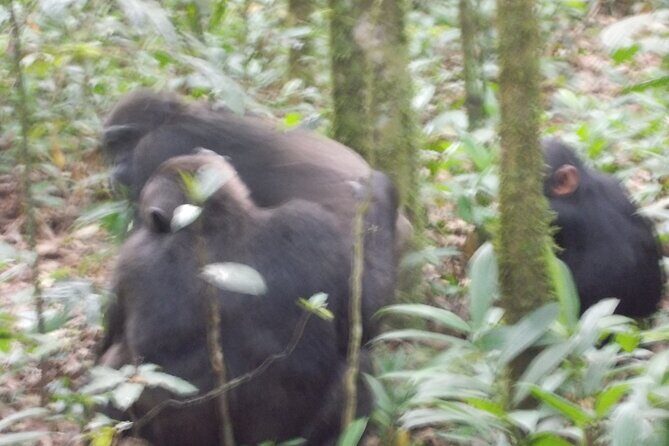
This is the heart of the safari. You’ll get an early breakfast, then head to the park headquarters for a briefing about gorilla trekking rules. The timing is early (7:45 am is noted), because forest movement works on a tight schedule.
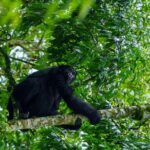
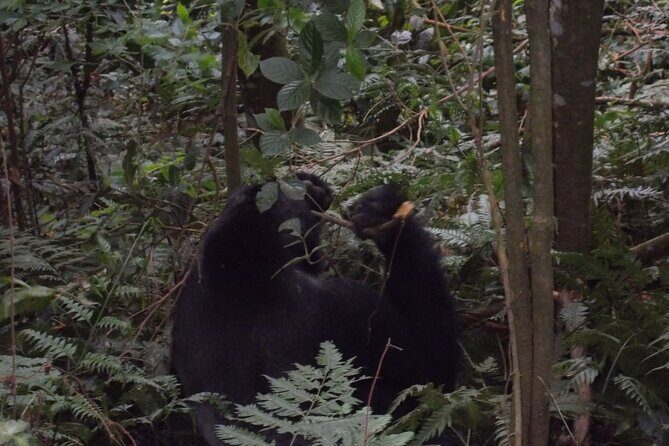
Then you enter Bwindi’s thick forest—dense with creepers and undergrowth. The trek itself can take anywhere from 1 to 8 hours, depending on where the gorillas are that day and how quickly trackers can locate their trails and signs. You’re not just walking; you’re following the guidance of your team as they read the forest.
Here’s what I like about this approach: it trains you to understand the day rather than panic about time. Dense forest is slow, and you’ll feel that. But the forest is also crisscrossed by animal trails, which is what gives tourists access to sightings.
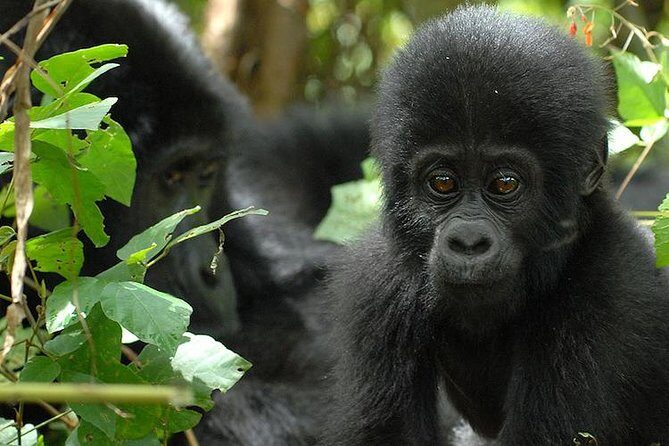
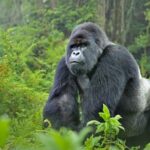
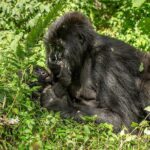
Once gorillas are located, you’ll have one hour with the group. That one-hour window is your real moment to slow down, watch behavior, and take photos carefully. After that, you transfer toward Lake Bunyonyi for the next leg of the journey.
Fitness note you should take seriously: even experienced hikers can feel this day in their legs. If moderate physical fitness is your limit, bring trekking shoes with grip and be honest with yourself on pace.
Day 3: Lake Bunyonyi transfer, Kibale arrival, and Bigodi’s primate-and-bird walk
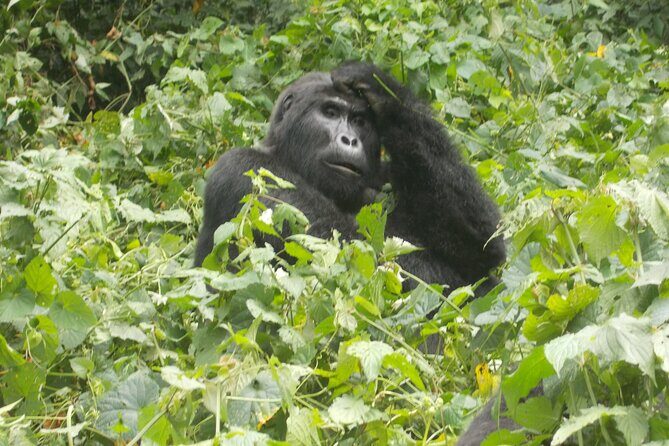
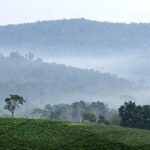
Day 3 shifts gears from gorillas to a broader primate day. After breakfast, you head toward Kibale National Park and arrive in the early afternoon. On the way, you may get a view of the “Mountains of the Moon” from the road near Fort Portal—one of those Uganda road moments that makes the long drive feel less like pure logistics.
After lunch in Fort Portal, you go to the Kibale area and visit Bigodi swamp for an eco-tourism walk. This is a different kind of experience than gorilla tracking: you’re walking more openly, scanning closely, and learning how to spot wildlife in a patchwork environment of plants and water.
Bigodi is known for uncommon plants and rare bird species, and the list here is specific: Great Blue Turacco, little Bulbul, Rwenzori Turaco, and the Narina Trogon, among others. You’ll also see the kind of forest behavior that’s hard to catch from a car window—birds hopping, insects moving through the undergrowth, and primates showing up when you’re quiet and patient.
You’ll have dinner and overnight in the Kibale region. The practical advantage is that Day 4 starts early, and you won’t want to be making another long transfer the morning you’re chasing chimps.
One small warning: this day can feel like a “second day of forest stamina,” especially if your gorilla trek ran long the day before. Hydrate well and don’t burn energy on unnecessary extra activities.
Day 4: Chimpanzee trek briefing at 8:00 am and the walk through primate variety
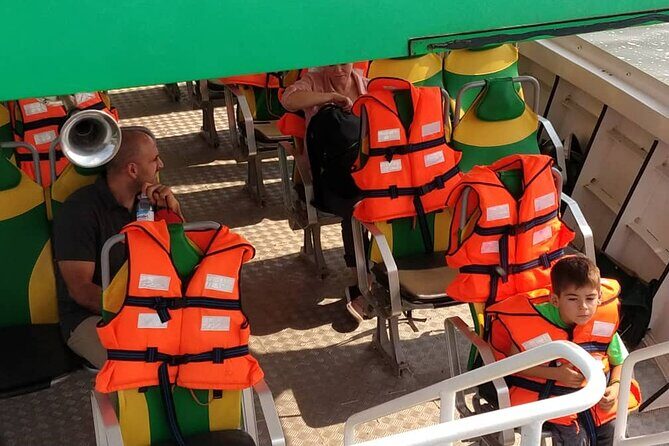
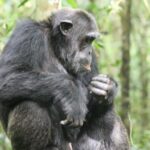
Day 4 is a half-day chimp adventure, built around a morning briefing. The activity begins at 8:00 am with rules for chimpanzee trekking, then you head into the forest to search for them. Half days in the jungle can be deceptive. Even without a full-day trek, you still move through thick growth and spend time waiting for sightings to happen.
On the way, you may spot other primates, and the itinerary lists a helpful set: grey cheeked mangabeys, phoestes, red-colobus, and both blue-tailed and red-tailed monkeys. Your guide’s job is to connect those sightings to what matters—how the animals live, how the forest supports them, and what to look for in plants, insects, and butterflies.
This is where a good guide really changes your day. If your guide is strong on explanations, your photos get better because you learn how to anticipate movement. If your guide is more quiet, you’ll still see plenty, but the “learning” side will be lighter.
After your trek, you return to the lodge for lunch and then head back to Kampala, arriving late afternoon. That end-of-trip timing is realistic—count on a long ride, and try to pack snacks so you’re not hungry when the day runs long.
A few more Kampala tours and experiences worth a look
What you’re paying for: value, permits, and the real cost of “organized”
The price listed is $2,470 per person, and it’s often booked about 67 days in advance. For many people, that number sounds high until you look at what’s being managed: long overland transfers, forest-area accommodation, and guided treks timed to park schedules.
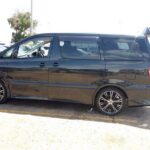
You’ll also see that pickup and drop-off are included, along with transportation and accommodation. Meals are noted as included: two lunches and two dinners. Alcohol is listed as not included, so budget for drinks if that’s part of your travel style.
Here’s the part you should double-check before you pay anything fully: the itinerary notes “Admission Ticket Free” for the days shown. Gorilla and chimp trekking in Uganda usually involve specific fees, and sometimes those can be bundled in ways that aren’t obvious until you confirm the exact inclusions. Ask Kaara Adventures (or whoever you’re booking through) what’s covered for gorilla tracking and chimp trekking, and get it in writing—especially if you have dietary needs too.
Why this matters for value: if the big-ticket trekking fees are included, $2,470 starts looking like a fair “all-in safari package.” If not, the final total can creep up fast.
Lodging in the forest zone: comfort without pretending it’s a spa
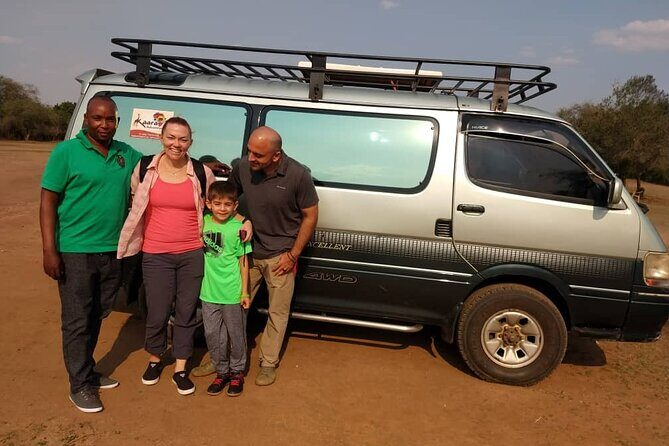
The trip includes accommodation tied to where you need to sleep to make early treks possible. Your first night is at Broadbill Forest Camp, which is a good sign because it keeps you close to the Bwindi side of the program.
What you should expect from lodges in this region is practical comfort rather than luxury-city standards. Power can be limited at times, and you’ll likely spend more time outside the room than inside. Your real “comfort” here comes from sleeping close to the trek start and having staff who help you keep the day moving.
If you’re the type who needs big beds and perfect quiet, tell the operator your preferences early. Since the tour is listed as private and customizable for your group, you should at least be able to communicate what matters.
Guides and safety: why this trip stands or falls on your team
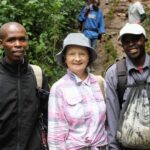
The most consistent theme from the guide names associated with this safari is competence plus kindness. Names that come up include Farouk, Gerard, Ronnie, Tom, Apollo, and Tomson, along with manager Jovia Kaara. People highlight that they felt safe during the journey and that guides were happy to answer questions about towns, culture, and wildlife.
For you, this translates into real-day benefits:
- You’ll get clearer explanations before you enter forests, which helps you move better and take smarter photos.
- You’ll have stronger support if you struggle with pace or get anxious in dense undergrowth.
- You’ll learn more than just animal sightings, especially during Kibale where the guide helps you connect the forest’s plants, insects, and birds to what you’re seeing.
Practical tip: ask your guide to point out what they want you to look for before you set off in each trek. On ape days, small changes in where you look and how you follow instructions can make a big difference.
How to prep so the forest doesn’t beat you
This safari asks for moderate physical fitness, and the trekking times aren’t guaranteed to be short. Gorilla trekking can run 1–8 hours, and chimps require patience and forest walking even when the time window is “only” half a day.
Bring:
- Comfortable, grippy trekking shoes (don’t rely on smooth soles)
- Long sleeves and long pants you don’t mind getting scratched
- A rain layer or pack cover, since good weather is required
- Sun protection and insect protection (you’ll be in areas with strong sun and bugs)
Photo-wise, the forest is bright in patches and dark in others. Keep your camera strap short and your battery protected in a small inner pocket so it doesn’t drain fast. Also, follow guide instructions on distance and movement during wildlife moments—this is how you keep the day respectful and safe.
Weather and timing: what matters for success
Your schedule depends on good weather. The experience notes a weather dependency, meaning if conditions are poor the safari may be canceled and you’d be offered a different date or a full refund.
For you, the practical way to handle this is to plan flexibility. If you’re stacking other Uganda activities on exact dates, leave buffer time around this trip.
Timing-wise, the itinerary is built around early starts: briefing times appear at 7:45 am and chimps trekking starts at 8:00 am. That means you should be ready the night before—charge devices, set alarms, and keep your trek essentials together.
Who should book this 4-day gorilla-and-chimps trek?
This tour is a strong fit if you want:
- One guided gorilla day focused on the actual tracking process and rules
- A chimp day with a broader primate-and-bird walk in Kibale afterward
- A trip with pickup, transport, and lodging handled so you’re not managing day-by-day logistics
It’s also a good choice for groups that want privacy. It’s listed as a private, customizable tour where only your group participates.
You might choose something else if you:
- Hate long drive days (Day 1 is around 9–10 hours)
- Want zero physical effort beyond walking on flat paths
- Are extremely schedule-bound and can’t handle weather changes
Should you book this safari?
If you want an organized Uganda primate trip with a real chance at unforgettable close encounters, this is worth serious consideration. The structure makes sense: gorillas first in Bwindi, then chimps and forest wildlife in Kibale, with practical transfers and guided briefings throughout.
I’d book it if you’re excited by the idea of tracking on foot, you’re okay with the forest being slow, and you want a guide who explains what you’re seeing. I’d pause and ask more questions if the “Admission Ticket Free” line is unclear for gorilla and chimp trekking fees, since that’s the one part you don’t want to guess on.
If you’re ready for a hands-on wildlife day—follow instructions, bring the right gear, and treat the forest with patience—this is the kind of trip that can stay with you for years.
FAQ
What’s included in the trip cost?
The tour includes hotel pickup and drop-off, transportation, accommodation, and meals listed as two lunches and two dinners. Alcohol is not included.
Are there meals included each day?
Not every day is listed with meals. The package includes two lunches and two dinners total, so you may need to budget for other meals depending on the day’s schedule.
How long is the trek for gorillas?
After the morning briefing, the gorilla tracking can take between 1 and 8 hours, depending on how long it takes to locate the gorillas.
How long do you spend with gorillas once they are found?
Once you sight the gorillas, you have one hour with them.
What time do chimpanzee trekking activities start?
The chimp trekking activity begins at 8:00 am with a rules briefing, then you start searching in the forest.
Is the tour private?
Yes. It’s listed as a private tour/activity, and only your group participates.
What fitness level do I need?
The tour notes that travelers should have a moderate physical fitness level.
Is weather a factor?
Yes. The experience requires good weather. If it’s canceled due to poor weather, you’ll be offered a different date or a full refund.
What’s the cancellation policy?
You can cancel up to 24 hours in advance for a full refund. If you cancel less than 24 hours before the experience’s start time, the amount paid is not refunded.