REVIEW · KAMPALA
Kampala: Guided City Walking Tour with Gadaffi Mosque
Book on GetYourGuide →Operated by Kitenji Uganda Safaris and Tours · Bookable on GetYourGuide
Kampala gets under your skin fast. This guided walking tour mixes big-city energy (markets, transport, street life) with calm pauses at major monuments and ends with major views from the Gadaffi National Mosque.
I especially like the small-group size—limited to 6—so questions don’t get lost in the crowd. And I like that your English-speaking guide connects what you see to what Kampala has gone through, whether that’s independence in 1962 or World War memorials. One thing to consider: the markets and city streets are busy and can be tiring, so plan on steady walking and strong shoes.
In This Review
- Key things to know before you go
- Kampala on Foot: Why This Route Works in 4–5 Hours
- Starting at Kitenji: The Benefit of a Local Guide’s Rhythm
- Bagala Craft Village: Souvenirs You’ll Actually Be Proud Of
- Independence Monument and World War Memorial: Two Pieces of Kampala’s Memory
- Nakasero Market: Fresh Produce, Spices, and Real Daily Buying
- Old Taxi Park: Matatus, Noise, and the City’s Movement
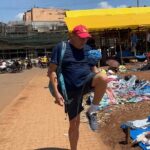
- Owino Market (St. Balikuddembe): When Kampala Turns Up the Volume
- Gadaffi National Mosque: Architecture Meets Big Views
- Mosque etiquette you should plan for
- What to Bring: Comfortable Shoes and Sun Protection
- Price and Value: What $35 Gets You (and Why It’s Fair)
- Who Should Book This Walking Tour (and Who Might Skip)
- Should You Book? My Bottom-Line Advice
- FAQ
- How long is the Kampala guided walking tour with Gadaffi Mosque?
- How much does it cost?
- What time does the tour run?
- What group size is it?
- Is the guide available in English?
- What should I wear for the Gadaffi Mosque?
- Is pickup or drop-off included?
Key things to know before you go
- Small group, more time for questions: Limited to 6 people for a more personal pace.
- Markets plus monuments, not just sightseeing: You’ll see daily commerce and the stories behind memorials.
- Bagala Craft Village for real shopping time: A focused stop for locally made art, jewelry, textiles, and crafts.
- Public transport in the real world: Old Taxi Park shows you how matatus move through Kampala life.
- Gadaffi National Mosque for views and cross-cultural architecture: Arabic, European, and African design influences, plus a chance at climbing access.
- Dress rules matter at the mosque: Plan clothing that fits the requirements, and expect footwear to come off.
Kampala on Foot: Why This Route Works in 4–5 Hours
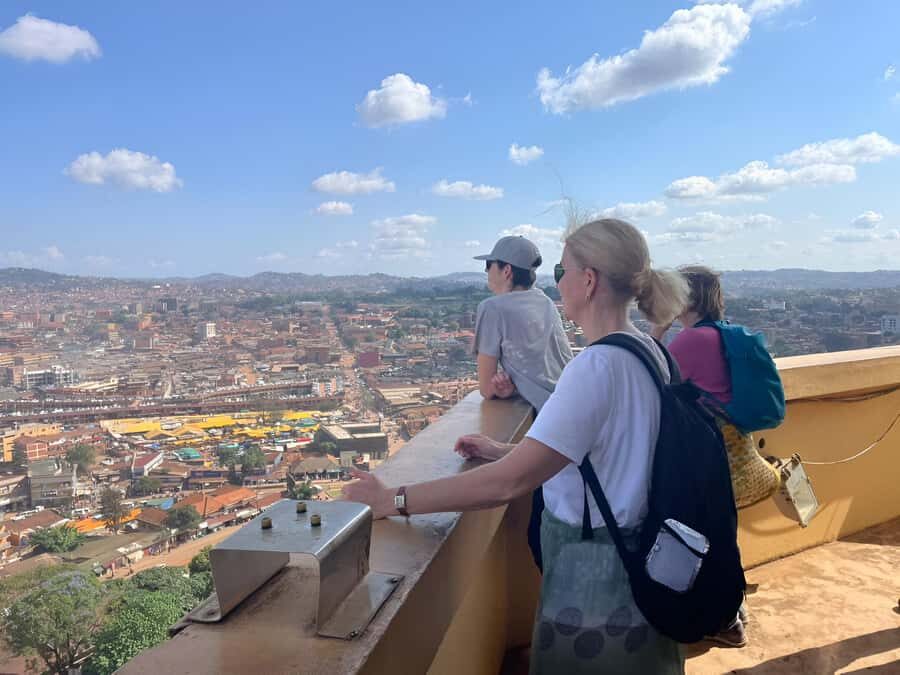
If you only have a short window in Kampala, this kind of walking circuit is a smart way to get your bearings. You’re not hopping between far-flung sights; you’re moving through the same areas locals use, so the city starts to make sense quickly.
You’ll spend time on the street level: the kind of place where you can hear how vendors talk, see how people buy and sell, and watch transport flow. Then you slow down for monuments and a major mosque viewpoint, which helps the whole day feel balanced instead of chaotic.
The timing is about 4 hours, and in practice it can run closer to 4–5. That’s realistic for markets (crowds move like they have their own schedule), photo stops, and short guided explanations that don’t drag.
You can also read our reviews of more walking tours in Kampala
Starting at Kitenji: The Benefit of a Local Guide’s Rhythm
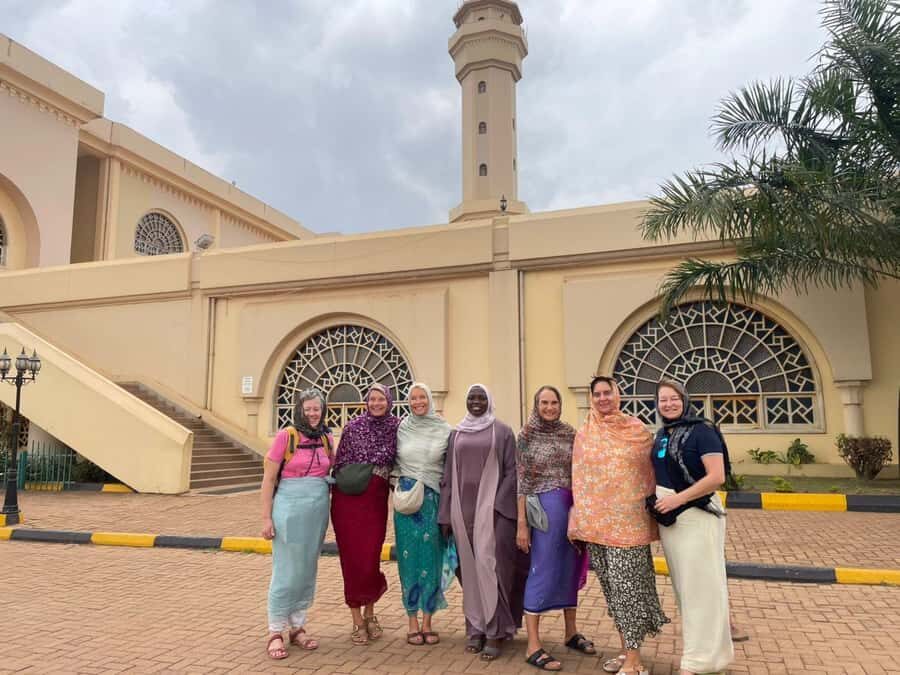
The tour starts at Kitenji Uganda Safaris and Tours, and that matters more than it sounds. A local guide sets the walking rhythm, chooses the order, and helps you navigate places that are easy to underestimate if you’ve never walked Kampala streets.
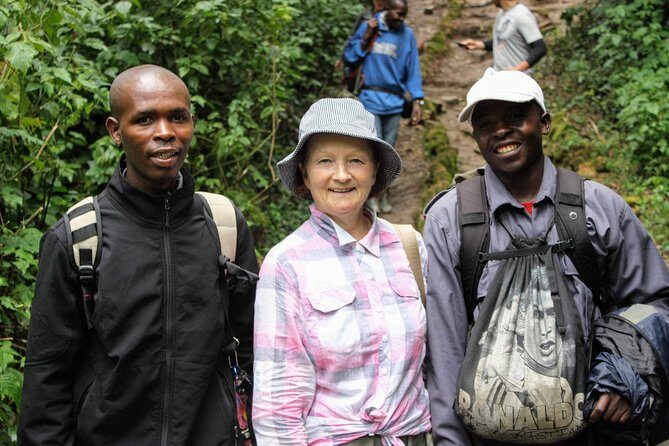
Your guide is English-speaking, and several guides have stood out for doing more than reciting facts. I love when a guide can answer real questions on the spot—like why a memorial was built, or what a market is known for day-to-day. In past groups, guides like Malik and Sharif have been singled out for clear answers and confident storytelling, while Fatumah has been praised for showing Kampala through her own perspective.
With a limit of 6 participants, you’re less likely to get stuck behind someone taking forever to decide on a souvenir. You can also pause when you want, ask questions, or take a quick break.
Bagala Craft Village: Souvenirs You’ll Actually Be Proud Of
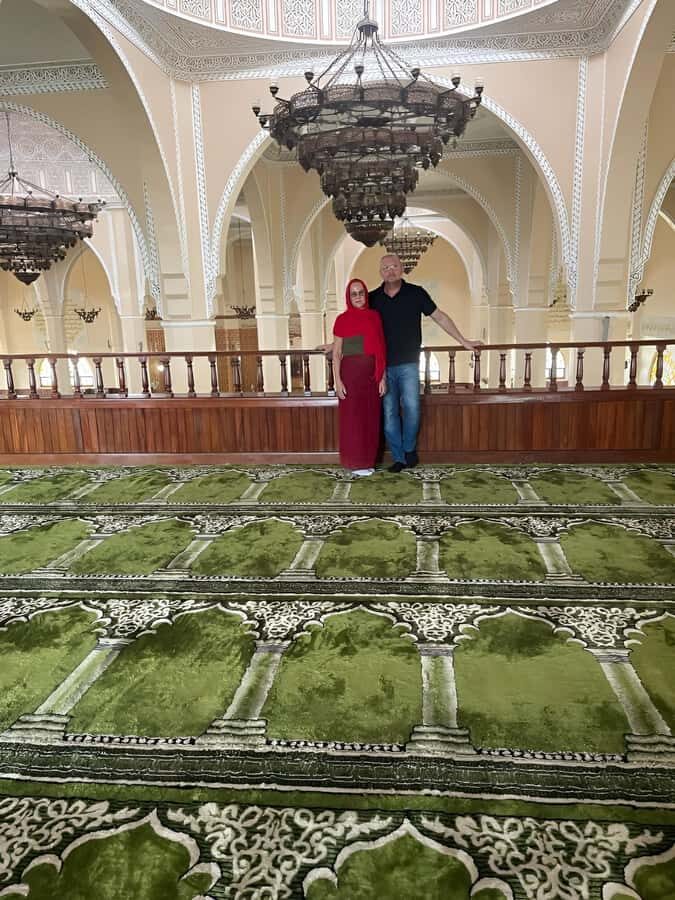
One of the best stops here is Bagala Craft Village, because it’s built for people who like meaningful shopping—not just grabbing something because it’s cheap.
You can look for locally made art, jewelry, textiles, and other handicrafts. The value isn’t only in what you might buy; it’s in watching how artisans and sellers work, and learning what materials and designs are popular locally.
Practical tip: if you want to buy something, bring some Ugandan Shillings. The tour info notes that some smaller vendors may not accept card payments. That small prep move can save you from the awkward moment of finding the perfect item and realizing you’re short on cash.
Independence Monument and World War Memorial: Two Pieces of Kampala’s Memory
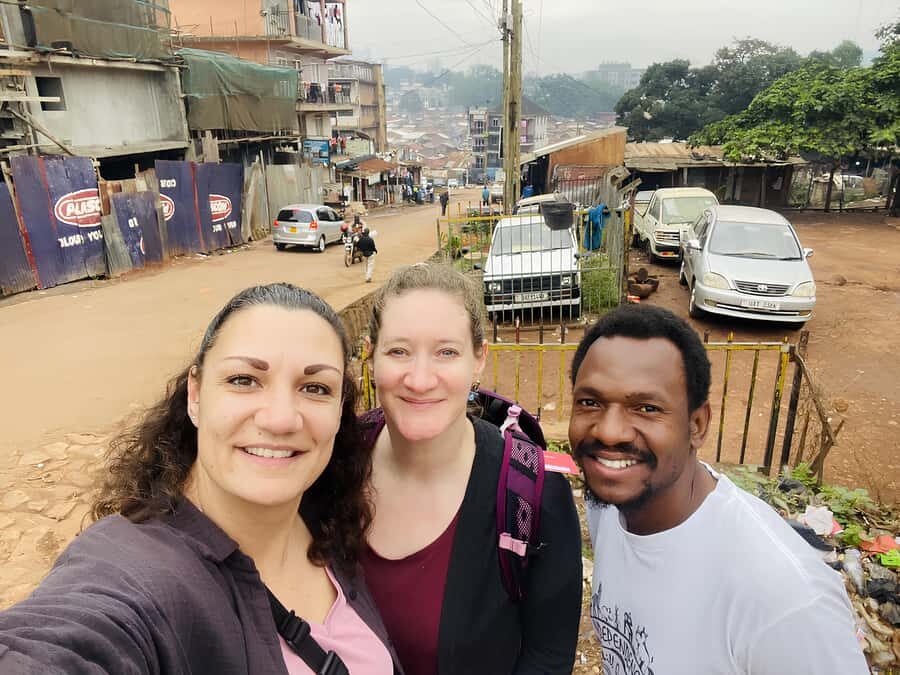
After the market-energy, you’ll reach two monument stops that add depth fast: Independence Monument and the World War (Ward) memorial monument.
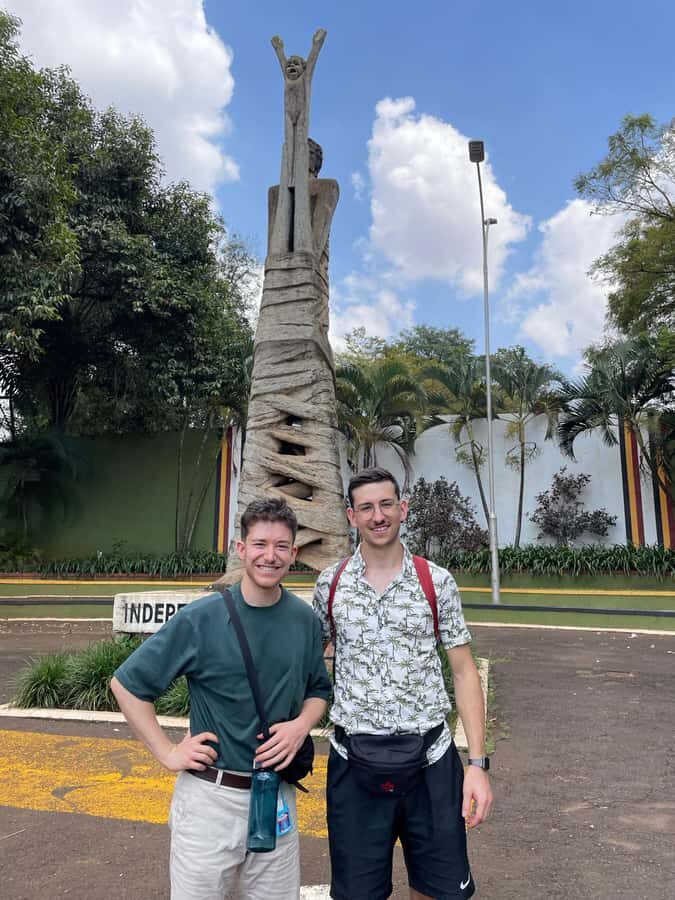
The Independence Monument, erected in 1962 to mark Uganda’s independence from British colonial rule, sits in a garden setting. It’s a strong photo spot, but more importantly it gives you a moment to reflect without the noise of the market street.
Then comes the World War memorial built in 1945 by the British colonial government, honoring Ugandans who died supporting British soldiers during World War I and World War II. It’s one of Kampala’s oldest monuments, and the guide’s explanation helps you connect how international conflicts became local memorials.
If you like history that you can stand next to, these stops are worth the walk.
Nakasero Market: Fresh Produce, Spices, and Real Daily Buying
Nakasero Market is a key part of the experience because it shows commerce at close range. You’ll see fresh produce, and it’s also the kind of place where you can notice spices, how sellers package items, and how quickly transactions happen.
It’s not just a photo stop. You’re getting a front-row seat to how the city eats and trades. If you’re the type who likes to understand a place through daily life, Nakasero is one of the places where Kampala feels most understandable.
Small caution: markets mean crowds. They can be tight, loud, and fast-moving. If that style of environment makes you feel tense, keep your pace slow and remember you’re on a guided walk—your guide can help you move through without rushing.
You can also read our reviews of more guided tours in Kampala


Old Taxi Park: Matatus, Noise, and the City’s Movement
At Old Taxi Park, you get a firsthand look at Kampala’s public transport system. This is where the matatus—14-seater public vans—come and go, and where the energy feels like it’s powered by schedules, bargaining, and quick decisions.
I like this stop because it turns transportation from a background detail into a visible part of city life. You learn how people actually get around, not just how they might describe it.
This is also a good place to practice your patience. Things move fast here, and the goal is observation more than participation unless your comfort level is high. Either way, it’s a memorable slice of Kampala’s daily rhythm.
Owino Market (St. Balikuddembe): When Kampala Turns Up the Volume
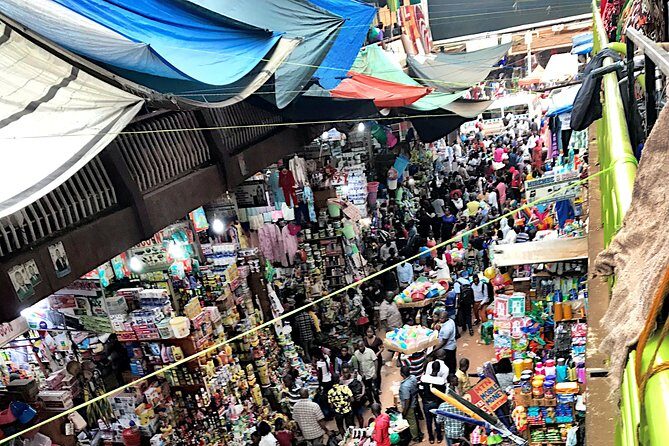
Owino Market is arguably the emotional peak of the market section. It’s described as hosting around 50,000 traders, so it has the scale that makes the city feel bigger than you expected.
What you’ll notice immediately is the sensory overload: spices in the air, bright colors from textiles and produce, and a flow of people buying, selling, and talking. It’s not a calm market with tidy aisles—it’s a working marketplace where life happens.
This stop is fantastic if you enjoy being surrounded by real activity. But it may not be your favorite if you prefer quieter spaces. I’d plan on spending time looking, not trying to see everything. Your guide helps keep the experience manageable.
If you do shop here, treat it like a treasure hunt. Bring cash, keep your budget in mind, and remember you’re shopping in a place where the main product is also the atmosphere.
Gadaffi National Mosque: Architecture Meets Big Views
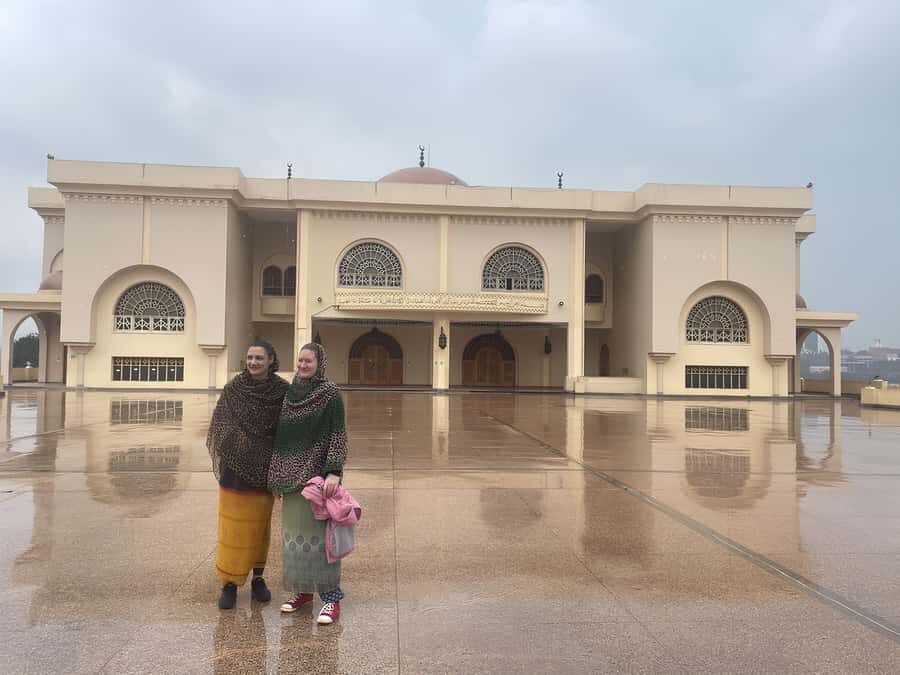
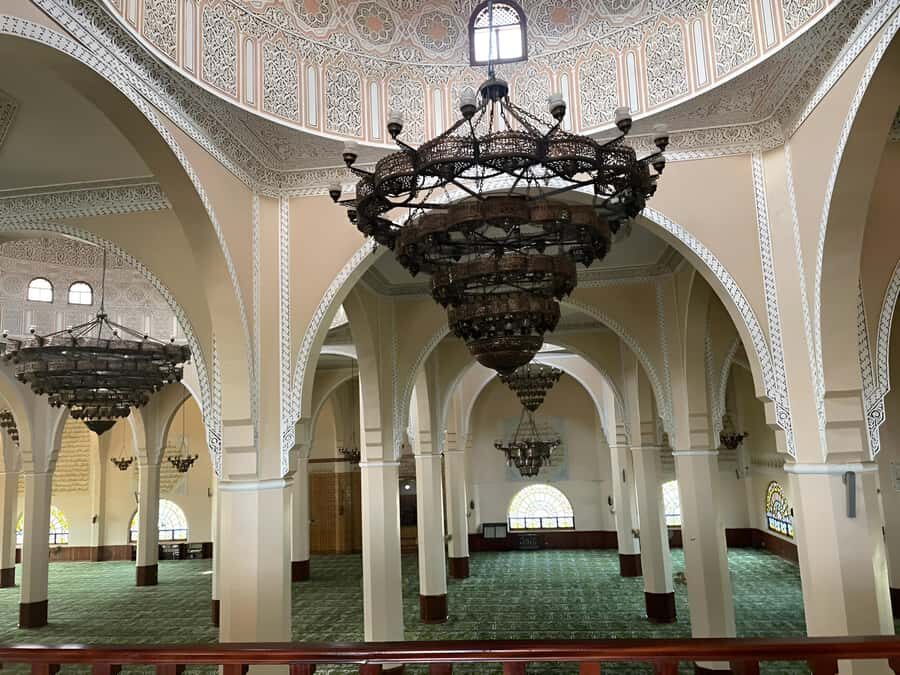
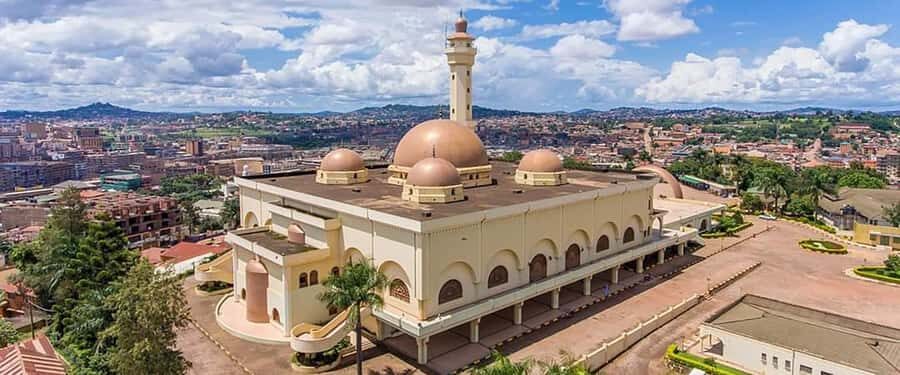
The day’s grand shift is Gadaffi National Mosque, one of the largest in Africa and a central place of worship for Uganda’s Muslim community. The mosque was initially funded by then Libyan leader Muammar Gaddafi, and its architecture blends Arabic, European, and African influences.
This is also the stop that many people remember most, mainly because of the views. The minaret gives you a different angle on Kampala, and the courtyard scene alone is worth pausing for.
One extra note from experience-style accounts: there may be an opportunity to climb toward the top or enjoy higher vantage points. If stairs or climbing doesn’t work for you, no problem—you can still enjoy the setting from the main areas.
Mosque etiquette you should plan for
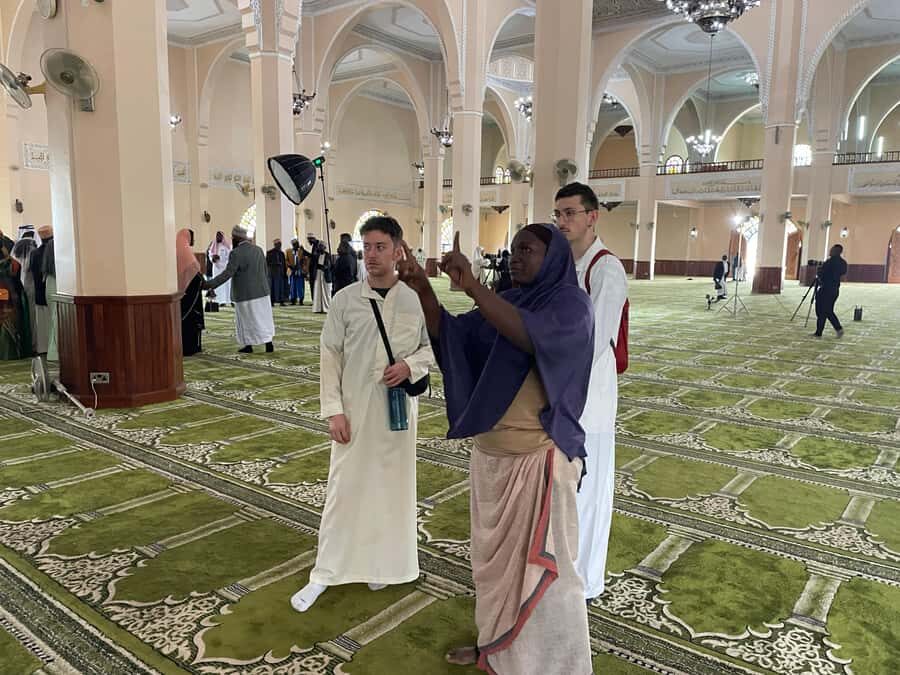
Dress rules are not optional here. Women should wear loose-fitting clothing covering wrists and ankles, and cover the head. Men should wear trousers and shirts with sleeves. Footwear is left at the entrance, so wear shoes that you’re comfortable taking off and putting back on.
What to Bring: Comfortable Shoes and Sun Protection
This is a walking tour, so the #1 item is comfortable shoes. Markets mean uneven footing and tight walking lanes, and you’ll want your feet to be happy.
Because Uganda has a tropical climate, plan for sun. The tour guidance recommends protection like a wide-brimmed hat, sunglasses, and sunscreen. Also drink water—especially if you’re visiting during hotter hours.
Bring some Ugandan Shillings for smaller vendors, and consider a lightweight layer. If you get overheated outside and then move into cooler shaded areas near monuments or the mosque, it helps to be flexible.
Price and Value: What $35 Gets You (and Why It’s Fair)
At $35 per person for around 4 hours, you’re paying for more than a route. You’re paying for an English-speaking guide, plus admissions at multiple key stops.
Admissions are included for:
- Gadaffi Mosque
- Owino Market
- Old Taxi Park
- Nakasero Market
- Independence Monument
- Bagala Craft Market
Meals and souvenirs are not included, and pickup/drop-off isn’t provided. Still, this pricing can feel fair because the guide helps turn “places you pass by” into “places that mean something,” and the admissions remove a layer of guessing.
If you’d otherwise pay separate entry fees and still want guided explanations, this $35 price makes more sense.
Who Should Book This Walking Tour (and Who Might Skip)
This tour is a good fit if you want a city intro that’s practical and human-sized. With a group limit of 6, you’ll get better back-and-forth with your guide and more flexibility to ask questions.
I’d especially recommend it if you’re the type who likes markets, public transport scenes, and monuments that show how a city remembers its turning points. The mosque stop is a strong closing chapter, too.
If you have mobility impairments, this may not be suitable. The tour is described as not suitable for people with mobility issues, likely because of crowds, walking time, and uneven market areas.
Should You Book? My Bottom-Line Advice
Book it if you want Kampala to feel real fast. The mix of craft shopping, market life, transport energy, and monument context makes this more than a checklist, and the mosque viewpoint is a memorable finale.
Skip it—or at least rethink timing—if you hate crowds and tight spaces. Owino and other market areas are intense, and you’ll be happiest if you’re okay moving slowly through a busy city environment.
If you do book, come ready to walk and ready to listen. Bring sun protection, cash for small purchases, and clothing that works for the mosque. Then let your guide do what guides do best: connect the street scene to the bigger Kampala story.
FAQ
How long is the Kampala guided walking tour with Gadaffi Mosque?
The tour lasts about 4 hours, and it may run closer to 4–5 hours depending on timing and pacing.
How much does it cost?
It costs $35 per person.
What time does the tour run?
Tours are available between 9 am and 7 pm, and after you book, an agent confirms your preferred start time.
What group size is it?
It’s a small group limited to 6 participants.
Is the guide available in English?
Yes, the live tour guide speaks English.
What should I wear for the Gadaffi Mosque?
For women: loose-fitting clothes covering the wrist and ankle, and covering the head. For men: trousers and a shirt with sleeves. Footwear is left at the entrance.
Is pickup or drop-off included?
No, pick up and drop off are not included. The tour starts at Kitenji Uganda Safaris and Tours.