REVIEW · KAMPALA
A Tour To Uganda Equator
Book on Viator →Operated by Inspire African Safaris · Bookable on Viator
If you like quick science with a big photo payoff, this fits. This private equator outing pairs a relaxed Kampala to Kayabwe drive with hands-on time at Uganda’s equator line, plus the roadside Coriolis water-draining experiment. I also like that lunch is handled for you, so the day stays simple. One thing to plan for: it’s weather dependent, so you’ll want a flexible mindset if conditions are poor.
You’ll ride in an air-conditioned vehicle and get a guide who keeps things moving at a comfortable pace. I especially appreciate the hands-on angle: instead of standing around only watching, you’re encouraged to participate in the equator experiment. Still, because it’s a full-day private format (duration listed as 5 to 12 hours), you should clear your schedule and expect the timing to flex.
In This Review
- Key Points You’ll Actually Care About
- Kampala to Kayabwe: The Air-Conditioned Drive You’ll Appreciate
- Arriving at Green Equator Masaka Rd: What You’ll Do at the Equator Line
- The Coriolis Experiment: A Fun Science Moment Built for Participation
- Lunch On Site and Free Time for Local Stalls
- Price and Logistics: Is $350 Per Person Good Value?
- Who Should Book This Equator Day Trip (and Who Might Skip It)
- Should You Book a Tour to Uganda Equator?
- FAQ
- What time does the Uganda Equator tour start?
- How long is the tour?
- Is pickup offered from Kampala?
- Where do I redeem my ticket?
- What’s included in the tour price?
- Is air travel included?
- Is this tour private?
- What happens if the weather is bad?
- Can I cancel for a full refund?
Key Points You’ll Actually Care About

- Private tour format means just your group, not a mixed crowd from start to finish.
- Air-conditioned round-trip transfer from Kampala makes the long-ish drive easier.
- Uganda’s equator line in Kayabwe is the main stop, with time to take photos and do an equator experiment.
- The Coriolis experiment is built as a fun, participatory roadside activity about water direction.
- Lunch is included on site, plus free time to browse local stalls and services.
- Admission ticket included, so you’re not juggling extra payments on the day.
Kampala to Kayabwe: The Air-Conditioned Drive You’ll Appreciate
This trip is built around one main idea: get out of Kampala early and reach the equator line at Kayabwe in time to enjoy it without feeling rushed. The tour starts at 6:30 am, and you’ll be traveling toward Kayabwe along the Mpigi-Masaka highway route. The goal is to make it a true day outing, not a “we’ll get there when we get there” situation.
The drive itself is part of the value. Uganda’s countryside changes as you go—small road-side scenes, rural life, and wide stretches that are perfect for window photos. Because you’re in an air-conditioned vehicle, you don’t have to arrive overheated and grumpy. That matters more than people expect on a day that’s meant to be fun.
In terms of time, the listed drive from Kampala to Kayabwe should run about 2 hours under normal conditions. Your full duration is listed as 5 to 12 hours, which tells you the day includes more than just transit. You’ll likely spend time waiting to be welcomed at the equator, doing the experiment, having lunch, and getting some free browsing time.
If you’re the type who likes an early start but hates long, uncomfortable rides, this is a good match. If you’re hoping for a quick two-hour “check the box and leave” stop, you might find the full-day pacing a bit stretched—though you’ll have breaks built in.
You can also read our reviews of more tours and experiences in Kampala.
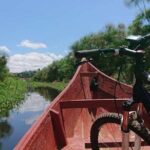

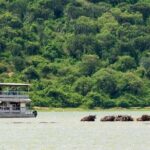
Arriving at Green Equator Masaka Rd: What You’ll Do at the Equator Line

When you reach Kayabwe, you’re welcomed by a tour guide at the equator. That greeting is more than ceremonial. It’s your cue to shift from travel mode into “do the activity” mode. The equator line is the heart of the day, described right where the stop is identified as Green Equator Masaka Rd.
Once you’re there, the plan centers on two things: photos and an equator experiment. You’ll get time at the equator line for memorable pictures and to follow what the guide explains during the hands-on part. This is where the “private tour” choice pays off. In a one-group setting, you’re more likely to get attention and space to participate without feeling like you’re waiting your turn behind a larger crowd.
The best way to think about this stop is that you’re visiting a place with a real-world geographic claim, then immediately turning it into an experience you can understand. It’s not just sightseeing from a distance. The day is structured to help you connect the location to a small demonstration you can engage with.
One practical consideration: the equator is an outdoor experience. Even if the core activity is straightforward, you may stand, walk short distances, and spend time in the open air. If you’re sensitive to sun or heat, pack simple protection (hat, sunscreen). The tour does note that it requires good weather, so you’ll have a better experience when conditions are bright and dry.
The Coriolis Experiment: A Fun Science Moment Built for Participation

The standout “wow” component on this itinerary is the roadside Coriolis experiment. The idea is simple: it’s said to demonstrate the direction of water draining based on the Coriolis effect. Instead of turning it into a lecture, the tour frames it as tourist entertainment, which is exactly the right tone for a one-day stop like this.
What I like about this type of activity is how it turns curiosity into something physical. You can watch the setup, ask questions, and join in rather than only absorbing information secondhand. In the feedback I saw from prior guests, the driver and guide experience stood out—especially the fact that guests didn’t feel stuck at the sidelines. That hands-on approach is a big deal, because it helps the day feel more personal and more memorable.
Should you treat the Coriolis demo like a lab experiment? Probably not. It’s presented as a fun demonstration, and the whole point is learning through participation. Still, it’s a neat way to make the equator visit more than a photo stop.
If you’re traveling with kids, science-curious friends, or anyone who loves “wait, try it again” moments, this is the part you’ll probably talk about afterward. Even if you don’t remember every detail of the explanation, you’ll remember the experience of doing it.
Lunch On Site and Free Time for Local Stalls

A lot of equator visits can turn into a long day of “arrive, take photos, leave.” This one avoids that trap by including lunch on site. That means you’re not spending your limited equator time hunting for a meal or negotiating food on the fly.
Having lunch included also helps the itinerary feel less stressful. Your day stays in rhythm: arrive at the equator, do the equator experiment, then eat, then have space to slow down. That’s a comfort factor, especially when you’ve started early at 6:30 am.
After lunch, you get free time to browse local stalls and services. This is where you can shift from science mode into street-level Uganda mode. It’s not billed as a market tour with a scripted stop list, so you’ll want to treat this as casual browsing time. Think of it as a chance to pick up small souvenirs, snacks, or simple items you might not find back in Kampala.
One thing to keep in mind: free time means you set your own pace. If you’re the type who likes to shop steadily, you’ll find this section useful. If you prefer your day to stay tightly structured, simply use the time to walk, look, and take a few final photos.
Price and Logistics: Is $350 Per Person Good Value?

At $350 per person, this is not a budget “quick excursion.” But it’s also not priced like a luxury safari lodge day. The value equation mostly comes down to what you’re getting in that price.
Here’s what the tour includes:
- All fees and taxes
- Lunch
- Air-conditioned vehicle
- Admission ticket included
- Round-trip transfer from Kampala
- Private tour (only your group)
So you’re paying for convenience, entry, and transport—not just the equator photo. For a private day trip, that matters. The drive is meaningful, the equator stop includes activities, and lunch is part of the package. If you were trying to assemble this yourself, you’d likely spend time coordinating transport, paying entry on arrival, and figuring out food stops.
There’s also a timing reality: the day can stretch from 5 to 12 hours, which suggests the tour is designed to work around real-life time on the road and the on-site activities. That kind of flexibility can be worth money if you’d rather pay than manage logistics.
A drawback to consider is the travel commitment. Starting early and spending most of the day means you’re giving up another Uganda activity that day—so make sure you actually want a equator-centered outing. If you’re seeking intense wildlife, this isn’t that day. But for culture-meets-science, it’s a solid use of time.
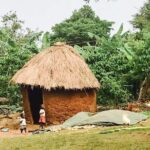


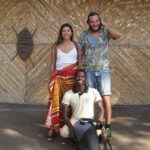
Who Should Book This Equator Day Trip (and Who Might Skip It)
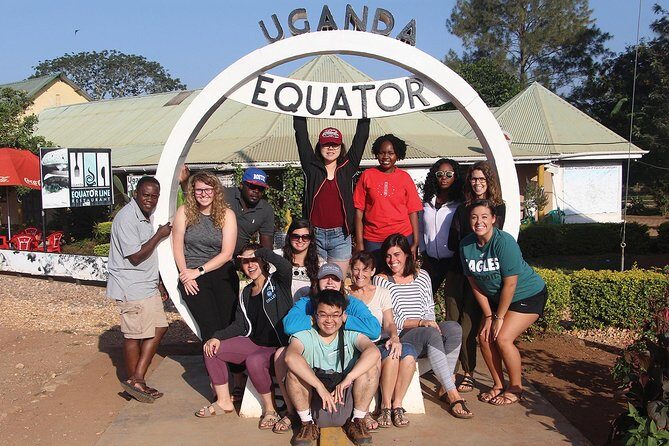
You’ll likely enjoy this tour if you want:
- A private day trip with transport handled
- A real location stop at Uganda’s equator line in Kayabwe
- A fun, participatory science moment (the Coriolis experiment)
- Lunch included, plus time to browse local stalls
It also suits first-time visitors who want one memorable “check this off” experience that’s still interactive. And if your group includes people who don’t want a long hiking day, this is a more seated, manageable outing.
You might want to skip or think twice if:
- You want a highly structured itinerary with very long breaks elsewhere (this day is built around equator time).
- You’re not comfortable with outdoor waiting if weather shifts (the tour requires good weather).
- Your group prefers purely scenic nature stops with no demonstrations.
If you like practical travel days—where your money buys time saved, basic comfort, and a clear schedule—this fits the bill.
Should You Book a Tour to Uganda Equator?
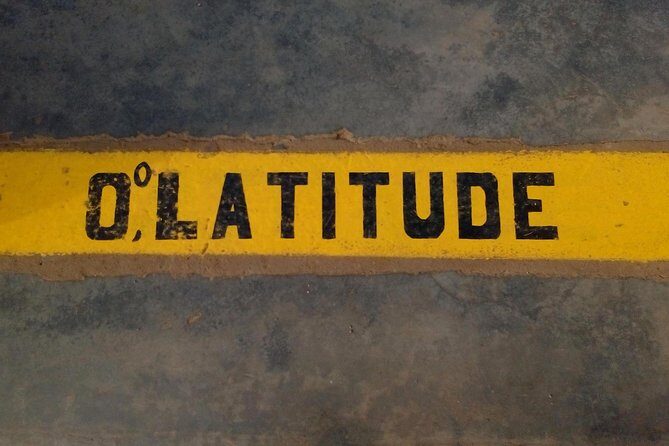
I think you should book this if your goal is a memorable, hands-on equator experience without stress. The strongest reasons are simple: the private setup, transport included, and participation-focused activities at the equator line and Coriolis demonstration. Add lunch and you’ve got the kind of day that feels complete rather than chopped up.
Before you hit confirm, do one reality check: this trip starts early (6:30 am) and can run up to a full day (5 to 12 hours). If your schedule is tight or you hate long outings, you may prefer a shorter activity.
But if you’re excited by the idea of doing an equator experiment and learning through a light, fun demonstration, this is a good value choice for a private day in Uganda.
FAQ

What time does the Uganda Equator tour start?
The tour start time is listed as 6:30 am.
How long is the tour?
The duration is listed as approximately 5 to 12 hours.
Is pickup offered from Kampala?
Yes, pickup is offered.
Where do I redeem my ticket?
Your ticket redemption point is Inspire African Safaris, Abayita Ababiri Ngyesho Building Level 2 Room 5, Entebbe, Uganda.
What’s included in the tour price?
The tour includes all fees and taxes, lunch, an air-conditioned vehicle, and an admission ticket.
Is air travel included?
No. Air ticket is not included.
Is this tour private?
Yes. It’s a private tour/activity, meaning only your group participates.
What happens if the weather is bad?
The experience requires good weather. If it’s canceled due to poor weather, you’ll be offered a different date or a full refund.
Can I cancel for a full refund?
Yes. You can cancel up to 24 hours in advance for a full refund. If you cancel less than 24 hours before the start time, the amount paid is not refunded.