REVIEW · KAMPALA
Gorilla & Chimpanzee Trekking in Uganda – 5 Days
Book on Viator →Operated by Paradise Adventure Vacations · Bookable on Viator
Gorillas in Bwindi are a real life moment. This 5-day private circuit strings together mountain gorilla trekking and chimp trekking with classic safari stops like the Kazinga Channel boat ride and Ishasha’s tree-climbing lions.
What I like most is the way the trip is built for you, not for paperwork: permits and park fees are included, plus all accommodations for 4 nights and full-board meals. I also like that your schedule gives you time in the right places, not just quick photo stops—Bwindi for the gorillas, Kalinzu for chimps, and Queen Elizabeth for the wild extras.
One consideration: Uganda’s wildlife days are physical and a bit unpredictable. Gorilla trekking can mean a 2–4 hour walk through muddy, scratchy jungle before you get that one-hour encounter, and the longer drives can feel long when you’re tired.
Key points to know before you go
- Full-board value: meals and lodge stays are included, so you budget once and move on.
- Two big primate days: chimps in Kalinzu, then gorillas in Bwindi—both with guided briefings.
- Kazinga Channel cruise: a proper wildlife boat ride for hippos, crocodiles, and elephants by the water.
- Ishasha lions: a stop in the area known for tree-climbing lions adds variety beyond the gorillas.
- Private group feel: only your group participates, so pacing and comfort are easier to control.
- Not a drive-only tour: each day has a major activity, not just transit between parks.
In This Review
- A smart Uganda circuit for gorillas, chimps, and big-safari moments
- The first leg: equator stop and settling into Mweya Safari Lodge
- Kalinzu Forest chimps: what the trek day really feels like
- Kazinga Channel cruise: hippos up close and crocodiles on the lookout
- Ishasha game drive: tree-climbing lions and classic savanna sightings
- Bwindi’s gorilla day: the 7:00 briefing and the trek math
- The evening cultural visit: a pause that adds context
- Lodging, meals, and what’s actually included in the price
- Driving days: long hours, smart pacing, and why guide quality matters
- Who this trip is best for (and who should think twice)
- Practical packing and behavior tips for ape treks
- The final travel day back to Kampala or Entebbe
- Should you book this 5-day gorilla and chimp tour?
- FAQ
- What is the tour duration?
- Where does the experience start, and when?
- Is this a private tour?
- What does the price include?
- What is not included?
- What animals are included in the itinerary?
- How long is the gorilla trek and how long do you spend with gorillas?
- Is there a boat cruise on the trip?
- What is the cancellation policy?
A smart Uganda circuit for gorillas, chimps, and big-safari moments
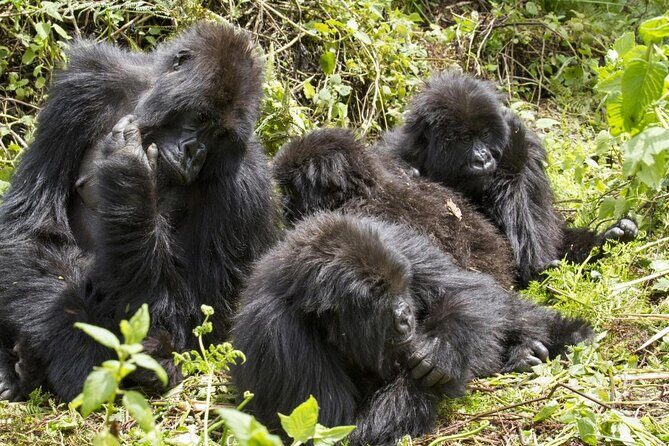
If you’re coming to Uganda for the great apes, this kind of trip makes sense. You’re not adding extra regions just to “fill time.” Instead, you hit three prime wildlife zones in a tight window: Queen Elizabeth National Park, Bwindi Impenetrable Forest, and Kalinzu Central Forest Reserve.
This matters because time is your biggest cost on an ape trip. Permits, park access, and the trek itself don’t care about your calendar. A well-planned route reduces wasted days and helps you keep your energy for the trek days.
You’ll also notice something practical: the trip is designed around real wildlife experiences. One day is about finding and following animals in the forest (chimps), another is about a slow, physical walk in Bwindi (gorillas), and other days balance it with game drives and water wildlife viewing.
The first leg: equator stop and settling into Mweya Safari Lodge
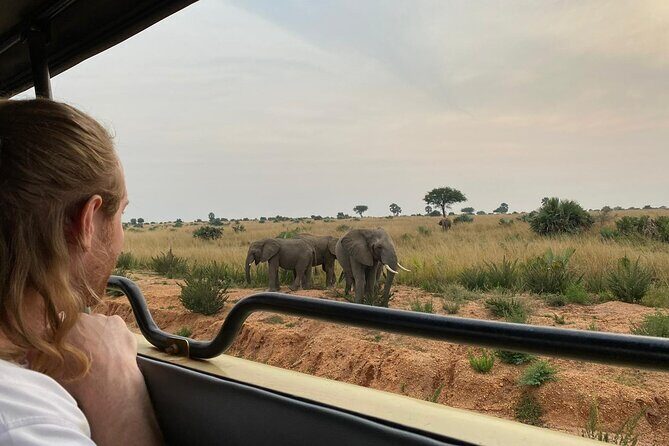
Your safari starts with driving out of Uganda’s capital area and heading toward Queen Elizabeth National Park. Along the way, you get a stop at the equator—an easy but memorable little break where you can stand with one foot on each hemisphere. It’s the kind of moment that breaks up the long road without turning the day into a tourist detour.
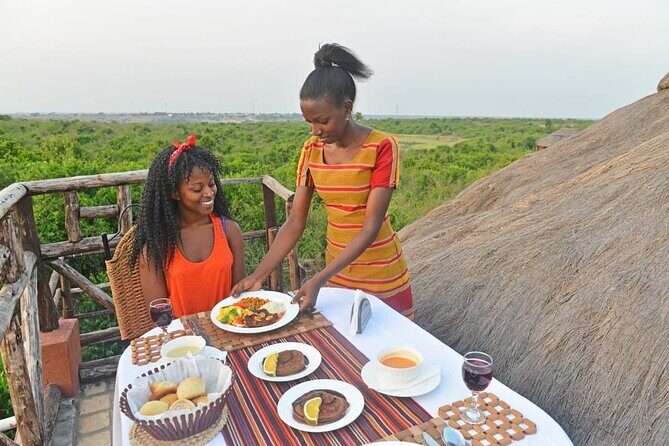
Before you reach the park, there’s a lunch stop in Mbarara. Then you arrive with enough time for a relaxed evening at Mweya Safari Lodge for dinner and overnight. That lodge downtime isn’t just comfort; it’s how you make the next day feel less rushed. If you land in the park late and skip the evening, it’s harder to wake up ready for chimps.
This is also where the trip’s “private” setup starts paying off. A good driver-guide can pace the journey and keep you from feeling like you’re herded between check points. In the Uganda trips connected with this operator, names like Mussa and Yonah come up a lot as planners who aim for things to run smoothly from start to finish.
You can also read our reviews of more hiking tours in Kampala

Kalinzu Forest chimps: what the trek day really feels like
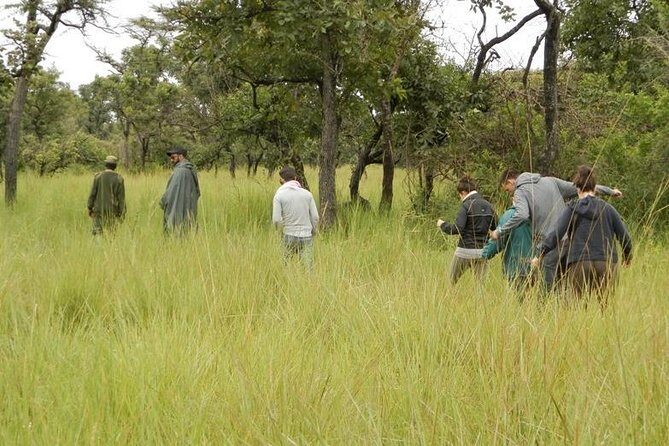
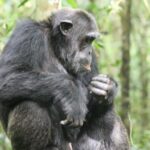
The chimp day is the walking-in-a-real-forest day. In Kalinzu Central Forest Reserve, you get a trek that includes a jungle walk and the moment when the chimps appear ahead of you. The thrill here isn’t just seeing chimps—it’s seeing how quickly the forest reveals wildlife once you’re moving at the right pace.
Then, you return to the lodge for lunch, and the afternoon switches gears into classic safari viewing via water. This structure matters: chimps are active and a little intense, so the day doesn’t just roll into another long trek. It gives you a rhythm—walk, rest, and then cruise.
If you’re thinking about what to bring, chimp trekking is usually less about technical gear and more about comfort and protection. You’ll want long sleeves, shoes with grip, and something to handle mud and plant scratch. Even when the trek is short, the forest can still be tough on your legs and arms.
Kazinga Channel cruise: hippos up close and crocodiles on the lookout
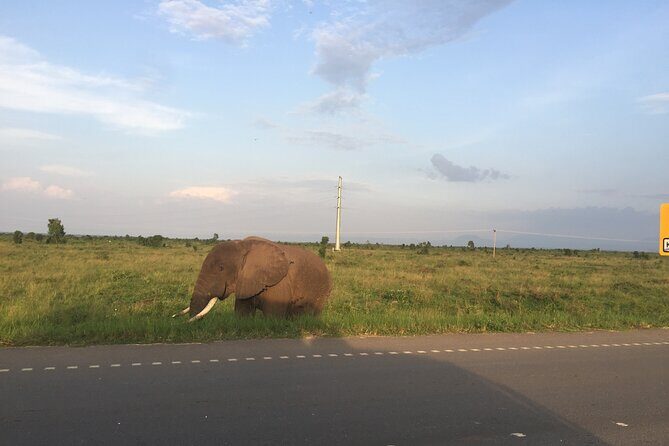
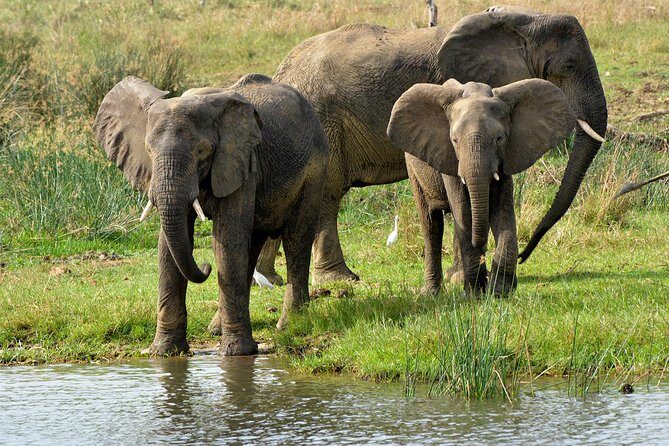
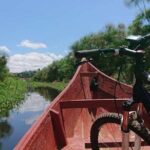
After chimp trekking, the Kazinga Channel boat ride is one of those experiences that feels different from the forest. The cruise runs for about two hours and focuses on animals along the shoreline: hippos, crocodiles, elephants, and lots of birds.
Why this is a strong pairing with the chimp trek: chimps put you in the trees and undergrowth world; Kazinga puts you in an open-water viewing zone where animals react to the space and the boat moves at your pace. It’s also a nice way to “scan” for wildlife without constantly hiking.
In real-life terms, this is the day you can slow down and watch. You’re not searching for a specific animal like an hour-by-hour hunt. You’re riding a route where wildlife shows itself in cycles—breathing and feeding, then disappearing, then returning.
Ishasha game drive: tree-climbing lions and classic savanna sightings
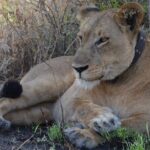
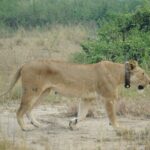
From Queen Elizabeth, you head toward Ishasha, known for tree-climbing lions. After breakfast, you do a game drive in this area before continuing on toward Bwindi Impenetrable National Park.
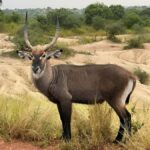
This stop adds two things. First, it breaks the trip’s “forest-only” rhythm. Second, it gives you a chance at sightings beyond the primates you came for. The route here is built around possibility: in addition to the lions, you might see topis and buffaloes while you’re out in the park.
One practical detail: game drives can be long and dusty, so it helps to have comfortable clothing for sun and wind. If you’re someone who gets cold easily in vehicles, bring a layer. Ishasha is about being patient, watching for the lion behavior that makes the area famous, and taking what the bush gives you.
Bwindi’s gorilla day: the 7:00 briefing and the trek math
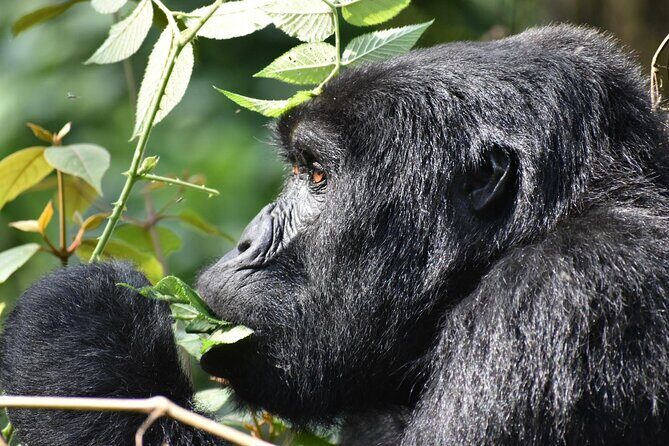
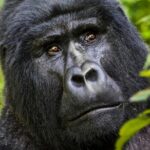
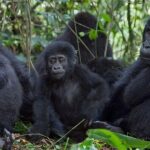
This is the day with the most emotional weight. You start early and meet at park headquarters at 7:00 am for a briefing. That briefing isn’t filler. It’s how you learn the basic rules for being around gorillas—how to keep distance, how to move, and how to keep the encounter safe for the animals.
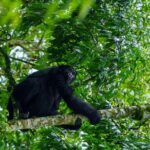
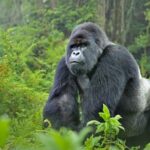
Then you’re assigned to a gorilla family and you head to the trailhead. The trek itself is typically 2–4 hours through thick jungle. Expect muddy trails, misty vegetation, and the kind of scratching plants that make you understand why gorilla trekking isn’t a casual hike.
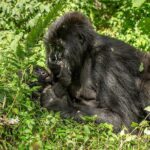
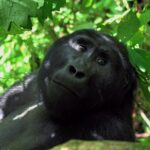
When you find your gorillas, you get about one hour with them. That hour is the trade-off: the hard walk pays off with a calm, up-close encounter where you watch real behavior—feeding, movement, interactions in the group—rather than just a quick sighting.
After that, you’re set up for overnight in the Bwindi area. The itinerary places you at Buhoma Lodge for dinner and lodging. In my opinion, staying in the Bwindi region is part of the value here. You’re not spending the night in transit. You’re already positioned for whatever the forest brings you.
A few more Kampala tours and experiences worth a look
The evening cultural visit: a pause that adds context
On the gorilla day, you also have an evening cultural visit. This is valuable because gorilla trekking can make the whole trip feel like one big wildlife bubble. A short cultural component is one way to keep your experience anchored in the people who live alongside these ecosystems.
Even if cultural visits aren’t your top priority, I like having something that gives you a different kind of learning during the emotional high of gorillas. It’s a mental reset before the final travel day.
Lodging, meals, and what’s actually included in the price
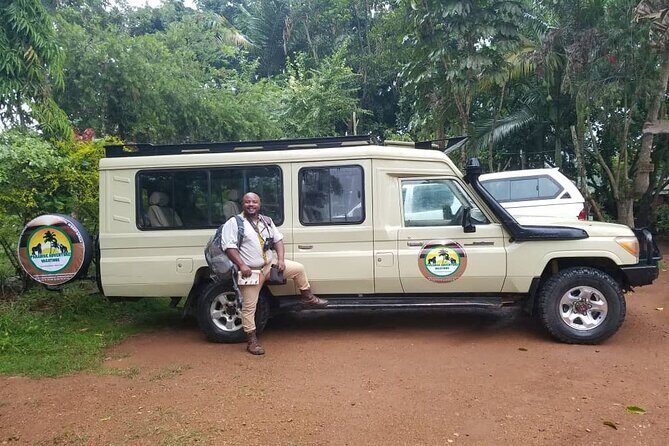
Let’s talk value, because $3,630 per person is not a casual price tag. What makes it easier to swallow is that the trip covers the major cost drivers you usually can’t DIY safely on short notice:
- Gorilla and chimpanzee permits
- Park entrance fees
- All accommodations for 4 nights
- All meals plan on full-board
- Professional driver guide
When permits and park fees are included, you don’t end up at the end of the trip doing mental math in the middle of exhaustion. You also avoid the common problem on wildlife trips where a “low” quoted price turns into higher total costs once the permit schedule and park costs show up.
The trade-off is that you still have personal expenses. Things like tips and drinks aren’t included, and you’ll need international travel documents (visas) on your own. The pricing also doesn’t cover any time you might spend in Kampala before the safari starts, since Kampala accommodation isn’t part of the package.
Driving days: long hours, smart pacing, and why guide quality matters
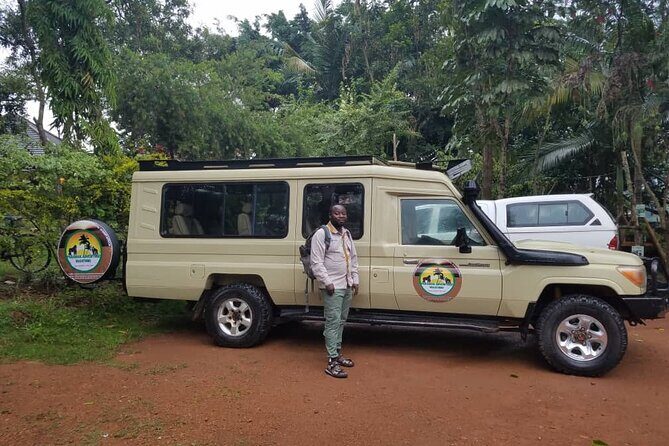
This kind of Uganda route involves real road time. You’re moving between parks that are far apart, including a morning start toward Queen Elizabeth, and later long drives toward Bwindi and back toward Entebbe/Kampala.
The upside is that the trip doesn’t treat driving like a throwaway. You have stops planned—like the equator experience and lunch in Mbarara—so it doesn’t feel like one endless stretch of highway. You also arrive at lodges in time to eat and sleep properly.
Guide quality matters most on these days. People connected with this operator—names like Nelson, Baker, Beka, Augustine, and again Mussa—come up in the same theme: service that feels attentive, with guides who keep things moving and communicate clearly. That’s not fluff. On a wildlife trip, clarity means less stress, fewer surprises, and better energy for the next activity.
Who this trip is best for (and who should think twice)
You’ll likely love this tour if you want:
- A focused great apes trip with gorillas and chimps as the center of the story
- Classic Uganda safari variety (boat cruising, game drives, and Ishasha’s tree lions)
- A private group setup where pacing feels more tailored
- Peace of mind that major costs like permits and park fees are already handled
You might want to think twice if you:
- Don’t do well with long driving days between parks
- Have limited comfort with muddy, scratchy terrain
- Prefer wildlife viewing that doesn’t involve trekking on foot for hours
Gorilla trekking is the toughest physical day. If you’re unsure, it’s worth being honest about your mobility and stamina before you commit.
Practical packing and behavior tips for ape treks
You won’t find these details spelled out in every itinerary text, but they’re the difference between a trip that feels great and one that feels miserable halfway through the trek.
For gorilla trekking and chimp trekking, plan for:
- Sturdy shoes with grip for muddy trails
- Long sleeves/pants for plant scratch
- A rain layer or something that helps in misty conditions
- Gloves or something to protect hands if you handle gear while walking through brush
- Binoculars and a camera you can manage with one hand while moving (when you’re in forest conditions, you’ll appreciate lighter handling)
For behavior around gorillas, the key is that you’ll get a briefing first. Follow it. The briefing exists because gorillas are wild and sensitive to disturbance. You’re part of their habitat for that hour, not a spectator in a zoo.
The final travel day back to Kampala or Entebbe
After the gorilla day and overnight, you’ll have breakfast earlier and then head out for your departure day. The drive is described as 8–9 hours, with a lunch stop in Mbarara before continuing toward Kampala or Entebbe International Airport.
If your flight is earlier, there’s an option mentioned to route through Kigali International Airport, about 3–4 hours away. That gives you flexibility, but it also means you should plan your day with some cushion for border and road timing, since the trip spans multiple countries on some departure schedules.
Should you book this 5-day gorilla and chimp tour?
I’d book this tour if your main goal is mountain gorillas plus chimpanzees, and you also want the safari extras that make Uganda feel bigger than one trek. The pricing looks high at first, but the included permits, park fees, 4-night accommodations, and full-board meals do real work in your budget.
I also like the track record signals from the guides themselves—people repeatedly highlight caring, good communication, and a smooth trip flow. That’s what you want on a wildlife itinerary where one wrong turn or unclear timing can cost you energy.
If you’re physically up for forest walking and don’t mind long drives, this is a strong choice for a first-time Uganda wildlife circuit.
FAQ
What is the tour duration?
The tour is 5 days, with a full itinerary covering Queen Elizabeth National Park, Kalinzu Central Forest Reserve, Bwindi Impenetrable National Park, and the return to Kampala/Entebbe.
Where does the experience start, and when?
The listed meeting point is Entebbe Airport, with a start time of 4:00 pm.
Is this a private tour?
Yes. It’s private, and only your group participates.
What does the price include?
It includes gorilla and chimpanzee trekking permits, a professional driver guide, all accommodations for 4 nights, all meals on a full-board plan, and all park entrance fees.
What is not included?
International visas, accommodation while you’re in Kampala, and personal expenses such as tips and drinks.
What animals are included in the itinerary?
The trip includes mountain gorillas and chimpanzees, plus wildlife viewing around Kazinga Channel (hippos, crocodiles, elephants, and birds) and game drive possibilities such as tree-climbing lions, topis, and buffaloes.
How long is the gorilla trek and how long do you spend with gorillas?
The trek is typically 2–4 hours, and you spend about one hour with the mountain gorillas.
Is there a boat cruise on the trip?
Yes. You have a boat cruise on the Kazinga Channel, described as a two-hour ride.
What is the cancellation policy?
Free cancellation is available up to 24 hours in advance for a full refund. If you cancel within 24 hours of the start time, the amount paid is not refunded.