REVIEW · KAMPALA
13 Days Wildlife Adventure Trip To The Pearl Of Africa
Book on Viator →Operated by Tubale Safaris · Bookable on Viator
Chimps and gorillas in one trip. This 13-day private safari strings together Uganda’s best wildlife highlights, with permits handled and chimp habituation time in Kibale with the research team.
I also like how it builds in real water-and-wildlife moments, including Murchison Falls launch trips and boat time on the Kazinga Channel. The only catch: it’s a long overland circuit, so you’ll want a calm mindset for long drives and the moderate fitness needed for forest days.
A big plus is the human side. In past trips with Tubale, people singled out quick, friendly help from staff like Annette, plus guides such as Ayub and Brian for keeping logistics smooth when the schedule gets busy.
In This Review
- Key things that make this safari work
- Kampala to Murchison Falls: start strong, then go big on wildlife
- Murchison Falls: the launch trip and the optional climb
- Kibale Forest: chimp habituation that feels like real fieldwork
- Queen Elizabeth National Park: game drives, crater roads, and the Kazinga payoff
- Ishasha: tree-climbing lions, then the grind toward Bwindi
- Bwindi gorilla trekking: one hour with a mountain gorilla group
- Lake Mutanda: slow down after the big treks
- Lake Mburo National Park: zebra density, ranger-guided walks, and views
- Price and logistics: what $4,999 really buys you
- Who should book this safari
- Should you book Tubale Safaris for this 13-day wildlife route?
- FAQ
- What cities and parks does the tour cover?
- Where does the trip start and where does it end?
- Is this a private tour?
- Are gorilla permits and chimp permits included?
- What wildlife experiences are included?
- How long is the safari?
- What’s included for meals and accommodation?
- Is pickup included?
- What fitness level do I need?
- Is free cancellation available?
Key things that make this safari work
- Chimp habituation in Kibale (not just a quick chimp stop): you spend meaningful time with the research and habituation team’s daily work.
- Gorilla trekking in Bwindi with permits included: your hour with a mountain gorilla group is the headline, but the briefing and trail pacing matter.
- Big wildlife density across multiple parks: Murchison, Queen Elizabeth, and Bwindi each give you a different “feel” and different animals.
- Water-based game viewing: Murchison Falls launch rides plus a Kazinga Channel boat trip give you eyes-on wildlife from the river.
- Good chance at standout moments in Ishasha: tree-climbing lions are a major draw here, though sightings are never guaranteed.
- Private-by-design travel: it’s set up so your group only shares vehicles and timing with itself, not strangers.
Kampala to Murchison Falls: start strong, then go big on wildlife
Your tour begins with pick-up from Entebbe International Airport and a transfer into Kampala for your first night. If your flight lands early, you can use the afternoon to do a laid-back orientation around the city. If not, you’ll check in, eat, and rest—because the real pace starts the next day.
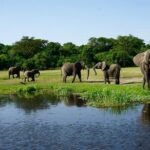
Then you roll into Murchison Falls National Park, Uganda’s largest national park with a strong wildlife reputation. The plan is classic for the area: game viewing across rolling plains, plus the signature Murchison Falls “roar-and-rapids” experience. You’re also set up for chances at animals like lions, giraffes, hartebeest, buffalo, and elephants, with hippos and Nile crocodiles tied to the river system.
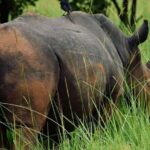
One smart early stop is Zziwa Rhino Sanctuary via Rhino Fund Uganda for rhino tracking with at least an hour on site. That matters because rhinos are the kind of species you remember forever—if you’ve never tracked them before, the experience has a different intensity than big-cat sightings.
What I like for you: this opener hits three things at once—land game drives, river wildlife, and a special species focus—without scattering you too widely.
What to consider: Murchison is long-day territory. Even when activities are exciting, you’ll be trading comfort for time in the bush. Bring patience.
A few more Kampala tours and experiences worth a look
Murchison Falls: the launch trip and the optional climb
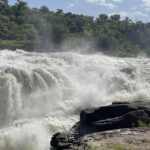
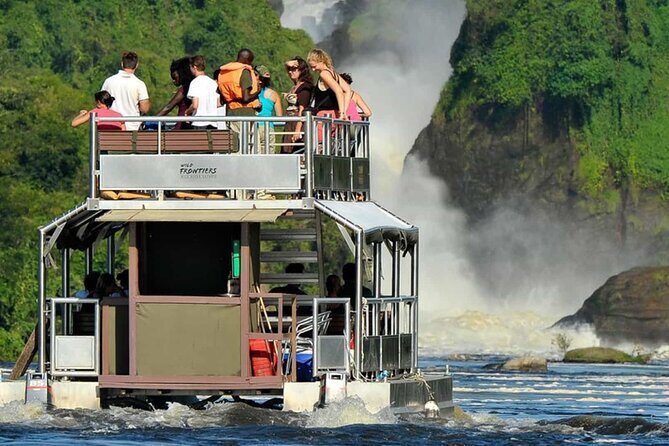
Murchison is built around water drama, and your schedule leans into it. On the day with the boat trip, you’ll go to the base of the falls by launch—perfect for seeing hippos, crocodiles, and water birds up close. The river traffic and the noise are part of the show; it’s one of those places where wildlife often feels like it’s “using” the scenery, not just living near it.
After that, you have the option of a hike toward the top of the falls. It’s described as potentially strenuous, so this is where your fitness and hiking comfort come into play. If you do it, it’s not just for views—the effort helps you earn the sound and scope of the falls in a more personal way.
Practical tip: if you’re unsure about hiking ability, talk to your driver/guide before you commit that morning. Forest trekking and gorilla days later in the tour will ask more from your body, so don’t gamble blindly early on.
Kibale Forest: chimp habituation that feels like real fieldwork
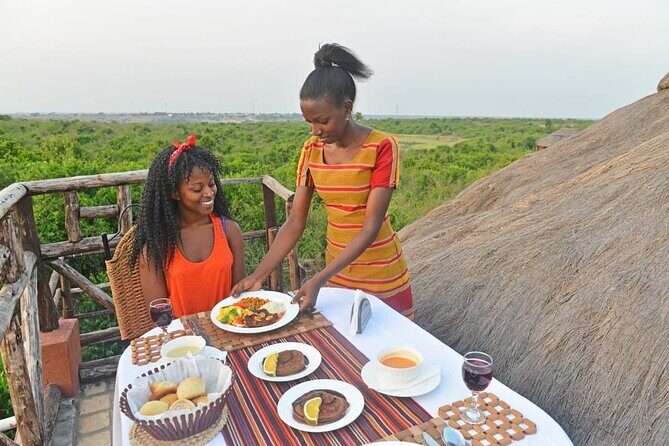
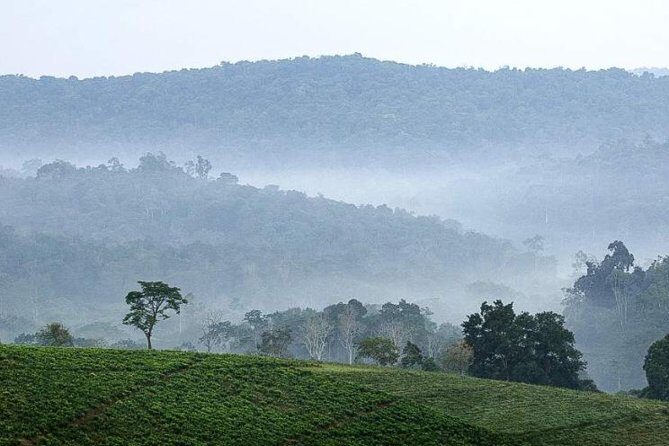
Kibale National Park is the primate capital for a reason. The drive in usually comes with scenic countryside—villages, green hills, and tea plantations. When you reach Kibale, the schedule gives you time to settle before the big chimp day.
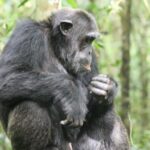
The standout here is chimp habituation, not just a chimp encounter. You’ll spend much of the day with Kibale’s research and habituation team during their daily activities. That means you’re present while they do the work—watching behaviors like nesting, de-nesting, feeding, and play, with on-the-ground explanations from the experts. It’s not a wildlife “show.” It’s closer to seeing how conservation science meets everyday animal life.
This is also why the permit matters. Gorilla and chimp permits are often the hardest part of these trips to organize, and this tour includes one chimp permit per person (non-resident). Having that handled reduces stress, and it keeps your day aligned with the team’s rhythm.
What I’d watch for in your planning: chimp time is weather-sensitive. You’ll want a rain layer and shoes you don’t mind getting muddy. Also, wildlife days can be slow, then suddenly fast—so stay mentally flexible.
Queen Elizabeth National Park: game drives, crater roads, and the Kazinga payoff
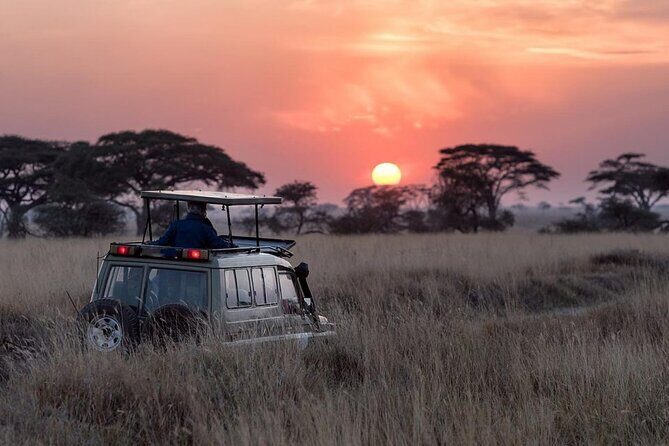
From Kibale you head to Queen Elizabeth National Park, where the tour balances classic game drives with a scenic detour option on the crater drive. During game viewing you look for reedbuck, bushbuck, kob, warthogs, elephants, lions, and buffalo. Queen’s mix of open areas and vehicle-access roads usually gives you variety even if you don’t hit every “big name” animal every time.
The crater drive choice is more about views and scenery-with-wildlife energy than chasing one species. It also gives you a different driving experience—something to break up the repetitive routine of “turn on, drive, look, repeat.”
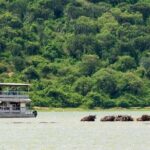
Then comes the Kazinga Channel day, which is one of the best wildlife areas in the country for river life. The plan includes tracking and game viewing, plus an afternoon boat trip on the Kazinga Channel. This is where you’re likely to see lots of water-focused animals and birds, with hippos often stealing the spotlight in that kind of habitat.
Why this is good value in practice: it’s not just one kind of viewing. You get vehicle time, then river time, and the animals you see from the boat can feel different from what you see inland. That reduces the odds of “we drove all day and saw the same things.”
Ishasha: tree-climbing lions, then the grind toward Bwindi
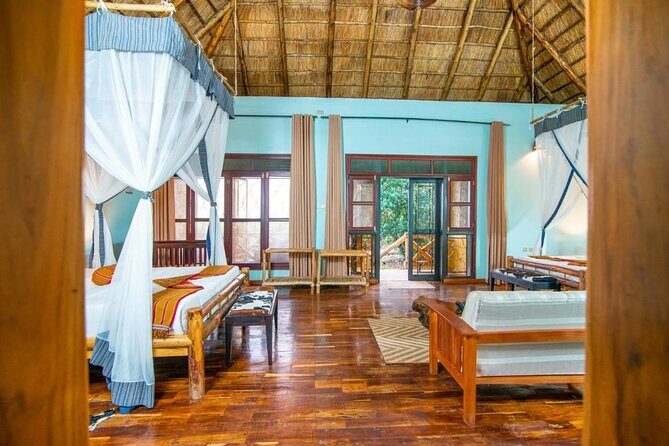
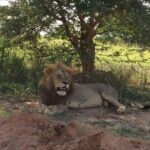
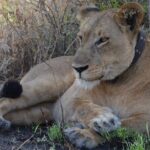
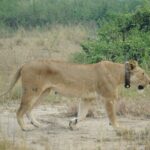
The Ishasha leg is built around a specific wow factor: tree-climbing lions. The guide’s job here is crucial, because these cats can be hard to spot when they’re down in the grass looking for prey. The itinerary notes a chance of about 70%, which is a good sign—but it’s still not a guarantee. That’s normal for wildlife anywhere, and it’s exactly why the rest of the day is planned for other animals too, like Uganda kob, cape buffalos, elephants, and warthogs.
After Ishasha, you transfer to Bwindi Impenetrable National Park. Bwindi is famous for mountain gorillas, but it’s also a serious forest. Even before the gorilla day, you’ll feel it in the air and the terrain. The tour intentionally keeps your arrival day lighter so you can rest and prepare.
Smart expectation to set: gorilla trekking is physically demanding and mentally intense. The schedule gives you less “stuff” before the trek, which helps you show up with energy.
Bwindi gorilla trekking: one hour with a mountain gorilla group
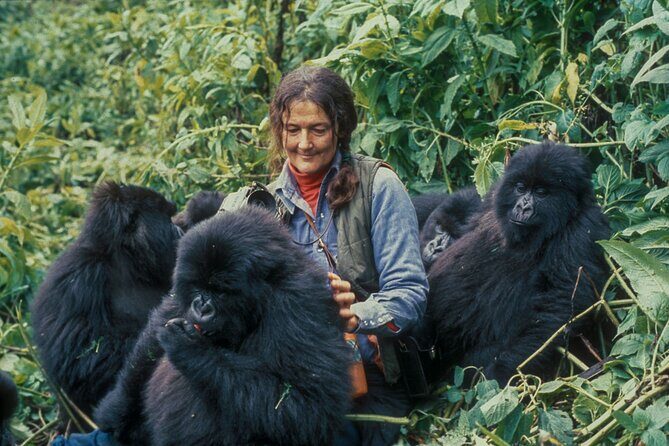
Your gorilla experience is built around a ranger briefing and then entering the gorilla sanctuary. Bwindi is described as steep, dense rainforest with animal trails. That’s the reality: you’ll travel through thick forest, often with uneven footing, and the time it takes can vary depending on how the gorillas are moving.
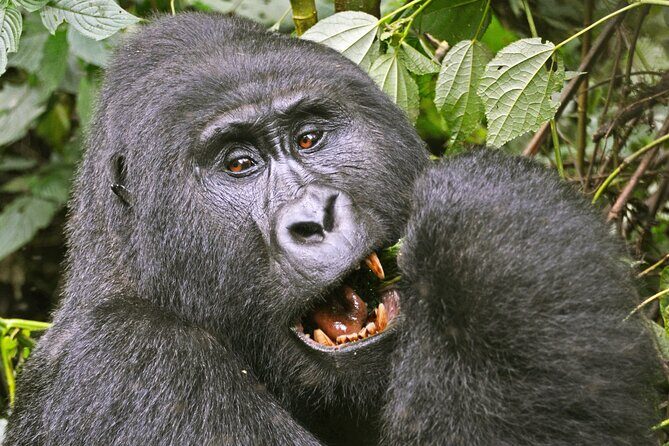
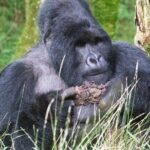
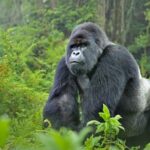
Once you locate a gorilla group, you’re allowed one hour in their presence. That hour is the moment you came for—watching how they move, react, and interact. It also tends to be emotional in a quiet way, because these are endangered giants and you’re seeing them up close without interruption.
One logistical point that helps: this tour includes gorilla permits (one per person, non-resident) in the price. Permits can be the bottleneck for Uganda gorilla trips, and having them included makes your trip feel more “locked in.”
How to prep your body: pack for wet conditions and wear layers you can adjust. Gorilla trekking often means slow, careful movement—breathable layers help more than heavy coats.
Lake Mutanda: slow down after the big treks
After Bwindi, you head to Lake Mutanda for a reset. This is the relaxation stretch, and it’s a good choice. You’re not jumping right back into intense tracking; you get the chance to breathe.
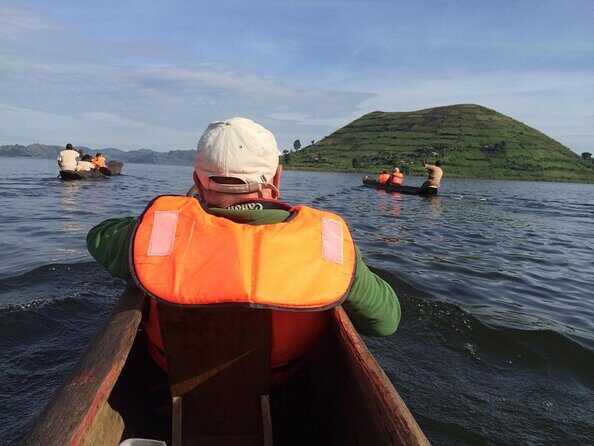
A highlight is a traditional experience by dug-out canoe, planned for up to about 3 hours. You’ll discover the lake’s islands in a way that feels local and unhurried compared to vehicle-based game drives. After that, you’ll return to your lodge area and spend time relaxing with views around Mutanda.
Why this part matters: it prevents the tour from turning into nonstop exertion. A little recovery makes the Lake Mburo days more enjoyable rather than “tired sightseeing.”
Lake Mburo National Park: zebra density, ranger-guided walks, and views
You finish in Lake Mburo National Park, a different kind of safari feel from the big savanna parks. You start with a drive where you may see eland antelopes, zebras, topis, impalas, warthogs, Uganda kob, and cape buffalos.
The final morning is a guided park walk with a Uganda Wildlife Authority ranger. The tour notes that you might encounter hyenas returning to dens after night activity, and that the walk can bring you close to zebras, giraffes, eland, topi, and other antelopes, plus cape buffalo.
There’s also a chance to take a trail to higher ground for a view over the lakes around Lake Mburo—useful because it gives you a bigger picture of the whole area, not just the animals at ground level.
Practical thought: walking safaris change how you spot animals. You’ll feel more of the park sounds and it’s often easier to notice tracks and movement. If you like nature watching that’s not only from a vehicle, Lake Mburo is a great end.
Price and logistics: what $4,999 really buys you
At $4,999 per person for an approximate 13-day trip, the price is steep—but it’s also the kind of amount that makes sense only if the big permits are included and the route is well structured.
Here’s what’s directly included:
- Gorilla permits and chimp permits (one per person, non-resident)
- 12 nights accommodation
- Professional driver/guide
- Breakfast, lunch, and dinner across the days listed
- A planned private experience (only your group)
That matters because gorilla and chimp permits can be the most expensive and most complex part of Uganda wildlife travel. So you’re not just paying for driving and hotels—you’re paying for access.
Also, you’ll start from Entebbe Airport and end back at Entebbe for your outbound flight. Pickup is offered, and the tour uses a mobile ticket, which can reduce some last-minute friction.
One consideration: with a long route through multiple parks, you’ll want to pack smart and plan your energy. This isn’t a “spread out, sleep in, do one activity a day” kind of safari.
Who should book this safari
This tour fits best if you:
- Want the big Uganda wildlife trio: chimps in Kibale, gorillas in Bwindi, and river-and-plain game viewing
- Prefer a private setup with your own group timing
- Are okay with long days and a moderate fitness level, especially for forest trekking
- Like variety: launches, boat rides, game drives, and at least one ranger-led walk
It’s also a good pick for families or mixed ages if everyone is realistically able to handle the physical demands. People have praised how the guide team supports groups of different sizes, including a family of seven on a similar schedule.
Should you book Tubale Safaris for this 13-day wildlife route?
I’d say yes if your priority is authentic access—chimp habituation, gorilla trekking, and multiple wildlife parks that each do something different. The included permits remove a lot of stress, and the pacing includes a recovery day in the middle (Lake Mutanda) rather than stacking only hard activities.
I’d hesitate if you hate long travel days, or if you’re not comfortable with steep, wet, forest terrain. In that case, you might want a shorter route that reduces how many ecosystems you’re moving through.
If you do book, go in with the right mindset: wildlife isn’t a vending machine. Your odds are strong, but the forest sets the tempo. When it’s good, it’s very good.
FAQ
What cities and parks does the tour cover?
The tour starts with arrival into Entebbe and transfers you to Kampala, then continues through Murchison Falls National Park, Kibale National Park, Queen Elizabeth National Park, Ishasha, Bwindi Impenetrable National Park, Lake Mutanda, and Lake Mburo National Park before returning to Entebbe for your flight.
Where does the trip start and where does it end?
It starts at Entebbe Airport and ends in Entebbe for your outbound flight.
Is this a private tour?
Yes. It’s a private tour/activity, and only your group will participate.
Are gorilla permits and chimp permits included?
Yes. Gorilla permits (one per person, non-resident) and chimp permits (one per person, non-resident) are included.
What wildlife experiences are included?
You’ll have chimp habituation in Kibale, gorilla trekking in Bwindi, game drives in several parks, a launch trip connected to Murchison Falls, and a boat trip on the Kazinga Channel. There’s also rhino tracking at Zziwa Rhino Sanctuary.
How long is the safari?
It’s approximately 13 days.
What’s included for meals and accommodation?
The price includes 12 nights of accommodation and breakfast (12), lunch (12), and dinner (12), along with a professional driver/guide.
Is pickup included?
The tour summary says pickup is offered, and it starts at Entebbe Airport.
What fitness level do I need?
The tour notes travelers should have a moderate physical fitness level, since you’ll do activities like trekking in forest areas and other wildlife excursions.
Is free cancellation available?
Yes. Free cancellation is available up to 24 hours in advance for a full refund.