REVIEW · KAMPALA
Entebbe Eco Tour – Full Day
Book on Viator →Operated by Gazelle Safari Company · Bookable on Viator
A full day in Entebbe beats a quick stop. This tour strings together wildlife rescue, Lake Victoria wetlands birding, gardens, reptiles, and Kigungu’s religious history—so you get a real sense of how people and nature connect here.
I especially like the “learning by seeing” style. You’ll spend time at places built for conservation and education, not just quick photo stops.
One thing to keep in mind: the day runs close to 9–10 hours, and most sites involve walking and time outdoors, so plan for comfort and weather.
In This Review
- Key takeaways before you go
- The Entebbe Eco Tour rhythm: from 8:30 am to a packed day
- Uganda Wildlife Conservation Education Centre: rehab stories told by animals
- Mabamba Swamp shoebill site: why 2 hours on the wetlands is a big deal
- Entebbe Botanical Gardens: birds, shade, and cliff views
- Uganda Reptile Village: community conservation you can see
- Kigungu: a short stop with big religious history
- Lunch breaks: keep your energy up for boat time and reptiles
- What you’re really paying for: value in admissions, transport, and time
- Who this tour fits best (and who should rethink it)
- Should you book the Entebbe Eco Tour?
- FAQ
- FAQ
- How long is the Entebbe Eco Tour – Full Day?
- What sites are included in the day?
- Is lunch included?
- Are admission fees included?
- Is the Mabamba boat transfer included?
- What transportation is provided?
- What’s the cancellation rule?
Key takeaways before you go
- Hitting conservation hubs: rehabilitation at a wildlife education centre plus community conservation at the reptile village
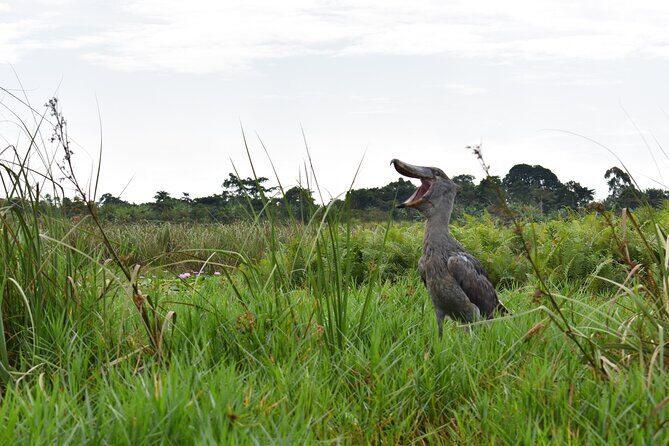
- Shoebill time at Mabamba Swamp: a dedicated 2-hour slot for spotting Uganda’s famous endemic bird
- Real structure to the day: each stop has a set window (about 1–2 hours), which helps you manage time
- Admissions are covered: site entry fees are included, so you’re not paying multiple surprises
- Lunch is handled: a Ugandan meal plus a soft drink or mineral water keeps the day moving
- Long but worth it: you’re out from 8:30 am for much of the day, so bring patience and good shoes
The Entebbe Eco Tour rhythm: from 8:30 am to a packed day
The tour starts at 8:30 am, and expect a 9 to 10 hour experience overall. That’s a proper day out, not a “half-day sampler.” The upside is you don’t feel rushed. The tradeoff is you’ll want to stay focused and hydrated, especially if you’re visiting during warmer or rain-prone weather.
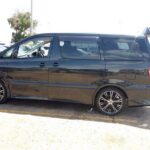
Transport is handled in a 4WD minibus with fueling, and pickup is offered. You’ll also have an English-speaking driver-guide with you, which matters a lot for places like conservation centres and historical sites where context turns a visit into something memorable.
This is also set up as a private activity for your group. If you’re traveling with friends or family, it generally feels easier to ask questions, adjust the pace slightly, and keep everyone together.
A few more Kampala tours and experiences worth a look
Uganda Wildlife Conservation Education Centre: rehab stories told by animals
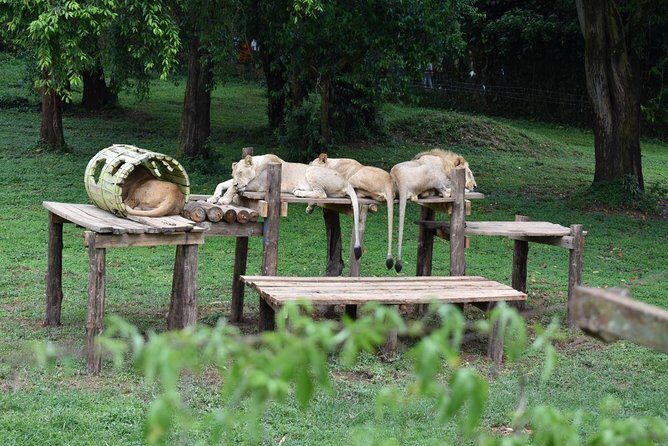
Your first major stop is the Uganda Wildlife Conservation Education Centre, established in 1952 with a mission centered on rescuing and rehabilitating injured and orphaned wildlife. You’re not just walking past cages here. The whole point is education—how rescue works, why certain animals end up at the centre, and what humans can do to help.
Plan on about 2 hours. The collection includes over 400 indigenous wild animals plus 500 plant species and over 250 bird species. In plain terms: it’s a lot to see in a short time, so you’ll want your guide’s eyes and explanations up front.
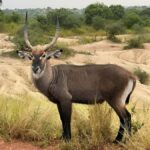
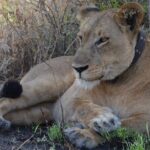
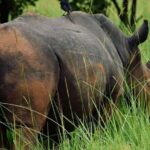
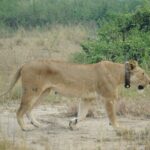
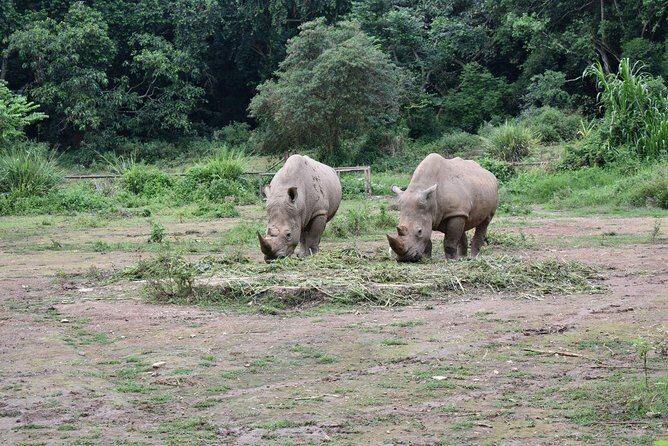
What you might spot can include zebras, antelopes, monkeys, giraffes, cheetahs, rhinos, chimpanzees, warthogs, and lions. It’s also where you can see birds like the endemic shoebill, and reptiles as well. That variety is a big reason this stop works well early in the day: it gets you into the wildlife mindset before you head to wetlands birding.
A practical consideration: because it’s a wildlife facility with lots of species, it can feel like information overload. I like having a guide here—someone who can point out what’s going on with each animal and connect it back to conservation.
Mabamba Swamp shoebill site: why 2 hours on the wetlands is a big deal
After the zoo-style viewing, you shift to Lake Victoria’s wetland setting at the Mabamba Swamp Shoebill Site. This area sits on the wetlands edge of Lake Victoria, north west of the Entebbe peninsula, and it’s designed for protected bird viewing.
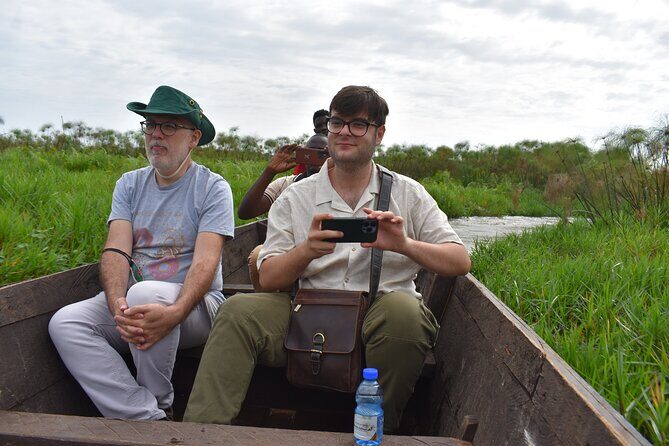
You get another 2-hour block here, plus Mabamba boat transfers and entrance fees are included in the tour. That boat component matters because it changes the odds. You’re not just standing and hoping—you’re moving through the swamp environment in a way that gives you a real shot at spotting the star species.
The headline is the shoebill stork. This site is known for having the endemic shoebill, and the wider bird list can run over 260 species in the protected area. You might also encounter birds such as pallid harrier, black kite, papyrus canary, papyrus gonolek, blue swallow, white-winged warbler, goliath heron, malachite kingfisher, gull-billed terns, winding cisticola, veillot’s black weaver, and grosbeak weaver.
Here’s the real-world reason this stop feels special: the shoebill doesn’t look like any bird most first-timers expect. In my experience with wildlife destinations, the moment you actually see a rare species, your whole trip clicks into place. One highlight in past experiences here has been getting that close, prehistoric-looking view of the shoebill in the swamp environment.
One careful note: one person flagged a mismatch between how the shoebill transfer was described and what they expected to pay separately. Your tour details list boat transfers as included, so the smartest move is to confirm the inclusions clearly at booking, especially if you’re relying on Mabamba to be fully covered. That way you don’t get surprised mid-day.
Entebbe Botanical Gardens: birds, shade, and cliff views
Next you head to the Entebbe Botanical Gardens, an eco-zone established in 1898. This is a different pace from the wildlife centre and it’s a nice mental reset. Instead of animal encounters, you’re focused on trees, birds, and the outdoor calm that comes with a well-set garden space.
You’ll have about 2 hours here, including time to enjoy fresh air and spot birds. There’s also access to a cliff area where you can get views of the Entebbe peninsula. That combination—birds plus viewpoint—makes it feel like more than just a stroll through greenery.
What I like about adding this stop: it breaks up the day so you’re not “always on.” When you later reach reptile time, you’ll still be engaged. If you’re prone to getting tired by long indoor animal settings, this garden portion helps you keep the energy up.
Weather can affect this part. If it’s rainy, the footing and comfort matter more than usual. You’ll walk, so dress for the day you actually get.
Uganda Reptile Village: community conservation you can see
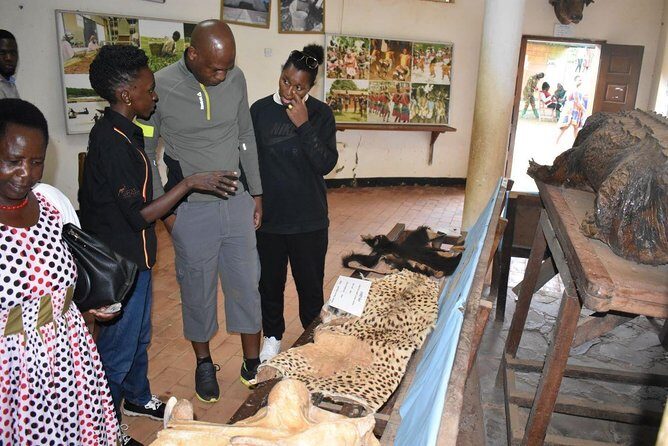
After birds and gardens, you switch to a more hands-on conservation model at the Uganda Reptile Village. This is a community-based organisation founded in 2003 with education at its core—especially teaching local communities why eco-tourism matters and how to protect reptile species responsibly.
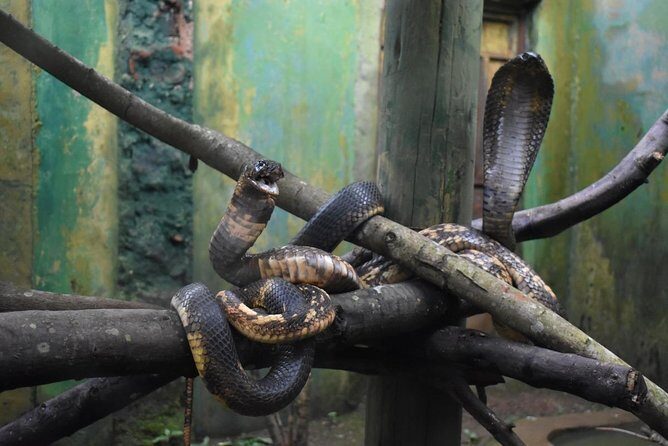
You get about 2 hours at the reptile village. The facility focuses on protecting over 20 reptile species with 50+ reptiles on site, including mambas, pythons, vipers, cobras, puff adders, tortoises, monitor lizards, crocodiles, chameleons, and more.
This is the stop that tends to create strong reactions. If you’re the kind of traveler who likes learning how human communities manage wildlife concerns, this place fits the theme of the day perfectly. If you’re squeamish around reptiles, it’s still manageable, but you might need a little time to get comfortable.
A practical tip: bring your best “curious brain” for this section. The value here is in understanding what these animals mean in the local ecosystem and why education is a key part of reducing harm.


Kigungu: a short stop with big religious history
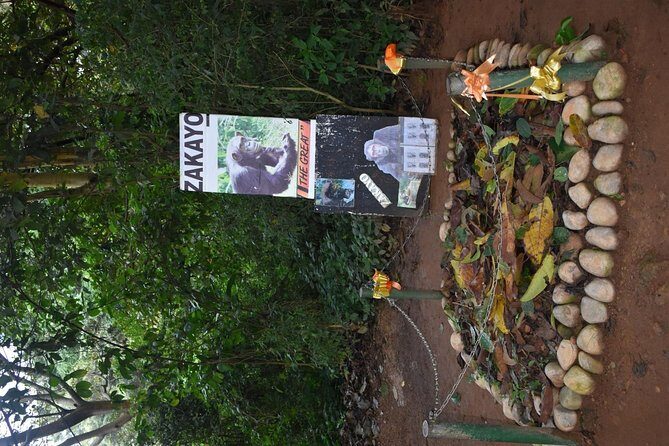
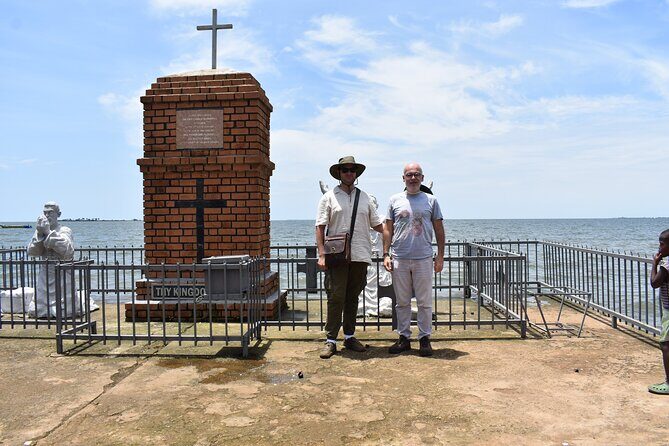
The final cultural note is Kigungu, a site tied to the arrival of Catholicism in Uganda in the 18th century. You’ll have about 1 hour here.
It’s a lighter stop compared to the wildlife blocks, but it’s a good way to balance your day. By this point, you’ve been thinking about nature and conservation. Kigungu shifts the lens toward how communities, beliefs, and history developed alongside the environment.
Because it’s shorter, I’d use this hour to slow down and ask your driver-guide questions. Even small historical context can help it land. This is also an easy stop if you’re pacing yourself through the day’s walking.
Lunch breaks: keep your energy up for boat time and reptiles
Lunch is included: a Ugandan lunch with a soft drink or mineral water. That matters because the day has multiple moving parts, and a planned meal helps you avoid decision fatigue.
One detail I like from the way tours like this operate is that guides often keep a steady rhythm—meaning you’re not waiting around hungry while the group figures out where to eat. Since the tour covers admission fees and transport, lunch is one less variable to manage yourself.
If you have dietary restrictions, the tour data doesn’t spell out options, so it’s smart to ask during booking. At minimum, confirm what’s possible with the lunch included.
What you’re really paying for: value in admissions, transport, and time
The price is $270.00 per person for this full day. That’s not a small number, so it’s worth thinking about what’s baked in:
Included in the tour:
- Mabamba boat transfers and entrance fees
- Private transport in a 4WD minibus (including fueling)
- Ugandan lunch plus a soft drink or mineral water
- Admission fees per site visited
- An English-speaking driver-guide
When the day includes admissions at every stop plus boat transfers, the cost becomes easier to justify. Many tours understate the real spending by leaving out “small” entry fees that add up. Here, the structure aims to keep costs predictable.
Not included:
- Travel and medical insurance
- Tips and gratuities plus personal expenses
- Extra meals and drinks beyond the included lunch
My take on value: if you want a full day that covers Entebbe’s major wildlife-and-heritage themes without you managing logistics, this price can feel fair. If you’re the type who likes to bargain for individual tickets and arrange your own transport, you might spend less—but you’ll also lose the guide context and the smooth day flow.
Who this tour fits best (and who should rethink it)
This experience is a good match if you:
- Want wildlife + culture in one day rather than separate planning days
- Care about conservation and education, not just sightseeing
- Like birding and would enjoy the chance to see the shoebill
- Prefer having an English-speaking guide handling the talking and timing
It might be less ideal if you:
- Dislike long days with multiple outdoor stops (you’re out most of the day)
- Need very predictable walking comfort throughout (the tour suggests moderate physical fitness level)
- Are extremely sensitive around reptiles (they’re a real focus of the day)
Should you book the Entebbe Eco Tour?
I’d book it if you’re in Entebbe for a limited time and you want a single day that covers wildlife rescue, wetland birding, gardens, reptiles, and history—without scrambling for tickets or transport. The biggest selling point is the conservation-and-education focus, paired with a strong set of included costs like admissions and boat transfers.
Before you pay, do one quick check: confirm exactly what boat/transfer coverage means for the Mabamba shoebill time, since there has been at least one concern raised about the wording versus expectations. With that clarified, this tour is a solid way to see Entebbe beyond the usual “drive-by” sightseeing.
FAQ
FAQ
How long is the Entebbe Eco Tour – Full Day?
It runs about 9 to 10 hours with a start time of 8:30 am.
What sites are included in the day?
The main stops are the Uganda Wildlife Conservation Education Centre, Mabamba Swamp Shoebill Site, Entebbe Botanical Gardens, Uganda Reptile Village, and Kigungu.
Is lunch included?
Yes. You get a Ugandan lunch with a soft drink or mineral water included.
Are admission fees included?
Yes. Admission fees per site visited are included in the tour price.
Is the Mabamba boat transfer included?
Yes. Mabamba boat transfers and entrance fees are listed as included.
What transportation is provided?
You get private transport in a 4WD minibus with fueling, plus pickup is offered.
What’s the cancellation rule?
There is free cancellation. You can cancel up to 24 hours in advance for a full refund; canceling less than 24 hours before the start time isn’t refundable.