REVIEW · KAMPALA
Equator Tour (Airpals Safaris tour)
Book on Viator →Operated by Airpals Safaris Tour · Bookable on Viator
Equator line trips are oddly satisfying. This private Kampala-to-Kayabwe outing centers on the equator landmark on Green Equator Masaka Rd and includes compass and water demonstrations that make geography feel hands-on. It’s the kind of stop that’s easy to enjoy even if you’re not a science person.
I also like the private guide time. After the equator area, you shift into a slower rhythm on a 1-hour countryside walk through nearby villages, farms, and crops, with village-life context along the way. You get answers as you go, instead of just passing by.
One thing to consider: it runs about 4 to 5 hours, and lunch isn’t included. If you get hungry fast, plan your meal timing so you don’t end the day thinking about food instead of photos.
In This Review
- Key points at a glance
- A 10:00 am Kampala break that still fits your day
- Green Equator Masaka Rd: the landmark and the hemisphere experiment
- Craft markets, souvenirs, and the water-and-compass moments
- The countryside walk: villages, farms, and crops up close
- Price and logistics: $100 worth it when transport and admission are included
- Why a private guide makes the equator day better
- Who should book this equator and countryside combo
- Should you book Airpals Safaris’ Equator Tour?
- FAQ
- FAQ
- What city does the tour start from?
- What time does the tour begin?
- How long does the tour take?
- Is this tour private?
- What’s the cost per person?
- What’s included in the price?
- Is lunch included?
- Do I receive a ticket on my phone?
- Is confirmation provided after booking?
- Is free cancellation available?
Key points at a glance
- Private pickup and round-trip transport from your Kampala hotel keeps the logistics simple.
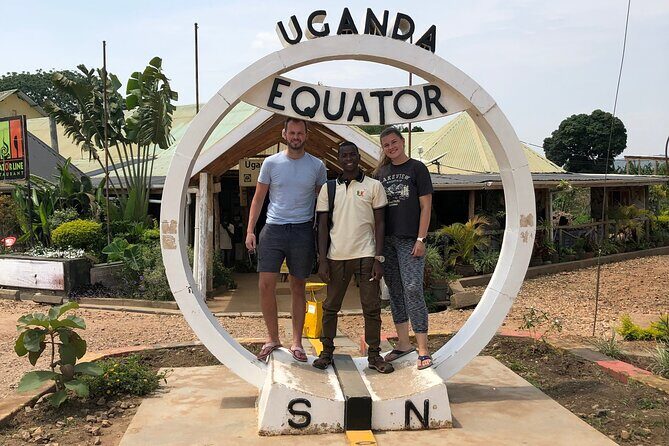
- Kayabwe’s Green Equator Masaka Rd landmark is the star photo stop.
- Water and compass demonstrations turn the equator from a dot on a map into a real moment.
- Souvenir craft markets nearby give you something useful to take home.
- A 1-hour countryside walk offers a closer look at rural life beyond the main road.
- Admission and transport costs are included, so you’re not guessing what extra fees pop up.
A 10:00 am Kampala break that still fits your day
This tour starts at 10:00 am and is designed as a half-day outing, roughly 4 to 5 hours round-trip. Even though it’s described as a private full-day experience, the time on the clock is short enough that you can still keep an afternoon plan without feeling like you lost the whole day.
You’ll ride in a private car with round-trip transportation from your Kampala hotel. That matters more than people think: rural Uganda can be easy to enjoy once you’re organized, and harder to manage when you’re trying to coordinate unfamiliar roads on your own. The tour also uses a mobile ticket, which helps you stay out of admin mode and focus on being out in the world.
Because it’s private, you get one guide and your own pace within the activity flow. It’s not a “stand here while a crowd moves past” type of setup. I’d file this under practical sightseeing—just structured enough to work, not so structured that you feel trapped.
You can also read our reviews of more tours and experiences in Kampala.
Green Equator Masaka Rd: the landmark and the hemisphere experiment
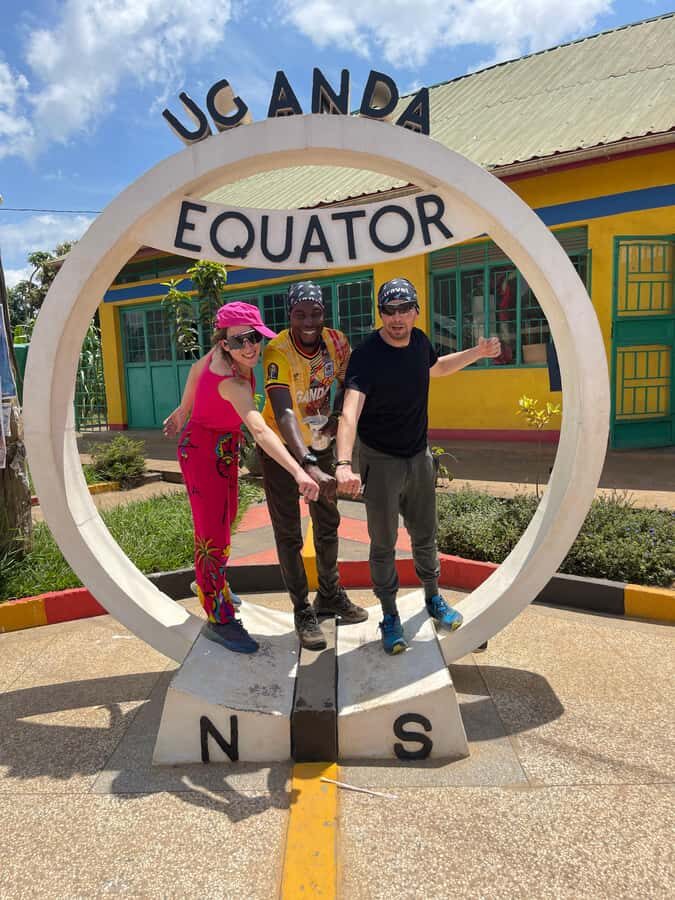
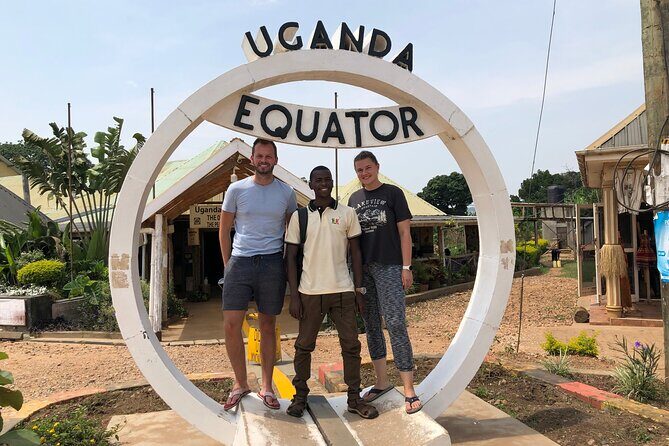
Kayabwe’s equator line is centered on the Green Equator Masaka Rd landmark, described as the major latitude that splits the world into two equal hemispheres: Northern and Southern. That simple framing is actually why this stop works. You don’t just take a photo and move on—you get a concrete explanation for what you’re looking at.
The equator area includes time for photos and a short walk around town. You’ll also have about 15 minutes for a quick loop after the first stop—enough to stretch your legs, look around, and spot the best angles without turning it into a long detour.
There’s also an “experiment” element built into the visit: you’ll be guided in a way meant to help you distinguish Northern and Southern hemisphere. No, it won’t turn you into a cartography professor, but it does make the equator feel less abstract. If you’ve ever wondered why tourists treat a line on the ground like a big deal, this is the moment when it clicks.
Practical tip for the photos: aim to capture the landmark from more than one side. In these kinds of stops, the surroundings and marker placement can change your angle a lot, even if you’re only shifting a few steps.
Craft markets, souvenirs, and the water-and-compass moments
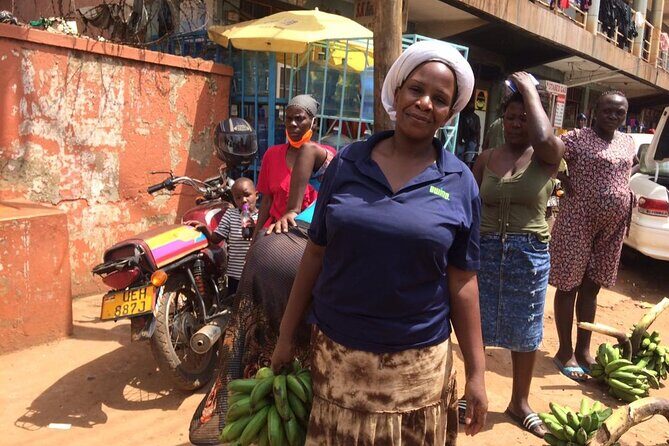
One of the most enjoyable parts of this outing is that it doesn’t keep you staring at one point on the map. The equator area is surrounded by craft markets, so you can browse while you’re there rather than needing a separate shopping errand.
You’ll find stalls with souvenirs you can pick up right near the landmark, which is ideal if you want something tangible without adding extra transport. This is also one of those low-stress shopping situations: you can decide what you like in the moment, then get back to the guided flow.
The tour also includes water and compass demonstrations. These are designed to connect the equator concept to everyday things you can observe. Even if you’ve heard “compass directions” before, watching it demonstrated in the equator context gives it a new layer—especially because you’re physically at the marker, not imagining it.
Here’s what I like about this approach: it helps you understand what you’re seeing instead of treating the day like a checkbox list. You’ll still end up with photos, but you’ll also leave with a memory that feels like it has meaning.
The countryside walk: villages, farms, and crops up close
After the equator stop and market time, the day shifts gears to a 1-hour countryside walk led by your guide. This part is where the tour becomes more than a landmark visit. You’ll explore nearby villages, farms, and crops, and you’ll get insights into village life in Uganda.
A countryside walk can be uneven and slower than a city stroll, so this is a good fit if you enjoy moving at a human pace. You’re not just looking at scenery—you’re learning what you’re seeing. When a guide explains what crops are grown, why certain patterns exist, and how village life works day to day, the whole area becomes easier to understand.
One consideration: this segment is outdoors, so your comfort depends on how you handle walking time and weather. The itinerary doesn’t mention anything like a hard hiking grade, but it is a walk—so comfortable shoes and a calm attitude go a long way.
If you came to Uganda mainly for the equator photo, don’t skip this portion. It’s the part that most clearly answers the question of what rural life around Kampala actually looks like.
Price and logistics: $100 worth it when transport and admission are included
At $100.00 per person, this tour sits in a “pay for convenience” category. The key value point is what’s included: transport costs and admission fees are covered, and you get a private guide for the day’s flow.
That matters because Kampala-to-Kayabwe logistics can take time to organize if you’re doing it yourself—especially if you want round-trip transportation without negotiating rides mid-day. Here, the cost wraps that up so you can spend your mental energy on the experience itself.
The one clear gap is lunch isn’t included. You should plan ahead so you’re not stuck deciding between meals while your group is hungry and the day is still moving. If you’re booking, I’d build in time for food before or after the tour so the tour stays the focus.
Also note: the tour uses a private car and a mobile ticket, both small details that usually add up to fewer hassles. If you’re traveling with limited time, that “less coordination, more doing” style can be worth real money.

Why a private guide makes the equator day better
The equator itself is a highlight, but the guide is what turns it into a story you can tell later. You get personalized attention and tips, and you’re guided through the landmark area, market browsing, and the countryside walk.
This matters for two reasons. First, you can ask questions in context—when you’re standing at the equator line, or when you’re looking at crops in a rural area. Second, you’re less likely to miss the point of what you’re seeing. With an independent plan, people often take the photos but leave with half the meaning.
This tour has a strong 4.9 rating based on 9 reviews, and the most praised theme is simple: people feel this is a worthwhile way to reach places they wouldn’t go to as easily on their own. That matches the structure here—private transport plus a guide who knows what to show and when.
If you like learning while you travel, you’ll probably get more out of this than a “quick photo and go” approach. And if you just want the classic equator shots, you still get that—just with extra context attached.
Who should book this equator and countryside combo
This tour is a good match if you:
- Want a memorable Kampala outing without losing a full day.
- Like guided explanations that make a landmark more than a selfie stop.
- Enjoy rural travel that includes villages, farms, and crops—not only viewpoints.
- Prefer private attention over crowded group logistics.
It’s also helpful if you want something that feels authentic without requiring DIY planning. The route starts in Kampala and brings you to the equator line area with all the key stops built in. Then you get a walk that adds perspective on life outside the city.
Most travelers can participate, and it’s a private tour for just your group. That combination tends to work well for couples and small groups who want flexibility and conversation time with the guide.
Should you book Airpals Safaris’ Equator Tour?
I’d book it if your goal is to see the equator landmark at Kayabwe and come away with more than a couple of photos. The mix of equator-line landmark time, water-and-compass demonstrations, market browsing, and a 1-hour countryside walk makes this feel like a complete mini-day rather than a single roadside stop.
I’d think twice if you’re chasing a long, slow cultural day or if lunch timing is a big deal for you. With 4 to 5 hours total and lunch not included, you’ll want to handle food planning so you stay comfortable.
If you can align your schedule and you want practical, guided rural Uganda in a bite-sized package, this is the kind of tour that tends to deliver good memories fast.
FAQ
FAQ
What city does the tour start from?
The tour starts in Kampala, Uganda.
What time does the tour begin?
The start time is 10:00 am.
How long does the tour take?
It lasts about 4 to 5 hours.
Is this tour private?
Yes. It’s a private tour/activity, and only your group participates.
What’s the cost per person?
The price is $100.00 per person.
What’s included in the price?
Transport costs and admission fees are included.
Is lunch included?
No, lunch is not included.
Do I receive a ticket on my phone?
Yes. The tour includes a mobile ticket.
Is confirmation provided after booking?
Yes. Confirmation is received at the time of booking.
Is free cancellation available?
Yes. You can cancel up to 24 hours in advance for a full refund. If you cancel less than 24 hours before the start time, the amount paid isn’t refunded.