REVIEW · KAMPALA
Mountain Rwenzori Trekking Uganda 9 Day Safari
Book on Viator →Operated by Travelmonke Tours and Travel · Bookable on Viator
Rwenzori feels like another planet in Uganda. This 9-day mountain trek climbs toward Margherita, the range’s highest peak, with permanently snow-capped scenery and big-picture views of the Rwenzori Mountains National Park ecosystem.
I also like that the route mixes high altitude walking with a human touch, from Bakonjo mountain communities to local village encounters along the way. One thing to weigh: this is strenuous, slow-going trekking with bogs, rocks, and a strong need for good weather and solid fitness.
In This Review
- Key highlights you’ll care about
- From Entebbe to Kasese: equator photos, then the long road into Rwenzori country
- Nyakalengija trail to Nyabitaba hut: Bakonjo footsteps and a river crossing
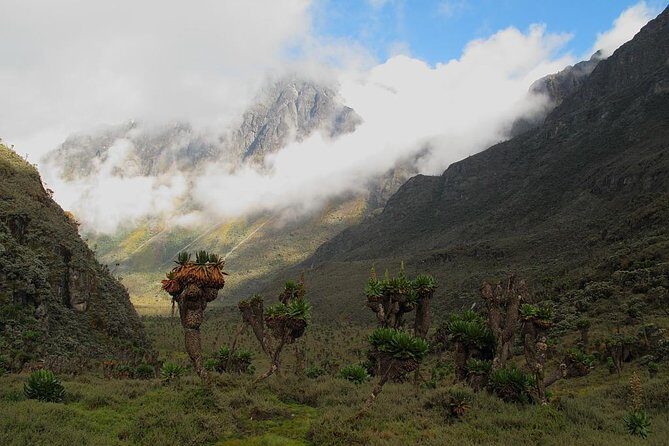
- John Matte day: bamboo forest climbs and giant heather scenes
- John Matte to Bujuku hut: bogs, Lake Bujuku, and the legend of the everlasting flower
- Scott Eliot Pass and Elena hut: the step into high pass altitude
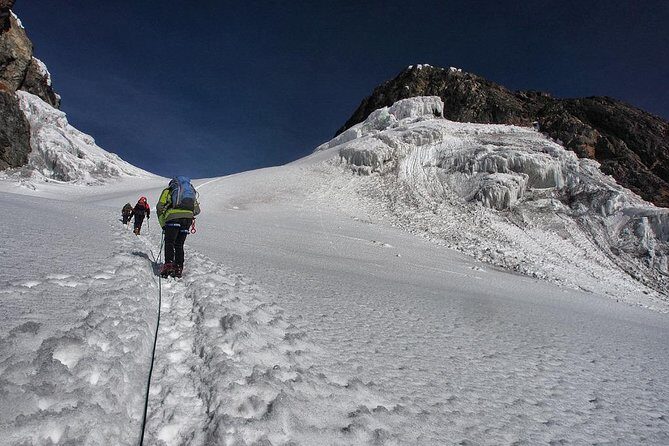
- Stanley plateau to Margherita summit: the glacier approach and the 3-hour summit push
- Freshfield Pass and Guy Yeoman hut: wet trails, big panoramas, and Kabamba rock shelters
- Guy Yeoman to Nyabitaba: the Mubuku River descent and your last hut night
- Final descent: returning to park HQ and heading back to Kampala
- Wildlife and birding potential: what Rwenzori’s park stats mean for your trek
- Price and value: how $2,390 fits the real costs of a Rwenzori trek
- How to prepare for bogs, passes, and glacier-country days
- Should you book this 9-day Rwenzori trekking safari?
- FAQ
- Where does this trek start?
- Is the trek a private experience?
- What fitness level do I need?
- Are park fees and admissions included?
- What meals are included in the 9 days?
- What if weather is bad?
Key highlights you’ll care about
- Margherita summit planning with a glacier approach from the Stanley side
- Hut-to-hut style pacing (Nyabitaba, John Matte, Bujuku, Elena, Kitandara, Guy Yeoman, then back down)
- A real mix of environments: bamboo, heather, mossy groundcover, bogs, passes, and high-alpine ridges
- Big biodiversity setting in a park with 70+ mammals and 217 bird species
- Bakonjo area walking through plantations, homesteads, and mountain dwellers’ trails
- Private tour format meaning it’s just your group for the trek days
From Entebbe to Kasese: equator photos, then the long road into Rwenzori country
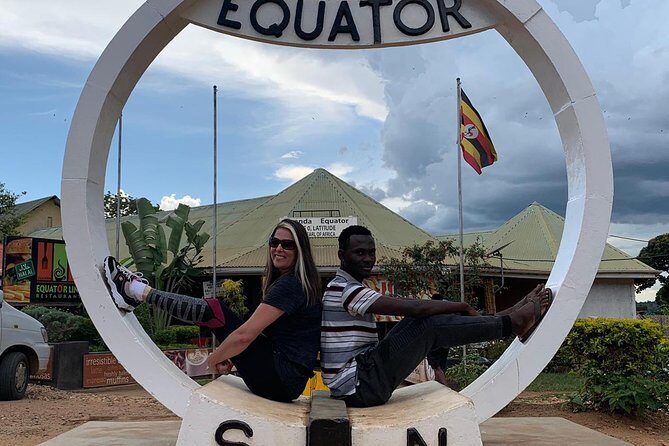
Your trip starts around Entebbe Airport, and the program offers pickup. From there you move south-west toward the Rwenzori region, with a planned break at the equator—yes, the kind where you can stand in the northern and southern hemispheres at the same time and take those classic photos.
After that, you continue to Mbarara town for lunch before reaching the Rwenzori area in the evening. This matters because the first night is your chance to settle, eat well, and be ready for trekking the next day when the air feels cooler and the terrain starts to get serious.
You can also read our reviews of more hiking tours in Kampala

Nyakalengija trail to Nyabitaba hut: Bakonjo footsteps and a river crossing
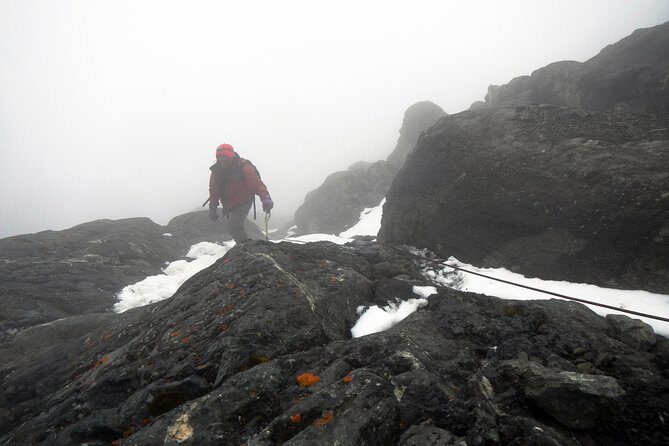
Day two begins with a briefing at Rwenzori Mountains National Park headquarters, plus the equipment process before you hit the trails. You’ll start from Nyakalengija, then walk through plantations and humble Bakonjo homesteads—this is one of those treks where the mountain isn’t the only story.
The trail includes the Mahoma River crossing, then you reach Nyabitaba hut (about 2,652m) after roughly 5–6 hours of hiking. Along this section, your surroundings can include Rwenzori Turaco, monkeys, and chimpanzees depending on conditions—worth keeping your eyes up, not just on the ground.
The views here can also set the tone for the week. From the hut area you’re looking out toward portal peaks and Mount Kyniangoma, which helps you understand why people call Rwenzori the Mountains of the Moon.
John Matte day: bamboo forest climbs and giant heather scenes
On day three, the rhythm shifts. You descend toward the Mukubu River, then climb through bamboo forest to John Matte hut (3,380m). Expect about 5–6 hours total hiking.
In the afternoon you’ll deal with boulder hopping and then ascend via the north side of Bukuju River into a giant heather forest. This is the kind of hike that’s less about speed and more about steady movement—one careful step at a time—because the ground can change from firm trail to slippery surfaces faster than you’d expect.
You sleep at John Matte hut, which is a good midpoint “checkpoint night” before the route rises into higher bog and pass country later in the trek.
John Matte to Bujuku hut: bogs, Lake Bujuku, and the legend of the everlasting flower
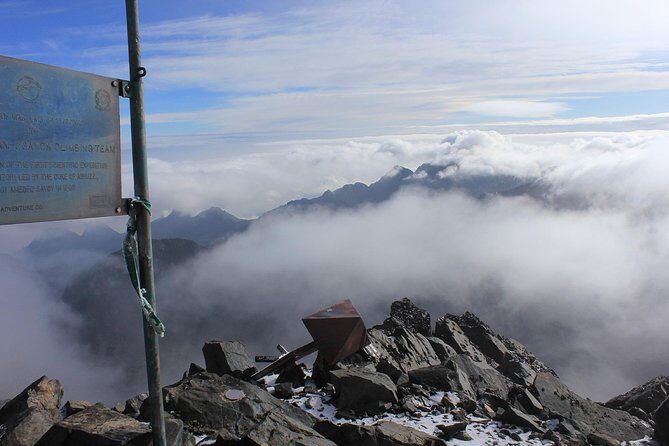
Day four runs from John Matte hut (3,380m) to Bujuku hut (3,977m). This is where the trek leans hard into one of Rwenzori’s signature features: bogs.
You’ll traverse areas such as Bigo bog and pass Lake Bujuku, so plan for slow, careful walking rather than long, efficient strides. Even though the day is about 5–6 hours, bog terrain can stretch your energy fast because it demands balance and constant attention.
One of the most interesting stops on this day is the mythical everlasting flower, described as a plant that can remain for about 40 years. Whether you find it or not, it adds to the sense that Rwenzori’s ecology is special—rare plants and high-elevation conditions are a big part of why this range is famous.
Scott Eliot Pass and Elena hut: the step into high pass altitude
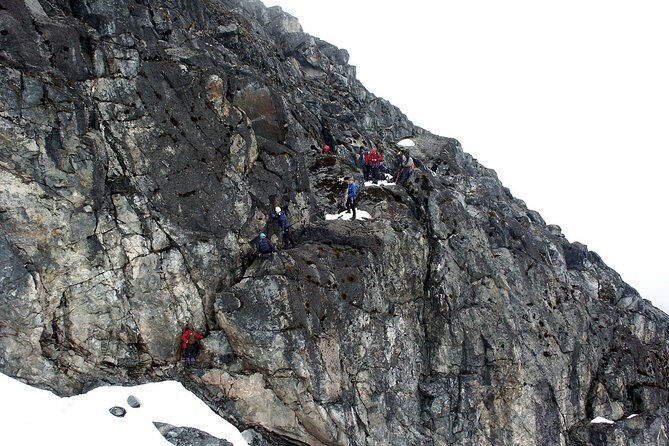
On day five, you leave Bukuju hut and climb through moss-covered groundsel greenery toward Scott Eliot Pass (4,372m). The pass sits between Mount Baker and Mount Stanley, and that positioning gives you scale—this is serious high-country walking.
After you reach the pass, you continue to Elena hut (about 4,540m) for the night. It’s still described as a roughly 5–6 hour hike, but this is a day where altitude starts to make your breathing and pacing feel different, even if you’re fit.
This is also the day that makes tomorrow’s summit push feel real. Elena hut is the “gear up mentally” place. You’ll want to sleep well, keep warm, and treat your body like it’s working for a bigger goal.
A few more Kampala tours and experiences worth a look
Stanley plateau to Margherita summit: the glacier approach and the 3-hour summit push
Day six is the heart of the trek. You depart Elena hut early, then hike to the Stanley plateau. From there you follow the Margherita glacier toward the summit route.
The summit portion is listed as about a 3-hour hike, then you descend via Elena hut. After that, the plan continues to upper Kitandara lake, moving through thick mad to lower Kitandara lake, before halting at Kitandara hut.
The day may also include climbing toward peaks such as Mount Baker or Mount Louig do Savoia, plus Vittorio sella. In other words: even after the summit, you’re not just “done and relax.” Plan your energy like a marathon, not a sprint.
If you’re the type who gets a little nervous in cold, high places, this is where that nervousness should turn into respect. Keep moving steadily, watch footing carefully, and don’t fight your pace. Altitude rewards smart effort.
Freshfield Pass and Guy Yeoman hut: wet trails, big panoramas, and Kabamba rock shelters
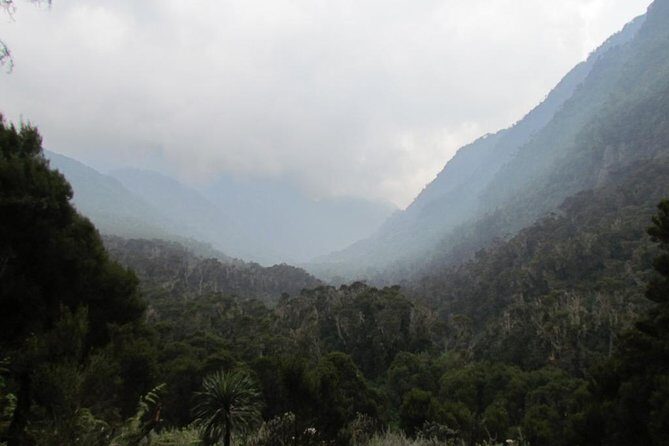
Day seven continues high but shifts the scenery. You hike from Lake Kitandara to Freshfield pass (4,282m), then walk along a ridge of high alpine mossy glades.
After the pass, you descend through rocks and bogs, then get panorama views of Mount Stanley, Mount Baker, and the Mount of Savoy. This is one of those moments where you can finally look up for longer, because your body is past the hardest “up” sections of the route.
From there you take a soggy trail toward Bujongolo, Akendahi, and Kabamba rock shelters, where the Kabamba valley begins. The day ends at Guy Yeoman hut (about 3,261m). The hike can last up to about 6 hours, so it still demands patience and good footwear grip.
Guy Yeoman to Nyabitaba: the Mubuku River descent and your last hut night
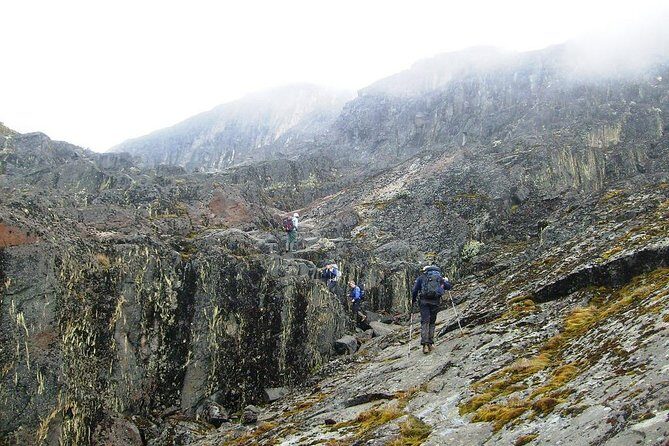
Day eight moves you out of the higher circuit. You hike from Guy Yeoman hut toward Nyabitaba hut.
The route includes descending along the Mubuku River, passing Kichuchu rock shelter, then rejoining the original route and going down to the Bujuku River. This day is described as a shorter segment, about 2–3 hours to Nyabitaba hut, with your last night on the mountain.
This is psychologically important. After days of passes and high views, the descent can feel like relief. Just don’t let relief turn into careless steps—wet trail and uneven ground can still trip you up.
Final descent: returning to park HQ and heading back to Kampala
On day nine you leave Nyabitaba hut in the morning and descend steeply off the ridge through lush vegetation to the mountain’s base. Then you head back to park headquarters to hand in any equipment you hired.
After that, you drive back toward Kampala, arriving in the late evening. It’s a fitting end: the last day feels like a “reset” after the altitude, but the steep descent still asks for focus.
Wildlife and birding potential: what Rwenzori’s park stats mean for your trek
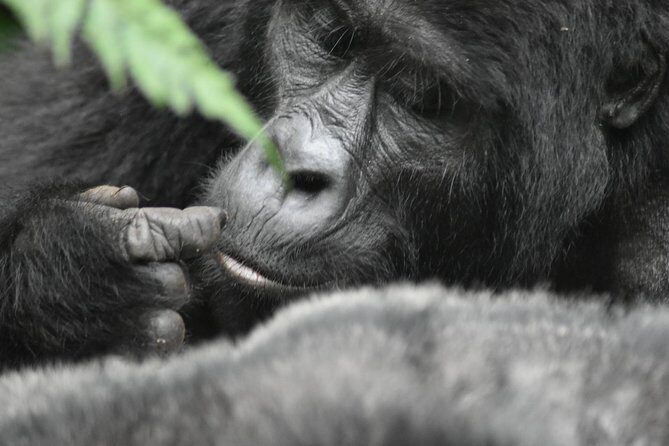
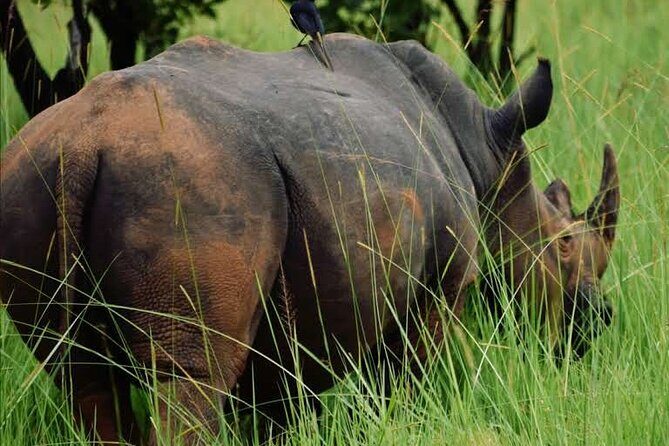
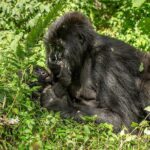
The Rwenzori Mountains National Park setting is built for people who like more than scenery. You’re in a habitat with 70+ mammals, 217 bird species, and 19 Albertine Rift endemics—plus rare vegetation shaped by cool, wet high elevations.
Practically, this means you may see wildlife cues along the trail rather than in a neat, guaranteed way. The good news is the trek passes through multiple habitats across the week—plantations and homesteads at lower elevations, then bamboo and heather forests, then bog and high alpine zones.
When you’re hiking, it helps to “search gently.” Don’t stop every five minutes, but do pause briefly when you hear unusual birdsong or catch movement in the canopy. Those small moments can make the whole trek feel alive, not just scenic.
Price and value: how $2,390 fits the real costs of a Rwenzori trek
At $2,390 per person, this is not a casual vacation add-on. It’s priced like a full, multi-day mountain program with logistics that matter: transportation from the Entebbe/Kampala start area, and a trek inside a national park environment where entry and operational costs add up.
Here’s what the price includes:
- All fees and taxes
- Lunch (8), dinner (7), breakfast (7)
- Pickup offered
- A private tour format, meaning your group is the only group participating
What’s not included:
- Guide service fee
- Travel insurance
- Any private expenses
So where is the value? Meals included are a big deal on a trek like this. They reduce what you have to plan daily, and that matters when you’re climbing and descending in cold air. Also, having all fees and taxes covered helps you avoid surprise add-ons once you’re in-country.
The one item you should clarify before you go is the equipment situation. The trek requires hiring relevant equipment at park headquarters, but the data doesn’t spell out which items are covered. I’d confirm what “equipment” means for your group and whether anything is an extra payment on the ground.
How to prepare for bogs, passes, and glacier-country days
Even without extra details, the route description tells you what you’ll face:
- Bogs show up repeatedly (especially around Bujuku and in later descents)
- High passes (Scott Eliot and Freshfield) and high huts suggest colder temps
- Glacier approach on the summit day means serious conditions and careful footing
Pack for wet, cold, and stop-and-go movement. I’d prioritize:
- Waterproof layers you can move in
- Hiking boots with serious grip for muddy patches
- Warm layers for high elevations and early summit hours
- A headlamp (because mountain schedules don’t care about daylight)
- Trekking poles if they help you stay stable on boggy sections and steep descents
And plan your fitness around steady endurance, not sprinting. The hikes are often described as 5–6 hours, sometimes up to 6, but altitude plus wet ground means your “real time effort” can feel longer.
Should you book this 9-day Rwenzori trekking safari?
Book it if you want a serious trekking experience that mixes glacier scenery, high passes, and a national park full of wildlife and endemic birds. I’d especially like it for active travelers who don’t mind slow walking and who treat the mountain with respect—this trek has boggy days and long-range altitude thinking baked into the route.
Skip it or delay it if you’re only looking for an easy stroll. The program lists moderate physical fitness level, but Rwenzori is still a mountain. Also consider the weather dependency: the experience is described as requiring good weather, and poor conditions can trigger a different date or a refund.
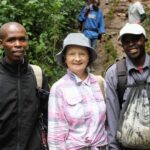
If you choose to go, it can also be comforting to know this provider, Travelmonke Tours and Travel, has received feedback tied to guides like George being friendly and knowledgeable on the ground—exactly the kind of support you want when weather and footing are real-world variables.
FAQ
Where does this trek start?
The start point is listed as Entebbe Airport in Uganda, with pickup offered. The itinerary also describes being picked up in the Kampala area before driving toward western Uganda.
Is the trek a private experience?
Yes. This is a private tour/activity, and only your group participates.
What fitness level do I need?
The tour notes a moderate physical fitness level requirement.
Are park fees and admissions included?
Yes. The inclusions list says all fees and taxes are included, and the itinerary notes admission ticket as free.
What meals are included in the 9 days?
Lunch is included for 8 days, dinner for 7 days, and breakfast for 7 days.
What if weather is bad?
The experience requires good weather. If it’s canceled due to poor weather, you’ll be offered a different date or a full refund.